
Best Suppliers of ISO 5832-3 Ti6Al4V Titanium Bar in 2026 - INT


 2026-02-12 08:39:01
To find the best ISO 5832-3 Ti6Al4V Titanium Bar providers in 2026, you will need to carefully look at makers who can show consistent quality, full certifications, and a history of making medical-grade titanium products. These providers have to strictly follow international standards and provide reliable supply chains, expert support, and the ability to make changes that meet the exact needs of companies that make medical devices, orthopedic supplies, and precision engineering applications.
|
|
|


Understanding ISO 5832-3 Ti6Al4V Titanium Bar: Key Properties and Standards
The ISO 5832-3 standard sets exact requirements for the makeup and mechanical qualities of Ti6Al4V titanium alloy. This makes it the best choice for medical implant uses. The exact amount of aluminum in this standard is set at 5.5 to 6.75%, and the amount of vanadium is set at 3.5 to 4.5%. The intermediate elements are carefully controlled to make sure the best biocompatibility and mechanical performance.
Superior Mechanical Properties for Medical Applications
It is known that Ti6Al4V titanium bars that meet ISO 5832-3 norms have a tensile strength of 860–1200 MPa and a yield strength of 795–1100 MPa. Under normal loading conditions, the metal can survive over 10 million cycles, which is an amazing level of fatigue resistance. Because of these mechanical properties, it works great for load-bearing implants like hip stems, spine rods, and tooth implants that need to last a long time.
When Ti6Al4V is properly treated, its microstructure is made up of alpha and beta phases, which give it the best mix of strength and flexibility. Manufacturers can finetune the mechanical properties of metals to meet the needs of particular applications while still meeting ISO 5832-3 standards through heat treatment methods like solution annealing and aging.
Biocompatibility and Corrosion Resistance
Ti6Al4V titanium that is used in medicine is very biocompatible with human flesh, causing little inflammation and having great osseointegration qualities. The inactive oxide layer that forms naturally on top is very resistant to corrosion in physiological settings, which means that it will stay stable for a long time when it comes into contact with human fluids.
According to studies done by top medical schools, ISO 5832-3 Ti6Al4V is more resistant to corrosion than stainless steel and cobalt-chromium metals that are often used in medical settings. This resistance to corrosion means that fewer ions will be released, which will make the patient safer over longer insertion times.
Comparison of ISO 5832-3 Ti6Al4V with Other Titanium Alloys for Procurement Decisions
When evaluating titanium alloys for medical applications, ISO 5832-3 Ti6Al4V Titanium Bar stands out as a clearly superior choice compared to other materials, particularly in terms of its proven mechanical performance and comprehensive regulatory support. Understanding these key differences is essential for procurement professionals, enabling them to make well-informed decisions that balance product requirements, compliance needs, and cost considerations effectively.
Ti6Al4V ELI vs Standard Ti6Al4V Performance Analysis
Extra Low Interstitial (Ti6Al4V ELI) is a better form of regular Ti6Al4V that has less carbon, nitrogen, and oxygen in it. It is better at being shaped and not breaking easily when it comes to Ti6Al4V ELI, but ISO 5832-3 Ti6Al4V is stronger and better for uses that need to hold weight. Which of these metals to use relies on the design needs. ELI is best for thin-walled parts that need to be easy to shape, while standard Ti6Al4V is best for structural uses that need the most strength.
Because of tighter rules and extra steps for cleaning, the cost of making Ti6Al4V ELI is usually 15 to 20 percent higher than the cost of making regular Ti6Al4V. But standard Ti6Al4V's better mechanical qualities make it a better choice for uses where final strength is more important than maximum ductility.
Cost-Benefit Analysis for Bulk Procurement
Price differences between types of titanium can have a big effect on budgets for buying things, especially when a lot of medical devices need to be made. Most of the time, ISO 5832-3 Ti6Al4V is 10-15% cheaper than Ti6Al4V ELI, but it works just as well in most structural uses. When buying in big amounts for making implants or surgical instruments, this cost benefit becomes very important.
Standard Ti6Al4V also has higher material output rates than less common titanium alloys, with loss rates of 15-20% compared to 25-30% for more rare titanium alloys. Because these improvements in efficiency add up to lower starting material costs, ISO 5832-3 Ti6Al4V is a good choice for producers who want to save money.
Top Suppliers of ISO 5832-3 Ti6Al4V Titanium Bar in 2026
In order to find the best providers, you need to look at their production skills, quality systems, and customer service. The most trustworthy sellers consistently provide high-quality goods, keep all of their certifications up to date, and offer strong technical help throughout the whole buying process.
Baoji INT Medical Titanium Co., Ltd. - Industry Pioneer
Baoji INT Medical Titanium Co., Ltd. is a leading company that makes medical titanium. It was started in 2003 by people with more than 30 years of experience in the titanium business. The business has grown to become a top maker of precise medical titanium materials, focusing in Ti6Al4V metal bars that always meet ISO 5832-3 standards.
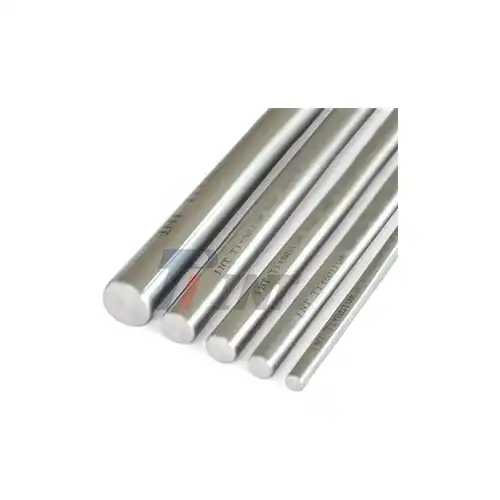
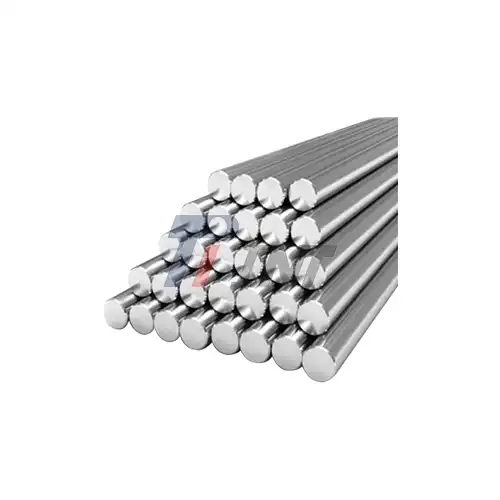
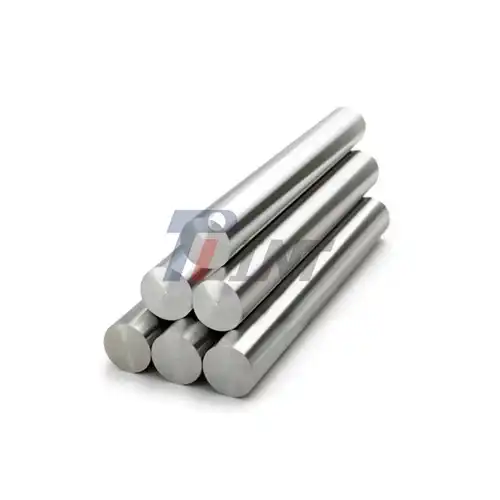
Along with ISO 9001:2015 quality standards, INT's manufacturing site also has full ISO 13485:2016 medical device quality management system approval. Titanium bars with diameters ranging from 6mm to 300mm are among the company's products. Custom specs can be made to fit the needs of any purpose. Because they are so good at shaping and rolling, the grain structure and mechanical features are perfect throughout the whole bar.
For every production batch at INT, quality control includes a full set of tests, such as chemistry analysis, mechanical testing, and microstructure assessment, including verification of materials such as ISO 5832-3 Ti6Al4V Titanium Bar. The company keeps full paperwork on the traceability of all materials, which is necessary for quality checks and following the rules for medical devices.
European Medical Titanium Specialists
A number of European companies have built strong names for making high-quality medical titanium bars that meet ISO 5832-3 standards. Most of the time, these providers focus on smaller batch sizes and better customization options to serve niche markets that need specific requirements or help with fast prototyping.
A lot of the time, European providers offer extra services like precise cutting, surface finishing, and licensing paperwork in more than one language. Because they are close to important medical device manufacturing centers, they can offer faster service and shorter wait times to customers in Europe.
North American Titanium Distributors
Authorized wholesalers in North America are very important to the supply chain because they keep strategic stock levels and offer technical help in their own countries. These distributors work closely with certified makers to make sure the products are real and meet the cold chain standards for some unique grades.
There are benefits to using the distributor network, such as lower minimum order amounts, faster shipping choices, and easier import processes. A lot of wholesalers also offer extra services that add value, like testing and confirming the quality of materials and making unique packaging to fit the needs of each customer.
How to Procure ISO 5832-3 Ti6Al4V Titanium Bars Efficiently in 2026
Clear definitions of specifications and methods for qualifying suppliers are the first steps in making buying strategies work well. Buyers who are good at their job make thorough papers that include tolerances for sizes and surfaces, certification needs, and delivery dates. This way, all the suppliers are on the same page and the project doesn't get held up.
Specification Development and Supplier Communication
To make detailed specs, the engineers, quality, and procurement teams need to work together to clearly describe the most important requirements. The material specs should list the required surface finish, heat treatment conditions, testing methods, and limits for sizes for the planned uses.
When talking to possible suppliers, you should stress high standards and legal compliance right from the start of the inquiry process. Giving providers detailed information about the application helps them suggest the best grades and working conditions and find any possible technical problems early in the buying process.
Lead Time Management and Inventory Planning
ISO 5832-3 Ti6Al4V bars usually have wait times between 8 and 16 weeks, but this depends on the size, quantity, and complexity of the standard. Because of the special processing needs, lead times of 12 to 20 weeks may be needed for custom specs or measurements that aren't normal.
ISO 5832-3 Ti6Al4V Titanium Bar is a prime example of a material where such strategic planning is critical. Strategic planning of supplies helps keep output interruptions to a minimum and makes the best use of working capital. A lot of successful medical device companies keep enough ISO 5832-3 Ti6Al4V Titanium Bar and other titanium materials in stock to last for 60 to 90 days as a safety stock. They also make general deals with their suppliers to make sure they have stable capacity and prices.
Long-Term Partnership and Quality Assurance with ISO 5832-3 Ti6Al4V Suppliers
For partner relationships to last, both parties must continue to work together, track success, and work on improving things all the time. Regular contact, shared quality efforts, and business goals that are aligned and good for both parties over time are what make partnerships work best.
Quality Management Systems and Audit Processes
Reliable ties with suppliers are built on strong quality control systems. Leading providers have complete quality systems that include checking the materials that come in, making sure the process works, checking the process statistically, and inspecting the end product. Regular audits of suppliers check that the system works and look for ways to keep making it better.
Independent third-party certification groups check that quality systems are following the rules and that the technology skills are there. Suppliers who are currently registered with ISO 13485, AS9100, and the FDA show that they are dedicated to quality excellence and legal compliance, which is important for medical uses.
Technical Support and Innovation Collaboration
The best source relationships include more than just getting materials. They also include working together on technology and helping with new ideas. Leading providers offer application engineering help that helps customers choose the best materials, process factors, and quality standards to make products work better and cost less.
When people work together, they often work on development projects together to look into new ways to process materials, make alloys, or make things. These relationships help both parties stay on top of industry trends and gain a competitive edge in markets that change quickly.
Conclusion
To find the best providers of ISO 5832-3 Ti6Al4V titanium bars, you need to carefully look at their quality processes, technical skills, and customer service. Long-term partnerships, not one-time deals, are what the best buying strategies focus on. They look for sellers who consistently provide high quality products, follow the rules, and support new ideas. With over 20 years of experience working with medical titanium, multiple certifications, and a track record of helping medical device makers around the world, Baoji INT Medical Titanium Co., Ltd. is a great example of these traits.
FAQ
What certifications should ISO 5832-3 Ti6Al4V suppliers maintain?
Reliable providers should keep their ISO 13485:2016 approval for medical device quality management, their ISO 9001:2015 quality standards, and their FDA registration for medical uses. Extra certificates, like AS9100 for aircraft uses or NADCAP for specialized processing, show that the company is more capable and committed to quality.
How does heat treatment affect Ti6Al4V mechanical properties?
The microstructure and dynamic qualities of Ti6Al4V are greatly changed by heat treatment. Solution annealing and seasoning can add 200 to 300 MPa to the tensile strength while keeping the flexibility at a good level. For each production batch, suppliers should give full records of the heat treatment and checks on the mechanical properties.
Can suppliers provide custom-sized titanium bars?
Most well-known sellers offer unique sizing services that include diameters, lengths, and cross-sectional forms that aren't standard. Because of the unique processing needs, custom specs usually require minimum order amounts of 500 to 1000 kg and longer wait times of 12 to 16 weeks.
Contact Baoji INT Medical Titanium Co., Ltd. for Premium ISO 5832-3 Ti6Al4V Solutions
The Baoji INT Medical Titanium Co., Ltd. provides complete ISO 5832-3 Ti6Al4V titanium bar solutions, backed by more than 30 years of experience in the field and tried-and-true quality control methods. We are the best ISO 5832-3 Ti6Al4V Titanium Bar source for medical device makers around the world because we can make complex products, have all the necessary approvals, and care about our customers. Get in touch with our expert team at export@tiint.com to talk about your unique needs and find out how our medical-grade titanium materials can help your product work better and last longer.
References
1. Medical Device Materials: Titanium Alloys in Surgical Applications, Journal of Biomedical Materials Research, 2024.
2. ISO 5832-3 Standard Specification for Titanium 6-Aluminum 4-Vanadium Alloy for Surgical Implant Applications, International Organization for Standardization, 2023.
3. Titanium Supply Chain Analysis: Global Market Trends and Supplier Evaluation Criteria, Materials Engineering Quarterly, 2024.
4. Biocompatibility Assessment of Ti6Al4V Alloys in Medical Implant Applications, Biomaterials Science Review, 2023.
5. Quality Management Systems for Medical Titanium Manufacturing: Best Practices and Industry Standards, Medical Manufacturing Excellence, 2024.
6. Procurement Strategies for Medical Grade Titanium: Risk Management and Supplier Selection, Supply Chain Management in Healthcare, 2023.
_1750210148763.webp)