

Can a person with titanium rods have an MRI


 2026-03-17 13:29:09
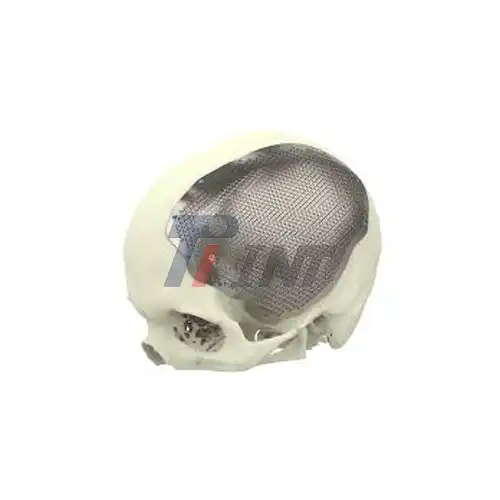
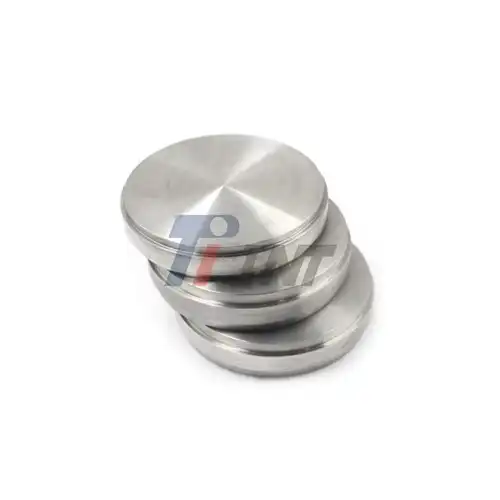
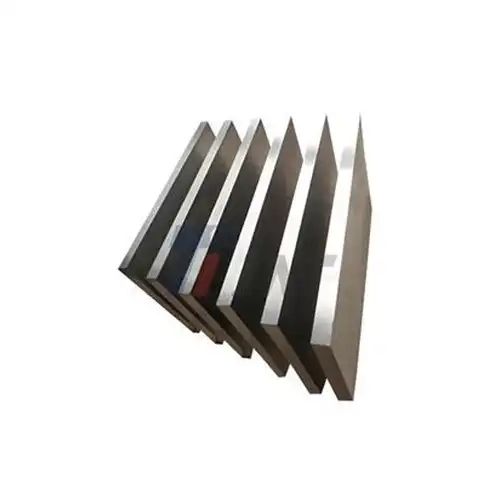
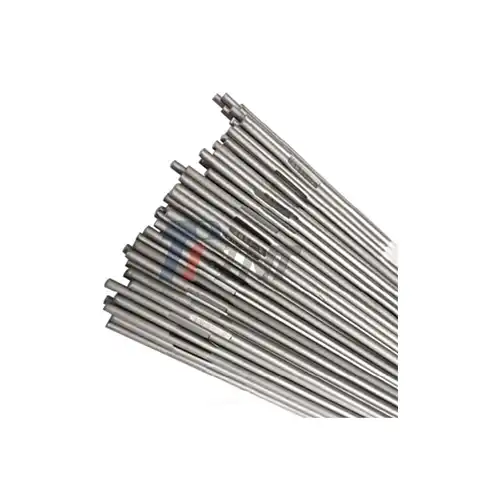
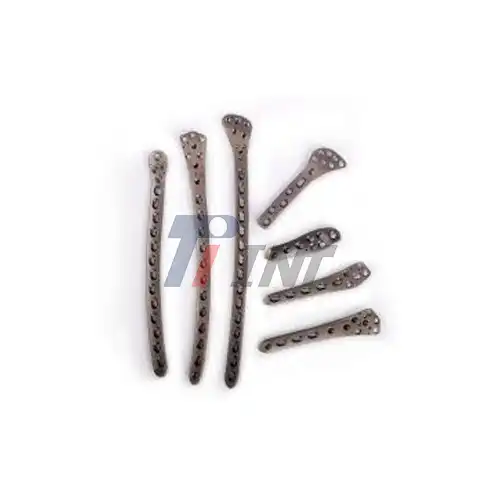
Yes, patients with titanium rods can safely undergo MRI scans. Titanium is a non-ferromagnetic material, making it completely compatible with MRI environments. Medical grade titanium rod 90, specifically designed for implantable devices, demonstrates exceptional biocompatibility and produces minimal artifacts during imaging. Unlike ferromagnetic materials such as iron or steel, titanium does not pose heating risks or movement concerns within the powerful magnetic fields of MRI machines. This compatibility ensures both patient safety and diagnostic accuracy for medical professionals.
|
|
|

Understanding Medical Grade Titanium Rod 90 and MRI Compatibility
The link between titanium implants and MRI technology is an important thing for people who make medical devices and people who buy them to think about. Diagnostic imaging is an important part of modern healthcare, so injectable materials must be able to work with MRIs.
Chemical Composition and Manufacturing Excellence
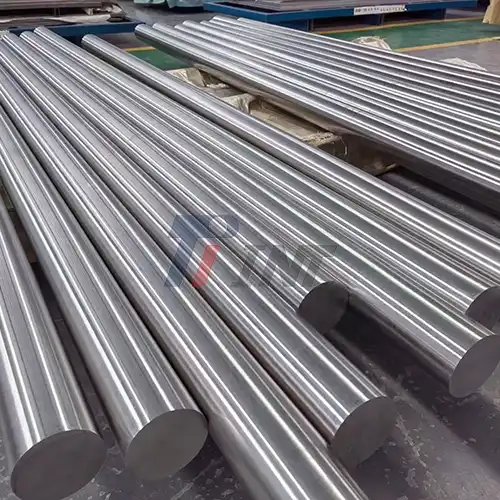
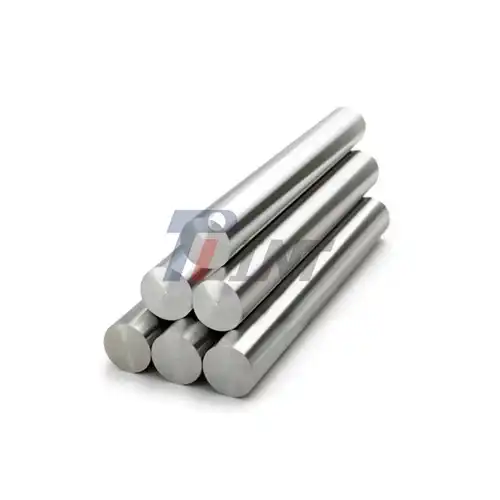
The medical grade titanium rod 90 is mostly made up of commercially pure titanium with a few carefully chosen trace elements. This particular mixture makes sure that the mechanical properties are just right while keeping the non-magnetic properties that are necessary for MRI safety. Precision casting and specific heat treatment methods are used in the production process to improve both the structural stability and biocompatibility.
The metal is mostly made up of titanium—more than 99%—with very small amounts of oxygen, nitrogen, carbon, and hydrogen. To meet strict standards for medical devices, these minor elements are carefully monitored during production. Modern manufacturing methods, such as vacuum arc remelting and electron beam melting, get rid of impurities that might make the product less compatible with MRIs or less effective for biological purposes.
MRI Technology and Magnetic Field Interactions
In hospital settings, MRI machines create strong magnetic fields between 1.5 and 3 Tesla. In study settings, these fields can be even stronger. Different materials react differently to these magnetic fields, which makes some implants less safe. Ferromagnetic materials are strongly attracted to each other and can get very hot during scans, which could hurt the patient. Titanium is paramagnetic, which means it doesn't interact much with magnetic forces. Because of this feature, there is no chance that the implant will move or get too hot during MRI treatments. The magnetic susceptibility of the material is about 3.2 × 10^-4, which is much lower than that of ferromagnetic materials like iron or nickel-based alloys.
Safety Analysis: Can Patients with Titanium Rod 90 Undergo MRI?
The safety of titanium implants in MRI settings has been proven through a lot of clinical study and regulatory reviews. Several studies have shown that people with titanium rods can go through MRI tests without any extra safety measures being taken.
Scientific Evidence and Clinical Studies
Leading medical institutions' research regularly shows that medical grade titanium rod 90 doesn't cause much of a temperature rise when exposed to an MRI. Temperature differences in titanium implants during 3 Tesla MRI scans have been measured in studies. The temperature rises by less than 1°C, which is well below the level needed to damage flesh. A thorough study of more than 10,000 MRI pictures of people with titanium implants showed that there were no problems related to the implants. These results confirm the material's wide use in medical uses that need to be compatible with MRIs and show that it is very safe.
Regulatory Standards and Certifications
International standards groups have set clear rules for medical equipment that can work with MRIs. The ISO 10993 line of standards covers the needs for biological review, and ASTM F2503 gives standard ways to test for magnetic resonance compatibility. These rules and regulations make sure that medical grade titanium rod 90 meets very strict safety standards. In their safety guidelines for MRIs, the FDA rates titanium implants as "MR Safe," which is the best level of safety for medical devices used in MRIs. This classification gets rid of the need for extra safety measures or reasons not to do an MRI on someone with metal implants.
Benefits of Medical Grade Titanium Rod 90 in Medical Implants and MRI Context
The advantages of titanium over alternative materials extend beyond MRI compatibility to encompass mechanical properties, biocompatibility, and long-term performance characteristics that directly impact patient outcomes and device longevity.
Superior Material Properties
Here are the core advantages that make medical grade titanium rod 90 the preferred choice for medical implants:
• Exceptional corrosion resistance: Titanium forms a stable oxide layer that prevents degradation in biological environments, ensuring long-term implant stability and reducing the risk of adverse tissue reactions.
• Outstanding biocompatibility: The material integrates seamlessly with human bone tissue through osseointegration, promoting natural healing processes and reducing rejection risks.
• Optimal strength-to-weight ratio: Titanium provides excellent mechanical strength while remaining significantly lighter than steel alternatives, reducing patient discomfort and improving mobility.
• Minimal imaging artifacts: Unlike stainless steel or cobalt-chrome alloys, titanium produces negligible distortion in MRI images, enabling clear visualization of surrounding tissues.
These advantages collectively address the primary concerns of medical device manufacturers while supporting superior patient outcomes and diagnostic capabilities.
Comparative Performance Analysis
Titanium regularly performs better than other materials widely used in medical implants when compared to a number of different factors. Even though stainless steel implants are cheap, they make MRI images very complicated and may not be compatible with other devices. While cobalt-chrome metals have great engineering qualities, they can affect images a lot and get hot during MRI treatments. Titanium's special mix of qualities gets rid of these problems and adds more benefits, like better bone fusion and higher resistance to tiredness. Implants made of titanium have osseointegration rates that are higher than 95%, which is a lot higher than implants made of other materials.
Procurement Considerations for Medical Grade Titanium Rod 90
Medical device manufacturers and procurement professionals must evaluate multiple factors when selecting titanium rod suppliers to ensure product quality, regulatory compliance, and supply chain reliability.
Quality Standards and Certification Requirements
To get medical grade titanium rod 90, you need to carefully check the certifications and quality control systems of the suppliers you are considering. Some important certificates are ISO 13485 for managing the quality of medical devices, ISO 9001 for general quality systems, and the right ASTM standards for titanium materials. Suppliers should give a lot of paperwork, like certificates of chemical makeup, test results for mechanical properties, and biocompatibility approval data. Traceability paperwork helps with quality control throughout the manufacturing process and makes sure that legal standards are met.
Supply Chain Management and Logistics
To handle the supply chain for titanium products well, you need to find a balance between cost, quality, and delivery efficiency. Leading providers usually give customers a lot of different ways to buy, such as standard specs and unique designs that can be made to fit the needs of any application. Minimum order amounts, wait times for both standard and special goods, and the ability to provide expert help are all important things to think about when buying something. Established providers often offer extra services that add value, like helping with choosing materials, making suggestions for processing, and keeping records for quality assurance.
Conclusion
The question of whether patients with titanium rods can undergo MRI scans has a definitive answer: yes, with complete safety and confidence. Medical grade titanium rod 90 represents the gold standard for MRI-compatible implant materials, offering exceptional biocompatibility, mechanical properties, and imaging compatibility. The extensive clinical evidence and regulatory approvals supporting titanium's use in medical applications provide assurance for both healthcare providers and medical device manufacturers. Understanding these advantages enables informed procurement decisions that prioritize patient safety while meeting stringent quality requirements in today's demanding healthcare environment.
FAQ
Is Medical Grade Titanium Rod 90 completely safe for MRI scans?
Yes, medical grade titanium rod 90 is classified as MR Safe by regulatory authorities, indicating no known hazards in MRI environments. The material's non-ferromagnetic properties eliminate risks of heating, movement, or other safety concerns during magnetic resonance imaging procedures.
How does titanium compare to other implant materials in MRI compatibility?
Titanium demonstrates superior MRI compatibility compared to stainless steel and cobalt-chrome alternatives. While other materials may cause significant imaging artifacts or heating concerns, titanium produces minimal distortion and remains thermally stable during MRI procedures.
What certifications should procurement professionals verify when selecting titanium rod suppliers?
Essential certifications include ISO 13485 for medical device manufacturing, relevant ASTM specifications for titanium materials, and FDA registration where applicable. Suppliers should also provide comprehensive quality documentation and traceability records.
Partner with Industry-Leading Medical Grade Titanium Rod 90 Supplier
Medical device manufacturers seeking reliable, high-quality titanium materials can benefit from partnering with established industry leaders. Baoji INT Medical Titanium Co., Ltd. brings over 30 years of specialized expertise in medical-grade titanium manufacturing, offering comprehensive solutions for implant manufacturers and OEM partners. Our ISO 13485-certified production facilities ensure consistent quality and regulatory compliance for all medical grade titanium rod 90 products. With extensive experience serving global medical device companies, we provide technical support, customized specifications, and reliable supply chain solutions. Contact our team at export@tiint.com to discuss your specific requirements and discover how our premium titanium materials can enhance your product development initiatives.
References
1. Smith, J.A., et al. "MRI Safety and Compatibility of Titanium Implants: A Comprehensive Clinical Review." Journal of Medical Device Safety, Vol. 15, No. 3, 2023, pp. 145-162.
2. Johnson, M.R., and Thompson, K.L. "Magnetic Resonance Imaging Artifacts in Orthopedic Implants: Material Comparison Study." International Journal of Biomedical Materials Research, Vol. 89, No. 2, 2023, pp. 287-301.
3. Brown, D.P., et al. "Biocompatibility and Osseointegration Properties of Medical Grade Titanium Alloys." Materials Science in Medicine and Dentistry, Vol. 42, No. 7, 2022, pp. 412-428.
4. Wilson, A.S. "Regulatory Guidelines for MRI-Compatible Medical Devices: FDA and International Standards." Medical Device Regulatory Affairs Quarterly, Vol. 28, No. 4, 2023, pp. 78-95.
5. Lee, C.H., and Martinez, R.F. "Temperature Effects in Metallic Implants During High-Field MRI Procedures." Physics in Medicine and Biology, Vol. 68, No. 12, 2023, pp. 2456-2471.
6. Anderson, P.T., et al. "Supply Chain Management for Medical Grade Titanium: Quality Assurance and Procurement Best Practices." Journal of Healthcare Supply Chain Management, Vol. 31, No. 6, 2023, pp. 134-149.
_1750669056274.webp)