


How to Choose the Right Medical Titanium Bar for Spinal Fusion?


 2026-03-17 13:29:05
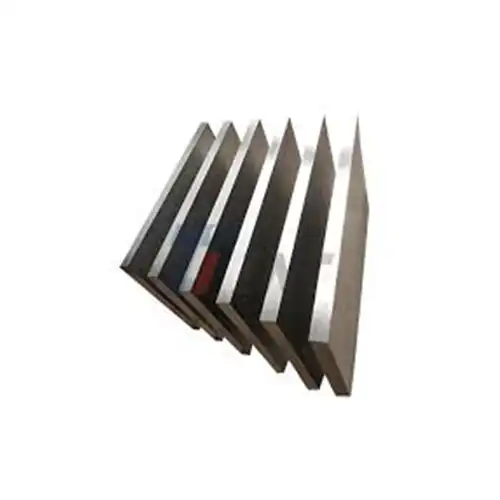
Selecting the appropriate medical titanium bar for spinal fusion procedures requires careful consideration of material properties, regulatory compliance, and supplier reliability. Gr 2 Pure Titanium Medical Bar stands out as the preferred choice for spinal implant manufacturers due to its exceptional biocompatibility, corrosion resistance, and mechanical strength. This comprehensive guide addresses critical procurement factors including material specifications, quality certifications, and supplier evaluation criteria to help medical device manufacturers make informed purchasing decisions that ensure both patient safety and operational success.
|
|
|
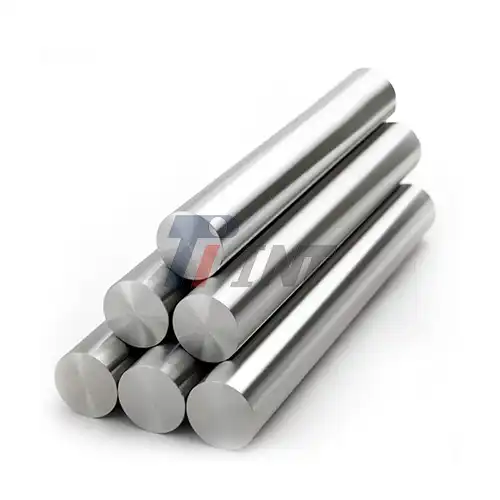
Understanding Grade 2 Pure Titanium Medical Bars for Spinal Fusion
Material Classification and Physical Properties
The grade 2 pure titanium is the one that is most often used in medical devices, especially for spine fusion implants. This economically pure titanium is made up of 99.2% titanium and very few alloying elements. It has the perfect mix of strength, flexibility, and ease of production. The material has a tensile strength range of 345–483 MPa and a yield strength range of 275–410 MPa. This means that it has the right mechanical qualities for load-bearing spinal uses and can still be shaped easily during the manufacturing process.
Grade 2 titanium is very resistant to rust in biological settings because it has a solid structure. Unlike other materials like stainless steel, this one makes a steady metal layer that doesn't break down when it comes in contact with body fluids. This keeps the implant solid over time. With a mass of 4.5 g/cm³, it is much lighter than most implant materials, which makes it easier on the patient while still keeping the structure strong.
Biocompatibility Advantages in Medical Applications
Gr 2 Pure Titanium Medical Bar has great biocompatibility properties that make it perfect for spine fusion uses. Because the material is neutral, it doesn't cause any bad effects in the tissue, which helps the implant fuse with the bone tissue around it. Clinical studies have shown over and over that Grade 2 titanium has a very low inflammation reaction and a high rate of tissue acceptance. The surface features of Grade 2 titanium make it easier for cells to stick to it and for bone to grow into it, both of which are important for a good spine fusion.
It has a low elastic stiffness (about 105 GPa), which is similar to that of human bone. This means that it doesn't protect against stress as much, which can hurt the long-term performance of implants. This mechanical compatibility helps keep the bone's normal stress patterns, which helps the bone grow back normally around the implant.
Applications in Spinal and Orthopedic Procedures
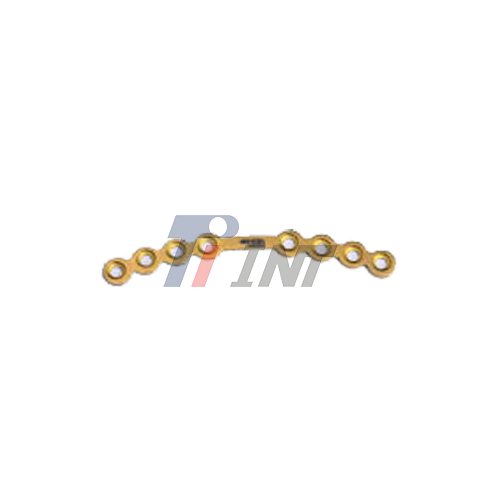
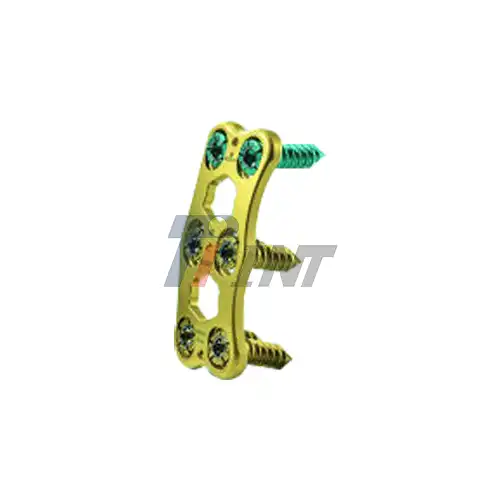
Medical device makers use Grade 2 titanium bars in pedicle screws, rods, plates, and interbody cages, among other spine fusion parts. The material is very easy to work with, so it can be precisely made into the complicated shapes needed for current spine implant designs. Because it doesn't break down easily, it's perfect for dynamic spine uses where implants are put through repeated stress cycles.
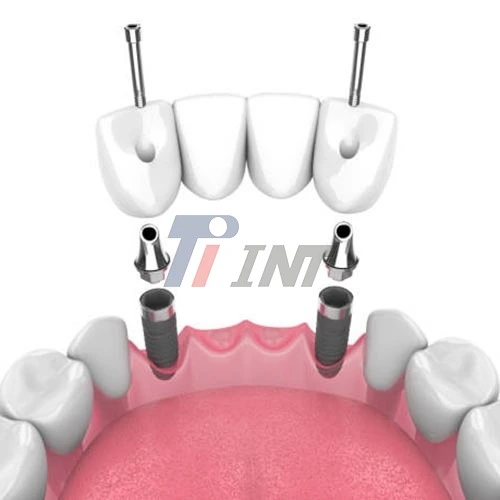
The material has been used successfully in medical uses for a long time and has been used in fracture fixation devices, joint replacement parts, and tooth implants. Because it can be used in a lot of different ways, this gives procurement workers trust in the stability of the materials and the proven clinical results, which helps the government approval process and market acceptance.
Comparing Grade 2 Titanium Bars With Other Materials for Medical Use
Performance Comparison Across Titanium Grades
When evaluating titanium options for spinal fusion applications, understanding the distinctions between various grades becomes crucial for informed procurement decisions. Grade 1 titanium offers superior corrosion resistance but lacks the mechanical strength required for load-bearing spinal applications. Grade 4 titanium provides higher strength than Grade 2 but sacrifices some ductility and formability, potentially complicating manufacturing processes.
Ti6Al4V (Grade 5) titanium alloy delivers exceptional strength characteristics, making it suitable for high-stress applications such as hip and knee replacements. However, the presence of vanadium and aluminum raises biocompatibility concerns for certain applications. Gr 2 Pure Titanium Medical Bar strikes an optimal balance between mechanical properties and biological safety, making it the preferred choice for most spinal fusion applications.
The following material characteristics demonstrate Grade 2 titanium's advantages in spinal applications:
• Superior corrosion resistance compared to stainless steel alternatives, ensuring long-term implant stability in physiological environments
• Excellent biocompatibility with proven clinical outcomes in spinal fusion procedures
• Optimal strength-to-weight ratio that reduces patient burden while maintaining structural integrity
• Outstanding formability that enables complex implant geometries and manufacturing flexibility
These performance advantages translate directly into improved patient outcomes and reduced revision surgery rates, key considerations for medical device manufacturers and healthcare providers.
Cost and Supply Chain Considerations
When compared to stainless steel options, grade 2 titanium usually costs more, but it has a lot of benefits, such as lower correction rates and better patient results. The material has a well-established supply chain and is widely available. This helps keep prices fixed and shipping times constant, which are important for planning production and keeping track of stockpiles. The high starting cost of materials is often more than made up for by the fact that Grade 2 titanium is very easy to machine.
Overall, the shorter working time and longer tool life during manufacturing processes help keep costs low in high-volume production settings. Stability in the supply chain is especially important for medical-grade products because they have to meet strict quality standards and have to be backed up by legal paperwork.
Criteria for Selecting the Right Titanium Bar for Spinal Fusion
Technical Specifications and Performance Requirements
To choose the right titanium bars for spine fusion, you need to carefully look at their mechanical features, allowable size differences, and surface finish needs. standards for tensile strength must match the expected loading conditions, and standards for yield strength make sure that the implant stays intact under physiological stress levels. Elongation values show how flexible a material is, which is important for devices that have to withstand twisting or torque loads during surgery. For implant parts that need to fit and look just right, measuring precision is very important.
Titanium bars usually have diameter limits of ±0.1mm to ±0.05mm, but this can change based on the application. Specifications for the surface finish make sure that the bars work well with biomaterials and don't wear down quickly. These strict requirements are always met by the Gr 2 Pure Titanium Medical Bar thanks to controlled manufacturing methods and thorough quality assurance programs.
Regulatory Compliance and Certification Requirements
Medical-grade titanium bars must meet a number of international standards. These include ASTM F67 for unalloyed titanium, ISO 5832-2 for surgery implant materials, and FDA rules for materials used in medical devices. These guidelines set limits on chemical makeup, mechanical property needs, and testing procedures to make sure that materials always work the same way and patients are safe.
The paperwork for certification should have material test papers, chemical analysis results, and records that show how raw materials were used to make finished goods. Suppliers must keep quality control systems that meet ISO 13485 standards for medical devices. This makes sure that the quality of the products is always the same and that all parties in the supply chain follow the rules.
Supplier Evaluation and Quality Assurance
When looking at possible providers, you need to look at their producing skills, quality control systems, and expert support services. Statistical process control, written quality methods, and thorough testing techniques are some of the ways that established providers show that their quality is always the same. Audits of manufacturing facilities help make sure that rules about medical devices are being followed and figure out how much can be made so that long-term supply relationships can be formed.
Inspection of arriving materials, tracking of work in progress, and testing of the finished product should all be part of quality assurance programs to make sure they meet specifications. Traceability systems must keep track of materials from the time they are bought as raw materials until they are delivered to the customer. This lets problems with quality be fixed quickly and meets legal requirements for making medical devices.
How to Procure Grade 2 Pure Titanium Medical Bars: Best Practices?
Supplier Identification and Qualification Process
Finding approved sources with knowledge in medical device materials is the first step to successfully buying medical-grade titanium bars. Reliable providers have thorough quality control systems, governmental approvals, and a history of success in medical uses. To make sure the relationship works out in the long run, the qualification process should look at things like the company's ability to make things, its quality control programs, and its expert support services.
As part of due research, facilities are audited, quality systems are evaluated, and references from past customers are checked. Suppliers of medical devices should show that they follow the quality standards set by ISO 13485 and keep their certifications up to date for foreign markets that are important. Suppliers of Gr 2 Pure Titanium Medical Bars with a history of making medical devices can be more trusted to provide consistent quality and follow all regulations.
Specification Communication and Order Management
Clear communication about specifications stops problems with quality and delivery delays and makes sure that materials meet the exact needs of the application. Dimensional standards, surface finish requirements, mechanical property limits, and any special processing or testing requirements should all be part of the technical specs. Clear quality acceptance standards are set by detailed plans and material specs that get rid of any doubt.
When managing orders, it's important to think about minimum order amounts, expected wait times, and shipping schedule needs. For high-volume needs, many providers offer vendor-managed inventory programs that make sure materials are always available while lowering the costs of keeping inventory. Medical device makers can speed up the receiving and quality control processes by using custom packing and marking services.
Documentation and Compliance Verification
Medical gadget rules need a lot of paperwork to make sure that materials can be tracked and quality is checked all the way through the supply chain. Chemical research results, mechanical property test data, and compliance comments that refer to relevant standards should all be included on material documents. Batch tracking records help with legal reporting requirements and make it easy to find and fix quality problems quickly. Formal quality relationships and performance standards are set with supplier audit reports, quality agreements, and accepted vendor documents. Regular reviews of a supplier's performance look at quality measures, shipping performance, and efforts to keep improving in order to keep the supply chain running at its best.
Practical Tips and Recommendations for B2B Buyers
Application-Specific Material Selection Guidelines
Determining optimal titanium grade selection requires careful analysis of application requirements, performance expectations, and cost considerations. Gr 2 Pure Titanium Medical Bar excels in applications requiring excellent biocompatibility, corrosion resistance, and moderate strength requirements typical of most spinal fusion applications. Higher strength applications may benefit from titanium alloy grades, while maximum corrosion resistance applications favor commercially pure grades.
Loading analysis helps determine minimum strength requirements, while fatigue considerations influence surface finish and processing requirements. Environmental factors including exposure to bodily fluids, sterilization methods, and expected service life affect material selection and specification requirements. Consulting with materials engineers and medical device experts ensures optimal material selection for specific applications.
Risk Mitigation and Quality Assurance Strategies
Implementing comprehensive risk mitigation strategies protects against quality issues, supply disruptions, and regulatory compliance problems that can impact medical device manufacturing operations. The following risk management approaches help ensure successful titanium bar procurement:
• Qualification of multiple approved suppliers to ensure supply chain resilience and competitive pricing options
• Implementation of incoming inspection protocols to verify material compliance before production use
• Establishment of vendor quality agreements defining performance expectations and quality requirements
• Maintenance of appropriate safety stock levels to buffer against supply chain disruptions
These risk mitigation strategies provide protection against common supply chain challenges while ensuring consistent access to high-quality medical-grade titanium materials.
Emerging Technology Trends and Future Considerations
Advanced manufacturing technologies including additive manufacturing and precision forming are expanding design possibilities for titanium-based medical devices. These technologies may influence material specification requirements and supplier capabilities, affecting long-term procurement strategies. Staying informed about technology developments helps anticipate future material requirements and supplier qualification needs.
Regulatory landscape changes including updated biocompatibility standards and environmental regulations may affect material specifications and supplier requirements. Proactive monitoring of regulatory developments ensures continued compliance and helps avoid costly specification changes or supplier requalification efforts.
Conclusion
Selecting the right medical titanium bar for spinal fusion applications requires balancing material properties, regulatory compliance, supplier capabilities, and cost considerations. Gr 2 Pure Titanium Medical Bar offers an optimal combination of biocompatibility, mechanical performance, and manufacturing flexibility that makes it the preferred choice for most spinal implant applications. Successful procurement depends on thorough supplier evaluation, clear specification communication, and comprehensive quality assurance programs. By following established best practices and maintaining strong supplier relationships, medical device manufacturers can ensure consistent access to high-quality titanium materials that support successful product development and patient outcomes.
FAQ
What are the key differences between Grade 2 and other titanium grades for medical use?
Grade 2 titanium offers superior ductility and formability compared to higher-strength grades while maintaining excellent biocompatibility. Unlike Grade 5 titanium alloys that contain vanadium and aluminum, Grade 2 pure titanium eliminates potential biocompatibility concerns associated with alloying elements, making it ideal for long-term implant applications.
How can I verify the authenticity of medical-grade titanium bars?
Authentic medical-grade titanium bars include comprehensive material certificates with chemical analysis, mechanical property test results, and traceability documentation. Suppliers should provide ASTM F67 compliance certificates and maintain ISO 13485 quality system certifications. Independent material testing can verify specification compliance if authenticity concerns arise.
What are typical lead times for custom titanium bar orders?
Standard dimension titanium bars typically require 4-6 weeks for delivery, while custom specifications may extend lead times to 8-12 weeks depending on complexity and order quantity. Rush orders may be accommodated with expedited processing fees, though quality verification requirements cannot be compromised regardless of delivery urgency.
How does Grade 2 titanium compare to stainless steel for spinal applications?
Grade 2 titanium offers superior biocompatibility and corrosion resistance compared to stainless steel alternatives while providing better bone integration characteristics. The lower elastic modulus of titanium reduces stress shielding effects, promoting healthier bone remodeling around implants and potentially improving long-term patient outcomes.
Partner with Baoji INT Medical Titanium Co., Ltd. for Premium Medical Titanium Solutions
Baoji INT Medical Titanium Co., Ltd. brings over 20 years of specialized experience in medical-grade titanium manufacturing, serving as your trusted Gr 2 Pure Titanium Medical Bar supplier for spinal fusion applications. Our ISO 13485 certified facility and comprehensive quality management systems ensure consistent delivery of materials meeting the most stringent medical device requirements. We provide complete technical support including material selection guidance, custom processing services, and detailed documentation to support your regulatory compliance needs. Contact our technical team at export@tiint.com to discuss your specific requirements and receive personalized quotations backed by our commitment to quality excellence and reliable delivery performance.
References
1. American Society for Testing and Materials. "Standard Specification for Unalloyed Titanium for Surgical Implant Applications (UNS R50250)." ASTM F67-13, 2018.
2. International Organization for Standardization. "Implants for Surgery - Metallic Materials - Part 2: Unalloyed Titanium." ISO 5832-2:2018.
3. Niinomi, M. "Mechanical Properties of Biomedical Titanium Alloys." Materials Science and Engineering: A, vol. 243, no. 1-2, 1998, pp. 231-236.
4. Rack, H.J., and J.I. Qazi. "Titanium Alloys for Biomedical Applications." Materials Science and Engineering: C, vol. 26, no. 8, 2006, pp. 1269-1277.
5. Steinemann, S.G. "Titanium - The Material of Choice?" Periodontology 2000, vol. 17, no. 1, 1998, pp. 7-21.
6. Williams, D.F. "Titanium: Epitome of Biocompatibility or Cause for Concern." Journal of Bone and Joint Surgery - British Volume, vol. 76, no. 3, 1994, pp. 348-349.
_1752818317695.webp)
_1750668839491.webp)
_1750663253486.webp)
_1750210148763.webp)