

Can I get an MRI with a titanium plate?


 2025-12-23 08:26:18
If you've recently undergone surgery involving a titanium plate implant, you might be wondering about the safety and feasibility of getting an MRI (Magnetic Resonance Imaging) scan. This is a common concern for patients with metal implants, as MRI machines use powerful magnetic fields and radio waves to create detailed images of the body's internal structures. In this comprehensive guide, we'll explore the compatibility of titanium plate implants with MRI procedures, addressing your concerns and providing valuable insights to help you make informed decisions about your medical care.
|
|
|

Understanding Titanium Plate Implants and MRI Safety
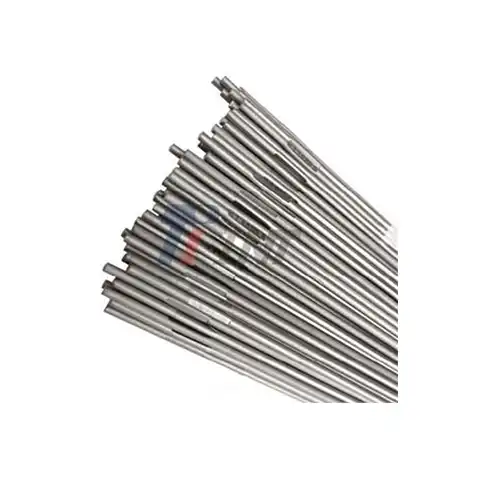
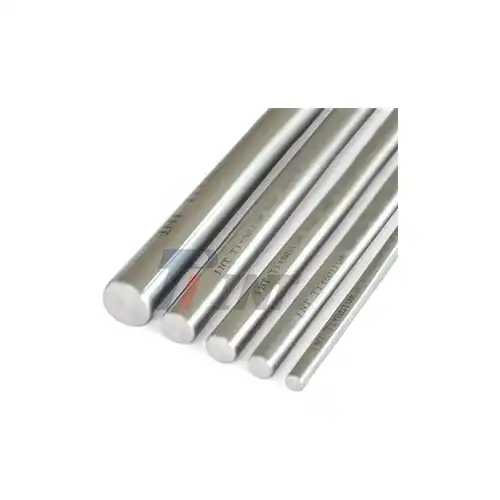
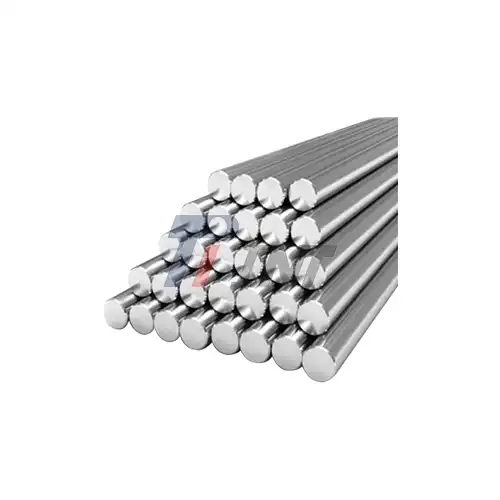
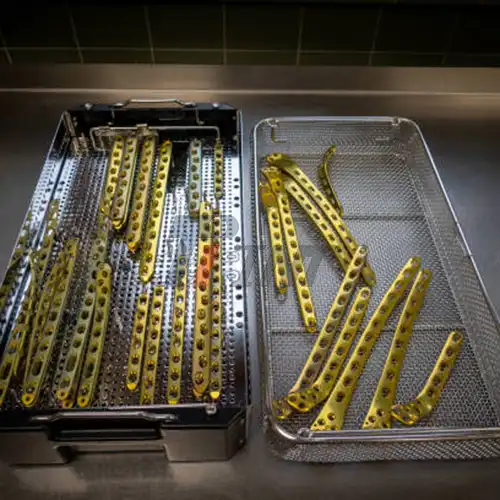
Titanium plate implants are widely used in various medical procedures, particularly in orthopedic surgeries. These implants are favored for their durability, biocompatibility, and resistance to corrosion. When it comes to MRI safety, titanium stands out as a non-ferromagnetic metal, which means it's not attracted to magnetic fields. This characteristic makes titanium plate implants generally safe for MRI scans.
However, it's crucial to understand that while titanium itself is MRI-compatible, the overall safety of an MRI procedure depends on several factors:
- The specific composition of the implant
- The location of the implant in your body
- The strength of the MRI machine's magnetic field
- The type of MRI scan being performed
Modern titanium plate implants are designed with MRI compatibility in mind. Manufacturers like Baoji INT Medical Titanium Co., Ltd. produce high-quality titanium materials that adhere to strict medical standards, ensuring their products are safe for use in various medical imaging procedures, including MRI scans.
Potential Concerns and Precautions
While titanium plate implants are generally considered safe for MRI scans, there are some potential concerns and precautions to keep in mind:
Image Distortion
Although titanium is non-ferromagnetic, it can still cause some localized image distortion or artifacts in MRI scans. This is due to the metal's ability to slightly alter the magnetic field in its immediate vicinity. The extent of this distortion depends on factors such as the size and shape of the implant, its location in the body, and the specific MRI sequence used. In most cases, radiologists can adjust the MRI parameters or use specialized techniques to minimize these artifacts and obtain diagnostic-quality images. However, if the titanium plate implant is near the area being scanned, it may affect the clarity of the images in that specific region.
Heating and Displacement
While the risk is minimal with titanium implants, there's a theoretical possibility of heating or displacement during an MRI scan. This is more of a concern with ferromagnetic materials or implants containing electrical components. Titanium plate implants, being non-ferromagnetic and non-conductive, have a very low risk of heating or movement during an MRI procedure. To mitigate any potential risks, MRI technologists follow strict safety protocols and may use specific scanning techniques or lower-power settings when imaging patients with metal implants.
Implant Information
It's crucial to have detailed information about your titanium plate implant before undergoing an MRI scan. This includes:
- The exact type and composition of the implant
- The manufacturer's name and model number
- The date of implantation
- Any documentation provided by your surgeon or the implant manufacturer
This information helps radiologists and MRI technologists make informed decisions about the safety and appropriateness of the MRI procedure for your specific case.
Preparing for an MRI with a Titanium Plate Implant
If you have a titanium plate implant and need to undergo an MRI scan, here are some steps to ensure a safe and successful procedure:
Consult Your Healthcare Provider
Before scheduling an MRI, counsel your healthcare supplier about your titanium plate implant. They will audit your therapeutic history, assess the implant's compatibility with the MRI, and decide if any particular safeguards are required to guarantee your security and the viability of the strategy.
Provide Detailed Information
When scheduling your MRI appointment, notify the facility about your titanium plate implant. Share all relevant details, including any documentation provided by your surgeon or the implant manufacturer. This ensures the facility is fully informed and can take any necessary precautions or adjustments to safely conduct the MRI and avoid potential complications related to the implant.
Follow Pre-Scan Instructions
Follow all pre-scan instructions given by the MRI facility. These may include removing jewelry, wearing suitable clothing, or adhering to specific dietary guidelines. Ensuring compliance with these instructions helps facilitate a smooth and effective MRI process while maintaining your safety during the procedure.
Communicate with the MRI Technologist
On the day of your MRI, communicate openly with the MRI technologist about your titanium plate implant. They may ask additional questions or perform a safety screening to ensure the procedure can be conducted safely.
Stay Still During the Scan
During the MRI procedure, it's essential to remain as still as possible to obtain clear images. If you experience any discomfort or unusual sensations related to your implant during the scan, alert the technologist immediately using the provided communication system.
Conclusion
In conclusion, patients with titanium plate implants can generally undergo MRI scans safely. The non-ferromagnetic nature of titanium makes it compatible with MRI procedures, although some precautions and considerations are necessary. By working closely with your healthcare provider and the MRI facility, you can ensure a safe and effective imaging experience.
For more information about high-quality medical titanium products and their compatibility with various medical procedures, including MRI scans, please contact Baoji INT Medical Titanium Co., Ltd. at export@tiint.com. Their team of experts can provide valuable insights and guidance on titanium implants and their use in modern medical applications.
References
1. Shellock, F. G. (2017). Reference Manual for Magnetic Resonance Safety, Implants, and Devices. Biomedical Research Publishing Group.
2. American College of Radiology. (2020). ACR Manual on MR Safety. Retrieved from https://www.acr.org/-/media/ACR/Files/Radiology-Safety/MR-Safety/Manual-on-MR-Safety.pdf
3. U.S. Food and Drug Administration. (2021). MRI (Magnetic Resonance Imaging) Safety. Retrieved from https://www.fda.gov/radiation-emitting-products/mri-magnetic-resonance-imaging/mri-magnetic-resonance-imaging-safety
4. Sawyer-Glover, A. M., & Shellock, F. G. (2000). Pre-MRI procedure screening: recommendations and safety considerations for biomedical implants and devices. Journal of Magnetic Resonance Imaging, 12(1), 92-106.
5. ASTM International. (2019). Standard Practice for Marking Medical Devices and Other Items for Safety in the Magnetic Resonance Environment (ASTM F2503-13).
_1752644608314.webp)
_1750210148763.webp)