
Can you solder titanium wire?


 2026-04-20 10:27:34
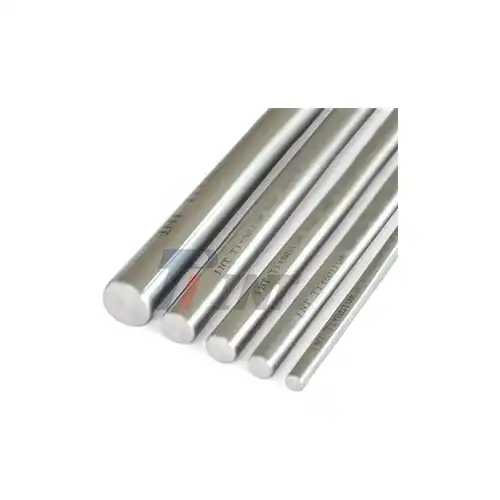
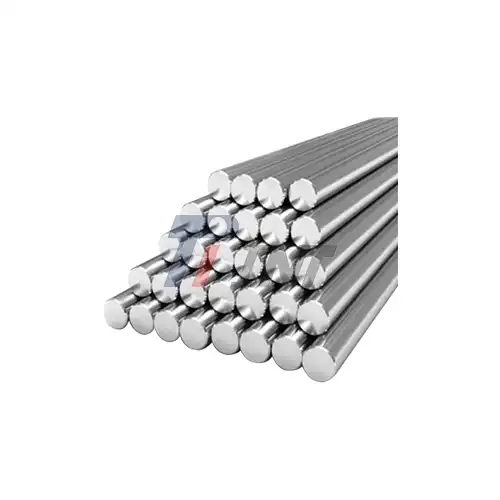
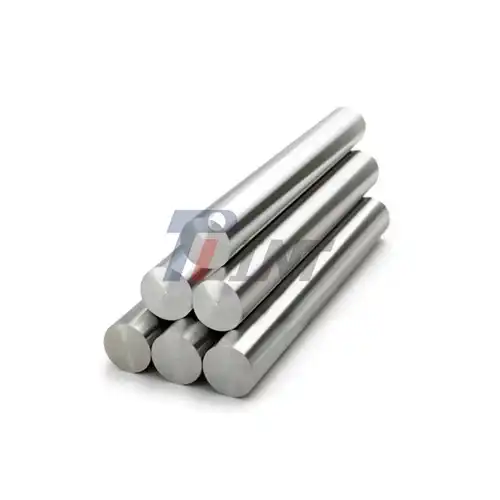
Scientists who work with titanium to make medical tools often wonder if soldering titanium wire is a good way to connect things. The short answer is that attaching titanium wire is generally not a good idea because titanium has unique mechanical properties. It is better to use Titanium Welding Wire because it can be used in advanced fusion welding techniques instead of traditional soldering techniques. This gives medical-grade uses the reliability and accuracy they need.
|
|
|


Understanding Titanium Welding Wire and Its Properties
Titanium Welding Wire is made from very pure titanium metals that were carefully planned to meet the strict standards set by AWS A5.16 and AMS. This kind of filler metal is made using vacuum-arc remelting (VAR) techniques, which make sure they are very clean and control the amount of interstitial elements present. Most of the time, Grade 1 (commercially pure titanium), Grade 2 (unalloyed titanium), and Ti-6Al-4V ELI (Extra Low Interstitial) are the types of metal used in medicine.
Chemical Composition and Purity Standards
Some of the chemicals that are used to make titanium welding wire change how well it works in medical settings. The gas always has less than 0.25% oxygen, 0.05% nitrogen, and 0.01% hydrogen. Because of these tight rules about composition, alpha-case formation can't happen during welding. If it does, it could damage the mechanical properties and rust resistance needed for inserted medical devices.
Mechanical Properties and Performance Characteristics
Titanium welding wire is very light, but it's very strong. It can pull apart from 240 MPa for Grade 1 alloys to over 860 MPa for Grade 5 metals. The structure of the material stays the same at temperatures from very cold to 400°C. Because of this, it is an important part of medical tools that are sterilized. For a long time, it will work reliably even when loaded over and over, which is popular in surgery tools and internal devices because it is very resistant to wear.
Compatibility with Base Materials
Even though titanium welding wire is used in medicine, it is still important to know if it is mechanically compatible. The wire must expand at the same rate as the base material when it gets hot. If it doesn't, stress will build up and the material will break. Titanium needs precise control of the heat applied during welding to keep its microstructure and mechanical properties at their best. This is because it has unique beta-transus temperature and alpha-beta phase transformation properties.
Can You Solder Titanium Wire? Understanding the Limits and Alternatives
It can be hard to solder Titanium Welding Wire because titanium is naturally chemically unstable and makes oxides quickly. Titanium makes a tough oxide layer when it comes in contact with air temperatures above 300°C. This layer stops solder from properly joining and binding. Because this oxide forms in milliseconds, it forms a barrier that normal soldering fluxes can't get through.
Technical Limitations of Soldering Titanium
Soldering can only be done at temperatures between 180°C and 370°C, which are too low to make strong metal links for building purposes. When you mix titanium with common welding metals like tin-lead or silver-based metals, you get brittle intermetallic products that make the joint less stable. In medical settings, the chance of galvanic rusting between metals is also a big problem for long-term dependability.
Welding as the Preferred Alternative
The best way to join titanium wire in a medical setting is with Gas Tungsten Arc Welding (GTAW/TIG). This process needs to be able to exactly control the heat, surround it with inert gas, and go deep into the object for full metals bonding to happen. You can change the welding settings to make the heat-affected zone (HAZ) smaller while keeping the base material's functional properties and ability to resist rust.
Focused heat with little thermal warping is one of the best things about laser beam welding for making precise medical devices. This is a great way to join thin tubes of titanium wire to sensitive parts of medical devices where exact measurements are very important.
Case Studies in Medical Device Manufacturing
A lot of tests have been done to show that TIG welding is better than soldering by big companies that make medical devices. The people who make orthopedic implants say that with the right Titanium Welding Wire, they can get weld joint strengths that are higher than 95% of the base material's strengths. When parts are soldered, they generally only hit 30–40% of the power of the base material and don't last long. Such effects are very different.
How to Choose the Right Titanium Welding Wire for Your Project?
To pick the best Titanium Welding Wire, you should carefully think about what the job calls for, the standards the wire must meet, and how well it should last over time. When medical device makers make decisions, they have to think about things like biocompatibility, cleaning, and keeping track of paperwork.
Grade Selection Criteria
The type of titanium used depends on what it is being used for and how well it needs to work. For embedded devices that need to touch flesh directly, Grade 1 titanium welding wire is the most safe and won't rust. Because it is strong and easy to make, Grade 2 is the best metal for surgery tools. Ti-6Al-4V ELI is better for prosthetic devices that need to hold weight, and it's also very biocompatible because it has less intermediate material.
Regulatory Compliance Considerations
The FDA's 21 CFR 820 quality system rules and ISO 13485 must be followed by medical-grade Titanium Welding Wire. ISO 10993 says that material certificates should include a full chemical analysis, proof of mechanical qualities, and tests to see if the material is biocompatible. Records that allow tracking help you keep track of a certain lot from the raw materials that were used to make the final product.
Supplier Qualification and Quality Assurance
Qualified companies keep quality management systems up to date with the latest methods for drawing wires, heating them, and getting the surface ready. A third party tests the material on a regular basis to make sure that its qualities stay the same and that it meets the needs. To make sure they can be trusted for a long time, providers should be checked to see how well they can make things, how they keep an eye on quality, and what professional support tools they offer.
Procurement Guide: Where and How to Buy Titanium Welding Wire?
You need to work with key providers, have clear quality agreements, and keep an eye on the supply chain in order to get Titanium Welding Wire. When they buy something, companies that make medical products have to think about how much it will cost to meet legal and quality standards.
Supplier Evaluation and Selection
You should look at a provider's industrial skills, safety certifications, technical knowledge, and customer service resources when deciding who to work with. Suppliers that have been around for a while, are registered with the FDA, and have ISO 13485 approval show that they care about the quality of medical equipment. Help with mechanical understanding and application engineering is available through technical support services. These services are very useful for fixing problems and making the welding process better.
Quality Agreements and Documentation
Full quality agreements make it clear what tests, specs, and papers are needed to buy titanium welder wire. Material documents should include a full chemical analysis, a check of the mechanical properties, a check of the surface state, and proof that the item is clean. Paperwork with a certificate of approval helps with following the rules and finding specific lots.
Inventory Management and Supply Chain Optimization
When you plan carefully for safety stocks and guess what people will want, you can balance carrying costs and supply security. Prices stay fixed, shipping is guaranteed, and everyone can work together to make the process better with long-term supply deals with qualified providers. Having companies handle your inventory plans can help you get the most out of your cash flow and make it easier to keep track of your purchases.
Conclusion
There are some technical problems with joining titanium wire that mean it can't be used in medical devices that need to be structurally stable and reliable over time. Titanium Welding Wire's mechanical properties, ability to connect with other metals, and resistance to rust are very important for medical uses when used with the right fusion welding methods. In order to get the best results and follow the rules, the selecting process needs to look at provider skills, grade standards, and legal requirements. When companies that make medical equipment work with skilled providers and choose the right materials, they can get better quality and dependability that meets the needs of modern healthcare.
FAQ
Q1: Can titanium wire be soldered effectively?
A: It's not a good idea to join titanium wire because it forms oxide quickly and solder doesn't stick to it well. The oxide layer keeps the joints from getting wet enough, which makes them unstable and weak, so they can't be used in medicine.
Q2: What welding process works best for titanium wire?
A: A neutral environment guards the joint and makes the joint better than with other welding methods. This is why Gas Tungsten Arc Welding (TIG/GTAW) is the best way to join titanium wires together.
Q3: How do I verify titanium welding wire quality?
A: Full records of chemistry analyses, test results for industrial properties, and proof that the product meets standards such as AWS A5.16 and ASTM guidelines should all be part of quality assurance.
Q4: What grade of titanium welding wire is best for medical devices?
A: The grade you pick will depend on how well your entry meets the requirements. It is best to use Grade 1 for implants, and Ti-6Al-4V ELI is better for tasks that need to hold weight.
Q5: How should titanium welding wire be stored?
A: Titanium soldering wire should be kept in a dry, clean area and wrapped in something that will protect it from getting dirty. It is important to keep the area clean so that you can make good welds.
Ready to Source Premium Titanium Welding Wire for Medical Applications?
Baoji INT Medical Titanium Co., Ltd. is the best place to get Titanium Welding Wire because they have been making medical-grade titanium goods for over 20 years. With ISO 13485 and CE certifications as part of our full quality control systems, we make sure that the features of the materials stay the same and that all the rules are followed for your important uses. We offer full tracking of materials, expert advice, and solutions that are tailored to the needs of your specific medical gadget. You can talk to our expert team about your needs for titanium welding wire by emailing export@tiint.com. Find out for yourself why top medical device makers from around the world choose us as their provider.
References
1. "Welding Metallurgy and Weldability of Titanium Alloys" by American Welding Society Technical Committee, 2019.
2. "Medical Device Materials: Proceedings from the Materials and Processes for Medical Devices Conference" by ASM International, 2018.
3. "Titanium: A Technical Guide, Second Edition" by Matthew J. Donachie, ASM International, 2020.
4. "AWS A5.16/A5.16M:2018 Specification for Titanium and Titanium-Alloy Welding Electrodes and Rods" by American Welding Society.
5. "ISO 13485:2016 Medical Devices Quality Management Systems Requirements for Regulatory Purposes" by International Organization for Standardization.
6. "Biocompatibility of Medical Devices and Materials: A Guide for Engineers and Scientists" by Jean-Pierre Boutrand, 2021.
_1753429726760.webp)
_1751956867796.webp)
_1750663715751.webp)