
Do Kids Need Titanium Plates for Wrist Injuries?


 2025-12-25 09:16:57
When it comes to children's wrist injuries, parents often find themselves grappling with a myriad of questions. One of the most pressing concerns is whether their child might need a titanium plate in wrist surgery. This article delves into the intricacies of pediatric wrist injuries, the role of titanium plates in treatment, and what parents should know about this surgical intervention.
|
|
|

Understanding Pediatric Wrist Injuries
Children's wrists are unique. Unlike adults, kids have growth plates - areas of developing cartilage near the ends of long bones. These growth plates are crucial for bone development but also make children's wrists more susceptible to certain types of injuries.
Common wrist injuries in children include:
- Buckle fractures: Where one side of the bone compresses, causing the other side to bend
- Greenstick fractures: Incomplete fractures where the bone bends and partially breaks
- Complete fractures: Where the bone breaks all the way through
- Growth plate injuries: Damage to the areas of developing cartilage near the ends of long bones
The severity and type of injury play a significant role in determining the appropriate treatment. While many pediatric wrist injuries can heal with conservative treatments like casting or splinting, more severe cases might require surgical intervention, potentially involving titanium plates.
The Role of Titanium Plates in Wrist Surgery
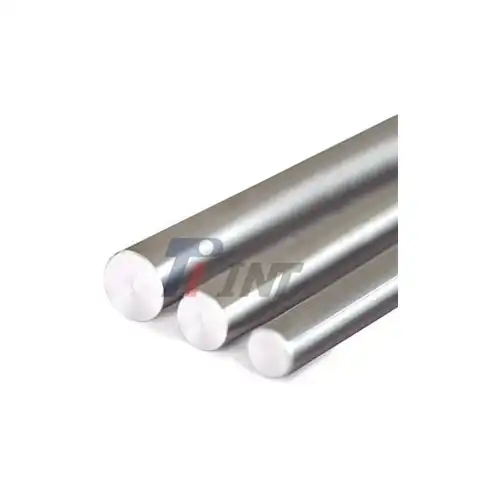
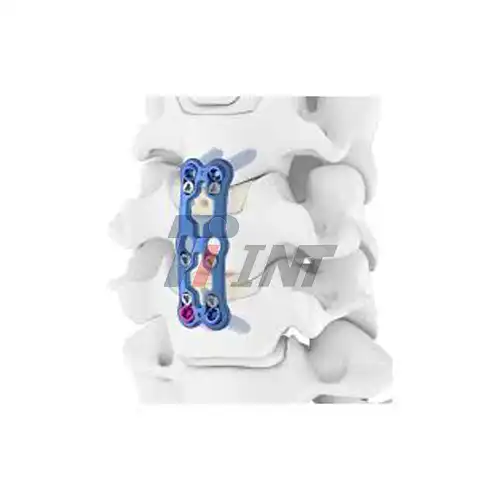
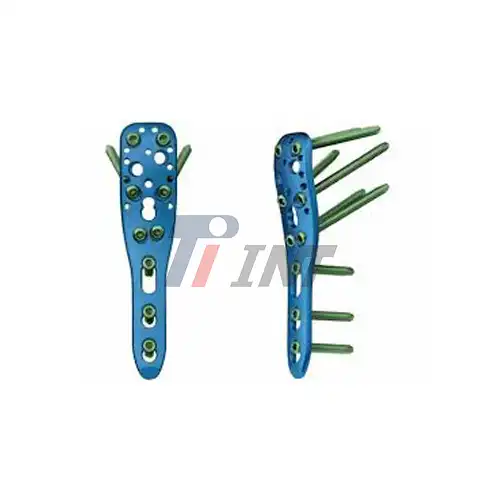
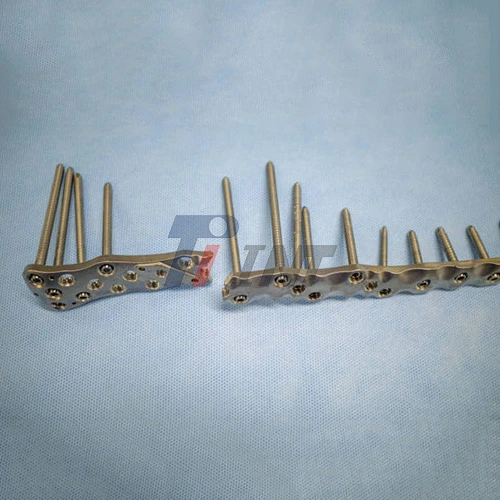
Titanium plates have revolutionized orthopedic surgery, offering a durable and biocompatible solution for stabilizing fractures. When it comes to wrist injuries, these plates can provide crucial support, allowing bones to heal in the correct position.
The use of a titanium plate in wrist surgery for children is not a decision taken lightly. Surgeons consider various factors, including:
- The type and severity of the fracture
- The child's age and growth potential
- The location of the injury in relation to growth plates
- The potential impact on future growth and function
Titanium plates offer several advantages in pediatric wrist surgery:
- Biocompatibility: Titanium is well-tolerated by the body, reducing the risk of adverse reactions
- Strength: These plates provide robust support for healing bones
- Durability: Titanium plates can withstand the stresses of daily activities and growth
- Low profile: Modern titanium plates are designed to be as unobtrusive as possible
However, it's crucial to note that not all wrist injuries in children require titanium plates. Many can heal successfully with less invasive treatments. The decision to use a titanium plate in wrist surgery is made on a case-by-case basis, always with the child's long-term health and function in mind.
Weighing the Pros and Cons: When Are Titanium Plates Necessary?
The decision to use a titanium plate in a child's wrist surgery is not one-size-fits-all. Orthopedic surgeons carefully weigh the benefits against potential risks, always aiming for the best long-term outcome for the young patient.
Scenarios where titanium plates might be considered include:
- Severely displaced fractures that can't be adequately realigned without surgery
- Unstable fractures that are likely to shift during the healing process
- Fractures involving the joint surface, which require precise alignment to prevent future arthritis
- Cases where there's a high risk of non-union (the bones not healing together properly)
However, there are also situations where alternative treatments might be preferred:
- For very young children with significant growth potential, surgeons might opt for techniques that don't involve hardware that could interfere with bone growth
- In cases of simple, stable fractures, conservative treatment with casting or splinting often suffices
- When the fracture is near a growth plate, surgeons may choose alternative fixation methods to avoid potential growth disturbances
It's worth noting that the field of orthopedic surgery is continuously evolving. New techniques and materials are being developed that may provide alternatives to traditional titanium plates in some cases. For instance, bioabsorbable implants, which dissolve over time, are being explored for certain pediatric fractures. The recovery process following titanium plate in wrist surgery requires patience and careful adherence to the surgeon's instructions. Physical therapy often plays a crucial role in restoring strength and range of motion to the wrist. The good news is that children generally heal quickly and adapt well, often returning to their normal activities faster than adults with similar injuries.
Remember, the goal of using a titanium plate in wrist surgery is not just to heal the immediate injury, but to ensure the best possible long-term function and quality of life for your child. With proper care and follow-up, most children who undergo this procedure go on to enjoy full use of their wrist with no long-term complications. As medical technology continues to advance, we can expect even more sophisticated and child-friendly solutions for treating pediatric wrist injuries. Until then, titanium plates remain a valuable tool in the orthopedic surgeon's arsenal, offering a reliable way to stabilize and heal complex wrist fractures in children when necessary.
Conclusion
While the prospect of your child needing a titanium plate for a wrist injury can be daunting, it's important to remember that this treatment option is only considered when it's truly necessary for optimal healing and long-term function. Modern orthopedic techniques and high-quality materials like those produced by companies such as Baoji INT Medical Titanium Co., Ltd. have made these procedures safer and more effective than ever before.
As a parent, the best thing you can do is to stay informed, ask questions, and work closely with your child's healthcare team to ensure the best possible outcome. Remember, every child and every injury is unique, and treatment decisions are made with your child's specific needs and long-term well-being in mind.
For more information about medical titanium products used in orthopedic surgeries, including titanium plate in wrist surgery, you can contact Baoji INT Medical Titanium Co., Ltd. at export@tiint.com. Their expertise in medical titanium materials can provide valuable insights into the products used in these life-changing procedures.
References
1. American Academy of Orthopaedic Surgeons. (2021). Wrist Fractures in Children.
2. Journal of Pediatric Orthopaedics. (2019). Management of Pediatric Distal Radius Fractures.
3. Orthopedic Clinics of North America. (2020). Pediatric Distal Radius and Forearm Fractures.
4. Journal of Hand Surgery. (2018). Titanium Plate Fixation for Unstable Distal Radius Fractures in Children.
5. Pediatric Radiology. (2017). Imaging of Wrist Injuries in Young Athletes.
_1753429871786.webp)
_1752818186472.webp)