



Compare Different Types of Medical Grade Titanium Alloys for Implants


 2026-03-23 12:47:44
When evaluating medical grade titanium alloys for implant applications, manufacturers must navigate a complex landscape of material specifications and performance characteristics. The ASTM F136 Ti6Al4V Titanium Medical Bar stands as the industry gold standard, offering superior biocompatibility and mechanical properties compared to commercially pure titanium grades. This comprehensive analysis explores how different titanium alloys—including ASTM F67, Ti6Al4V ELI, and specialized variants—perform across critical metrics such as fatigue resistance, corrosion protection, and regulatory compliance to help procurement professionals make informed material selection decisions.
|
|
|
Comprehending Medical Grade Titanium Alloys: ASTM F136 Ti6Al4V and Beyond
Medical grade titanium alloys are the best safe materials engineers can make. Each grade is made to meet specific performance needs in tough implant uses. Medical titanium can be broken down into a number of different groups, each with its own set of benefits for different surgery uses.
The Science Behind ASTM F136 Ti6Al4V Composition
ASTM F136 Ti6Al4V is made up of about 6% aluminum and 4% vanadium. This creates an alpha-beta phase structure that makes the material very strong for its weight. This carefully controlled mixture has tensile forces higher than 860 MPa while still being biocompatible, which is important for long-term implant success. The texture of the metal makes it very resistant to wear, which makes it perfect for load-bearing parts like spine bolts and hip stems. The aluminum makes it stronger and less dense, and the vanadium keeps the beta phase stable at room temperature. This mix makes mechanical qualities that are much better than those of widely pure titanium grades. This meets the strict needs of current implant design.
ASTM F67 Commercially Pure Titanium Characteristics
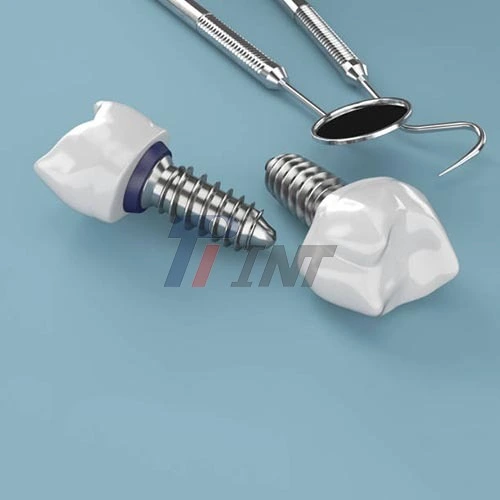
According to ASTM F67, there are four different types of commercially pure titanium, each with a different amount of oxygen and iron. Tensile forces of about 550 MPa are possible with Grade 4, which is the strongest pure titanium choice. Commercially pure titanium is less strong than Ti6Al4V alloys, but it is very good at resisting rust and is biocompatible enough to be used in tooth implants and heart devices. The material has a lower amount of flexibility, which makes it more like human bone. This could mean that it doesn't protect against stress as well in some situations. Because of this, ASTM F67 is very useful for implants where long-term security and bone fusion are very important.
Ti6Al4V ELI: Extra Low Interstitial Excellence
Extra Low Interstitial (ELI) Ti6Al4V alloy is a better form of the regular Ti6Al4V alloy with less carbon, nitrogen, and oxygen. This cleaning process makes ELI versions more flexible and better at handling tiredness, which makes them perfect for important uses like heart grafts and complicated prosthetic devices. The lower interstitial material makes the bone more resistant to breakage and increases its wear life, which allays worries about how long the implant will last. To keep the low interstitial levels, the melting and processing conditions must be carefully controlled during the manufacturing of ELI grades.
Technical Comparison of Titanium Medical Bars for Implant Applications
Understanding the performance differences between titanium alloy grades enables informed procurement decisions based on specific application requirements. The mechanical properties, corrosion resistance, and biocompatibility characteristics vary significantly across different titanium grades.
Mechanical Property Analysis and Performance Metrics
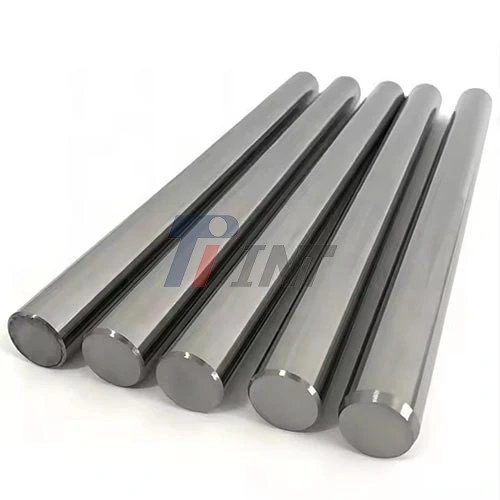
The mechanical qualities of the ASTM F136 Ti6Al4V Titanium Medical Bar are better than those of other materials. This metal has a yield strength close to 800 MPa and a final tensile strength over 860 MPa, which makes it strong enough for high-stress implant uses. Fatigue performance is an important thing to think about for the long-term success of an implant. Ti6Al4V alloys have failure strengths of about 600 MPa after 10 million cycles, which is a lot higher than the 300–400 MPa range that is usual for commercially pure titanium grades.
This higher resistance to tiredness immediately leads to longer-lasting implants and fewer surgeries to replace them. Ti6Al4V has an elastic value of about 110 GPa, which is between stainless steel and commercially pure titanium. This means that it is strong enough for most surgical uses while also being flexible enough to be used in other places.
Corrosion Resistance and Biocompatibility Factors
All titanium metals that are medical grade form a protective oxide layer that makes them very resistant to rusting in biological settings. The exact metal makeup, on the other hand, affects how stable and safe this oxide film is. Ti6Al4V metals are better at resisting rust than stainless steel alternatives, and they also have better dynamic qualities than pure titanium types. Testing for biocompatibility shows that both ASTM F136 and F67 types have very little inflammation and great osseointegration properties. Medical grade metals are carefully made so that possibly harmful elements stay below certain limits. This keeps the biocompatibility of the implant throughout its longer service life.
Application-Specific Performance Considerations
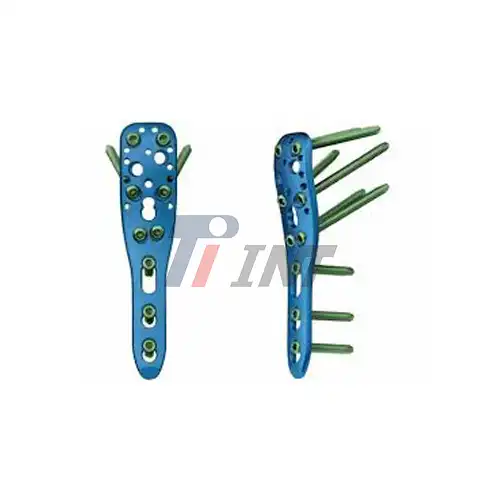
Different implant uses need different material properties, which affects the best metal choice. Ti6Al4V alloys are usually better for orthopedic uses because they are stronger. On the other hand, oral implants may work well with either Ti6Al4V or commercially pure titanium, based on the loading conditions. In cardiovascular uses, ELI grades are often needed because they have better wear performance and can handle the repetitive stress that comes from heart action. During the choosing process, both the current technical needs and the long-term bodily performance standards must be taken into account.
Procurement Considerations: Sourcing ASTM F136 Ti6Al4V Titanium Medical Bars
Strategic procurement of medical grade titanium requires careful evaluation of supplier capabilities, quality systems, and logistical considerations. The specialized nature of medical titanium manufacturing demands suppliers with extensive experience and robust quality management systems.
Supplier Evaluation and Certification Requirements
Getting titanium that works well starts with a careful evaluation of the provider, focused on how well they follow the rules and how mature their quality system is. As well as meeting material requirements like ASTM F136, suppliers must also keep up with ISO 13485:2016 medical device quality control approval. These certificates make sure that the qualities of the materials stay the same and that they can be tracked throughout the whole production process. Another important rating factor is the ability to produce.
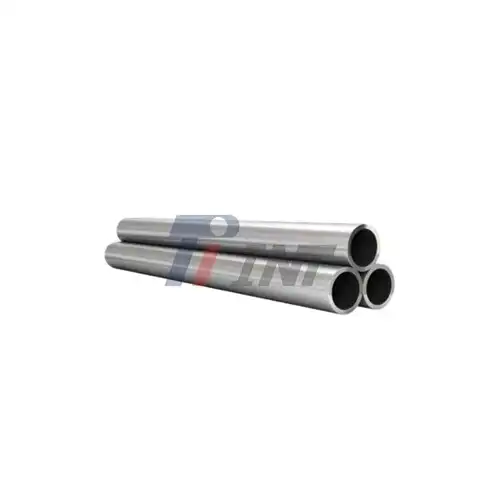
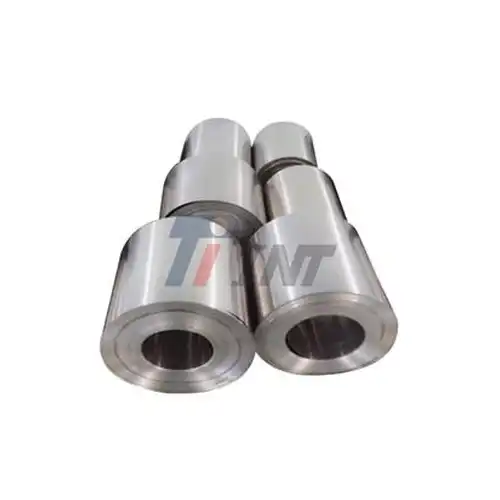
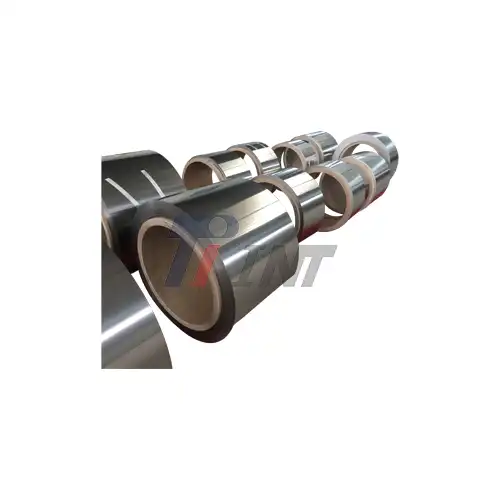
Suppliers should show that they know how to make different types of products, like bars, rods, plates, and unique shapes. Manufacturing freedom lets you adapt to changing needs for product creation and specific application needs. Comprehensive testing methods must be part of quality assurance processes. These tests must look at chemical makeup, mechanical properties, and surface features. From the time the raw materials are sourced to the time the finished product is delivered, documentation tools should make it possible to track all of the materials.
Cost Optimization and Volume Considerations
The price of medical grade titanium is based on how complex the processing has to be in order to get medical approval and uniform material qualities. The ASTM F136 Ti6Al4V Titanium Medical Bar usually costs more than industrial grade materials. This is because it has to meet strict quality standards and is made using special methods. Buying in bulk can have a big effect on the cost of materials, since sellers often offer different price levels based on how much you promise to buy each year.
Custom sizes and changes to specifications may cost more, but they can save money in the long run by cutting down on the need for extra processing. Long-term supply deals help keep prices stable and make sure that materials are available when demand is high. A lot of the time, these partnerships include rules for allocating capacity and giving jobs higher importance when supplies are low.
International Logistics and Lead Time Management
Global sourcing of medical titanium requires careful attention to shipping logistics and customs documentation. Proper material certificates and regulatory compliance documentation facilitate smooth customs clearance and reduce potential delays in critical supply chains. Lead times for medical grade titanium typically range from 4-12 weeks depending on material grade, specifications, and supplier capacity. Emergency supply capabilities should be evaluated during supplier selection to address unexpected demand spikes or supply disruptions.
Why ASTM F136 Ti6Al4V is the Preferred Choice for Medical Implant Manufacturers?
The widespread adoption of ASTM F136 Ti6Al4V across the medical device industry reflects its optimal balance of mechanical properties, biocompatibility, and manufacturing versatility. This alloy has established itself as the benchmark against which other medical titanium grades are evaluated.
Superior Mechanical Performance and Reliability
There is strong proof from clinical trials that Ti6Al4V metals work very well in tough implant uses. Long-term tests show that major joint replacements made from ASTM F136 materials have survival rates of over 95% at 15 years. The fact that this has been done before gives producers and medical teams trust. The wear resistance of the metal lets implant designs with smaller cross-sectional areas be made, which supports minimally invasive surgery methods while keeping the structure's integrity. This design freedom has led to improvements in device shape and surgery methods that are good for patients.
Regulatory Acceptance and Global Standards Compliance
ASTM F136 Ti6Al4V is widely approved by regulators in the world's most important markets. For example, it is FDA-approved in the US and meets CE marking requirements in Europe. This wide acceptance shortens the time it takes to make new products and lowers the legal risks for companies that make medical devices. The supply chain and production framework for ASTM F136 elements are well-established, which gives long-term product planning security and trust. Multiple approved providers make sure that prices are fair and that important applications have a safe supply chain.
Innovation and Future Development Trends
Ti6Al4V processing methods are still being improved through ongoing study, which makes the material better and opens up more uses for it. New methods of making things, like additive manufacturing, are making it possible to make complicated shapes that weren't possible with older methods of cutting. Surface modification technologies are improving how well Ti6Al4V metals integrate with bone while keeping their main functional benefits. These changes mean that clinical uses will continue to grow and patient results will get better.
How to Choose the Right Titanium Medical Bar for Your Implant Needs?
Selecting the optimal titanium alloy requires systematic evaluation of application requirements, performance criteria, and economic considerations. A structured approach ensures material selection aligns with both immediate needs and long-term strategic objectives.
Application-Specific Requirements Assessment
The first step in the decision process is a careful look at the stress conditions, external factors, and performance goals that are unique to each implant application. ASTM F136 Ti6Al4V Titanium Medical Bar is usually needed for load-bearing orthopedic implants because it is stronger. However, commercially pure titanium types may work well for less demanding uses. Implant design and production methods affect the choice of material. For example, some metal types are better at being machined, which could be helpful for complex forms. Along with the qualities of the base material, the surface finish needs and post-processing options should be looked at.
Quality Assurance and Testing Protocols
Comprehensive testing methods for materials make sure that all output runs work the same way. Verification of mechanical properties, chemical makeup analysis, and surface characteristics give trust in the quality of the material and make sure it meets regulations. Statistical process control methods help find patterns and changes in the features of materials, which makes quality management and efforts to keep getting better possible. Regular checks of suppliers make sure that they are still following the rules and requirements of the quality system and manufacturing standards.
Long-Term Partnership Development
Getting titanium requires strong relationships with suppliers based on a shared understanding of needs and abilities. Suppliers with knowledge in material science and production methods can help with specific application problems through collaborative development programs. Technical support services, such as help choosing materials, handling suggestions, and debugging, are very useful in addition to just supplying materials. As implant designs get more complex and efficiency standards keep going up, these services become more and more important.
Conclusion
The comparison of medical grade titanium alloys reveals ASTM F136 Ti6Al4V as the optimal choice for demanding implant applications requiring superior mechanical properties and proven clinical performance. While commercially pure titanium grades offer excellent biocompatibility for specific applications, the enhanced strength and fatigue resistance of Ti6Al4V alloys make them indispensable for load-bearing orthopedic and cardiovascular implants. Successful procurement requires careful supplier evaluation, quality system verification, and strategic partnership development to ensure consistent material quality and supply security. The ASTM F136 Ti6Al4V Titanium Medical Bar continues to set industry standards for implant materials, supported by extensive clinical evidence and broad regulatory acceptance across global markets.
FAQ
What makes ASTM F136 Ti6Al4V different from other titanium grades?
ASTM F136 Ti6Al4V contains 6% aluminum and 4% vanadium, creating superior mechanical properties compared to commercially pure titanium. This composition delivers tensile strengths exceeding 860 MPa and enhanced fatigue resistance, making it ideal for load-bearing implant applications where durability and strength are critical.
How do I verify the quality of medical grade titanium suppliers?
Verify suppliers maintain ISO 13485:2016 certification and ASTM F136 compliance documentation. Request material certificates showing chemical composition, mechanical properties, and traceability records. Conduct supplier audits to assess quality systems, testing capabilities, and manufacturing processes before establishing supply relationships.
What are the typical lead times for ASTM F136 titanium medical bars?
Standard lead times range from 4-12 weeks depending on specifications, quantities, and supplier capacity. Custom sizing or special processing requirements may extend delivery schedules. Establishing long-term supply agreements with qualified suppliers helps ensure priority scheduling and reduced lead times for critical applications.
Can ASTM F136 Ti6Al4V be used for all types of medical implants?
While ASTM F136 Ti6Al4V excels in orthopedic and load-bearing applications, material selection should consider specific implant requirements. Dental implants may perform well with either Ti6Al4V or commercially pure titanium, while cardiovascular applications often benefit from ELI (Extra Low Interstitial) variants for enhanced fatigue performance.
What testing is required to validate medical grade titanium materials?
Comprehensive testing includes chemical composition analysis, mechanical property verification (tensile strength, yield strength, elongation), surface finish measurement, and biocompatibility assessment. Documentation should include material certificates, test reports, and complete traceability records from raw material sourcing through final processing.
How does pricing compare between different medical grade titanium alloys?
ASTM F136 Ti6Al4V typically commands premium pricing compared to commercially pure titanium grades due to more complex processing requirements and enhanced performance characteristics. Volume purchasing, long-term contracts, and custom sizing options can optimize overall material costs while ensuring consistent quality and supply availability.
Partner with Baoji INT Medical Titanium Co., Ltd. for Superior ASTM F136 Ti6Al4V Solutions
Baoji INT Medical Titanium Co., Ltd. stands as your trusted ASTM F136 Ti6Al4V Titanium Medical Bar manufacturer with over 30 years of titanium industry expertise and ISO 13485:2016 certification. Our comprehensive product portfolio includes medical grade titanium bars, rods, plates, and custom forged components engineered to meet the most demanding implant applications. With complete traceability documentation, technical support services, and proven OEM capabilities, we deliver consistent quality and reliable supply chain solutions for medical device manufacturers worldwide. Contact our technical team at export@tiint.com to discuss your specific material requirements and discover how our ASTM F136 Ti6Al4V Titanium Medical Bar solutions can enhance your implant manufacturing capabilities.
References
1. Davis, J.R., "Titanium and Titanium Alloys for Medical Applications," ASM International Handbook of Materials for Medical Devices, 2009.
2. Brunette, D.M., Tengvall, P., Textor, M., and Thomsen, P., "Titanium in Medicine: Material Science, Surface Science, Engineering, Biological Responses and Medical Applications," Springer-Verlag Berlin Heidelberg, 2001.
3. American Society for Testing and Materials, "ASTM F136-13 Standard Specification for Wrought Titanium-6Aluminum-4Vanadium ELI (Extra Low Interstitial) Alloy for Surgical Implant Applications," ASTM International, 2013.
4. Rack, H.J. and Qazi, J.I., "Titanium Alloys for Biomedical Applications," Materials Science and Engineering C, Journal of Biomaterials Applications, Volume 26, 2006.
5. Niinomi, M., "Mechanical Properties of Biomedical Titanium Alloys," Materials Science and Engineering A, International Journal of Materials Research and Advanced Techniques, 2008.
6. Steinemann, S.G., "Titanium - The Material of Choice for Implants in Clinical Dentistry and Orthopedic Surgery," Advances in Engineering Materials and Their Applications, International Conference Proceedings, 2007.
_1750923514395.webp)
_1753927576158.png)
_1749191822714.webp)
_1749191401740.webp)