

What Is Gr23 Medical Titanium Bar Used For?


 2026-03-24 08:42:56
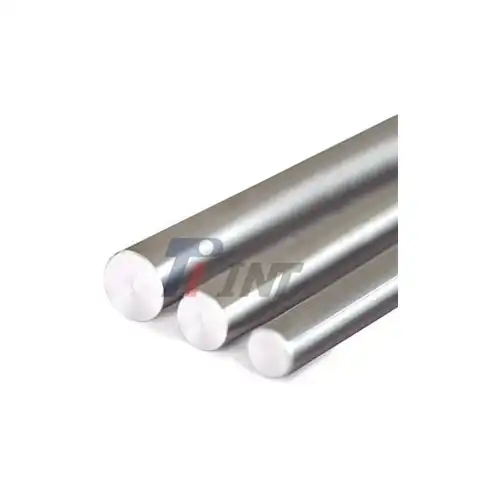
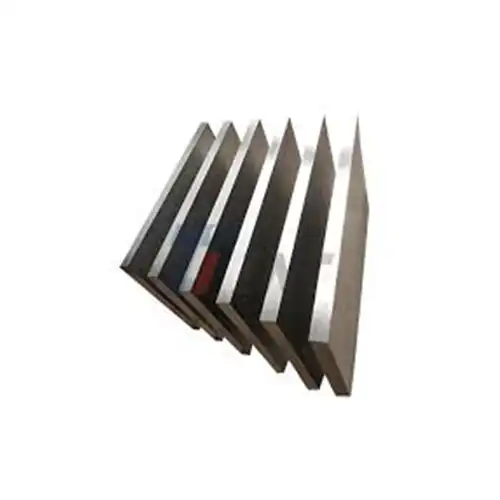
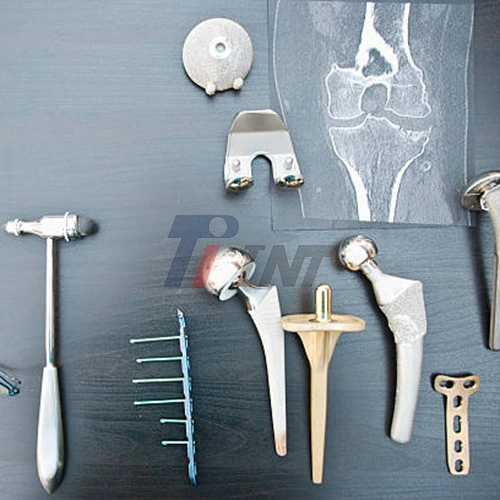
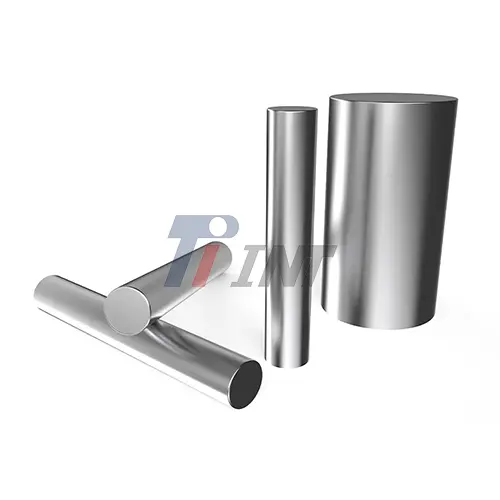
Gr23 Medical Titanium Bar is a high-purity, Extra Low Interstitial (ELI) variant of Ti-6Al-4V alloy specifically engineered for critical biomedical applications. This advanced material serves as the backbone for orthopedic implants, dental prosthetics, surgical instruments, and complex medical devices. With its exceptional biocompatibility, superior fracture toughness, and MRI-safe properties, Gr23 titanium bars address the most demanding requirements in modern healthcare manufacturing, providing medical device manufacturers with a reliable solution for life-critical applications.
|
|
|
Introduction
Medical device makers face problems that have never been seen before when they try to make goods that are safe, long-lasting, and biocompatible with the body's tough environment. The best material for meeting these complicated needs is now Gr23 Medical Titanium Bar, which is officially known as Ti-6Al-4V ELI (Extra Low Interstitial). This advanced titanium alloy is perfect for implants, surgery tools, and other precision medical parts because it is biocompatible and has excellent mechanical qualities.
As the medical field moves toward more advanced treatments and implants that last longer, there is an urgent need for materials that will work reliably for decades. Unlike most industrial titanium grades, Gr23 material is designed to solve specific problems in the industry, such as the release of harmful ions, fatigue failure under repeated biological loading, and the critical stress shielding problem in orthopedics. More and more, companies that make medical devices, work on research and development, and buy things depend on this material to meet strict FDA, ISO, and CE approval standards while keeping production costs low.
Understanding Gr23 Medical Titanium Bar: Properties and Standards
Chemical Composition and Purity Requirements
The chemical makeup of Gr23 titanium metal has been carefully controlled, and there are fewer flaws between the particles. The alloy keeps the amount of aluminum between 5.5 and 6.5% and the amount of vanadium between 3.5 and 4.5%, and it tightly limits the amount of harmful intermediate elements. It still has less than 0.13% oxygen, less than 0.25% iron, less than 0.08% carbon, and less than 0.05% nitrogen. These strict purity requirements set Gr23 apart from regular Grade 5 titanium. This makes it much more flexible and difficult to break, which is important for medical uses.
Mechanical Performance Characteristics
This material's Ultimate Tensile Strength is at least 860 MPa (125 ksi), and its Yield Strength is more than 795 MPa (115 ksi). Both of these strengths are above and beyond what is required by the business. The material has great elongation qualities, with at least 10% elongation and 25% decrease of area. This makes it more resistant to damage than regular titanium alloys. The elastic modulus of about 110–113 GPa is very close to the qualities of human bone. This successfully stops the stress shielding effect that can cause bone loss around implants.
International Standards and Certifications
Medical grade titanium bars have to meet strict international standards, such as ASTM F136 for surgery implants and ISO 5832-3 for materials that can be implanted. These certificates make sure that the material meets strict standards for chemical composition, biocompatibility, and mechanical qualities. The alpha-beta microstructure needs to stay fine and uniform, without any harmful continuous alpha-case networks that might make it less effective in biological settings.
Comparison of Gr23 Titanium Alloy With Other Medical Materials
Gr23 vs. Standard Titanium Grades
When looking at titanium choices for medical uses, the difference between Gr23 and other types is very important for making decisions about what to buy. Standard Grade 5 titanium has good mechanical qualities, but it has higher levels of intermediate elements that can make it less biocompatible and less resistant to breaking. Pure titanium grade 2 is very resistant to rust, but it is not strong enough to be used for load-bearing implants. This is where Gr23 Medical Titanium Bar comes in. It combines the biocompatibility benefits of pure titanium with the strong properties needed for tough orthopedic uses.
Better health results are directly linked to the higher purity of Gr23 material. Because there is less oxygen and iron in the material, it is much harder to break and more flexible. This makes it less likely that cracks will spread in wet areas like body fluids. This better performance is especially useful in situations where the load changes over time, like hip and knee implants that have to withstand millions of stress cycles over the course of their life.
Comparison with Stainless Steel and Cobalt-Chrome
When compared to modern titanium types, traditional medical materials like 316L stainless steel and cobalt-chrome alloys have a lot of problems. Even though stainless steel is cheap, it doesn't hold up well against rust and fatigue in biological settings and can cause allergic reactions in people who are sensitive. Cobalt-chrome metals are very resistant to wear, but they have much higher elastic modulus values, which can cause problems with stress buffering.
Gr23 titanium is better at resisting corrosion than other materials made of stainless steel. It doesn't show any pitting or crevice corrosion in physiologically salty settings. The bio-inert surface oxide layer of the material stops immune rejection and actively encourages osseointegration, the important process by which bone tissue joins with implant surfaces. These benefits usually make up for the higher cost of the materials at first because they lead to better long-term performance and fewer surgeries that need to be redone.
Practical Applications of Gr23 Medical Titanium Bars
Orthopedic Implant Manufacturing
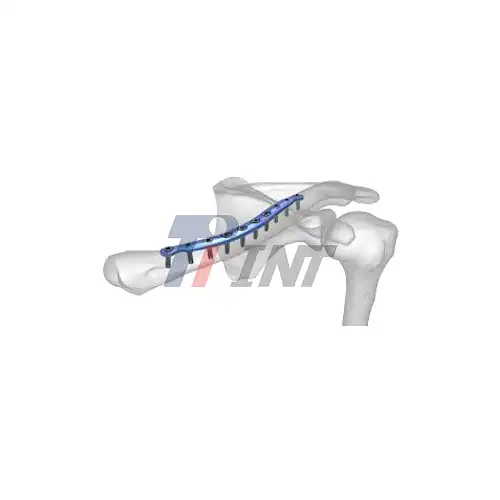
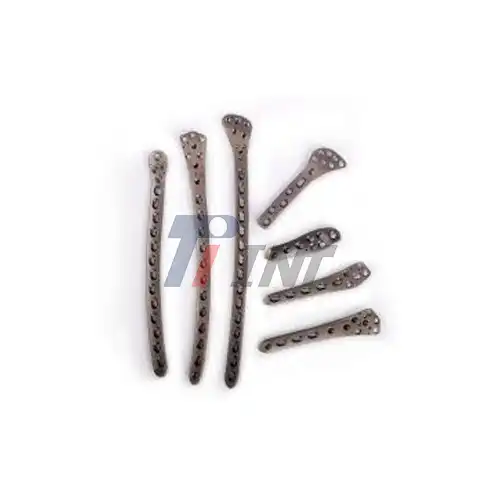
The biggest market for medical grade titanium bars is the orthopedics industry. Hip stems, knee components, spinal rods, and trauma fixation plates all need the special mix of qualities that Gr23 material offers. Hip implant makers like this material a lot because it closely matches the elastic elasticity of bone. This means that there is less stress buffering, which can cause bone loss around implants. The high fracture toughness makes sure that these important parts can handle the complex force patterns that happen when a patient is doing normal activities.
The material is very good at resisting wear under repeated loading conditions, which makes it useful for spinal fusion devices and fracture plates. Spine doctors depend on these implants to keep their shape over many years of use while the body's normal healing processes take place. The biocompatibility of Gr23 material helps the body heal by reducing inflammation reactions and encouraging healthy tissue integration.
Dental and Maxillofacial Applications
More and more dental implant companies are using this advanced type of titanium for root form implants, abutments, and complex prosthetic frames. The osseointegration qualities of the material are especially useful in dental uses where fast bone bonding is needed for instant loading protocols. Oral and oral doctors like that the material works with modern imaging methods because it is non-ferromagnetic, which means it doesn't show up as magnetic during MRI scans.
Surgical Instrument Production
Engineers who make precision surgical tools out of Gr23 Medical Titanium Bar find that these instruments work better than regular stainless steel ones. The material is very resistant to rust, so tools stay accurate and look good even after being sterilized many times. The fact that the material isn't magnetic makes neurosurgical tools much better because there are no worries about magnetic field interactions during treatments.
Emerging Applications and Advanced Manufacturing
Because Gr23 can be used with additive manufacturing, it has made it possible to make devices that are specific to each patient and shapes that were previously difficult to make. 3D printing technologies allow manufacturers to create custom implants tailored to individual patient anatomy while maintaining the superior material properties that medical applications demand. This feature comes in handy for repeat surgeries and complicated body repairs where standard implant designs might not give the best fit.
Procuring Gr23 Medical Titanium Bars: What You Need to Know?
Supplier Selection and Certification Requirements
To buy medical-grade titanium successfully, you must first find sellers who have the right certifications and quality processes in place. To be qualified, providers must show that they follow the ISO 13485 standards for managing the quality of medical devices and keep their NADCAP approval for special processes like testing and heat treatment. Professionals in charge of buying things should demand EN 10204 3.1 Material Test Reports (MTR) that say the product meets ASTM F136 standards, along with proof that it has been certified for ultrasonic testing to Level A standards.
The provider must be able to do more than just make materials. They must also be able to do fine machining, heat treatment, and surface finishing. Medical device makers are looking for providers who can offer full solutions rather than having to work with multiple vendors for different steps of the process. Long-term relationships with certified sellers have benefits, such as giving you priority when you need materials and working together to create new uses.
Pricing Structures and Lead Time Considerations
Knowing how the price of medical grade titanium changes over time helps procurement teams make budgets and supply plans that are more realistic. The price of raw materials changes depending on where in the world you can find titanium and how hard it is to work with. Medical types cost more because they have to meet strict quality standards. Buying in bulk can save you a lot of money, but buying teams have to weigh the costs of keeping goods against the fact that prices can change a lot.
The lead time for Gr23 Medical Titanium Bar is usually between 8 and 16 weeks, but it depends on the supplier's ability and the needs of the specification. Custom specs or processing may make shipping times longer, so it's important to plan purchases early on in order to keep production schedules on track. Setting up framework deals with qualified sellers can cut down on lead times for repeat orders and make sure that materials are always available.
Quality Verification and Documentation
Medical device makers need to have strict incoming checking processes in place to make sure that materials meet all requirements and standards. Some important checks are analyzing the chemical makeup, trying the mechanical properties, and looking at the microstructure. Suppliers should give full tracking paperwork that connects produced goods to where the raw materials came from and how they were processed.
Ensuring Quality and Reliability in Gr23 Medical Titanium Bars
Certification and Standards Compliance
To make sure the quality of medical-grade titanium, all of the supplier's certificates and production methods must be carefully looked over. The supplier's ISO 13485 certification shows that they are dedicated to medical device quality management, and ASTM F136 compliance makes sure that the material features meet the needs of surgery implants. Suppliers that want to do business in the US may need to be registered with the FDA. This would add another level of government control to the qualification process.
Regular checks of suppliers help make sure that quality standards are still being met and find ways to make things better. The evaluations should look at the ways things are made, how they are checked for quality, and how they are documented. Long-term relationships with suppliers that show they are committed to continuous growth and investing in new manufacturing technologies are often more reliable.
Testing and Quality Control Procedures
Thorough testing plans make sure that every batch of material meets the strict standards for medical devices. ASTM guidelines say that tensile strength, yield strength, elongation, and reduction of area must be checked through mechanical tests. Corrosion tests in places that mimic body fluids proves that the material won't break down in living settings.
Using metallographic study and scanning electron microscopy for microstructural analysis helps find possible flaws or errors that could affect performance. Ultrasonic screening and other non-destructive testing methods can find flaws inside a thing that might not be obvious to the naked eye. These quality control steps give medical programs that save lives the security they need.
Supplier Relationship Management
Building strong ties with qualified providers gives you a competitive edge through better communication, faster service, and working together to solve problems. Suppliers can better understand what customers want and make solutions that fit specific needs when they work together on a long-term basis. Reviewing work on a regular basis helps keep standards high and find ways to improve.
To have good relationships with suppliers, you need to be able to clearly explain your technical needs, delivery dates, and quality standards. Reviewing your business on a regular basis gives you a chance to talk about market trends, new technologies, and possible ways to cut costs. When suppliers show they are reliable, have the right skills, and want to keep getting better, they stop being just material suppliers and become useful strategic partners.
Conclusion
Gr23 Medical Titanium Bar is the best choice for companies that make medical devices that need high biocompatibility, mechanical performance, and dependability over the long term. This high-tech material meets the tough requirements of current healthcare uses and gives patients the safety and durability they deserve. Medical device companies can use the unique benefits of Gr23 titanium to make new goods that help patients and advance medical technology. To do this, they need to carefully choose their suppliers, keep an eye on quality, and plan their purchases in a smart way.
FAQ
What makes Gr23 different from standard titanium grades?
Compared to normal Grade 5 titanium, Gr23 titanium has a lot less intermediate elements, especially oxygen and iron. This higher purity gives it better biocompatibility, fracture toughness, and flexibility, all of which are important for medical implant uses. The name "Extra Low Interstitial" makes it clear that these possibly harmful parts are limited very strictly.
Which certifications should I require when purchasing medical grade titanium?
Always ask for EN 10204 3.1 Material Test Reports that say they meet ASTM F136 standards and for the seller to have ISO 13485 and NADCAP approval. These papers make sure that the material meets the needs of medical devices and that the seller has the right quality control systems in place.
Is Gr23 titanium compatible with MRI imaging?
Yes, Gr23 titanium is safe for people getting MRI scans because it is neither ferromagnetic nor paramagnetic. The substance doesn't respond to magnetic fields and doesn't cause many imaging artifacts, so it's easy to see the cells around it.
How does the fatigue performance compare to other medical materials?
Gr23 Medical Titanium Bar offers superior high-cycle fatigue strength with approximately 500-600 MPa endurance limit and excellent corrosion fatigue resistance in biological environments. This performance significantly exceeds 316L stainless steel, which is prone to fatigue failure over extended periods in body fluid environments.
What machining considerations apply to Gr23 titanium?
Because Gr23 doesn't conduct heat well, heat builds up at the cutting edges, which means you need high-pressure cooling systems and sharp carbide tools. Rigid machine sets stop work hardening and surface galling from happening while parts are being made. The best surface finish and accurate measurements are achieved by using the right cutting settings and tools.
Partner with Baoji INT Medical Titanium Co., Ltd. for Premium Gr23 Solutions
Baoji INT Medical Titanium Co., Ltd. has been making medical-grade titanium products for more than 20 years and can provide approved Gr23 Medical Titanium Bar options that meet the most stringent biomedical needs. Our thorough quality control systems, which include ISO 13485:2016 approval and EU CE compliance, make sure that all of our products meet the highest standards for medical devices around the world. As a trusted Gr23 Medical Titanium Bar supplier, we offer complete technical support, customized specs, and dependable shipping schedules that keep your production on track. Contact our technical team at export@tiint.com to talk about your unique needs and find out how our advanced production can help your projects to make medical devices.
References
1. American Society for Testing and Materials. "ASTM F136-13 Standard Specification for Wrought Titanium-6Aluminum-4Vanadium ELI Alloy for Surgical Implant Applications." ASTM International, 2013.
2. International Organization for Standardization. "ISO 5832-3:2016 Implants for Surgery - Metallic Materials - Part 3: Wrought Titanium 6-Aluminum 4-Vanadium Alloy." ISO Standards, 2016.
3. Rack, Henry J., and Quesnel, Jean M. "Titanium Alloys for Biomedical Applications." Materials Science and Engineering C, vol. 26, no. 8, 2006, pp. 1269-1277.
4. Niinomi, Mitsuo. "Mechanical Properties of Biomedical Titanium Alloys." Materials Science and Engineering A, vol. 243, no. 1-2, 1998, pp. 231-236.
5. Peters, Manfred, et al. "Titanium Alloys for Aerospace and Medical Applications." Advanced Engineering Materials, vol. 5, no. 6, 2003, pp. 419-427.
6. Williams, David F. "Titanium for Medical Applications." Biomedical Materials Engineering: Principles and Applications, CRC Press, 2009, pp. 13-24.
_1752820927376.webp)
_1750668405487.webp)
_1750663715751.webp)
_1750210148763.webp)