Dental Bars for Implants: Simple Answers to a Stable Smile


 2026-07-07 08:20:43
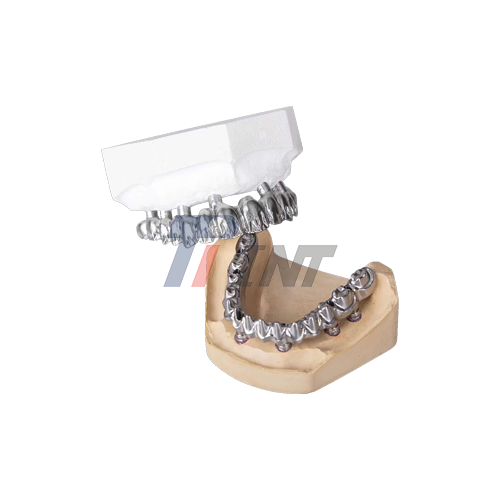
Titanium bar dental implants provide an engineering answer that combines biological integration with mechanical stability when patients need full-arch repair or support across multiple lost teeth. These medical-grade titanium devices join each implant post, spreading eating forces out evenly and stopping stress buildup that can cause implants to fail. When the bar is put under the false teeth, it makes them stable. This turns an unstable denture into a set, confident smile. This method has become the standard for complicated oral therapy because it gives both dentists and patients reliable results.
|
|
|
Understanding Titanium Bar Dental Implants: Key Benefits and Applications
What Makes Titanium Bars Essential in Modern Implantology
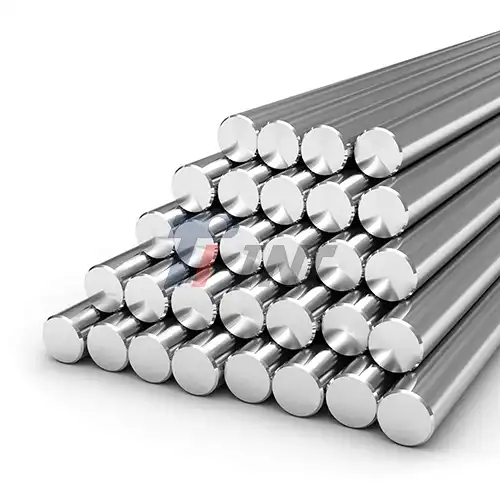
The structure of modern implant methods like All-on-4 and All-on-6 replacements is held together by titanium bar systems. Medical-grade titanium alloys, especially Ti-6Al-4V or Ti-6Al-4V ELI (Extra Low Interstitials), are used to precisely mill these bars. They are made to meet ASTM F136 and ISO 5832-3 standards. The bar holds several implants in place, repairing any angle differences between them and making what dentists call a "passive fit" that stops tiny movements that could hurt osseointegration.
The design solves a number of therapeutic problems. Up to 800 Newtons of force focus on the back teeth when a patient bites down. If this stress isn't spread out properly, it can lead to bone loss around individual devices. These loads are spread out across all linked implants by a titanium bar. This lowers the leverage effect that makes distal extensions fail. This mechanical edge makes implants last a lot longer than ones that aren't splinted.
Clinical Applications Across Patient Profiles
Titanium bar frames are often used on people who have lost a lot of bone and can't hold a standard bridge. The bar can go farther between implants without needing an implant to hold it up at each tooth spot. Because of this, prosthodontists can use the bone structure that already exists instead of having to do a lot of bonding work.
Another important use is for removable overdentures. Attachment systems, such as Hader clips or Dolder bars, link to the titanium framework of titanium bar dental implants. This gives patients the comfort of knowing that the implant will stay in place while also making it easy to clean. Hybrid dentures are set options that patients treat like real teeth because they are forever attached to the bar. Both methods depend on the bar's ability to stay in place while daily practical demands are put on it.
Material Properties That Drive Performance
Titanium is still the only material that can be used in dentistry that is biocompatible. The substance forms a solid oxide layer that fuses directly with bone tissue through osseointegration, a biological process that connects the implant to the jawbone and makes the structure of the jawbone continuous with the implant. This bioinert quality lowers the chances of rejection and inflammation reactions that happen with other metal alloys.
Pay close attention to the strength-to-weight ratio. Titanium is 60% lighter than cobalt-chromium metals, which are usually used in dentistry frames. It has a density of about 4.43 g/cm³. Patients notice this difference right away: devices that are lighter make it easier on the jaw and lessen pain after long periods of use. To make up for their lighter weight, titanium alloy bars have tensile strengths of more than 900 MPa, which means they can hold up against years of chewing.
Long-term stability is ensured by corrosion resistance in the mouth, where pH changes, bacterial waste, and enzyme activity are always putting pressure on the material's integrity. Titanium keeps its tensile qualities even after decades of being exposed to these conditions, which protects both the artificial investment and the living cells around it.
Titanium Bar Dental Implants vs. Alternative Solutions: Making a Smart Procurement Choice
Comparing Material Options in Implant Systems
Zirconia has become popular as a "metal-free" option, appealing to people who are worried about seeing metal or who are immune to it. Zirconia is a white material that fits in well with gum tissue, which makes it look better. However, it is very different from other materials used in bars. Because zirconia breaks easily under tension stress, it can't be used for long-span structures that need to be strong in a bending direction. When compared to titanium bars, zirconia bars are much more likely to break, especially in people who have parafunctional habits like bruxism.
The structural problems with ceramic implant materials are similar. When clay bars are made, tiny flaws are introduced during the process that cause them to break when they are loaded and unloaded over and over again. Titanium's flexibility means that it can slightly bend under stress without breaking completely. This gives it a safety gap that ceramics that are easily broken can't match. This technical forgiveness means that the product will last longer and need fewer fixes in the event of an accident.
Cost-Benefit Analysis for Procurement Managers
When looking at the total cost of ownership for titanium bar dental implants, titanium bars are a better deal, even though they may cost more to buy at first. Because the material is resistant to wear, it can be used for much longer periods of time before it needs to be replaced. Often, it can last for 15–20 years instead of 5–8 years for other materials. This makes the items last longer, which lowers the cost of replacing them and keeps hospital processes running smoothly.
Titanium's ability to be machined is another cost benefit. CNC cutting centers can work with titanium bars and keep the dimensions and tool wear accurate. This regularity lowers the amount of scrap that is made and makes sure that the end frames have better standards. The relaxed fit that results cuts down on chair time during delivery visits, which helps dental offices and labs get more work done.
Reliability of suppliers plays a big role in purchasing choices. Well-known companies that make titanium bars have strict quality control systems that are approved by ISO 13485:2016 medical device standards. This legal compliance makes it possible to track down documents, which meets audit standards and lowers the risk of responsibility. Newer materials don't have as much manufacturing knowledge or long-term health data, which adds a risk to the buying process that smart supply chain managers try to avoid.
Procurement Insights: How to Source High-Quality Titanium Bar Dental Implants?
Evaluating Supplier Qualifications and Certifications
People who work in procurement need to make sure that sellers of titanium bars have up-to-date ISO 9001:2015 and ISO 13485:2016 certifications. These quality control systems make sure that production methods are always the same, that materials can be tracked, and that there are clear rules for fixing problems so that bad batches don't get to hospital settings. EU CE stamp and FDA registration are two more ways to prove that materials meet the rules for classifying medical devices.
Specifications for materials need to be carefully thought out. Grade 23 titanium (Ti-6Al-4V ELI) has a very low interstitial content, which makes it more flexible and resistant to wear than Grade 5 metal. This difference is important in high-stress situations where material fatigue affects how long an implant lasts. To make sure the material is real, ask for mill test results that list the chemical makeup, mechanical qualities, and heat treatment procedures.
Tolerances in dimensions have a direct effect on clinical results. For inactive frames, bars that are made to h8 or h9 spec grades keep the tight fits that are needed. Suppliers should show that they can handle the process at these high levels of accuracy through capability studies. This quality control stops the tiny gaps that cause screws to come loose and the frame to become unstable.
Understanding Supply Chain Dynamics
Lead times vary a lot depending on how customized the product needs to be. Standard bar blanks usually ship between 2 and 4 weeks, but custom-milled frames need 6 to 8 weeks for CAD/CAM processing and quality checks. Especially for high-volume OEM deals, procurement managers should set safety stock levels that take these deadlines into account.
Pricing systems for titanium bar dental implants are affected by minimum order numbers. When you buy uniform bar stock in bulk instead of small lots, you save 15 to 25 percent on the price. But if tailoring is needed, smaller numbers may be needed to account for differences in design. To find a good balance between standards and freedom, buying teams and R&D groups need to work together to find common specs that can be used for more than one product line.
The ability to provide technical help is what sets great providers apart from average ones. Having access to metallurgy engineers, machine experts, and regulatory consultants is very helpful, even if you only offer raw materials. These tools help solve production problems, make working factors more efficient, and keep safety records up to date. These are the kinds of services that make expensive provider relationships worth it.
The Titanium Bar Dental Implant Procedure: Step-by-Step Guide for Clinical Success
Pre-Surgical Planning and Material Selection
Full medical testing is the first step to good results. Cone beam computed tomography (CBCT) pictures show how dense the bone is, where structural landmarks are, and how much room there is for an implant. This information is fed into surgery planning software, which figures out where the implants should go and what shape bars are needed to connect them. Picking the right bar cross-section and length now keeps things from going wrong during the arrival of the prosthesis.
Biocompatibility testing with titanium rarely shows problems, but people who are known to be sensitive to metals should be screened more thoroughly. Before committing to surgery, lymphocyte change tests can find a few cases of titanium hypersensitivity. Even though this measure isn't used very often, it guards both patient safety and medicolegal interests.
Surgical Integration and Framework Placement
There are steps to the surgery phase. Implants are put in place exactly where they were supposed to go, and healing abutments are linked to help soft tissue grow around them. Osteointegration can fully develop during a repair time of 3 to 6 months before the bar is connected. Because adding implants too soon can cause them to fail, this waiting time can't be changed, even if the patient is eager for the final repair.
Making the bar usually happens after the implant has been put in. When digital impression systems take pictures of exactly where implants should go, they send that information to grinding centers. There, titanium bars are made to fit the actual positions, not the positions that were planned. This method allows for small differences between the planned surgery and the real placement, making sure the passive fit that is so important for long-term support.
Post-Operative Care and Maintenance Protocols
When teaching patients about cleanliness, different rules are stressed from natural tooth care. Interdental brushes and water flossers can get to places where food gets stuck between teeth. Professional maintenance visits every three to six months let doctors check the torque of the screws, check the health of the soft tissues, and remove calculus buildup that patients can't get to on their own.
To check for technical problems, you have to look at how tight the screws are and how the teeth are wearing. Loose bridge nuts are an early sign that the passive fit isn't good enough or that there are too many dental forces. If you take care of these problems right away, you can avoid more major breaks or implant loss. This strategic method to servicing makes the most of the money spent on titanium bar systems.
Why Choose Titanium Bar Dental Implants: Practical Considerations and Future Trends
Advantages Over Traditional Prosthetic Solutions
Traditional dentures rest on soft tissue, which creates pressure spots that hurt and break down bone over time. Patients with this condition feel less confident in social situations and can only eat soft foods because they have to move around so much while they chew. Titanium bar dental implants get rid of these issues by attaching directly to bone-integrated implants, which makes them as stable as real tooth bases.
When people switch from regular dentures to implant-supported options, their quality of life improves significantly, according to the patients. When the device doesn't move while you talk, your speech is clearer. Because palate covering is no longer needed, taste awareness goes up. These practical benefits are paired with psychological effects that make people smile more and act more easily at work and in social situations.
Emerging Technologies Enhancing Performance
Surface change technologies keep making titanium bars work better. Bioactive coats and microtextured surfaces speed up osseointegration and increase the percentage of bone that contacts the implant. These new technologies shorten the time it takes to heal and make the restoration more stable when the bone is weak. This means that more people can get bar-supported restorations.
Adding digital workflow makes the process of going from analysis to delivery faster. Intraoral scanners get rid of the need for impression materials, and CAD/CAM systems make frames with a level of accuracy that has never been seen before. With additive manufacturing (3D printing), titanium bars can now be made with internal grid patterns that make them stronger while also making them lighter. These methods cut down on production costs and speed up the process, which is good for both patients and hospitals.
Scientists studying materials are looking into beta-titanium metals that have smaller elastic moduli and have qualities that are more like bone. This mechanical fit might lower the stress buffering effects that make bone change shape around harder standard implants. Even though these next-generation materials are still being worked on, they show how implant technology is always changing to become more like living things.
Conclusion
Titanium bar dental implants are where material science, engineering accuracy, and biology interaction come together. They are very important in current full-arch therapy because they spread out biting forces, fix implant angulation, and provide long-term support. Because it is biocompatible, doesn't rust, and has a good strength-to-weight ratio, this material regularly delivers better therapeutic results than other materials. As digital processes and surface technologies keep getting better, titanium bars will still be an important part of implant dentistry. They give patients safe, comfortable smiles and give dentists options they can count on.
FAQ
Q1: What exactly is a titanium bar in dental implant systems?
A: In dentistry, a titanium bar is a precision-engineered frame made from medical-grade titanium alloy that holds several tooth implants together. This framework holds the implants together so that eating forces are spread out properly and the false teeth have a stable base. The bar fixes changes in angle between implant sites and makes the passive fit needed to keep the bone-implant contact from being stressed mechanically, which is important for the long-term life of the implant.
Q2: How does titanium compare to ceramic materials for dental bars?
A: Titanium always works better than ceramic and zirconia options in tooth bar uses. Although ceramics look nice because they are white, they are brittle, which makes them more likely to break when chewed on over and over again. Titanium is very flexible, so it can be slightly bent without breaking completely. This gives it technical forgiveness, which increases its service life. Titanium is also better at resisting wear than ceramics. It can hold its shape through millions of loading cycles that would break down ceramics.
Q3: What certifications should I verify when sourcing titanium dental bars?
A: People who work in procurement should make sure that sellers have ISO 13485:2016 medical device certifications and ISO 9001:2015 quality management certifications. EU CE stamp and FDA approval are two more forms of governmental validation. Ask for proof that the material meets the requirements of ASTM F136 or ISO 5832-3, as well as mill test results that prove the material's chemical make-up and mechanical features. These certificates protect the quality of your product and make sure you follow the rules for production accuracy and material tracking.
Partner With Baoji INT Medical Titanium for Superior Titanium Bar Dental Implants
Baoji INT Medical Titanium Co., Ltd. has been in the titanium business for more than 30 years and can help medical device makers find trusted, high-performance materials. Our medical-grade titanium alloy bars, such as Ti-6Al-4V and Ti-6Al-4V ELI, meet strict ISO 9001:2015, ISO 13485:2016, and EU CE approval standards. This makes sure that the quality is always the same and meets both legal and clinical needs. We know how hard it is for you to buy things when you need exact tolerances on sizes, proven material tracking, and reliable shipping times that keep your production lines running smoothly.
As a specialized titanium bar dental implants supplier, we can adapt the specs of our rods, plates, and made goods to meet your exact design needs. During the material selection, processing optimization, and quality testing stages, our expert support team works with your R&D engineers. Get in touch with us at export@tiint.com to talk about how our proven manufacturing skills can help you improve your product line and supply chain.
References
1. Brånemark, P.I., Zarb, G.A., & Albrektsson, T. (2021). Tissue-Integrated Prostheses: Osseointegration in Clinical Dentistry. Quintessence Publishing.
2. Misch, C.E. (2020). Contemporary Implant Dentistry, Fourth Edition. Elsevier Health Sciences.
3. Steinemann, S.G. (2019). Titanium: The Material of Choice for Medical Implants. Journal of Materials Science: Materials in Medicine, Vol. 30, Issue 4.
4. Niinomi, M. & Nakai, M. (2022). Titanium Alloys for Biomedical Applications. Springer International Publishing.
5. Jokstad, A. (2018). Osseointegration and Dental Implants. Wiley-Blackwell Advanced Dental Series.
6. Gotfredsen, K. & Wiskott, A. (2020). Implant-Supported Fixed Prostheses: Biomechanical Considerations and Clinical Protocols. International Journal of Oral & Maxillofacial Implants, Volume 35.
_1752463990252.webp)
_1750923514395.webp)
_1749447504716.webp)
_1749191822714.webp)