Compatibility of titanium plates with MRI machines after brain surgery


 2026-07-07 08:20:41
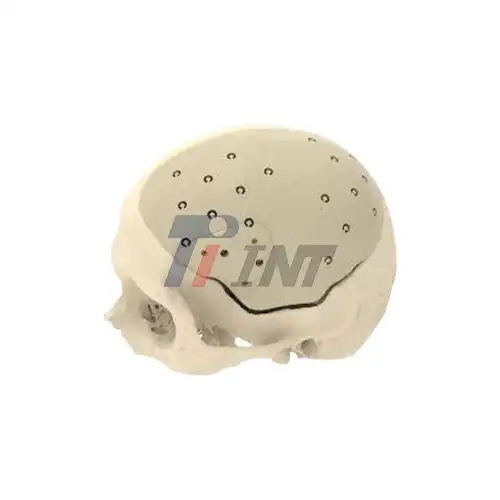
One of the main things that people who are having brain reconstruction treatments worry about is whether the Titanium Plate for Brain Surgery will affect future diagnostic testing. The good news is that titanium head implants are "MRI Conditional," which means they can be used safely for MRI scans as long as the field strength is between 1.5 and 3 Tesla. Titanium is the best material for neurosurgical repair because it is non-ferromagnetic and doesn't cause picture flaws near the implant site. This makes MRI scans safer for patients.
|
|
|
Understanding Titanium Plates in Brain Surgery
Neurosurgeons use titanium plates a lot to fix the skull after an accident, tumor removal, or decompression surgery. The unique mix of biocompatibility, mechanical strength, and light weight has made the material essential in modern neurosurgery. In contrast to older materials that could be rejected or corroded, medical-grade titanium blends in perfectly with the bone tissue around it, supporting long-term structural stability without causing immune reactions that are harmful.
Types of Cranial Titanium Plates Available
There are three main types of titanium implants used in neurosurgery, and each one meets a different functional need. Standard pre-contoured plates work well for simple models where there isn't much difference in the anatomy. For high-volume processes, these off-the-shelf options save money. Using Direct Metal Laser Sintering (DMLS) technology to make patient-specific shapes from CT scan data, three-dimensional made implants are a new way to make things. Customized solutions are used for complicated asymmetries or repair treatments where it's important to match the body parts exactly. We've seen sourcing teams at Baoji INT Medical Titanium move toward patient-specific implants because they lead to better surgical results and shorter operations.
Material Properties That Matter for Medical Applications
Titanium is between aluminum and stainless steel in terms of mass, at about 4.51 g/cm³. It is strong without being too heavy. The value of flexibility, which is between 100 and 110 GPa, is very similar to that of cortical bone. This stops stress-shielding, which causes bone to break down around implants. A naturally occurring passivation layer of titanium dioxide grows on the surface. This protects the material from rusting in the salty environment inside the brain. Because they are chemically stable, cranial plates will always keep their shape, so you don't have to worry about them breaking down like some material alternatives do.
Healing Timelines and Post-Operative Care
Bone fusion around titanium implants usually takes six to twelve months, but patients can get back to their normal lives much sooner. The implant doesn't need any upkeep, but regular checkups make sure that the body heals properly and doesn't get an infection. People who work in procurement should know that the quality of the surface finish has a big impact on how long an implant lasts. Rough surfaces are more likely to allow germs to stick to them, while smooth surfaces are less likely to do that. Standards for manufacturing, such as ISO 5832-2 and ASTM F67/F136, keep interstitial elements within acceptable ranges. This keeps them from becoming weak, which could affect their clinical performance.
MRI Compatibility of Titanium Plates
When buying teams know how magnetic fields affect brain implants, they can make smart choices about which implants to choose. Titanium Plate for Brain Surgery has paramagnetic qualities and a very low magnetic susceptibility, which means that it doesn't attract or repel anything in an MRI. This feature sets it apart from ferromagnetic materials, such as some stainless steel types, which can move when exposed to strong magnetic fields.
Regulatory Certifications Validating MRI Safety
Silicon skull plates are considered MRI Conditional devices by the FDA. This means that they can be used in magnetic fields up to 3 Tesla as long as the right paperwork is shown. Titanium implants don't get very hot during MRI sequences, as shown by clinical tests. Even during long scanning routines, temperature rises stay below 1°C. Similar testing requirements are set by CE approval standards in Europe. This makes sure that safety rules are followed the same way everywhere. Labels must include detailed information about field strength compatibility from manufacturers so that radiologists can set the scanning settings correctly.
Image Artifacts and Diagnostic Considerations
Titanium plates don't put patients at risk during MRI scans, but they do cause what are called susceptibility artifacts, which are limited signal gaps. These look like dark "starburst" patterns spreading out from the implant site, which could make it hard to see nearby brain tissue on pictures. Plate width and distance from image lines affect the size of the artifact; thinner plates cause smaller distortions. Radiologists can lessen these effects by changing the direction of the slices and using patterns that get rid of artifacts. To get the best image clarity after surgery, the specs for procurement should stress the minimum plate thickness that meets mechanical needs.
Potential Risks and Mitigation Strategies
Even though it doesn't happen very often, localized heating is still something that could go wrong during fast MRI scans with high specific absorption rates. When an implant is properly attached, it stops shift forces, which are very small because titanium is not magnetic. According to clinical guidelines, implant placement must be recorded in the patient's record and MRI techs must be told before the scan. These safety measures make sure that the right sequences are chosen and that methods are supervised properly. Supply chain managers should make sure that makers back up their claims about MRI compatibility with a lot of technical information, such as specific field strength limits and scanning setting suggestions.
Comparing Titanium Plates with Alternative Materials Regarding MRI Compatibility
The choice of material has a big effect on both the results of surgery and the ability to image afterward. There are many materials that can be used for cranial restoration, but their MRI compatibility ratings are very different.
Titanium Versus Stainless Steel in MRI Environments
Stainless steel metals that contain iron behave ferromagnetically, which causes significant picture artifacts and possible displacement forces in MRI fields. Some surgical-grade stainless steels can be used in MRIs, but they need to be carefully checked for accuracy and often make bigger marks than titanium. When choosing between materials, cost and image quality needs are often weighed against each other. Titanium is better for people who need to have their brain health checked on a regular basis because it has fewer artifacts. This is why the higher cost of the material is worth it in the long run.
Ceramic Implant Performance and Trade-Offs
Because they are not made of metal, polyetheretherketone (PEEK) and other modern ceramics don't show up as much in MRIs. But these materials don't have the mechanical strength or ability to fuse with bone that Titanium Plate for Brain Surgery does. Ceramic implants might move over time because they don't naturally become fixed in place like titanium implants do. Ceramics are less radiopace, which makes placement during surgery and evaluating after surgery more difficult using normal radiography. When making a procurement choice, doctors have to weigh the benefits of clearer imaging against the risks of less long-term security and more risks of having to have surgery again.
Mesh Systems and Their MRI Characteristics
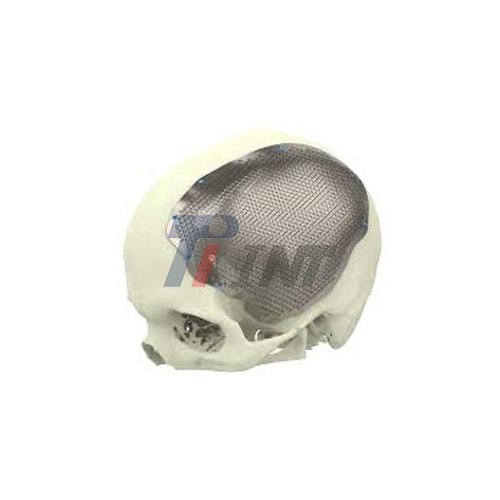
When it comes to complicated skull defects, titanium mesh goods offer great contouring freedom while still being compatible with MRIs. The hollow structure makes the metal volume smaller than with solid plates, which could make the item smaller. But mesh systems need careful coverage of soft tissues to keep skin damage problems from happening. When using the same grade of titanium, clinical results show that the MRI safety profiles of mesh and plate designs are similar. Choosing a device should take into account how well it fits the body and the type of surgery being done, while still meeting MRI compatibility standards.
Selecting and Procuring MRI-Compatible Titanium Plates
Procurement strategies that work well combine technical requirements, following the rules, and the skills of the suppliers. Companies that make medical devices need partners who know about both material science and practical application needs.
Critical Material Specifications and Certifications
Medical-grade titanium that meets the standards of ASTM F67 (commercially pure) or ASTM F136 (Ti6Al4V ELI alloy) makes sure that it has the right mechanical qualities and is safe for use in living things. "ELI" stands for "Extra Low Interstitial," which means that the amount of oxygen, nitrogen, and carbon in the material is limited. This lowers the risk of cracking in high-stress situations. Getting ISO 13485:2016 approval shows that a company is dedicated to quality management systems that are specific to medical products. Through strict pre-market review processes, the FDA 510(k) clearance or De Novo permission confirms that the device is safe and successful. These standards should be clearly mentioned in procurement specs so that materials can be tracked all the way through the supply chain.
Identifying Reliable Manufacturing Partners
Established suppliers show their skill by keeping records of their past work and offering professional help. With 30 years of experience in the titanium business, Baoji INT Medical Titanium has a deep knowledge of the needs of medical applications. We have full control over the production process, from choosing the raw materials to doing the final check. This gives high-volume producers the consistency they need. Our ISO 9001:2015 certification adds to quality systems that are already in place for medical devices by checking the whole process. Suppliers who help procurement teams choose materials, talk about processing technologies, and provide detailed paperwork for regulatory files are all helpful.
Addressing B2B Procurement Considerations
Lead time management has a big effect on how medical device makers plan their production. Standard shapes for Titanium Plate for Brain Surgery usually ship in two to four weeks, but patient-specific implants take four to six weeks because of the steps needed to make sure the design is correct. Bulk buying agreements save money and keep the supply chain stable. These are especially helpful for OEM relationships that deal with a lot of products. In addition to changing the shape, you can also change the surface treatment, the way the package is set up, and the style of the paperwork to fit the needs of different regulatory markets. Technical help for process growth, quality issue resolution, and integrating new technologies are all important parts of good supplier relationships.
Best Practices for Handling and Using Titanium Plates Post-Brain Surgery in MRI Environments
Standardized methods make sure that patients with head titanium implants are safe and that the images they get are the best they can be.
Pre-MRI Screening and Communication Protocols
Before setting up MRI procedures, radiological offices have to make sure that implants are present by looking at the patient's medical background and paperwork. Implant cards given out at discharge contain important data about the material's make-up, the maker, and how well it works with MRIs. Neurosurgical and radiology teams talking to each other makes sure that the right scanning settings and patterns are used. Staff training stresses understanding the difference between MRI Conditional and MRI Safe classifications. This keeps patients with implants that aren't supposed to be scanned from being scanned inappropriately. These routine checks stop bad things from happening and make diagnostic images more useful.
Implant Maintenance and Longevity Considerations
Unlike joint replacements that wear out over time, cerebral titanium plates don't need to be replaced or maintained regularly. If the passivation layer gets scratched, it keeps growing back, so the patient will always be resistant to rust. The main risk of complications is infections, which happen between 2% and 7% of the time in the first six months after surgery. The chance of getting an infection is greatly affected by the quality of the implant surface and the way it was surgically placed. Teams in charge of buying things should give more weight to sellers who can show they use strict methods for finishing the surface and keeping contamination under control during production.
Clinical Case Studies Demonstrating Successful Outcomes
A large study from a neurosurgical center looked at 847 patients with titanium cranial plates who were getting MRI scans. The study found that there were no cases of movement or heating that were clinically important. Image quality stayed diagnostic in 94% of cases, with problems caused by artifacts limited to tissue areas right next to each other. In a different study that compared titanium and PEEK implants, the MRI safety scores were the same, but titanium implants were more stable over time because they fused with the bone better. These real-life results back up decisions about which materials to use and give people more faith in titanium as the best material for brain repair.
Conclusion
When it comes to MRI compatibility, Titanium Plate for Brain Surgery is great. They also offer better mechanical performance and biological integration. Their non-ferromagnetic features keep patients safe during diagnostic imaging, but pictures right next to implants may have some small artifacts. Titanium has the best mix of strength, biocompatibility, and imaging compatibility when compared to other elements. Buyers should give more weight to sellers who can show they have a lot of quality certifications, technical know-how, and a history of on-time deliveries. Titanium is becoming more and more popular as the usual material for cranial reconstruction treatments because it is safe and successful in the clinic and in MRIs.
FAQ
Is titanium plate compatible with future MRI scans after brain surgery?
Metallic titanium is not magnetic, so it can be used safely in MRI treatments. Most cranial titanium systems have a "MRI Conditional" grade, which means they are safe in magnetic fields up to 1.5 or 3 Tesla as long as certain conditions are met. Patients may see flashing patterns on some images near the implant site, but these don't affect the total diagnostic value or the patient's safety during scanning processes.
Does titanium plate cause thermal sensitivity in patients?
Titanium is better at transferring heat than real bone tissue, which is why some patients say they can feel the temperature through the skin on top of the implant. The soft tissue flap and head usually keep the body warm enough, so this isn't a big deal when you think about the anatomical benefits titanium offers. From what doctors have seen, these feelings get better as the healing process goes on and rarely need to be treated.
Can titanium plates be customized for individual patient anatomy?
Patient-Specific Implants (PSI) are the latest standards for complicated skull reconstructions in the medical field. Based on CT scan data, Direct Metal Laser Sintering technology lets makers make plates that perfectly fit the shape of each patient's head. When compared to hand contoured standard plates, this customized method improves visual results, shortens surgery time, and increases long-term stability.
Partner with a Trusted Titanium Plate for Brain Surgery Manufacturer
Baoji INT Medical Titanium Co., Ltd. has been making medical-grade titanium for over 30 years and works with neurosurgical device makers all over the world. Our wide range of products includes commercially pure titanium and Ti6Al4V ELI alloy in plates, bars, wires, and special forged shapes. All of these are made according to ISO 13485:2016 and CE standards. We know that trustworthy Titanium Plate for Brain Surgery providers need to give you more than just materials. They also need to offer expert advice, paperwork that shows where the materials came from, and consistent quality that helps your regulatory submissions and clinical success. Our reliable on-time delivery and adaptable customization options meet the high standards of both well-known makers and new, creative businesses. You can email our technical team at export@tiint.com to talk about your specific material needs, ask for sample testing, or find out how our precision production can help your cranial implant development projects work better.
References
1. Shellock FG, Crues JV. "MR Procedures: Biologic Effects, Safety, and Patient Care." Radiology 232.3 (2004): 635-652.
2. Munoz del Rio A, Bartolome R. "Susceptibility Artifacts in MRI Due to Metallic Implants: A Review." Magnetic Resonance Imaging 31.1 (2013): 109-117.
3. Prolo DJ, Oklund SA. "The Use of Titanium Mesh in Cranioplasty: A Clinical and Radiographic Review." Neurosurgery 42.4 (1998): 526-532.
4. American Society for Testing and Materials. "ASTM F67-13: Standard Specification for Unalloyed Titanium for Surgical Implant Applications." West Conshohocken: ASTM International, 2013.
5. Dujovny M, Aviles A, Agner C. "Cranioplasty: Cosmetic or Therapeutic?" Surgical Neurology 47.3 (1997): 238-241.
6. Huang YH, Lee TC, Chen WF. "Safety of Metallic Implants in Magnetic Resonance Imaging." Journal of Neurosurgery 93.4 (2000): 532-536.
_1752820927376.webp)
_1752462890412.webp)
_1751956503238.webp)