Differences between titanium bar and other dental implant materials


 2026-07-14 10:28:24
Due to their unrivalled biocompatibility, rust resistance, and mechanical performance, titanium bar dental implants consistently set the standard for the industry. Ceramic, zirconia, or stainless steel are not as strong as titanium alloy bars, especially Grade 5 (Ti-6Al-4V) and Grade 23 (Ti-6Al-4V ELI). These bars give the best mix of strength, weight, and long-term integration with human bone. Material quality directly leads to lower implant failure rates, better patient results, and higher cost-effectiveness for companies that make and sell medical devices in the competitive market.
|
|
|
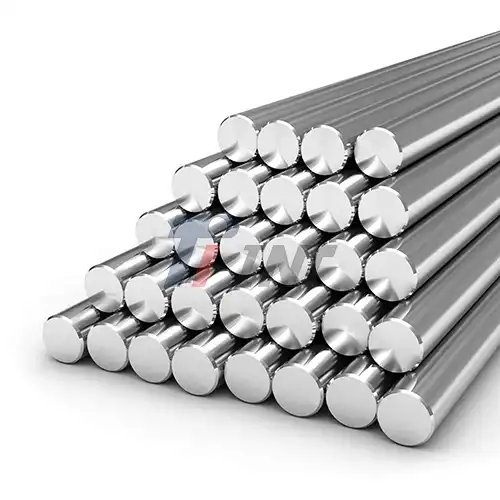
Understanding Titanium Bar Dental Implants
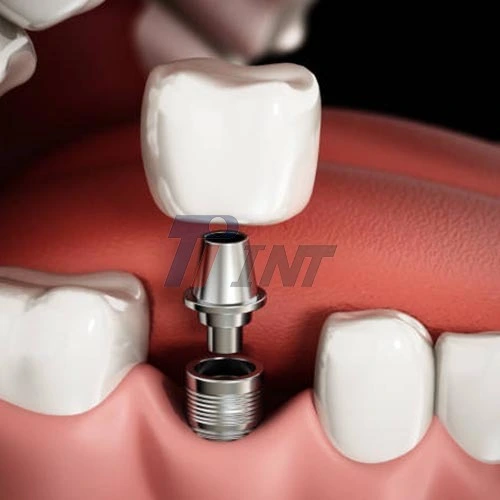
When it comes to dental uses, titanium bars are precisely made medical parts that provide the structure for prosthetics that are supported by implants. Medical-grade titanium metals that meet ASTM F136 and ISO 5832-3 international standards are usually used to make these bars. This makes sure that the quality is the same from one production batch to the next.
Composition and Material Specifications
Two main types of metal are mostly used to make medical titanium bars. The tensile strength of grade 5 titanium is between 860 and 965 MPa, which is much higher than the strength of widely pure titanium while still being very easy to shape. Grade 23 titanium, which is also called Ti-6Al-4V ELI (Extra Low Interstitials), has better wear resistance and fracture toughness, which are very important for implant uses that are loaded and unloaded repeatedly in the mouth.
Titanium alloy bars have an elongation modulus of about 114 GPa, which is closer to the density of cortical bone than chrome-cobalt alloys, which are stronger options. This mechanical compatibility lowers stress shielding phenomena, which happens when bones are too stiff and stop stimulating properly, causing them to break down too soon around the implant site.
The Osseointegration Advantage
The surface chemistry of titanium makes it easier for bone to fuse with it by creating a stable titanium dioxide (TiO₂) inactive layer. This naturally occurring oxide film helps the implant connect directly with the bone at the cellular level, which is why over 95% of normal clinical cases result in successful integration. Osteoblast cells colonise the implant surface and make mineralised tissue links that keep the bone stable over time. This process usually takes three to six months.
Longitudinal studies on patients' health show that titanium implants can work well for at least 20 years if they are properly cared for, and many patients experience lifetime success. Titanium's natural resistance to biological degradation and its ability to withstand masticatory forces of 200 to 300 Newtons during regular function are what make it so durable.
Titanium Bar vs Other Dental Implant Materials — A Dimensional Comparison
When procurement teams look at sourcing choices for their manufacturing processes or distribution routes, it's important to understand the differences between materials. We have looked at the important performance factors that make titanium different from other implant materials on the market right now.
Biocompatibility and Tissue Response
Titanium has better bioinert properties, which means that when it is implanted into human flesh, it doesn't cause a strong immune reaction. According to peer-reviewed clinical literature, rejection rates are still not statistically important, and bad responses have been reported in less than 0.6% of cases. Alternatives like ceramic and zirconia are also biocompatible, but they don't have as much clinical evidence as titanium, which has been used for 50 years.
Stainless steel has been used in temporary fixing devices in the past, but it includes nickel and chromium, which can cause hypersensitivity reactions in people who are already more likely to have them. Because of this, stainless steel isn't good for lasting implant uses that need to touch flesh for a long time.
Mechanical Strength and Fracture Resistance
Titanium metal bars are strong without being too heavy because they have a high strength-to-weight ratio. Because of this trait, thin implant shapes can be made that are less invasive during surgery while still being able to hold enough weight. Titanium bar dental implants take full advantage of this property, allowing for stable, long-lasting anchorage in the jawbone. Even though zirconia implants look nice, they are very weak, which makes them more likely to break when they are loaded from the side, which happens a lot when you chew.
Comparative tests show that titanium's resistance to fatigue is much higher than that of ceramic options. Medical-grade titanium can be used to make devices that can survive millions of loading cycles without cracks spreading. Zirconia parts, on the other hand, may develop microfractures that weaken the structure over time.
Corrosion Resistance in Oral Environments
It's hard to work with the electrical environment in the mouth because the pH levels change, enzymes are active, and germs are growing. Titanium's self-healing oxide layer protects against chemical attack all the time, so the material stays strong for as long as the implant works. This resistance to rust stops the release of metal ions that could cause swelling or changes in the colour of soft tissues nearby.
Chrome-cobalt metals are very strong, but they don't fight corrosion as well as titanium when they come into contact with chloride-containing bodily fluids. If titanium isn't used regularly throughout the implant assembly, galvanic connection between metals that aren't the same can speed up the wear and tear.
Cost-Effectiveness and ROI Considerations
The cost of buying materials is only one part of the total cost of purchase. Titanium bars are usually in the middle of the price range. They are more expensive than stainless steel but not as expensive as high-purity zirconia parts. Titanium's proven reliability lowers warranty claims, revision surgeries, and reputational risks that affect a manufacturer's relationship with professional users. This is the most important difference in the long run.
Stability in the supply chain makes it easier to get titanium because there are many suitable sources and a well-established manufacturing system. When making a lot of speciality pottery, it can be hard to keep track of supplies because of production problems or differences in quality.
Market-Leading Titanium Bar Dental Implant Brands and Their Unique Advantages
Well-known companies have created unique titanium bar systems with their own special surface processes and high-tech engineering. Companies like Nobel Biocare and Straumann have built their names on having a lot of clinical paperwork and certifications, such as ISO 13485:2016 medical device quality management compliance.
Certification Standards and Quality Assurance
Top sellers follow strict quality control rules that are backed up by international licenses. ISO 9001:2015 quality control systems make sure that processes are always the same, and EU CE marking shows that a medical gadget meets European safety standards. With these certificates, procurement teams can be sure that the material specs meet the needs of surgery.
When making a device for the U.S. market, companies usually try to get FDA 510(k) clearance or premarket approval, based on the type of device. These regulatory pathways need a lot of clinical data to show that they are safe and successful. This makes it harder for new suppliers to get in, but it also boosts trust in the quality of the products.
Wholesale Options and Customization Capabilities
When makers offer flexible order configurations, they help business-to-business (B2B) methods of buying. People who buy a lot can use tiered pricing systems that make unit economics better as order numbers go up. Titanium bar dental implants are a common example of such high-value medical components, where bulk purchasing directly affects cost efficiency for dental suppliers. Minimum order amounts vary from supplier to supplier, but established businesses usually accept smaller initial purchases so that materials can be tested to make sure they work before committing to large-scale production runs.
In addition to standard bar sizes, customisation services include geometries, surface treatments, and packing designs that are best for a certain purpose. OEM partnerships allow private labelling, which is when makers put their own name on parts that are supplied by suppliers. This speeds up the process of developing new products.
How to Choose Between Titanium Bar and Alternative Dental Implant Materials — A Decision Support Framework
When making a procurement choice, you need to carefully consider a lot of different factors that are in line with your organization's goals and the needs of the end users. We suggest choosing materials based on four main factors that affect both the instant buying results and the long-term operating success.
Client Profile Alignment
Dental offices that care a lot about how their patients look may choose zirconia components for use in the front of the mouth, where their clear nature helps the end restoration look better. High-volume implant sites that treat a wide range of patients usually like titanium because it can be used in a variety of clinical situations and is cost-effective.
OEM companies that make implant systems to sell have to find a mix between how well the materials work and how hard it is to make them. Because titanium can be machined and welded, it makes production easier than ceramic materials, which need special handling and quality control procedures.
Performance Requirements by Application
For full-arch replacement systems that use bar-supported prosthetics, the materials need to be able to spread occlusal pressure across several implant sites. Titanium is the best material for these tough jobs because of its mechanical qualities and ability to passively fit. Titanium's wear resistance and reliable long-term performance are also good for single-tooth implants in high-stress posterior areas.
Material selection is affected by things like the patient's smoking past, how well they control their diabetes, and their bone density. Titanium's strong clinical track record with a wide range of patients gives doctors trust when dealing with medically complicated cases that might make it hard for the implant to stay in place.
Supplier Reliability and Support Services
Long-term relationships with suppliers rely on their skills going beyond just delivering goods. Technical support tools help with optimising material specifications and fixing problems that come up during production. Quality records like material certifications, test results, and records of where the product came from make it easier to follow the rules and pass customer checks.
Service promises made after the sale set sellers apart in competitive markets. When quality problems happen out of the blue, warranty coverage, fast repair policies, and helpful customer service teams keep things running smoothly.
Ordering and Procurement Best Practices for Titanium Bar Dental Implants
Cost structures and working dependability are both improved by efficient sourcing methods. We've seen that buying plans that work well include a few key practices that make relationships with vendors better and improve the performance of the supply chain.
Supplier Verification and Due Diligence
Qualified providers show they follow the rules by having current ISO 13485 certification and any other approvals that are needed for the market. Site checks or reports from a third party give people more faith in the quality systems and manufacturing skills. Titanium bar dental implants represent a critical product category where such certifications and third-party verifications are especially vital, as any manufacturing defect can directly impact patient safety and clinical outcomes. References from current customers who use similar applications can tell you more about a supplier's success than what they say on their marketing materials.
Each shipment should come with material tracking paperwork, such as mill papers that prove the alloy's composition and mechanical qualities. Lot-specific test data makes it possible to find a link between the properties of the materials and how well the end product works during activities that happen after the product has been sold.
Pricing Structures and Volume Optimization
Knowing what makes a supplier's costs go up or down can help you achieve better terms that are in line with your buying habits. Base prices are affected by the cost of raw materials, the difficulty of the job, and the need for approval. Discounts are affected by how often you order and how much you commit to buying. Annual purchase deals with planned delivery drops balance the costs of keeping inventory with the benefits of lower prices per unit.
Custom processing services like precise cutting, surface finishing, and changing the way packing is packed usually come with extra fees that are based on the amount of extra work and handling that is needed. Standardising the specs for parts across all product lines cuts down on these extra costs and makes it easier for suppliers to talk to each other.
Logistics and Import Considerations
When you buy something from another country, you have to deal with delivery times, customs clearance processes, and possibly higher tariffs. Working with sellers who have experience with exporting makes sure that the right paperwork and packaging are sent to the right place. Freight forwarding relationships make it easier to set up delivery and make it easier to see where shipments are at all times.
Secure packaging keeps the surfaces of things from getting dirty or damaged while they're being shipped. Medical-grade materials need to be handled in a clean way from the time they are made until they are delivered. This is to keep their licensing status and keep them from being rejected during the testing process.
Conclusion
When making dental implants, the choice of material has a big effect on how well the product works, how well it meets regulations, and how well it does in the market. Titanium bar dental implants are still the best option for most situations because they are biocompatible, reliable, and affordable, which are all qualities that other materials battle to match. Medical-grade titanium alloys have technical benefits that directly lead to fewer complications, longer service life, and happier patients. These are all things that encourage return business and improve a company's image in the market.
Teams in charge of buying things benefit from working with titanium sellers who have been in the business for a while and know the technical requirements and rules that guide making medical devices. Titanium bar dental implants are a prime example of such devices, where deep technical expertise and regulatory knowledge are non‑negotiable for reliable sourcing. Quality certifications, the ability to customise products, and quick customer service set sellers apart in ways that go beyond price, adding value throughout the lifetime of a product.
FAQ
What makes titanium bars superior to ceramic alternatives for dental implants?
Titanium metal bars have better mechanical qualities than ceramic materials. For example, they are less likely to fatigue and are harder to break. Ceramics are better for the front parts of the teeth that people can see, but titanium is the better choice for load-bearing uses because it has a track record of osseointegration success rates topping 95% and clinical longevity data spanning decades. Ceramic parts can't always match the material's long-term structural stability because it can't handle cycle masticatory forces without developing microcracks.
Can titanium implants perform effectively in patients with compromised health conditions?
Studies in real people have shown that titanium implants can be successfully integrated even in people who have diabetes under control, a history of smoking, or low bone density. The biocompatibility and osseointegration properties of the material still work for a wide range of patients, though mending times may be longer in cases where these properties are weakened. Professionals in procurement who work with implant makers should know that titanium's ability to work with a wide range of patients means it has a bigger possible market reach than materials with stricter application guidelines.
What supplier qualifications should procurement managers prioritize?
Important supplier qualifications include up-to-date ISO 13485:2016 certification for medical device quality management, compliance documents for materials that meet ASTM F136 or ISO 5832-3 standards, and governmental clearances that are right for the market, like FDA registration or EU CE marking. In addition to certifications, you should look at providers' material traceability systems, expert help, ability to customise, and examples from well-known medical device makers. Consistent performance is more likely to come from suppliers who have been in the business for a long time and have invested in good equipment.
Partner With Baoji INT Medical Titanium Co., Ltd. for Premium Titanium Bar Dental Implant Materials
Baoji INT Medical Titanium Co., Ltd. is a reliable company that can provide you with titanium bar dental implants. They have over 30 years of experience working with metals and have a lot of certifications, such as ISO 9001:2015, ISO 13485:2016, and EU CE compliance. Our production skills cover the full range of medical-grade titanium goods, from Grade 5 and Grade 23 alloy bars to precision-machined parts made just the way you want them.
We know how hard it is for medical device makers and their OEM partners to get the supplies they need. Our expert team can help you choose the right materials, make sure your paperwork is accurate, and make changes that make the process of making your product easier. Competitive bulk pricing and dependable shipping plans will make sure that your production operations stay as efficient as possible without any problems.
Email our export team at export@tiint.com to talk about your unique needs, get samples of materials, or look into ways to work together. We want procurement workers and research and development engineers to see the quality difference that decades of specialised experience making titanium products makes for the medical device business around the world.
References
1. Branemark PI, Hansson BO, Adell R, et al. "Osseointegrated Implants in the Treatment of the Edentulous Jaw: Experience from a 10-Year Period." Scandinavian Journal of Plastic and Reconstructive Surgery Supplementum, 1977.
2. Niinomi M. "Mechanical Properties of Biomedical Titanium Alloys." Materials Science and Engineering: A, 1998.
3. Geetha M, Singh AK, Asokamani R, Gogia AK. "Ti Based Biomaterials: The Ultimate Choice for Orthopaedic Implants – A Review." Progress in Materials Science, 2009.
4. Elias CN, Lima JHC, Valiev R, Meyers MA. "Biomedical Applications of Titanium and Its Alloys." Journal of the Minerals, Metals and Materials Society, 2008.
5. Steinemann SG. "Titanium—The Material of Choice?" Periodontology 2000, 1998.
6. Long M, Rack HJ. "Titanium Alloys in Total Joint Replacement—A Materials Science Perspective." Biomaterials, 1998.

_1752818317695.webp)
_1752462890412.webp)
_1752462620877.webp)
_1750669056274.webp)