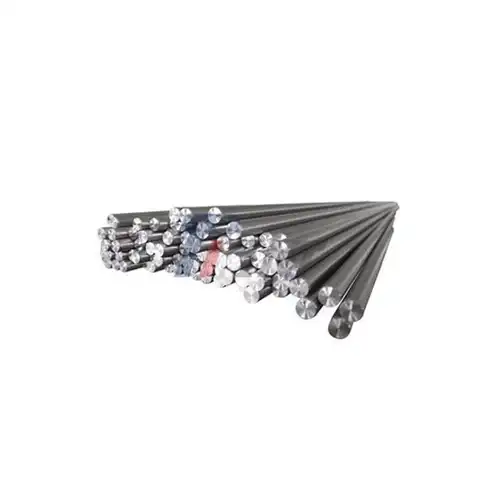

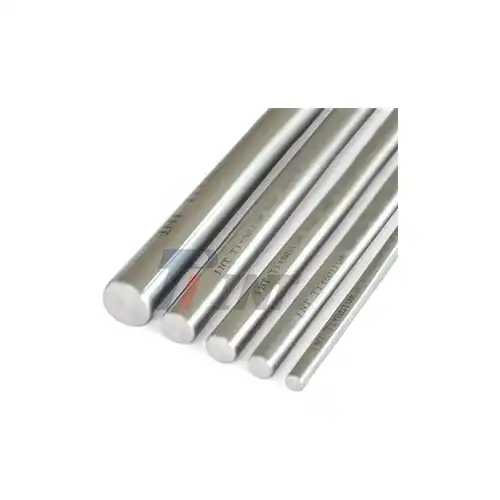
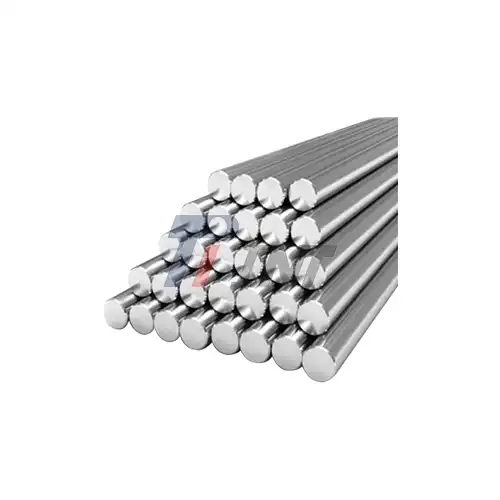
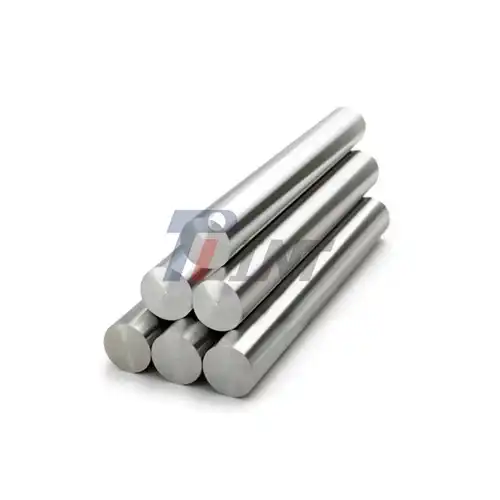
All About Titanium Gr 2 Round Bar


 2026-07-14 10:28:20
When looking for materials to make medical devices and surgery implants, picking the right titanium grade is important for making sure the products last, keeping patients safe, and following the rules. When it comes to widely pure titanium solutions, the Gr2 Titanium Medical Bar meets important biological needs while still being easy to machine and low-cost.
Grade 2 titanium round bars are better than alloyed titanium because they have the best mix of biocompatibility, corrosion resistance, and structural integrity. This makes them essential for orthopaedic implants, dental equipment, and surgical tools. When procurement managers and R&D engineers know about the special qualities of this material, they can make decisions that meet both technical requirements and price limits.
|
|
|
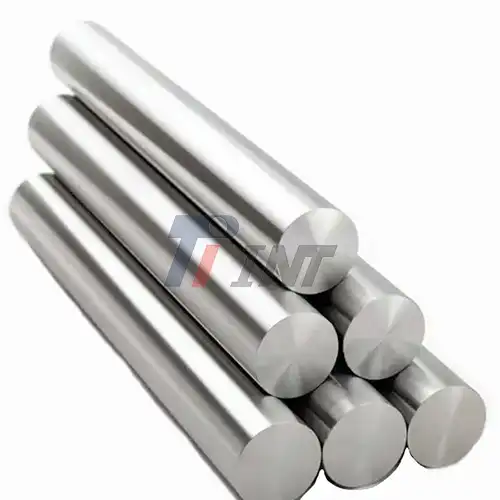
Understanding Titanium Gr 2 Round Bar: Properties and Applications
Titanium Grade 2 is the most common widely pure titanium material. It has a unique mix of mechanical and chemical properties that make it ideal for use in medical uses that are very demanding. This pure titanium goes through a lot of vacuum arc remelting to get the perfect microstructures needed for human insertion.
Chemical Composition and Purity Standards
Grade 2 titanium's chemical make-up meets strict ASTM F67 and ISO 5832-2 standards, which means that the quality of each production batch is the same. Titanium is the main element in the makeup, and the intermediate elements that affect how the material behaves mechanically are carefully controlled.
- Oxygen (O): No more than 0.25%, which controls tensile strength directly without affecting flexibility
- Iron (Fe): No more than 0.30%, which is important for keeping high rust protection in biological settings
- Carbon (C): At most 0.08%, kept low to keep shapeability
- Nitrogen (N): No more than 0.03%, tightly controlled to keep materials from breaking down
- Hydrogen (H): Maximum 0.015%, controlled to keep processes from splitting because of hydrogen
These close compositional limits get rid of the risk of metal ion release and cytotoxicity that often happen with nickel-containing alloys. This makes Grade 2 titanium the best choice for implanted parts that need to be compatible with a lot of different types of tissue.
Mechanical Properties for Medical Applications
The way the Gr2 Titanium Medical Bar works mechanically directly addresses important issues in designing medical implants, especially the issue of stress protection. This material's modulus of elasticity is about 105 GPa, which is very close to the stiffness of natural bone. This keeps bone from breaking down, which happens when transplant materials are much stronger than the nearby tissue. The mechanical features at room temperature are:
- Tensile Strength: Minimum tensile strength of 345 MPa (50 ksi), which is enough to handle most implant uses
- Yield Strength: At least 275 MPa (40 ksi) at 0.2% offset, which makes sure that the dimensions stay stable under physiological loads
- Elongation: At least 20%, which gives it great flexibility for cold-forming complicated shapes like bone plates
- Reduction of Area: At least 30%, which shows strong shapeability without cracking
The material's density of 4.51 g/cm³ is about 45% lighter than 316L stainless steel. This means that instruments will last longer during long medical processes without getting worn out while the structure stays strong.
Biocompatibility and Medical Device Integration
Because grade 2 titanium is chemically bio-inert, it doesn't cause allergic reactions or inflammatory responses. This means it can be permanently implanted in orthopaedic, dentistry, and circulatory settings. The non-magnetic qualities of the material make sure that MRIs are completely safe, as they produce no image artefacts that could affect the accuracy of the diagnosis. Surface treatments like passivation improve the naturally existing titanium oxide layer, which makes it easier for load-bearing implants to fuse with the bone.
Gr 2 vs Other Titanium Grades and Materials: Making the Right Choice
To choose the right titanium grade, you need to carefully look at the technical needs, legal standards, and cost factors. Purchasing managers have to make choices that affect how well a product works, how efficiently it is made, and the total cost of ownership throughout the supply chain.
Comparing Grade 2 with Grade 5 Titanium Alloy
The most common titanium metal is Grade 5 titanium (Ti-6Al-4V), which has 6% aluminium and 4% vanadium to make it stronger. Even though Grade 5 has a higher tensile strength (more than 895 MPa), it is more difficult to shape and costs more to machine. The Gr2 Titanium Medical Bar has clear benefits when cold formability, better corrosion resistance in bodily fluids, and easier handling procedures are important.
Because Grade 2 is commercially pure, there are no worries about the release of aluminium or vanadium ions, which is important when long-term biocompatibility is still the most important thing. The better machinability of Grade 2 helps manufacturing operations by cutting down on tool wear and cycle times during precision turning operations for medical instruments.
Titanium Grade 2 versus Stainless Steel 316L
316L stainless steel has been used in medical uses in the past because it is easy to find and can be processed in a way that is well known. However, titanium Grade 2 offers real performance gains that make material change worthwhile in a lot of situations. In chloride-rich settings like human plasma, Grade 2 titanium is more resistant to rust than stainless steel. This keeps implants from getting pits and cracks that can cause them to lose their integrity. The 50% weight loss directly means less stress for patients with permanent implants and less tiredness for surgeons during procedures. Stainless steel has lower raw material costs, but titanium has a longer service life, fewer repair surgeries, and better patient results that more than make up for the higher initial purchase costs.
Grade 3 Titanium as an Intermediate Option
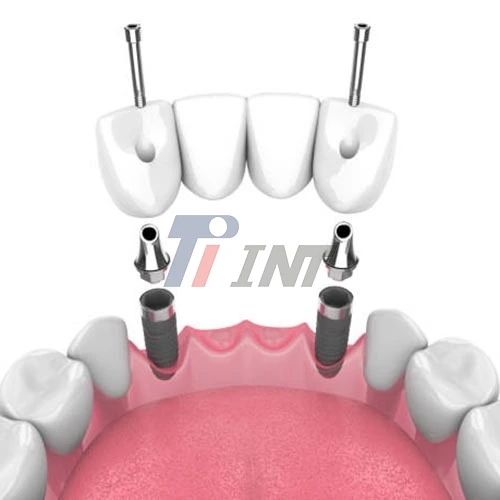
The performance range for Grade 3 titanium is between Grade 2 and alloyed types. It has an oxygen level of up to 0.35%, which makes it stronger and improves its tensile strength to about 450 MPa. This commercially pure titanium with a middling strength is good for load-bearing tasks that need more structural stability than Grade 2 but better shapeability than Ti-6Al-4V. When designs get close to the technical limits of Grade 2 and the higher cost and more difficult handling of alloyed titanium are not justified, procurement managers should look at Grade 3. The material is very biocompatible and has an extra 20–30% strength over Grade 2, which means it can be used for tooth bridges and small orthopaedic pins.
Procurement Guide: How to Source and Buy Gr 2 Titanium Round Bar
To make sure that production plans are met and regulations are followed, good buying strategies balance the quality of the materials, the dependability of the suppliers, and the efficiency of the supply chain. Companies that know the certification standards and seller evaluation factors can avoid major problems that could lead to expensive product recalls.
Certification and Compliance Verification
Getting medical-grade titanium requires a lot of paperwork that proves the material can be tracked and meets international standards. Reliable providers give Mill Test Certificates (MTCs) for each production lot that show the results of chemical composition tests, mechanical tests, and heat treatment methods. The ASTM F67 certification shows that the material is suitable for use in surgical implants, and the ISO 13485 certification shows that the supplier's quality management system meets the standards for making medical devices.
FDA registration adds to the safety of materials going to be sold in the U.S. by proving that the company making the materials follows the right procedures for making medical materials. Teams in charge of buying things should ask for Certificate of Conformance (CoC) paperwork that connects the materials they get to specific test reports. This way, everything can be tracked from the raw materials to the finished product.
Supplier Selection Criteria
Choosing reliable titanium suppliers requires evaluating technical capabilities, quality systems, and operational stability beyond initial pricing considerations. We recommend assessing suppliers across multiple dimensions: manufacturers with dedicated medical material production lines minimize cross-contamination risks from processing industrial-grade titanium processing. Protocols for verifying equipment, such as regularly calibrating testing tools, make sure that measurements are accurate.
Statistical process control is used in production management systems to find quality trends before they lead to the production of non-conforming material. As part of technical support, you should be able to help with material selection, handling, and failure analysis when application problems come up. Long-term relationships with well-known suppliers provide supply chain steadiness that is very important for companies that make medical devices that have to meet strict validation requirements.
Ordering Specifications and Lead Times
When you place an order for Grade 2 titanium round bars, you should include details about the lengths that will work with the tools that will process them later, as well as any size or finish standards. Standard sizes range from 6mm to 300mm, and the surfaces are precisely ground to meet h9 or h7 spec grades. This gets rid of alpha-case oxide layers that get in the way of cutting or other surface treatments.
Custom cut-to-length services cut down on material waste and the amount of work that needs to be done, which is especially helpful for just-in-time manufacturing. Minimum order amounts depend on the seller and the diameter, but for normal sizes, they are usually between 100 kg and 500 kg. The lead time for approved medical-grade material is usually between 8 and 12 weeks from the time the order is placed. This includes making the material, testing it, putting together the paperwork, and sending it internationally.
Advantages and Challenges of Using Gr 2 Titanium Round Bar in Medical and Industrial Fields
Understanding both benefits and limitations enables realistic project planning and appropriate application selection. The Gr2 Titanium Medical Bar delivers compelling advantages for specific use cases while presenting challenges that require engineering solutions.
Key Performance Advantages
The unique qualities of Grade 2 titanium make it a good material for medical devices that have to deal with common design problems. Body fluids have a high resistance to rust, which stops the surface from breaking down and the release of ions that can cause inflammatory reactions with less durable materials. The low elastic modulus lowers the stress buffering effects, which encourages healthy bone remodelling around embedded devices and lowers the rate of long-term failure.
Better cold formability lets you make complicated shapes like bent bone plates and custom-made implants for different body parts without having to do any annealing steps in between. Because it isn't magnetic, it works with all diagnostic imaging tools, so patients who need MRI tests during their treatment don't have to deal with device limitations. Cost-effectiveness compared to titanium alloys like Grade 5 or Grade 23 lowers the cost of materials while keeping the right mechanical qualities for many medical uses.
Technical Challenges and Practical Solutions
Even though Grade 2 titanium has many benefits, it needs to be processed in a certain way that requires special skills and the right tools. Because the material tends to gall when it's being machined, it needs sharp cutting tools, a lot of coolant, and the best cutting settings to meet the requirements for accuracy in measurements and surface finish. To keep the mechanical qualities of the area that is heated up while welding, inert gas protection and careful heat control are needed to keep the area from getting contaminated.
The relatively lower strength compared to alloyed titanium makes it less useful in high-stress situations like spine fusion rods or hip stems with big diameters. Grade 5 titanium is then needed in these cases. As shown in case studies from companies that make orthopaedic implants, Grade 2 has been successfully used in dental implants, small bone screws, and parts of surgical instruments that need mild power.
Real-World Application Examples
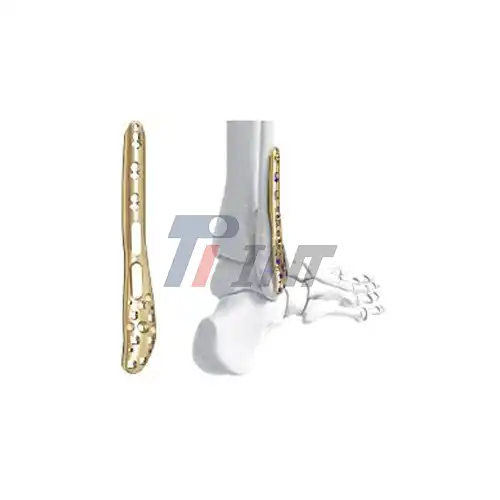
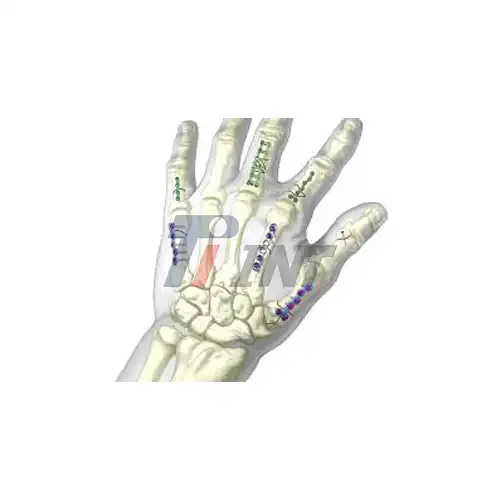
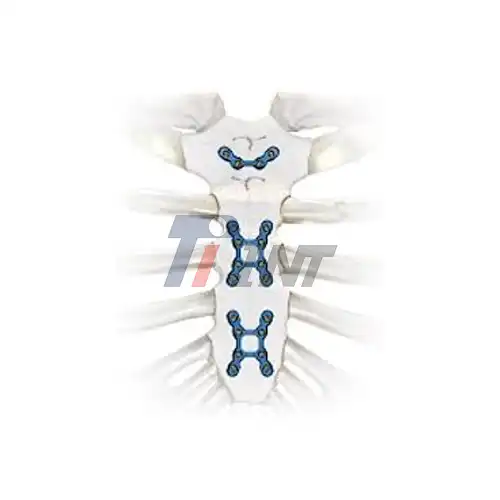
Top medical gadget makers have confirmed that Grade 2 titanium works well in a variety of settings. Because it is so good at osseointegration, commercially pure titanium is used in dental implant systems. Long-term clinical tests have shown that these systems have success rates of over 95%. Surgical instrument makers define Grade 2 for retractors, forceps handles, and minimally invasive surgical tools that are made to be light so that surgeons don't get tired during long procedures. Orthopaedic trauma systems use Grade 2 bone plates and screws to fix fractures in situations with low load needs but important patient benefits like biocompatibility and MRI compatibility.
Conclusion
Selecting appropriate titanium materials demands thorough understanding of mechanical properties, biocompatibility characteristics, and processing requirements that directly impact medical device performance and patient outcomes. Gr2 Titanium Medical Bar represents a key variant within this category, and Grade 2 titanium round bars offer an exceptional balance of corrosion resistance, biocompatibility, and formability suited for surgical implants, dental applications, and precision instruments where commercially pure titanium meets performance requirements. Procurement professionals benefit from evaluating suppliers based on certification credentials, technical support capabilities, and quality management systems rather than price alone.
The material's moderate strength, excellent ductility, and proven clinical performance establish it as a foundational material for medical device innovation. Strategic sourcing partnerships with experienced titanium suppliers ensure consistent material quality, regulatory compliance, and supply chain reliability essential for maintaining production schedules and meeting market demands.
FAQ
Is Grade 2 titanium safe for long-term implantation in the human body?
There is a lot of clinical data that shows grade 2 titanium is safe for permanent implants. It has great long-term biocompatibility. Chemical inertness of the material stops the release of ions and allergic reactions, and rust resistance stays stable in physiological settings. It has been approved by the FDA and the CE mark, which means it can be used for surgical implants as long as it comes from qualified medical-grade sources.
How does Grade 2 titanium's corrosion resistance compare to stainless steel?
Titanium Grade 2 works much better than 316L stainless steel in chloride-rich settings, like body fluids, because it doesn't rust or pit, which can weaken implants. The naturally occurring titanium oxide surface layer is better at passivation than stainless steel. It keeps working well for longer amounts of time without the surface breaking down.
What should I look for in a titanium source that will be used in medicine?
Prioritize suppliers holding ISO 13485 certification for medical device quality management systems and providing materials conforming to ASTM F67 standards. Verify they supply complete traceability documentation including Mill Test Certificates for each production lot. Assess their technical support capabilities, delivery consistency, and willingness to accommodate custom specifications matching your processing requirements.
Partner with a Trusted Gr2 Titanium Medical Bar Manufacturer
Baoji INT Medical Titanium Co., Ltd. brings over 30 years of specialized experience in producing certified medical-grade titanium materials for demanding biomedical applications. Our comprehensive production capabilities deliver premium Gr2 Titanium Medical Bar supplier services, offering round bars in various diameters with precision ground finishes meeting h7 and h9 tolerances. Every product carries complete ISO 13485:2016 and CE certification documentation, ensuring regulatory compliance for your medical device manufacturing requirements.
We maintain substantial inventory across standard specifications while providing custom sizing and cut-to-length services that optimize your material utilization and reduce waste. Our technical team offers material selection guidance, processing recommendations, and quality documentation support throughout your product development cycle. Connect with our procurement specialists at export@tiint.com to discuss your specific Gr2 Titanium Medical Bar requirements, request certified test reports, or schedule material qualification testing. We deliver competitive pricing, reliable lead times, and the technical partnership your medical device projects demand.
References
1. American Society for Testing and Materials. (2013). ASTM F67-13 Standard Specification for Unalloyed Titanium, for Surgical Implant Applications. West Conshohocken, PA: ASTM International.
2. International Organization for Standardization. (2016). ISO 5832-2:2018 Implants for Surgery — Metallic Materials — Part 2: Unalloyed Titanium. Geneva, Switzerland: ISO.
3. Brunette, D.M., Tengvall, P., Textor, M., & Thomsen, P. (2001). Titanium in Medicine: Material Science, Surface Science, Engineering, Biological Responses and Medical Applications. Berlin: Springer-Verlag.
4. Rack, H.J. & Qazi, J.I. (2006). "Titanium Alloys for Biomedical Applications." Materials Science and Engineering C, 26(8), 1269-1277.
5. Niinomi, M. (2008). "Mechanical Biocompatibilities of Titanium Alloys for Biomedical Applications." Journal of the Mechanical Behavior of Biomedical Materials, 1(1), 30-42.
6. Boyer, R., Welsch, G., & Collings, E.W. (1994). Materials Properties Handbook: Titanium Alloys. Materials Park, OH: ASM International.
_1752818186472.webp)
_1752462890412.webp)
_1751959047184.webp)
_1751956094730.webp)