


 2025-12-30 08:41:59
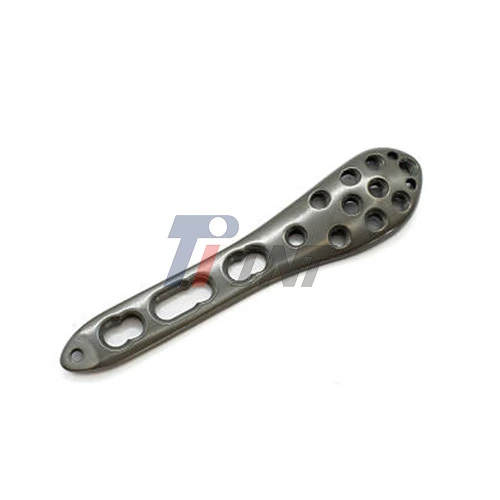
The Longevity and Safety of Titanium Plate Implants
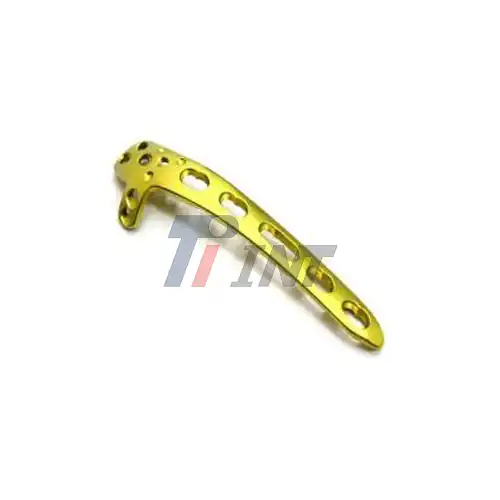
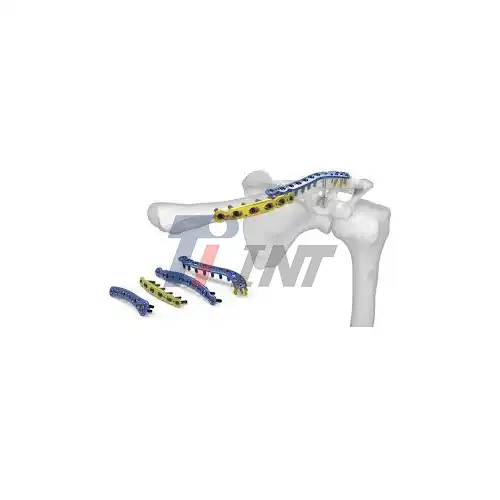
Titanium plate implants are durable, biocompatible, and integrate well with bone tissue (osseointegration), providing stability and support, often eliminating the need for removal. Titanium inserts have a low security chance, with unfavorably susceptible responses happening in less than 0.6% of cases, making them broadly utilized in restorative inserts.
Moreover, titanium's resistance to corrosion in the body's physiological environment ensures that the implant remains stable over time. This stability minimizes the risk of metal ions leaching into the surrounding tissues, a concern associated with some other metallic implants.
Factors Influencing the Decision to Remove Titanium Plates
While titanium plate implants are designed for permanent placement, there are circumstances where removal might be considered. The decision to remove a titanium plate is multifaceted and depends on several factors:
- Patient Discomfort: Some patients may experience discomfort or pain around the implant site, particularly in areas with minimal soft tissue coverage. This discomfort can be exacerbated by cold temperatures or pressure on the area.
- Implant Prominence: In certain anatomical locations, such as the ankle or wrist, the implant may be palpable or visible beneath the skin. This prominence can cause irritation or cosmetic concerns for some individuals.
- Infection: Although rare, infections can occur around the implant site. In such cases, removal of the titanium plate may be necessary to effectively treat the infection.
- Implant Loosening: Over time, there's a small possibility that the implant may loosen, potentially causing pain or compromising the stability of the healed bone.
- Stress Shielding: In some cases, the presence of a rigid implant can lead to stress shielding, where the bone becomes weaker due to the redistribution of mechanical forces. This phenomenon is more common with stainless steel implants but can occasionally occur with titanium.
- Young Patients: In pediatric cases, where significant bone growth is expected, removal of plates may be considered to prevent growth restriction or deformity.
It's significant to note that these variables do not consequently require embed expulsion. Each case is one of a kind, and the choice ought to be made in a meeting with an orthopedic specialist, weighing the potential benefits against the dangers of a moment surgery.
The Procedure and Recovery Process for Titanium Plate Removal
If the decision is made to remove a titanium plate implant, the procedure is typically less complex than the initial implantation surgery. However, it still requires careful planning and execution by a skilled orthopedic surgeon.
The removal process usually involves the following steps:
1. Pre-operative Assessment: The surgeon will conduct a thorough evaluation, including imaging studies, to plan the procedure and assess the implant's position and the surrounding tissue condition.
2. Anesthesia: Depending on the implant's location and the complexity of the removal, either local or general anesthesia may be used.
3. Incision: The surgeon will make an incision, often following the original surgical scar, to access the implant.
4. Implant Removal: Specialized tools are used to carefully remove the screws and plate. In some cases, if the implant has integrated strongly with the bone, additional techniques may be required for safe removal.
5. Wound Closure: After removal, the incision is closed with sutures or staples.
6. Post-operative Care: Instructions for wound care, pain management, and activity restrictions will be provided.
Recuperation time shifts depending on the area and degree of the surgery. For the most part, patients can anticipate a few inconveniences and some swelling for a few days to weeks after the method. Physical treatment may be suggested to reestablish full work and quality to the influenced zone. It's important to note that the bone may be temporarily weakened following implant removal. Patients are often advised to avoid high-impact activities or heavy lifting for a period to allow the bone to adapt and strengthen.
The decision to remove a titanium plate implant should not be taken lightly. While the procedure is generally safe, it carries inherent risks such as infection, nerve damage. These risks must be carefully weighed against the potential benefits of removal. In numerous cases, the benefits of keeping the titanium plate in put exceed the dangers of expulsion. Advanced titanium inserts are planned for long-term compatibility with the human body, and numerous patients live comfortably with their inserts for decades without issues.
For those encountering inconvenience or other complications related to their titanium plate embed, counsel an experienced orthopedic specialist for assessment and direction on titanium plate embed complications to guarantee the best result. Moves in helpful development, such as biocompatible coatings, dissolvable savvy embeds, and personalized 3D-printed embeds, ensure to lessen the require for removal surgeries and update the future of orthopedic embeds.
Conclusion
While titanium plate implants are generally designed for permanent placement, the decision to remove them depends on individual circumstances. Most patients can expect their titanium implants to remain in place indefinitely without causing problems. In any case, for those encountering issues or concerns, expulsion is a reasonable alternative that ought to be examined with a healthcare professional.
For more information about titanium implants and their applications in medical devices, please contact us at export@tiint.com. Our team of experts at Baoji INT Medical Titanium Co., Ltd. is dedicated to providing high-quality titanium materials for medical applications, ensuring the best possible outcomes for patients worldwide.
_1755062427525.png)
_1755061801114.png)
_1753927576158.png)
_1752817116199.webp)