
How Does Titanium Plate Hand Surgery Compare to Other Fixation Methods?


 2025-12-29 09:01:13
Hand injuries and conditions often require surgical intervention to restore function and alleviate pain. Among the various fixation methods available, titanium plate hand surgery has emerged as a popular and effective option. This article delves into the intricacies of titanium plate hand surgery, comparing it with other fixation techniques to help you understand its benefits and potential drawbacks.
|
|
|


Comprehending Titanium Plate Hand Surgery
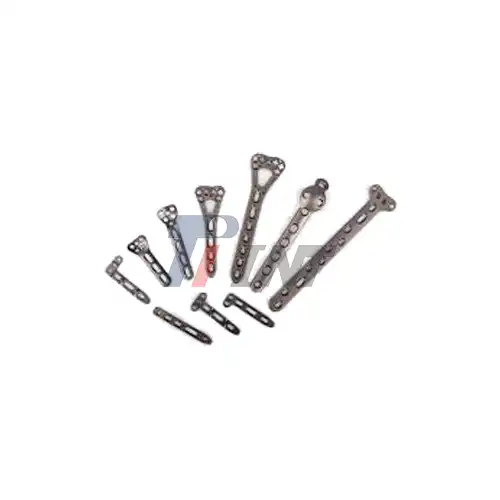
Titanium plate hand surgery involves the use of small, lightweight titanium plates to stabilize and support fractured or damaged bones in the hand. This technique has gained traction in recent years due to titanium's unique properties, including its biocompatibility, strength-to-weight ratio, and resistance to corrosion.
During the procedure, surgeons carefully position the titanium plate over the affected area and secure it with minuscule screws. This creates a robust framework that allows the bone to heal properly while maintaining the hand's natural alignment. The titanium plates can be left in place permanently or removed once healing is complete, depending on the patient's specific needs and the surgeon's recommendation.
One of the key advantages of titanium plate hand surgery is its versatility. It can be used to address a wide range of hand injuries and conditions, including:
- Complex fractures of the metacarpals and phalanges
- Severe sprains and ligament tears
- Arthritis-related joint instability
- Corrective procedures for congenital hand deformities
The use of titanium in these surgical applications has revolutionized hand surgery, offering patients improved outcomes and faster recovery times compared to traditional methods.
Titanium Plate Hand Surgery vs. Traditional Fixation Methods
To truly appreciate the benefits of titanium plate hand surgery, it's essential to compare it with other fixation methods commonly used in hand surgery. Let's examine how titanium plates stack up against some of these alternatives:
Kirschner Wires (K-wires)
K-wires are thin, rigid wires that can be inserted through the skin to hold bone fragments in place. While they are less invasive than titanium plates, they have several limitations:
- Limited stability, especially for complex fractures
- Risk of pin-tract infections
- Potential for wire migration
- Need for removal after healing
In contrast, titanium plate hand surgery offers superior stability and reduces the risk of complications associated with external fixation devices.
Cast Immobilization
While casting remains a viable option for certain hand injuries, it may not provide adequate support for more severe fractures or complex conditions. Titanium plate hand surgery allows for:
- More precise alignment of bone fragments
- Earlier mobilization and rehabilitation
- Reduced risk of joint stiffness and muscle atrophy
Intramedullary Nails
Intramedullary nails are metal rods inserted into the hollow center of bones. While effective for long bone fractures, they have limitations in hand surgery:
- Difficulty in addressing complex fracture patterns
- Limited use in smaller bones of the hand
- Potential for rotational instability
Titanium plate hand surgery offers greater versatility and stability, particularly for intricate hand injuries.
Advantages and Considerations of Titanium Plate Hand Surgery
As with any surgical technique, titanium plate hand surgery comes with its own set of advantages and considerations. Understanding these factors can help patients and healthcare providers make informed decisions about treatment options.
Advantages
- Enhanced Stability: Titanium plates provide robust support for fractured bones, promoting proper healing and alignment.
- Biocompatibility: Titanium is well-tolerated by the human body, reducing the risk of adverse reactions.
- Durability: The strength and corrosion resistance of titanium ensure long-lasting fixation.
- Faster Recovery: The stability provided by titanium plates often allows for earlier mobilization and rehabilitation.
- Versatility: Titanium plates can be used to address a wide range of hand injuries and conditions.
- Minimally Invasive Options: Some titanium plate systems can be inserted through small incisions, reducing surgical trauma.
Considerations
- Cost: Titanium implants may be more expensive than some alternative fixation methods.
- Potential for Cold Sensitivity: Some patients report increased sensitivity to cold temperatures in the affected area.
- Need for Removal: In some cases, a second surgery may be required to remove the titanium plate after healing.
- Imaging Interference: Titanium plates can create artifacts in MRI scans, potentially complicating future diagnostic imaging.
Despite these considerations, the benefits of titanium plate hand surgery often outweigh the potential drawbacks for many patients. The decision to use titanium plates should be made in consultation with an experienced hand surgeon, taking into account the specific nature of the injury or condition, as well as the patient's overall health and lifestyle factors.
Innovations in Titanium Plate Hand Surgery
The field of hand surgery continues to evolve, with ongoing research and development focused on improving titanium plate designs and surgical techniques. Some recent innovations include:
- Low-Profile Plates: Ultra-thin titanium plates that reduce soft tissue irritation and improve cosmetic outcomes.
- Variable-Angle Locking Systems: These allow surgeons to customize screw placement for optimal fixation in complex fractures.
- Bioabsorbable Coatings: Some titanium plates now feature coatings that promote bone growth and improve integration with surrounding tissues.
- 3D-Printed Custom Implants: Advanced manufacturing techniques allow for the creation of patient-specific titanium implants for complex hand reconstructions.
Conclusion
Titanium plate hand surgery represents a significant advancement in the treatment of hand injuries and conditions. Its ability to provide stable fixation, promote faster healing, and accommodate complex fracture patterns makes it a valuable tool in the hand surgeon's arsenal. While it may not be the ideal solution for every case, titanium plate hand surgery offers numerous advantages over traditional fixation methods in many scenarios.
As with any medical procedure, it's crucial to consult with a qualified hand surgeon to determine the most appropriate treatment approach for your specific situation. If you're considering hand surgery or would like to learn more about titanium implants for medical applications, don't hesitate to reach out to the experts at Baoji INT Medical Titanium Co., Ltd. Their team of professionals can provide valuable insights and information about the latest advancements in medical titanium technology. Contact them at export@tiint.com to explore how titanium innovations can benefit your healthcare needs.
References
1. Stevenson, I., & Carnegie, C. A. (2018). An Analysis of Metal Plate Removal in a Trauma Population: Why, When and by Whom? The Ulster Medical Journal, 87(1), 17-20.
2. Yoon, H. K., & Kim, S. B. (2019). Outcomes of Plate Fixation for Metacarpal and Phalangeal Fractures. Journal of Hand Surgery (Asian-Pacific Volume), 24(01), 1-6.
3. Tarallo, L., Mugnai, R., Adani, R., & Catani, F. (2014). Volar plate fixation for the treatment of distal radius fractures: analysis of adverse events. Journal of Orthopaedic Trauma, 28(8), e137-e142.
4. Hsu, L. P., Schwartz, E. G., Kalainov, D. M., Chen, F., & Makowiec, R. L. (2011). Complications of K-wire fixation in procedures involving the hand and wrist. The Journal of Hand Surgery, 36(4), 610-616.
5. Mehling, I., Müller, L. P., Delinsky, K., Mehler, D., Burkhart, K. J., & Rommens, P. M. (2010). Number and locations of screw fixation for volar fixed-angle plating of distal radius fractures: biomechanical study. The Journal of Hand Surgery, 35(6), 885-891.
_1752462620877.webp)
_1751956867796.webp)
_1750668405487.webp)
_1749191401740.webp)