

Gr 1 Pure Titanium Medical Bar Machining Tips for Beginners


 2026-03-06 16:14:35
To machine a Gr 1 Pure Titanium Medical Bar, you need to know a lot about the material's qualities and be very careful. Grade 1 titanium is the best grade that can be bought in stores. It is very biocompatible and doesn't rust, which makes it perfect for medical implants and surgical tools. When it comes to cutting, though, its unique properties make things more difficult. To get accurate tolerances and keep the purity of the material, you need to know how to choose the right cutting settings, tools, and cooling methods. This complete guide covers common cutting issues and gives sourcing professionals and engineers working with medical-grade titanium materials useful solutions.
|
|
|


Understanding Grade 1 Pure Titanium Medical Bar for Medical Applications
According to the commercially pure titanium classification, Grade 1 Pure Titanium is the purest type, with at least 99.5% titanium content. This very high level of purity sets it apart from other types of titanium and makes it very useful for making medical devices that must be biocompatible.
Material Properties and Characteristics
Because of how it is made, Grade 1 titanium presents both benefits and problems when it comes to cutting. It has a great strength-to-weight ratio of 76 kN·m/kg, which is much higher than stainless steel's 63 kN·m/kg. Its density is 4.51 g/cm³. Titanium has about half as much elastic elasticity as regular stainless steel. This makes it much more like the qualities of human bone.
This lower elastic modulus makes the material more biocompatible because it acts more like real bone when it comes to carrying weight. Also, Grade 1 titanium is easier to shape and bend than higher-strength metals like Ti-6Al-4V. This means that complicated shapes can be made without the risk of breaking.
Medical Applications and Industry Standards
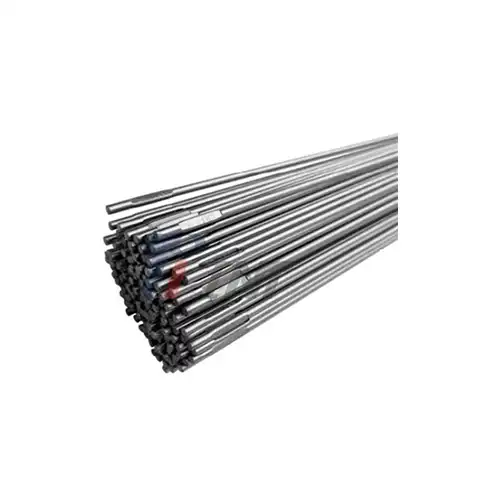
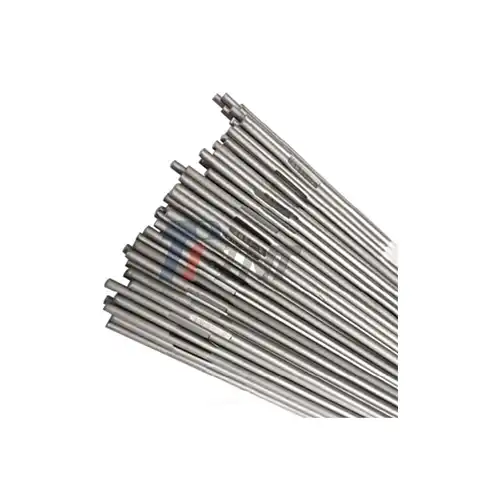
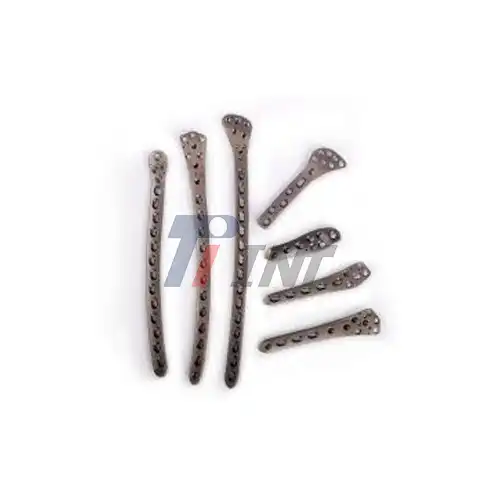
Manufacturers of medical devices rely on Gr 1 Pure Titanium Medical Bars for a wide range of critical applications that demand exceptional purity and biocompatibility. Common uses include surgical implants, orthopedic fixation devices, dental instruments, and specialized surgical tools. The material's non-magnetic properties and low thermal expansion coefficient further make it an ideal choice for MRI-compatible devices and high-precision instrumentation.
To be compliant in the industry, you have to follow strict rules, such as ASTM B348 for titanium bars, ISO 13485 for medical device quality management, and FDA rules for safe materials. These standards make sure that the qualities of materials stay the same and that they can be tracked all the way through the supply chain. These are important things for people who buy medical devices.
Common Challenges When Machining Grade 1 Pure Titanium Medical Bar
Machining Grade 1 titanium has its own problems that can have a big effect on how well it is made and how well it works. Knowing about these problems helps with planning and improving the process of factory activities.
Work Hardening and Heat Generation Issues
The hardest thing about working with Grade 1 titanium is that it tends to work harden quickly. This effect happens when the surface of the material gets harder while it is being cut, which speeds up tool wear and could cause errors in the measurements. Grade 1 has a strong work hardening effect because it is made up of pure elements and doesn't have any alloying elements that might lessen this effect.
Adding heat to these problems makes them much worse. Titanium doesn't transfer heat well, so the heat from cutting stays where it's supposed to stay—at the joint between the tool and the workpiece. This increase of localized heat can reach temperatures higher than 1000°C, which breaks down tools quickly and could contaminate the surface, which is not biocompatible.
Surface Integrity and Contamination Risks
For medical uses, it is very important to keep the surface's structure during cutting. When you cut something at a high temperature, the surface can oxidize, leaving behind a dirty layer that changes how safe the material is. Oxidation shows up as a range of colors, from yellow to blue. This is a sign of heat damage that might need to be fixed with extra processing steps.
A big problem that comes up is chip removal. Because titanium is flexible, it makes long, stringy chips that can wrap around cutting tools and workpieces. Bad chip control can cause surface scratches, differences in size, and even safety risks for machine workers.
Essential Machining Tips for Beginners Working with Grade 1 Pure Titanium
To machine Grade 1 titanium well, you need to pay close attention to the cutting settings, the tools you use, and how you cool the work. The following rules will help you get regular results while keeping the purity of the material.
Tool Selection and Cutting Parameters
Choosing the right cutting tools is an important part of successfully making titanium. Grade 1 titanium is best cut with carbide tools that have clear, sharp edges and good rake angles. The positive rake shape lowers the cutting forces and keeps the tendency for work hardening to a minimum. Titanium aluminum nitride (TiAlN) or chromium nitride (CrN) layers on tools make them last longer by blocking heat and lowering friction.
To get the best cutting speed for processing a Gr 1 Pure Titanium Medical Bar, you have to find a precise balance between material removal rate and tool life. For turning tasks, surface speeds in the range of 150 to 300 feet per minute are typically recommended, paired with feed rates of 0.005 to 0.020 inches per revolution. These conservative parameters help maintain reasonable production rates while effectively controlling heat generation, which is critical for preserving the material's integrity and achieving the required surface finish and dimensional accuracy.
Cooling and Lubrication Strategies
When working with titanium, it is very important to cool it down properly. When you use flood coolant, you should send a lot of high-pressure coolant straight to the cutting zone. Coolants that are based on water and have good heat transfer work best. However, synthetic coolants made specifically for titanium machining may be needed in some situations.
Keeping the flow of water steady stops thermal cycling, which can damage tools and workpieces by creating tiny cracks. It is important to keep an eye on the coolant concentration because titanium cutting creates small bits that can get into coolant systems and make them less effective over time.
Quality Control and Inspection Protocols
Medical parts need to be very accurate in terms of their dimensions and surface finish, so they need strict quality control measures. Using coordinate measuring machines (CMMs) for regular inspections makes sure that all production runs follow the same dimensions. Surface roughness measurements should be used to make sure that the finish meets the standards for medical devices. These measurements should be between 0.1 and 1.6 micrometers Ra, based on the needs of the application.
To keep biocompatibility, rules for preventing contamination must be made. This includes special tools for working with titanium, the right way to clean between processes, and air controls to keep outside materials from getting into the process.
Selecting and Procuring Grade 1 Pure Titanium Medical Bars for Machining
When buying Grade 1 titanium bars strategically, you need to carefully look at the skills of the suppliers, the certifications of the materials, and the quality assurance programs. Making smart choices about what to buy has a direct effect on how well the machine works and how good the end result is.
Supplier Evaluation and Certification Requirements
When you're looking at possible suppliers, you need to look at their quality control systems, production skills, and ability to maintain certifications. Look for providers that have ISO 13485 medical device quality certification. This shows that they know what the medical business needs. ASTM B348 compliance makes sure that the qualities of the material meet the standards for titanium bars.
When you look at a company's production capabilities, you should look at the sizes they offer, the services they offer for special processing, and the technical help they provide. Suppliers who have their own testing facilities can give material certificates that include a full chemical analysis and proof of the material's mechanical properties. This is necessary to meet the traceability standards for making medical devices.
Cost Optimization and Lead Time Management
To find a good balance between cost and quality, you need to understand market dynamics and how suppliers determine pricing for critical components like the Gr 1 Pure Titanium Medical Bar. Pricing often improves with volume commitments, but this must be weighed against the carrying costs of holding significant inventory. Establishing strategic blanket purchase orders with scheduled releases can be an effective solution, achieving cost savings through committed volumes while maintaining the flexibility to adjust to fluctuating production demands.
When you plan your lead time, you should include time for processing materials, checking their quality, and transporting them. Processing times for grade 1 titanium bars are usually longer because of the need for uniformity and quality control. Keeping the right amount of safety stock on hand keeps output from stopping and keeps the need for working capital to a minimum.
Enhancing Production Efficiency and Long-Term Value
When you optimize your machining processes and ties with suppliers, you gain long-term competitive benefits and lower your total cost of ownership. Long-term wealth creation is driven by strategic relationships and efforts to make things better all the time.
Process Optimization and Waste Reduction
Using lean manufacturing concepts that are especially designed for working with titanium can make things run much more smoothly. This includes making setup procedures as efficient as possible so that changeover times are kept to a minimum, setting up routine repair plans for cutting tools to keep them in good shape, and creating standard operating procedures that make sure results are the same for all workers and shifts.
Strategies for lowering scrap mainly focus on avoiding common mistakes in cutting by making the process more controlled. Monitoring cutting forces, sound, and tool wear in real time helps find problems before they cause parts to be rejected. Statistical process control methods help find process drift early on and make it easier to fix problems before they happen.
Technology Integration and Future Trends
As advanced cutting technologies keep getting better, they open up new ways to handle titanium better. With better spindle designs and water delivery methods, high-speed machining centers can be more productive while still meeting quality standards. Adaptive control systems change the cutting settings automatically based on feedback received in real time. This improves performance throughout the whole machine cycle.
Adding automation lowers the cost of work and raises the level of accuracy. Robotic filling systems and automated tool changes cut down on the need for people to do things, which makes things safer and less likely to get contaminated. When making a lot of medical devices, where accuracy and tracking are very important, these technologies become very useful.
Conclusion
To become an expert at making Grade 1 Pure Titanium Medical Bars, you need to know how the material works, how to use the right cutting methods, and how to build trusting relationships with suppliers. It's important to pay close attention to the right tools, cutting factors, and cooling methods that keep the material's structure while getting the right measurements. Strategic buying from approved sources makes sure that the standard of the materials stays the same and that regulations are followed. Long-term success in medical device manufacturing depends on constantly improving processes and adopting new technologies. This is why these basics are so important for procurement workers and engineers who work with medical-grade titanium materials.
FAQ
What makes Grade 1 titanium different from other titanium grades for medical applications?
Grade 1 titanium is the purest, with at least 99.5% titanium content. It is better for biocompatibility and shapeability than alloyed grades like Ti-6Al-4V. It's not very strong, but it's very flexible, which makes it perfect for uses that need complicated shaping and the highest level of biocompatibility.
How can I prevent work hardening when machining Grade 1 titanium bars?
To keep cutting tools sharp, use positive rake angles, and avoid delayed cuts to stop work from hardening. To keep surface work from getting too hard, keep cutting speeds constant, make sure there is enough coolant flow, and don't stay in one place during machine processes.
What cutting speeds and feeds work best for Grade 1 titanium machining?
Cutting speeds of 150 to 300 feet per minute and feed rates of 0.005 to 0.020 inches per turn are what you should use. These settings should be changed based on the tools, machine skills, and shape of the part, while still allowing enough coolant flow.
Which certifications should I look for when sourcing Grade 1 titanium bars?
AsTM B348 for material standards, ISO 13485 for medical device quality management, and FDA approval for biocompatible materials are all important certificates. Suppliers should give full chemistry analyses and checks of the materials' mechanical properties on material documents.
How important is coolant selection for titanium machining operations?
Choosing the right coolant is very important for successfully cutting titanium. The best coolants are water-based ones that are high-volume, high-pressure, and good at moving heat. To keep heat damage and tool wear from happening, make sure the coolant is applied directly to the cutting zone and at the right concentration.
What surface finish requirements are typical for medical Grade 1 titanium components?
Depending on the use, medical titanium parts usually need surface finishes that are between 0.1 and 1.6 micrometers rough. Implant areas may need smoother finishes, while structural parts may be able to handle slightly rougher finishes as long as biocompatibility standards are met.
Partner with Baoji INT Medical Titanium Co., Ltd. for Superior Gr 1 Pure Titanium Medical Bar
With more than 20 years of experience making medical titanium products, Baoji INT Medical Titanium Co., Ltd. is the company you can trust to make your Gr 1 Pure Titanium Medical Bar. Our ISO 13485:2016 and CE-certified production sites make sure that the quality of your important medical device applications always meets regulatory standards. To meet your strict buying needs, we offer full expert help for machining optimization, custom sizing choices, and full traceability paperwork. Our experienced engineering team can help you solve your unique machine problems and make your production processes more efficient by giving you personalized advice. Email us at export@tiint.com to talk about your titanium bar needs and find out how our proven experience can help your medical device making.
References
1. Committee for the ASM International Handbook. The ASM International Handbook, Volume 2, 1990, has an article called "Properties and Selection: Nonferrous Alloys and Special-Purpose Materials."
2. Rodney R. Boyer Jr. Material Science and Engineering: A, Vol. 213, Nos. 1-2, 1996. "An Overview on the Use of Titanium in the Aerospace Industry."
3. Donachie, Matthew J. It was published by ASM International in 2000 and is called "Titanium: A Technical Guide, 2nd Edition."
4. Lee, Gerd, and James C. Williams. First published in 2007 by Springer-Verlag Berlin Heidelberg, "Titanium: Engineering Materials and Processes."
5. They are M. Peters, J. Kumpfert, C.H. Ward, and C. Leyens. Advances in Engineering Materials, Vol. 5, No. 6, 2003, "Titanium Alloys for Aerospace Applications."
6. Rack and Henry J. and John I. Qazi. "Titanium Alloys for Biomedical Applications." Materials Science and Engineering: C, Vol. 26, No. 8, 2006.
_1753426807653.webp)
_1752820927376.webp)
_1752817116199.webp)
_1751620280646.webp)