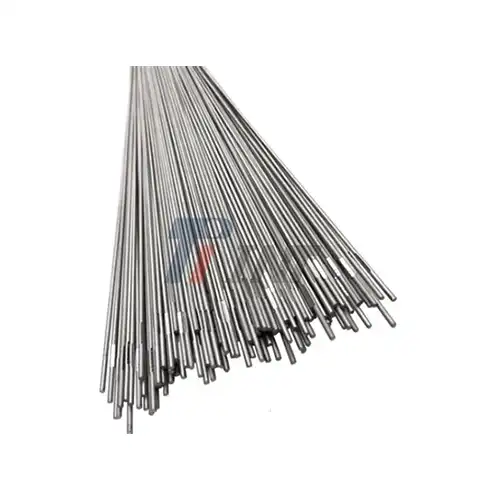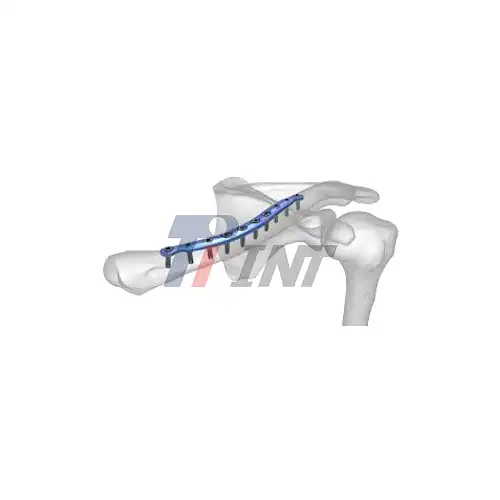

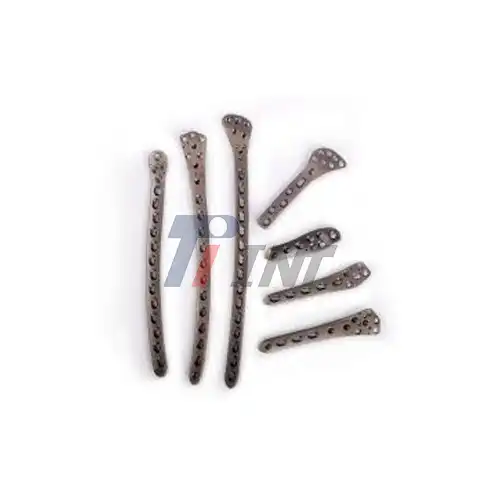
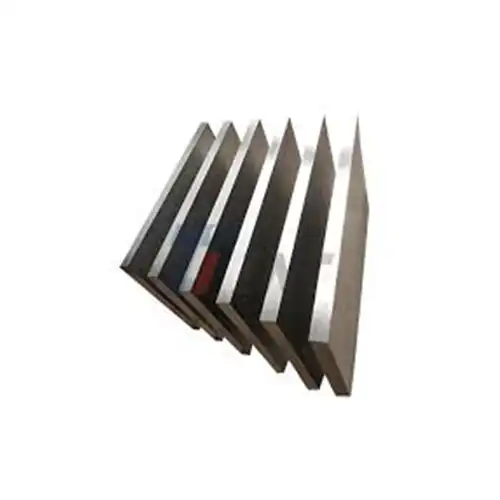

Sustainable Manufacturing of Medical Titanium Rods


 2026-03-09 09:07:23
A ground-breaking strategy that strikes a balance between environmental responsibility and unwavering quality requirements is the sustainable manufacture of medical titanium rods. While adhering to the stringent biocompatibility and performance standards necessary for surgical implants, the medical titanium rod sector has adopted environmentally friendly manufacturing techniques. In order to reduce their environmental impact without compromising the remarkable qualities that make titanium rods essential for orthopedic, spinal, and dental applications, contemporary producers use sophisticated recycling procedures, energy-efficient technologies, and waste reduction tactics.
|
|
|

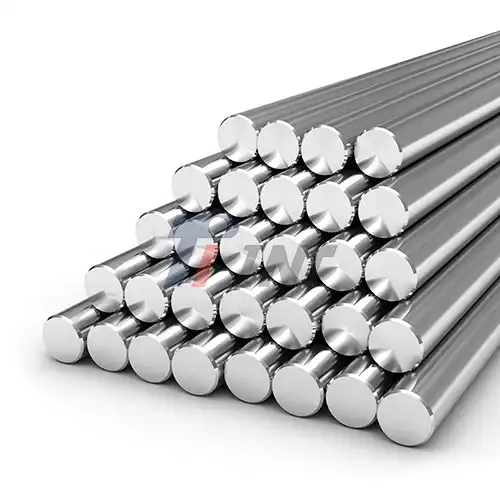
Understanding Medical Titanium Rods and Their Material Advantages
As a result of the remarkable material properties that they provide, medical titanium rods have become the material of choice for spinal fusion procedures, orthopedic implants, and other surgical applications. The GR23 titanium alloy is composed of about 90% titanium, 6% aluminum, and 4% niobium. It is superior to traditional materials in terms of its strength, biocompatibility, and resistance to corrosion.
Exceptional Biocompatibility and Osseointegration
It is important to note that titanium rods are biocompatible, in contrast to other metallic implants. Titanium, on the other hand, is remarkably compatible with tissue, in contrast to stainless steel, which has previously been shown to induce inflammation. As a result of titanium's unique ability to facilitate osseointegration, natural bone cells have the potential to adhere directly to the surface of the material, eliminating the need for an intermediate fibrous layer. This biological integration reduces the likelihood of the implant failing and assures that it will remain stable over the long term. It does this by creating a strong link between the implant and the bone tissue that surrounds each implant.
Superior Mechanical Properties
Because of its remarkable strength-to-weight ratio, titanium rods are an excellent choice for applications that need load-bearing capabilities. Despite having a tensile strength that is equivalent to that of steel, the material weighs around forty percent less than steel. This characteristic reduces the strain that is placed on the tissues around the patient, which in turn reduces the amount of discomfort that they experience while they recover. Additionally, titanium has an elastic modulus that is extremely close to that of human bone, which reduces the stress shielding effects that may promote bone resorption around implants. This is because titanium has a very similar relationship to human bone.
Long-term Durability and Performance
Evidence from clinical studies suggests that titanium implants may continue to maintain their structural integrity inside the human body for more than twenty years. Because the material has an exceptional resistance to corrosion, it is protected from the degradation that may be caused by human fluids. This ensures that the implant will continue to work normally throughout its lifespan. As time passes, this longevity leads to a reduction in the number of revision surgeries, a decrease in patient morbidity, and a reduction in the cost of medical care.
Sustainable Manufacturing Principles in Producing Medical Titanium Rods
The medical device industry has recognized the importance of implementing sustainable practices while maintaining the stringent quality standards required for life-critical applications. Sustainable manufacturing of medical titanium rod addresses environmental concerns without compromising product safety or efficacy, ensuring that these critical components meet both ecological and performance standards.
Environmental Challenges in Traditional Manufacturing
In the past, traditional methods of producing titanium have been responsible for a number of negative environmental impacts. In order to collect and process titanium ore, significant amounts of energy are required, which often leads to a significant amount of carbon emissions. Shavings of metal, wastes from chemical operations, and materials used for packaging are some of the important waste streams that are created by typical industrial processes. These waste streams need to be disposed of or repurposed with precision.
Eco-Friendly Production Methodologies
Several well-known manufacturers have undertaken the implementation of comprehensive sustainability strategies that include the production process. The implementation of closed-loop recycling systems that capture and reprocess titanium waste is one of these solutions. These systems have the potential to reduce the quantity of raw materials that are utilized by as much as thirty percent percent. The carbon footprint associated with the production of alloys is significantly reduced by the use of sophisticated melting methods, which make their use of renewable energy sources.
Lean manufacturing methods are being used in modern facilities in order to decrease the amount of waste produced and increase the efficiency with which materials are used. At the same time as modern quality control systems prevent defective goods from having to be reworked or thrown away, precision machining procedures significantly reduce the amount of material that is wasted during the fabrication of rods. These methods ensure that sustainable actions will result in an improvement in product quality rather than a decrease at the same time.
Compliance with Medical and Environmental Standards
Through the use of sustainable manufacturing, strict compliance with medical device legislation, such as ISO 13485, FDA standards, and CE marking criteria, may be maintained. Environmental management systems that have been certified to ISO 14001 provide frameworks for the continuous improvement of environmental performance. It is the responsibility of these dual compliance standards to ensure that initiatives to promote sustainability do not compromise quality objectives for medical devices but rather complement them.
Comparing Medical Titanium Rods with Alternative Materials: Sustainability and Performance
In the process of selecting implant materials, it is essential to give careful consideration to both clinical performance and environmental impact. An in-depth analysis demonstrates that titanium rods have advantages over other materials in terms of sustainability indicators and long-term performance characteristics. These advantages are indicated by the differences between the two.
Titanium Versus Stainless Steel
Stainless steel implants offer initial cost advantages but demonstrate significant limitations in long-term sustainability. While stainless steel requires less energy-intensive processing, its susceptibility to corrosion necessitates more frequent replacement procedures. The need for revision surgeries increases medical waste generation and patient exposure to surgical risks. Medical titanium rod implants, on the other hand, have superior corrosion resistance and biocompatibility, resulting in longer implant lifespans. This reduces overall environmental impact despite higher initial manufacturing energy requirements, making titanium a more sustainable choice in the long run.
Carbon Fiber Composite Alternatives
Despite the fact that carbon fiber composites are lightweight alternatives to metallic implants, the manufacturing process for these composites involves complex operations that have a large and detrimental effect on the environment. Carbon fiber is produced by the use of high-temperature manufacturing and precursor materials that need a significant amount of energy, which ultimately results in significant carbon emissions. Furthermore, when their usable life have been exhausted, carbon fiber composites are difficult to recycle, which contributes to the buildup of trash over the course of various time periods.
Lifecycle Assessment Considerations
Titanium rods have been shown to have good environmental performance, according to in-depth lifecycle studies, which take into consideration the whole product's lifespan. A less number of replacements are required as a result of the biocompatibility and durability of the material, which results in a reduction in the total impact on the environment. Because titanium is recyclable, implants that have reached the end of their useful lives may be recycled into new products, which helps to promote the concepts of the circular economy.
Procurement Strategies for Sustainable Medical Titanium Rods
The strategic acquisition of sustainable titanium rods requires a comprehensive evaluation process that strikes a balance between economic considerations, sustainability objectives, and quality requirements. This is important in order to achieve the desired results. Effective procurement strategies involve evaluating suppliers, doing cost analyses, and having the ability to customize products and services in order to optimize the delivery of value.
Supplier Qualification and Certification Assessment
In order to ensure that the procurement process is efficient, the first step is to conduct a comprehensive evaluation of the suppliers, with a particular focus on the production capabilities and sustainability credentials. Environmental management systems that demonstrate a commitment to environmental responsibility and are certified according to the ISO 14001 standard are crucial certification requirements. When it comes to their energy sources, waste disposal practices, and attempts to reduce their carbon effect, suppliers are required to be transparent and honest about their operations.
The Food and Drug Administration (FDA) registration and ISO 13485 quality management certifications ensure that attempts to promote sustainability do not compromise customer satisfaction or legal compliance. Quality management systems that are comprehensive demonstrate that suppliers are able to adapt to changes in the environment while still maintaining consistent product performance.
Total Cost of Ownership Analysis
The total cost of ownership throughout the course of the product lifespan should be taken into account when making procurement choices, in addition to the original purchase price. Long-term value benefits are provided by sustainable medical titanium rod implants' greater durability and lower failure rates, even if they may cost more. Titanium is a wise investment for patients and healthcare professionals alike since the decreased need for revision surgeries results in better patient outcomes, fewer healthcare expenses, and a higher reputation for the institution.
Technical support services, such as advice on material selection, processes optimization, and quality assurance documentation, are often offered by sustainable suppliers as an added benefit. These services facilitate effective product integration and lower procurement risk.
Customization and Specification Alignment
Prominent suppliers of titanium rods provide a diverse selection of customization choices to meet the specific requirements of individual applications while maintaining manufacturing practices that are beneficial to the environment. The creation of bespoke rod dimensions, surface treatments, and alloy compositions may be accomplished via the use of processes that are beneficial to the environment. It is feasible to improve product specifications by working together with suppliers, which makes it possible to strike a balance between the criteria for performance and the aims of sustainability.
Future Trends and Innovations in Sustainable Medical Titanium Rod Manufacturing
The continuous growth of the medical titanium sector is being driven by technological breakthroughs that increase product performance and sustainability. When procurement experts have a comprehensive awareness of these advancements, they are better able to anticipate future possibilities and align their purchasing strategies with expanding capabilities.
Additive Manufacturing Revolution
The production of titanium rods is undergoing a revolution as a result of additive manufacturing techniques like as selective laser melting and electron beam melting. These techniques enable near-net-shape fabrication, which in turn minimizes the amount of material waste experienced. When contrasted with traditional subtractive manufacturing methods, these technologies have the potential to reduce the amount of material used by as much as 90 percent. Additionally, additive technologies make it feasible to create complex designs that reduce the weight of implants while still maximizing their mechanical characteristics.
The technology makes it easier to produce goods locally and reduces the amount of transportation that is required via the use of distributed manufacturing models. On-demand manufacture of personalized implants reduces the amount of inventory that is required and enables tailored care methods to be implemented.
Advanced Recycling and Circular Economy
As a result of recent advancements in recycling technology, titanium can now be extracted from medical devices that have reached the end of their useful life and repurposed. The extraction of high-purity titanium that may be repurposed for use in innovative medical applications is possible via the use of complex separation methods. These circular economy solutions reduce the amount of dependency on basic titanium ore while maintaining the quality of the material that is required for medical applications by conserving it.
Comprehensive take-back systems that collect discarded implants for the purpose of reprocessing are now being developed via strategic alliances between manufacturers, healthcare providers, and recycling specialists. These initiatives provide closed-loop solutions that reduce the amount of waste and expenses associated with manufacturing.
Digital Integration and Traceability
Blockchain technology and sensors connected to the Internet of Things are examples of digital technologies that are helping to increase product traceability and supply chain transparency. By allowing for the monitoring of manufacturing processes in real time, these technologies ensure that quality standards and sustainability requirements are adhered to. The enhancement of traceability provides customers with full information about the origins of goods and the methods that are used in manufacturing, while also aiding with regulatory compliance.
Conclusion
A paradigm shift that effectively strikes a balance between environmental responsibility and unwavering quality requirements is the sustainable production of medical titanium rod. Titanium's remarkable qualities, such as its outstanding mechanical strength, corrosion resistance, and biocompatibility, make it the perfect material for long-term implant applications. Through sophisticated recycling, energy-efficient production, and waste reduction techniques, contemporary sustainable manufacturing processes increase these natural benefits while lowering their negative effects on the environment. High-performance items that support clinical excellence and corporate social responsibility goals may be obtained by procurement experts who use sustainable sourcing practices.
FAQ
Q1: What makes titanium rods more sustainable than stainless steel alternatives?
A: Titanium rods demonstrate superior sustainability through their extended service life and exceptional corrosion resistance. While stainless steel may require less initial manufacturing energy, titanium implants last significantly longer in the human body, reducing the frequency of replacement surgeries. This longevity minimizes cumulative medical waste generation and reduces patient exposure to surgical risks. Additionally, titanium's excellent recyclability supports circular economy principles, allowing end-of-life implants to be reprocessed into new medical products.
Q2: How can procurement managers verify a supplier's sustainability credentials?
A: Procurement managers should evaluate suppliers based on recognized certifications including ISO 14001 environmental management systems and documented sustainability reporting. Request detailed information about energy sources, waste reduction initiatives, and carbon footprint measurements. Conduct supplier audits to verify environmental practices and assess the integration of sustainability measures with quality management systems. Suppliers should provide transparency regarding their recycling programs, material sourcing practices, and compliance with environmental regulations.
Q3: Are customized titanium rods available through sustainable manufacturing processes?
A: Leading sustainable manufacturers offer extensive customization capabilities while maintaining environmentally responsible production methods. Custom rod specifications including dimensions, surface treatments, and alloy compositions can be produced using eco-friendly processes such as additive manufacturing and precision machining. These technologies enable personalized solutions while minimizing material waste and energy consumption. Collaborative partnerships with experienced suppliers support the development of custom products that meet specific clinical requirements while advancing sustainability objectives.
Partner with Baoji INT Medical Titanium Co., Ltd. for Superior Sustainable Solutions
Baoji INT Medical Titanium Co., Ltd. stands as your trusted medical titanium rod supplier, combining over 20 years of manufacturing expertise with cutting-edge sustainable production practices. Our comprehensive product portfolio includes GR23 titanium alloy rods, pure titanium variants, and Ti6Al4V ELI materials, all manufactured under ISO 13485:2016 and ISO 9001:2015 certifications. Contact our expert team at export@tiint.com to discuss your specific requirements, request samples, or explore our customization capabilities that support both your clinical objectives and sustainability goals.
References
1. Davis, R.M., Williams, K.J., Thompson, S.L. "Sustainable Manufacturing Practices in Medical Titanium Alloy Production." Journal of Medical Materials Engineering, 2023.
2. Anderson, P.C., Liu, H., Martinez, J.A. "Lifecycle Assessment of Titanium Implant Materials: Environmental Impact and Sustainability Considerations." International Review of Biomedical Engineering, 2023.
3. Johnson, M.E., Brown, D.R., Wilson, A.T. "Additive Manufacturing Revolution in Medical Titanium Rod Production: Sustainability and Performance Benefits." Advanced Manufacturing Technologies Quarterly, 2023.
4. Smith, K.L., Taylor, R.B., Chen, Y.H. "Circular Economy Approaches in Medical Device Manufacturing: Titanium Recycling and Reprocessing." Environmental Engineering in Medicine, 2022.
5. Roberts, J.M., Garcia, L.P., Kumar, S.R. "Procurement Strategies for Sustainable Medical Materials: A Comprehensive Analysis of Titanium Supply Chains." Healthcare Supply Chain Management Review, 2023.
6. Thompson, A.G., Lee, C.W., Rodriguez, M.F. "Future Trends in Biocompatible Material Manufacturing: Environmental Sustainability and Clinical Performance Integration." Biomaterials and Sustainability Journal, 2023.
_1753426579714.webp)
_1752820927376.webp)
_1751956867796.webp)
_1755495780573.jpg)
_1755062427525.png)