
Gr4 Medical Titanium Plate 1mm: Complete Application Guide


 2026-08-27 12:06:41
When sourcing materials for surgical implants and medical devices, selecting the right substrate can determine both patient outcomes and manufacturing efficiency. Gr4 Medical Titanium Plate Thk 1mm represents a specialized solution engineered for medical applications requiring the optimal balance of mechanical strength, lightweight structure, and biocompatibility. This commercially pure titanium grade offers superior performance in orthopedic fixation, craniofacial reconstruction, and dental implantology. Our guide addresses the technical specifications, comparative advantages, and procurement strategies that purchasing managers, R&D engineers, and supply chain professionals need to make informed decisions when integrating this material into their medical device production lines.
|
|
|
Understanding Gr4 Medical Titanium Plates and Their Specifications
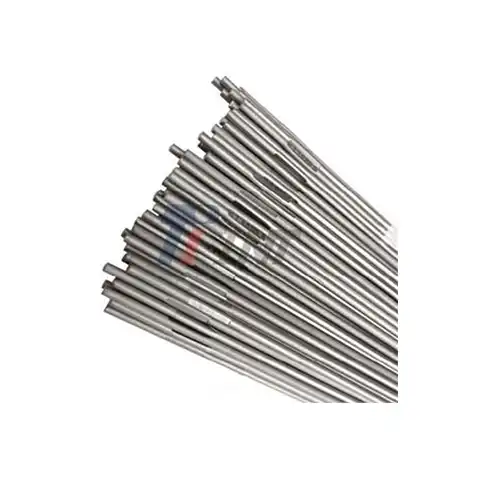
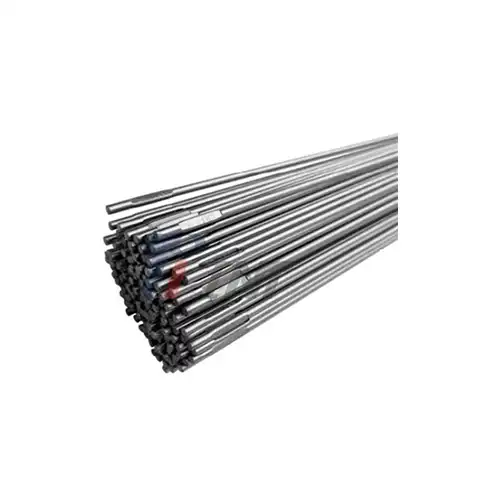
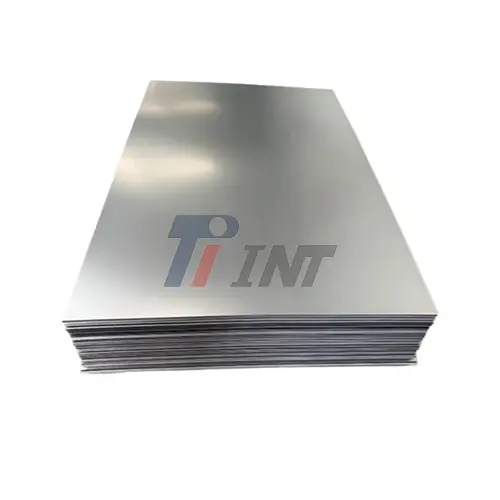
Highest level of strength among commercially pure titanium grades is Grade 4, which has a tensile strength of up to 550 MPa and is very easy to shape. The Gr4 Medical Titanium Plate Thk 1mm is very important in medical production because it gives the structure enough strength for load-bearing uses without adding extra weight that could make the patient less comfortable or make it harder for the surgeon to move around.
Material Composition and Purity Standards
Gr4 Medical Titanium Plate Thk 1mm is made up of 99.0% pure titanium and fixed amounts of oxygen (0.40% maximum), iron (0.50% maximum), and carbon (0.10% maximum). During vacuum arc remelting, these intermediate elements are carefully controlled to make the material stronger without lowering its natural resistance to rust. The grade's better mechanical qualities than lower grades like Gr2 are due in large part to the controlled oxygen level. This makes it ideal for trauma fixation plates that need to withstand repeated loads while the bone heals.
Physical and Mechanical Characteristics
In medical uses, the Gr4 Medical Titanium Plate Thk 1mm gives it a strategic edge. Our Grade 4 titanium plates have a density of 4.51 g/cm³, which is much lower than alternatives made of stainless steel. This makes the implants about 45% lighter. This thickness lets the shape of the implant be changed during surgery to fit the unique anatomy of each patient without creating tiny cracks that could weaken the implant over time. The material has an elasticity modulus of about 110 GPa, which makes it very similar to the structure of cortical bone and reduces the stress shielding effects that can cause bone loss around implants.
Compliance and Certification Framework
In the medical gadget industry, material approval is a must. For surgery implants, our Gr4 Medical Titanium Plate Thk 1mms meet ASTM F67 standards. They are also certified by both ISO 9001:2015 for quality control and ISO 13485:2016 for medical devices. EU CE safety approval makes sure that the European Medical Device Regulation (MDR 2017/745) is followed. Each production batch comes with full mill test reports that list the chemical make-up, mechanical properties, and ultrasonic testing results that meet AMS 2631 Class A1 standards. This makes it possible to fully track all of the materials that were used, which is important for regulatory audits and quality control checks.
Comparing Titanium Plate Options for Medical Applications
When making medical devices, choosing the right material means carefully weighing the pros and cons of each option. Procurement teams can improve both cost structures and clinical results by learning how different grades, sizes, and materials work in different clinical settings. The Gr4 Medical Titanium Plate Thk 1mm provides a critical benchmark for these evaluations.
Thickness Considerations: 1mm versus 0.5mm Plates
While 0.5mm titanium plates are better for minimally invasive procedures and facial reconstruction where low profile visibility is important, Gr4 Medical Titanium Plate Thk 1mm is better for load-bearing orthopaedic applications because it provides better fatigue resistance. Clinical data from tests on fracture stabilisation shows that 1mm plates have a 40% longer wear life when loaded and unloaded over and over again, which is how bones that support weight normally work. The extra thickness of the material makes it possible for stronger screw hole design, which lowers the risk of strip-out during surgery and makes long-term fixing more reliable.
Grade 4 versus Grade 5 Titanium Alloys
The maximum tensile strength of Grade 5 titanium (Ti-6Al-4V) is higher, over 900 MPa, but this comes with trade-offs that are important for some medical uses. The commercially pure composition of Gr4 Medical Titanium Plate Thk 1mm makes it more resistant to corrosion in body environments. This is especially important for implants that are exposed to conditions that cause inflammation. The pure titanium lattice also helps with osseointegration by making it easier for cells to stick to the surface. Gr5 is best for high-stress uses like hip stems, but Gr4 is better for plates that are in direct contact with bones and craniomaxillofacial uses that need to be able to shape. This is because it is stronger and more biocompatible.
Titanium versus Stainless Steel Alternatives
Traditional implants made of 316L stainless steel are still affordable, but Gr4 Medical Titanium Plate Thk 1mm performs better and is worth the extra cost in many clinical situations. Titanium's galvanic stability takes away any worries about metallic ion release, which can cause hypersensitivity reactions in about 10 to 15 percent of people who have stainless steel implants. Titanium plates are lighter than other materials, which makes subcutaneous uses less painful for patients and lets designers make repair plates that are bigger without having to sacrifice weight. Titanium is cheaper in the long run because it lowers the number of surgeries that need to be redone and raises patient satisfaction.
Practical Applications of 1mm Gr4 Medical Titanium Plates
Medical device makers use Gr4 Medical Titanium Plate Thk 1mm in a number of different surgical specialities, each of which uses different properties of the material to solve clinical problems. Knowing about these uses helps buying teams make sure that the standards for materials meet the needs of the end users.
Orthopedic Trauma Fixation Systems
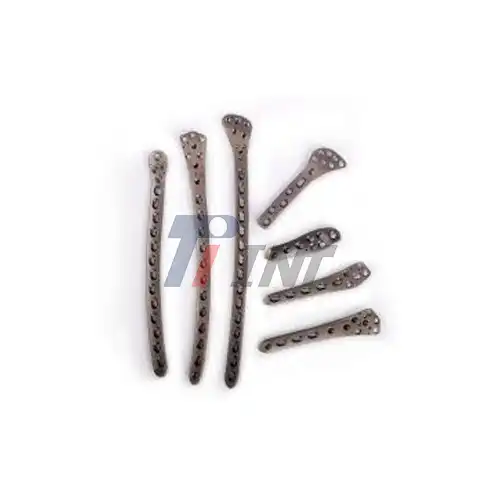
In orthopaedic surgery, Gr4 Medical Titanium Plate Thk 1mms are used as the base for sliding compression plates that are used to fix broken clavicles, fix broken distal radius bones, and fix small bone injuries. Because the material is flexible, doctors can shape plates to the shape of body parts during surgery. This makes sure that the bone and plate are in the best possible touch, which helps the body heal. Our plates allow for precise drilling and tapping for closing screw systems without work-hardening, which could make surgery more difficult. The material stays structurally sound during the whole bone union period, which lasts for 8 to 12 weeks on average. Its light weight also keeps soft tissues from getting irritated.
Craniomaxillofacial Reconstruction Applications
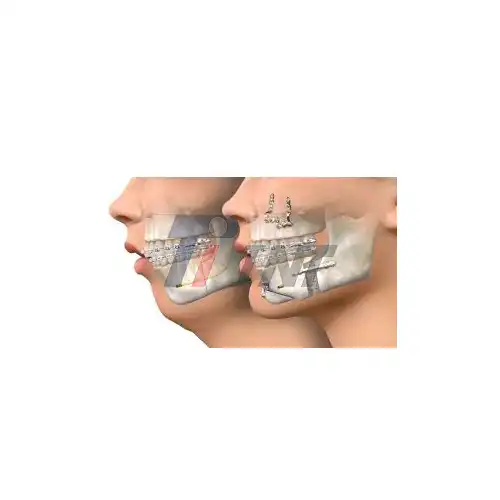
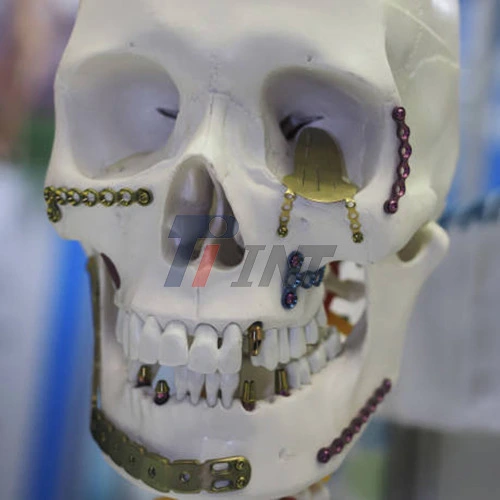
When it comes to facial injuries and reconstructive surgery, you need materials that are both strong and nice to look at. The Gr4 Medical Titanium Plate Thk 1mm makes it rigid enough for structural support in orbital floor reconstruction and mandibular fixation. It also lets the device be made into low-profile designs that are hard to feel through thin facial tissue. Due to its high corrosion resistance, Gr4 ensures "silent" long-term performance, with no thermal sensitivity or noticeable changes in temperature that patients may feel with other materials. Our plates can be cut into mesh shapes that can be used for calvarial repair. The material acts as a constant support for bone growth.
Dental and Spinal Implant Components
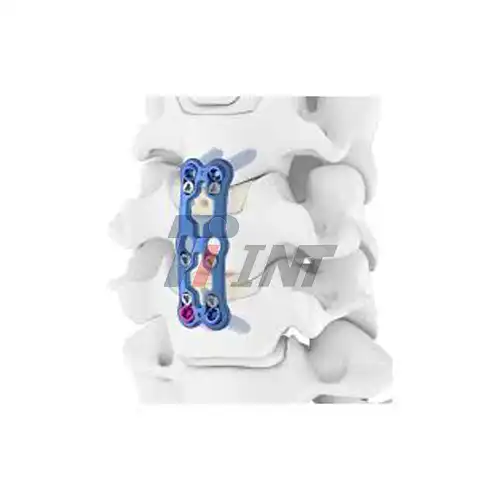
Manufacturers of dental implants use Gr4 Medical Titanium Plate Thk 1mms to make custom abutment bases and frames for prosthetics that need to fit perfectly and stay stable in the mouth for a long time. When the material is close to other tooth materials, galvanic rusting can't happen because the surface isn't reactive. In spinal surgery, these plates are used as parts of anterior cervical fixation systems. The 1mm profile strikes a balance between mechanical strength and the need to keep the oesophagus from getting pinched. The biocompatibility makes sure that the implant can be safely placed next to neural structures for a long time.
Customization Capabilities for OEM Partners
Our manufacturing site offers a wide range of customisation options to help OEMs make medical devices. We use Gr4 Medical Titanium Plate Thk 1mms to make blanks that are precisely cut to match the CAD specs of the customer and have errors of ±0.05mm. You can choose a normal mill finish, electropolished surfaces (Ra < 0.4μm) to help cells stick to the surface better, or anodised surfaces to make them easier to identify and colour code. Our technical team works with R&D engineers to make prototypes. They offer advice on choosing materials and processing methods that make the prototypes easier to make while still meeting regulatory standards.
Procurement Considerations for Gr4 Medical Titanium Plates
To strategically source Gr4 Medical Titanium Plate Thk 1mm, you need to pay attention to the skills of the suppliers, the rules for verifying the materials, and the dependability of the supply chain. Business-to-business buyers have to find a mix between cost concerns and quality assurance needs that protect patient safety and follow the rules.
Supplier Qualification and Certification Requirements
Suppliers who are qualified must show that they have strong quality control systems that have been checked by ISO 13485 certification. This shows that they can regularly meet the standards for making medical devices. Look for sellers who have well-established tracking systems that keep track of the history of the materials from where the raw materials come from to the point of final inspection. Our facility keeps full batch traceability with heat lot identification, which lets finished Gr4 Medical Titanium Plate Thk 1mms and original mill test reports be matched. Supplier checks should make sure that plates that are going to be implanted are processed in a lab or other controlled environment. This will keep the plates from getting contaminated, which could affect their biocompatibility.
Critical Material Verification Protocols
During the incoming inspection process, the chemical composition should be checked using spectroscopic analysis to make sure that the levels of interstitial elements meet the standards set by ASTM F67. Tensile strength, yield strength, and stretch values are checked to make sure they meet approved standards using mechanical property testing. When ultrasonic testing is done, it finds any internal flaws or inclusions that might weaken the Gr4 Medical Titanium Plate Thk 1mm during machining. Using feroxyl tests to look for surface contamination finds iron contamination that could lead to corrosion starting points. Dimensional verification makes sure that the tolerances for thickness, the requirements for flatness, and the parameters for the surface finish are all in line with what the application needs.
Pricing Structures and Lead Time Management
Prices for Gr4 Medical Titanium Plate Thk 1mm on the market usually vary based on the amount of the order. If you buy more than 500 kg, you can get big savings. Lead times range from 4 to 8 weeks for normal sizes, but 8 to 12 weeks for custom sizes because of the special processing needed. Setting up framework agreements with qualified suppliers keeps prices stable and makes sure that the right suppliers get the materials when there are problems in the supply chain. To protect against changes in wait times, you might want to keep a strategic inventory of high-turnover standards. This is especially important when serving just-in-time manufacturing settings.
Evaluating Long-Term Supplier Partnerships
Supplier dependability includes more than just the quality of the original materials. It also includes technical help, quick contact, and efforts to keep getting better. Baoji INT Medical Titanium Co., Ltd. has built long-term relationships with medical device makers for more than ten years by consistently providing high-quality materials, delivering orders on time more than 95% of the time, and offering expert advice to help with the development of new products. Because our team has worked in the titanium business for more than 30 years, we can predict market trends and meet new needs in medical material standards before they happen.
Why Choose Grade 4 Titanium Plates for Medical Applications?
As a result of scientific evidence, the medical device industry is moving toward Gr4 Medical Titanium Plate Thk 1mm because it works better in clinical settings. Knowing about these benefits helps companies decide whether to spend and puts them in a better position to meet changing customer needs and regulatory requirements.
Material science research shows over and over that Gr4 Medical Titanium Plate Thk 1mm's mechanical properties, resistance to corrosion, and biocompatibility make it perfect for osseointegration and long-term implant stability. When the material is exposed to air or body fluids, an oxide layer forms on its own. This makes an inactive surface that doesn't break down and keeps metallic ions from getting into nearby tissue. This stability lowers inflammatory responses and helps cells stick together, which is needed for bone to grow around implants.
Because titanium-based implants have been used safely in millions of clinical cases, regulatory bodies around the world are favouring them more and more. The long clinical history gives strong post-market surveillance data showing low rates of complications and great long-term performance. This regulatory approval speeds up the process for approving new medical products, which cuts down on the time it takes to get them to market and the costs of creation.
New production methods are making Gr4 Medical Titanium Plate Thk 1mm more useful in more ways. With additive manufacturing, it is possible to make devices that are custom made for each patient and have complex shapes that are not possible with standard machining. These custom solutions improve surgical results by exactly matching differences in anatomy, shortening the surgery time, and making the initial fixation more stable. More and more medical devices are being made with 3D printing, which is increasing the need for high-quality titanium powder and wire feedstock made from certified plate materials.
According to a study of the market, the demand for medical titanium will continue to grow, with annual growth rates of 7.2% until 2030. This growth is due to more orthopaedic procedures being needed because people are living longer, more people being able to afford healthcare in growing markets, and new technologies that allow for new treatment methods. Manufacturers who set up reliable titanium supply lines are now in a good situation to stay in the market for a long time.
Conclusion
The specific performance characteristics needed for making modern surgical implants are found in Gr4 Medical Titanium Plate Thk 1mm. Because it has good mechanical strength, good biocompatibility, resistance to corrosion, and a lot of different processing options, it is the best material for orthopaedic fixing, craniofacial repair, and oral uses. Professionals in procurement can make sure that materials are of good quality and that regulations are followed by understanding the technical specifications, comparative advantages, and supplier qualification criteria. As the development of medical devices speeds up, teaming up with seasoned titanium providers gives manufacturers the technical support and reliable supply chain they need to meet strict production standards and get the best results for patients, which is what clinical success means.
FAQ
Q1: Why is Grade 4 titanium particularly suitable for medical implants?
A: The strongest commercially available grade of pure titanium is Grade 4, which has a tensile strength of up to 550 MPa and still has the excellent biocompatibility of pure titanium. It doesn't have any aluminium or vanadium in it like alloyed types do, which could cause long-term health problems. The material can form a solid oxide layer, which provides a bio-inert interface that helps bone to fuse with bone and prevents corrosion in body fluids. This makes it perfect for long-term implantation.
Q2: Can I order custom sizes for specific surgical procedures?
A: Of course. We offer a wide range of customisation options for the Gr4 Medical Titanium Plate Thk 1mm, such as cutting it precisely to your exact measurements, applying custom surface treatments, and providing special packaging for sterile areas. Our technical team works directly with your R&D engineers to make sure that the plate measurements are perfect for the surgical uses you have in mind, and that all the necessary certifications and material traceability paperwork is kept up to date.
Q3: How does Gr4's corrosion resistance compare to other implant materials?
A: When it comes to biological conditions, Gr4 Medical Titanium Plate Thk 1mm is more resistant to rust than stainless steel. The passive oxide film that forms naturally on titanium surfaces makes them very stable across the wide range of pH levels that the body experiences. This gets rid of worries about galvanic rust and metallic ion release that can happen with stainless steel or cobalt-chromium alloys. This is especially important for people who are sensitive to metals or whose implants are affected by inflammatory conditions.
Partner with Baoji INT Medical Titanium Co., Ltd. for Your Medical Device Manufacturing
Baoji INT Medical Titanium Co., Ltd. is a reliable supplier of Gr4 Medical Titanium Plate Thk 1mm. They have been helping medical device makers around the world for over 20 years. Our factory is EU CE, ISO 13485:2016, and ISO 9001:2015 certified, and it makes medical-grade titanium materials that meet the strictest international standards. We help you create your product from the idea stage all the way through to selling it by providing full material traceability, thorough test paperwork, and expert advice. Because we always deliver high-quality products on time and provide helpful customer service, we have long-term partnerships with some of the world's best orthopaedic, dental, and surgical instrument makers. Get in touch with our export@tiint.com team right away to talk about your specific needs, ask for samples of the material, or get detailed quotes for Gr4 Medical Titanium Plate Thk 1mm for sale.
References
1. American Society for Testing and Materials. (2013). "ASTM F67-13: Standard Specification for Unalloyed Titanium for Surgical Implant Applications." ASTM International.
2. Rack, H.J. & Qazi, J.I. (2006). "Titanium alloys for biomedical applications." Materials Science and Engineering C, 26(8), 1269-1277.
3. International Organization for Standardization. (2016). "ISO 13485:2016: Medical devices - Quality management systems - Requirements for regulatory purposes." ISO Standards.
4. Niinomi, M. (2008). "Mechanical biocompatibilities of titanium alloys for biomedical applications." Journal of the Mechanical Behavior of Biomedical Materials, 1(1), 30-42.
5. Long, M. & Rack, H.J. (1998). "Titanium alloys in total joint replacement—a materials science perspective." Biomaterials, 19(18), 1621-1639.
6. Geetha, M., Singh, A.K., Asokamani, R. & Gogia, A.K. (2009). "Ti based biomaterials, the ultimate choice for orthopaedic implants – A review." Progress in Materials Science, 54(3), 397-425.
_1755062427525.png)
_1755062186746.jpg)