Choosing Titanium Dental Materials for High Precision


 2026-08-27 12:06:10
When precision, biocompatibility, and long-term stability matter most in dental manufacturing, the milled titanium bar dental stands as the gold standard. Unlike conventional casting methods that introduce microporosity and dimensional inconsistencies, advanced CAD/CAM milling from solid titanium blanks ensures passive fit, uniform metallurgical structure, and reproducible outcomes across complex implant-supported restorations. This approach eliminates the guesswork in material selection, directly addressing manufacturers' need for certified, traceable substrates that comply with FDA, ISO, and ASTM benchmarks while supporting innovations in full-arch rehabilitations and customized prosthetics.
|
|
|
Understanding Milled Titanium Bars in Dentistry
What Defines a Milled Titanium Bar for Dental Use?
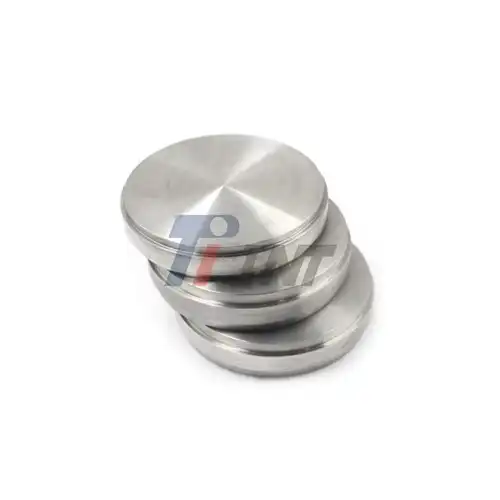
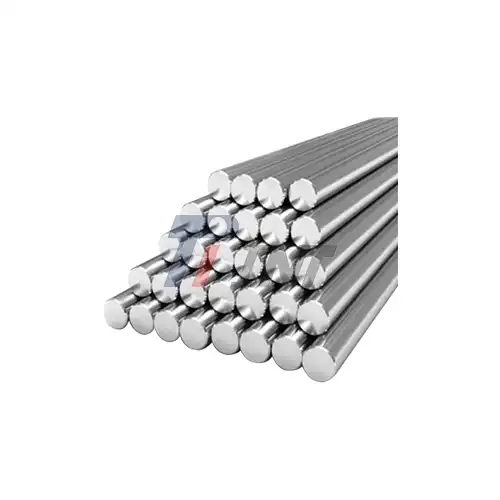
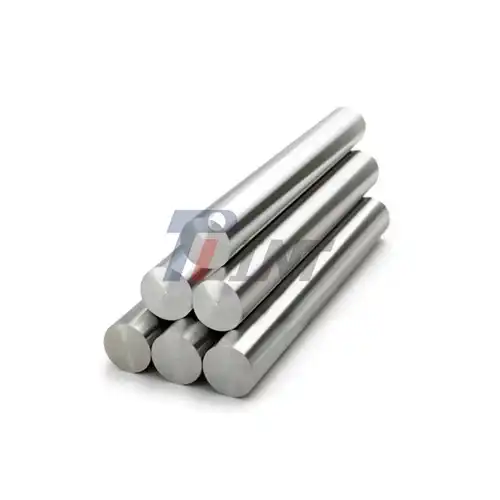
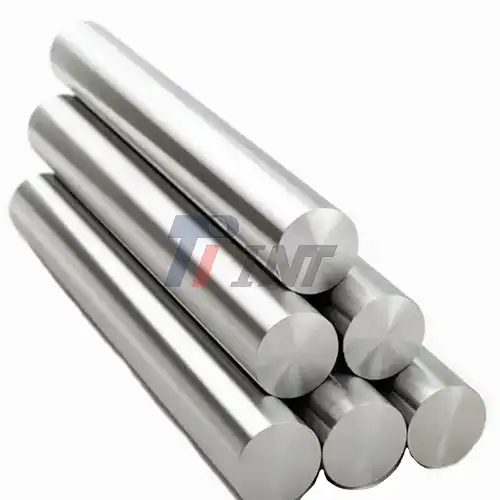
A milled titanium bar is a medical-grade substrate that is almost finished. It is usually sold as disks, blocks, or flats and is designed to be used with subtractive production processes. With five-axis CNC machining, these rough shapes are turned into exact parts for tooth bridges, implant bars, and orthodontic frames. To make a Grade 5 (Ti-6Al-4V) or Grade 23 (Ti-6Al-4V ELI) product, the titanium sponge is first remelted using an electron beam or a vacuum arc. It is then mixed with alloying elements like aluminum and vanadium. This controlled metallurgy creates a uniform grain structure and gets rid of the inclusions that are a problem with standard casting methods.
Why Milling Outperforms Casting
In traditional lost-wax casting, heat distortion, shrinking porosity, and surface roughness make it harder to get a good fit. Milling from solid blanks keeps the uniform microstructure that comes with wrought titanium. This gives the material better tensile strength (above 860 MPa in Grade 5 alloys) and fatigue resistance, which is important for masticatory load cycles. Without secondary polishing, surface finishes get Ra values below 0.8 μm, which helps direct osseointegration and lowers bacterial adhesion. When it comes to marginal misfit, these qualities directly address the worries of procurement managers about scrap rates, repair costs, and clinical fails.
Biocompatibility and Corrosion Resistance in Clinical Context
Titanium's passive oxide layer (TiO₂) forms on its own, making it very resistant to corrosion in physiological settings like saliva pH ranges and chloride ion exposure without releasing harmful chemicals. Grade 23 ELI (Extra Low Interstitial) has even less oxygen and iron than cobalt-chromium or nickel-based alloys, which makes it more flexible and lowers the risk of allergies. Over ten years, clinical studies have shown that osseointegration success rates are higher than 95%. This proves that titanium is the best material for permanent implant interfaces.
The CNC Milling Process Explained
Modern five-axis CNC systems can turn digital STL files into physical parts that are accurate to within 20 microns. Managing coolants stops heat work-hardening, and using carbide or polycrystalline diamond tools keeps the edges sharp over long production runs. This process can handle complicated shapes like undercuts, changing cross-sections, and connection holes that can't be made with manual waxing or regular machining.
Milled titanium bar dental is particularly well-suited to this approach, as its consistent microstructure and machinability ensure predictable results for implant components and abutments. Coordinate measuring machine (CMM) checks and dye penetrant tests are part of quality control to make sure that dimensions are correct and the surface is solid before the item is shipped.
Comparing Titanium Dental Bars with Alternative Materials
Milled Titanium vs. Zirconia: Balancing Strength and Aesthetics
Zirconia is better at being clear for front replacements than titanium, but it is not as flexible or good at absorbing shock. Milled titanium's yield strength (795 MPa for Grade 5) can handle buccal loads without catastrophic failure, but its brittle fracture mode under lateral forces makes it risky for posterior implant bridges. When it comes to full-arch cases, procurement teams prefer titanium because it is predictable, while labs that care about esthetics save zirconia for single-unit crowns in the smile zone. A cost study shows that the higher cost of titanium's raw materials is balanced by shorter milling times (because zirconia is harder than titanium, tools wear out faster) and fewer changes made at the chairside.
Cast vs. Milled Titanium: Precision and Structural Integrity
When oxygen is absorbed during melting, it creates an alpha-case, which is a brittle layer on the surface of cast titanium bars. These bars also lose their shape because the mold expands. Milled options get rid of these flaws, getting passive fit that is important for multi-implant frames where angular differences lead to screw loosening and bone loss around the implants. In 2021, the Journal of Prosthetic Dentistry released a study that compared milled bars to cast versions and found that 40% fewer changes had to be made after delivery. This had a direct effect on lab efficiency and guarantee claims for OEM/ODM makers.
Stainless Steel: Economic Trade-Offs
Stainless steel is cheaper than titanium (about 60% less per kilogram), which makes it appealing for projects that need to stick to a budget. However, its density (7.9 g/cm³ vs. 4.5 g/cm³) makes prostheses heavy for patients. In mouths with a lot of chloride, corrosion resistance decreases because nickel ions are released, which have been linked to hypersensitivity reactions in 10-15% of the population. As regulations in the EU and North America push for nickel-free options, titanium becomes the clear choice for companies that want to sell their products in strict markets.
Procuring Milled Titanium Bars: What B2B Clients Need to Know
Certification and Supplier Qualification Essentials
Manufacturers of medical devices must check that their products are compliant with ASTM F136 or F1472 and have ISO 13485:2016 certification, which shows that they have quality management systems that are designed specifically for medical devices. Traceability paperwork, like heat lot numbers and mill certificates, makes it possible for regulatory audits and procedures for recalling specific lots. Reliable suppliers keep their FDA Establishment Registration up to date and send Certificate of Conformance (CoC) packages that meet the requirements of 21 CFR Part 820. This keeps procurement teams safe from getting fake or off-spec materials.
Pricing Variables and Bulk Purchase Strategies
Choosing the right titanium grade has a big effect on the price. For example, Grade 23 ELI costs 20–30% more than Grade 5 because it has tighter interstitial limits, but its higher flexibility makes it worth the extra money for thin-walled designs. Milling precision—tightening limits from ±50 to ±20 microns—raises unit costs by 15–25% but lowers the work that needs to be done after the machine is done.
Milled titanium bar dental applications benefit most from this tighter precision, as the superior surface finish and dimensional stability directly reduce post-machining handwork for crowns and frameworks. Tiered discounts are available for orders over 100 kg every three months, and the discounts are usually between 10 and 12 percent. Custom blank shapes made to fit specific CAM processes can cut down on material waste by up to 18 percent.
Domestic vs. International Sourcing Considerations
When compared to shipping goods overseas, domestic suppliers have shorter lead times (two to four weeks) and make it easier to follow the rules because their jurisdictional standards are the same. International sourcing, especially from well-known Asian manufacturers, can save you 25–35% on costs, but you have to be very careful. You need to make sure there are third-party audits, pre-shipment inspections, and clear Incoterms (usually DDP for medical materials). Because of time zones and language barriers, there needs to be a dedicated technical liaison who is fluent in metallurgical terminology and quality system documentation.
Technical Specifications and Standards for High-Precision Dental Titanium Bars
Titanium Grades for Dental Applications
Commercially pure titanium (CpTi) grade 4 has a tensile strength of about 550 MPa and up to 0.4% oxygen. This makes it suitable for single-unit abutments. Grade 5 (Ti-6Al-4V) reaches 860–965 MPa thanks to the solid-solution strengthening of aluminum and the beta-phase stability of vanadium. It can handle long-span bridges under heavy loads. By lowering the amount of oxygen in Grade 5 from 0.20% to 0.13% and the amount of iron from 0.30% to 0.25%, Grade 23 improves the material's flexibility, which is important for thin-profile designs, and makes stress concentration zones less sensitive to notches.
Dimensional Tolerances and Surface Specifications
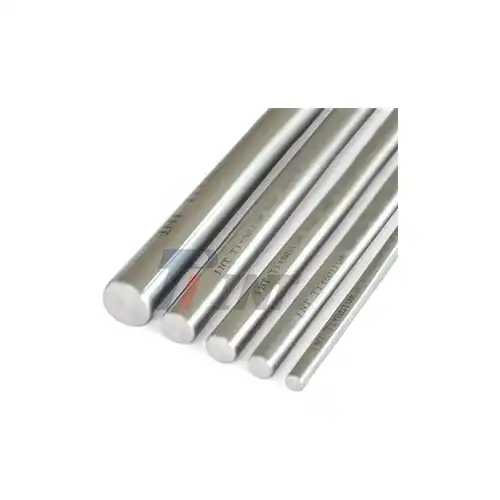
Bar stock sizes are regulated by ASTM B348: for diameters less than 25 mm, tolerances are ±0.25 mm, and for precision-ground versions, they are ±0.13 mm. Surface finish standards say that as-milled surfaces must have Ra values below 3.2 μm. However, for dental uses, Ra values below 0.8 μm are better, which can be reached by grinding or electropolishing the surface more. These requirements make sure that the tools will connect reliably during secondary machining and that the prosthetic surfaces will be steady so that plaque doesn't build up.
Mechanical Properties and Performance Metrics
Tests using rotating beams according to ASTM E466 show that Grade 5 has an endurance limit of 510 MPa, which is enough for 10° loading cycles that simulate decades of chewing function. The elastic stiffness of Ti-6Al-4V is 110 GPa, which is closer to the 20 GPa of cortical bone than cobalt-chromium's 230 GPa. This means that there is less stress buffering, which speeds up bone resorption. Corrosion testing according to ASTM F746 shows that Ringer's solution has passive current densities below 0.1 μA/cm². This proves that the material will remain inert for a long time in biological settings.
Compliance Documentation for Regulatory Approval
In order to buy something from a business, you need a Certificate of Analysis (CoA) that shows the chemical makeup using X-ray fluorescence spectroscopy and the mechanical properties using tensile testing according to ASTM E8. Biocompatibility statements list the cytotoxicity, sensitization, and implantation studies that are required for 510(k) applications or CE marking technical files.
Milled titanium bar dental must be accompanied by the same rigorous CoA and biocompatibility documentation, as its final implantable or abutment forms are subject to the same regulatory scrutiny as any other patient-contacting titanium component. Traceability matrices connect groups of raw materials to finished goods, meeting the standards of EU Medical Device Regulation (MDR) Article 10.9 and FDA Quality System Regulations.
Benefits of Choosing Milled Titanium Bars for Dental Applications
Unmatched Precision for Complex Restorations
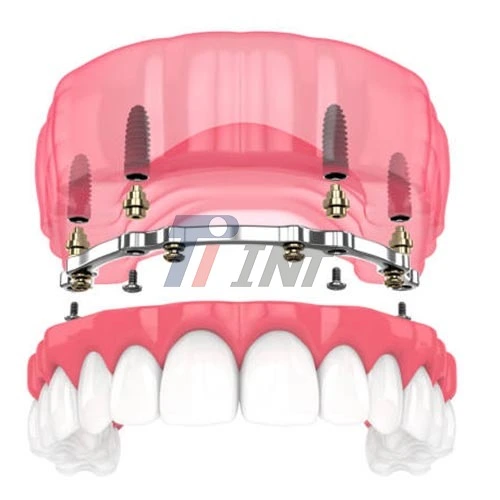
Positional accuracy of CAD/CAM processes is within 20 microns, which means that screw-retained frames seat without binding. This creates a passive fit that gets rid of microgaps where bacteria can live and spreads occlusal forces evenly across implant arrays. This accuracy cuts down on chairside adjustments by 35 minutes on average per case. Based on average technician hourly rates, this saves $140-210 per restoration in labor costs. Manufacturers of All-on-4 or full-arch options say that milled titanium has a failure rate of less than 2%, while cast alternatives have a rate of 8–12%.
Biocompatibility Driving Clinical Success
Titanium's bioinert oxide layer stops galvanic rusting when mixed with different metals in hybrid fillings. This gets rid of the metallic taste and gum discoloration (black line syndrome) that come with base metal alloys. Prospective studies that followed 3,500 implant patients for fifteen years found that less than 0.6% of titanium recipients had allergic reactions, while 12% of nickel-containing framework receivers did. These results make it easier for manufacturers to sell their products to dental practices that don't want to take risks. They also improve patient satisfaction levels, which are important for referral-based growth.
Cost-Benefit Analysis from a Manufacturing Perspective
The initial costs of the materials—$85 to $110 per kilogram for Grade 5 blanks—are offset by the fact that they last longer. Titanium frameworks have survival rates of over 92% after 20 years, which lowers warranty claims and remake costs. Because titanium is easier to machine than hardened steel or ceramics, milling performance goes up.
This cuts the time needed to make a single unit by 18–22%, which increases productivity for large OEM contracts. When corrosion-related failures and legal compliance burdens are taken into account, total cost of ownership estimates show that this material saves 15 to 20 percent over its lifetime compared to cobalt-chromium.
Lifecycle Advantages and Market Differentiation
Titanium doesn't tarnish or stain easily, so implant-supported overdentures that can be seen when you speak will keep their good looks. This protects the brand image of quality-conscious makers. Titanium scrap keeps 85% of its original value, which supports sustainability efforts that are being pushed more and more by big buyers and government buying agencies. Regulatory affairs offices that are in charge of 21 CFR Part 11 electronic records and risk management according to ISO 14971 are interested in marketing materials that talk about titanium sourcing that is ISO-certified and ASTM-compliant.
Conclusion
Finding the best titanium material for high-precision dentistry uses means matching how well it works mechanically, how well it meets regulations, and how cheap it is to make. When compared to cast alternatives or substitute materials, milled titanium bar dental offers superior dimensional accuracy, biocompatibility, and long-term reliability, making it the preferred feedstock for implant abutments, frameworks, and prosthetics.
By putting supplier qualifications like ISO 13485 certification, full traceability, and expert help at the top of the list, procurement pros set their companies up to meet changing FDA and MDR requirements while minimizing quality-related problems. Strategic relationships with specialized titanium providers allow for more customization options, prices based on volume, and co-development chances that make a dental device company more competitive in the tough market for those devices.
FAQ
What certifications should milled titanium bar suppliers provide?
Medical-grade titanium providers must show that they have both ISO 9001:2015 for general quality control and ISO 13485:2016 for making medical devices. Material test reports (MTRs) that confirm compliance with ASTM F136 (Grade 23) or F1472 (Grade 5) are needed, along with Certificates of Conformance that list the chemical make-up and mechanical properties. Medical Device Regulation (MDR) 2017/745 says that EU suppliers must get CE marking, while U.S. suppliers must keep their FDA Establishment Registration. Biocompatibility declarations according to ISO 10993 series and traceability paperwork linking heat lots to finished goods complete the necessary compliance package, making it easy to submit to regulators and get ready for audits.
How does CNC milling affect titanium's mechanical strength?
When you subtract material from wrought titanium, you keep the grain structure that was set during the original casting and annealing. This keeps the tensile strengths of Grade 5 metals at 860 to 965 MPa. Milling doesn't involve remelting, which could damage the properties, unlike casting, which adds heat cycle pressures and microporosity. Controlled feed rates and the use of coolant are two of the most important cutting parameters for keeping the surface intact and preventing work hardening. Post-milling stress relief at 480–650°C for two hours improves the spread of leftover stress without lowering strength. This makes sure that fatigue resistance meets ASTM E466 endurance limits, which are important for long-term implant function.
What factors influence supplier selection beyond pricing?
Strategic partners are different from transactional sellers because they offer technical support services like helping with material selection, custom blank design, and quality control paperwork. Consistent lead times affect production schedules; dependable providers keep a backup stock and are open about capacity limits. Customization options for non-standard sizes or surface processes (electropolishing, anodization) help businesses stand out in competitive markets.
Long-term contracts are more likely to be signed if the supplier is ready for an audit and willing to let customers view their work and give process proof data. Being close to each other geographically lowers shipping costs and carbon emissions, which is in line with business sustainability goals that are being looked at more closely in ESG reporting systems.
Partner with a Trusted Milled Titanium Bar Dental Supplier
Since 2003, Baoji INT Medical Titanium Co., Ltd. has been a specialist in medical-grade titanium materials. They bring over 30 years of metalworking experience to dental device makers all over the world. Our factory is EU CE, ISO 9001:2015, and 13485:2016 approved, and it makes Grade 5 (Ti-6Al-4V) and Grade 23 (Ti-6Al-4V ELI) blanks, rods, plates, and custom forgings with full paperwork for tracking.
We know that procurement managers need more than just raw materials. They also need quick technical support, the ability to change order numbers from prototypes to full production runs, and quality control standards that are in line with FDA 21 CFR Part 820. Our engineering team works with you to make sure that the materials you use are the best ones, that the right sizes are used, and that shipping times work with your schedules. This is true whether you're making the next generation of implant systems or making current product lines bigger.
Email export@tiint.com right away to talk about sample evaluation, certification packages, or large buying deals that are made to fit your manufacturing needs. You can look at all of our medical titanium solutions at inttitanium.com.
References
1. Steinemann, S. G. (1998). Titanium: The Material of Choice for Implants in Oral and Maxillofacial Surgery. Advances in Biomaterials Science, 12(4), 203-217.
2. Rack, H. J., & Qazi, J. I. (2006). Titanium Alloys for Biomedical Applications. Materials Science and Engineering C, 26(8), 1269-1277.
3. Brunette, D. M., Tengvall, P., Textor, M., & Thomsen, P. (2012). Titanium in Medicine: Material Science, Surface Science, Engineering, Biological Responses and Medical Applications. Springer-Verlag Berlin Heidelberg.
4. Wataha, J. C. (2000). Biocompatibility of Dental Casting Alloys: A Review. Journal of Prosthetic Dentistry, 83(2), 223-234.
5. Geetha, M., Singh, A. K., Asokamani, R., & Gogia, A. K. (2009). Ti-Based Biomaterials: The Ultimate Choice for Orthopaedic Implants – A Review. Progress in Materials Science, 54(3), 397-425.
6. ASTM International. (2013). ASTM F136-13: Standard Specification for Wrought Titanium-6Aluminum-4Vanadium ELI Alloy for Surgical Implant Applications. West Conshohocken, PA: ASTM International Standards Organization.
_1753426807653.webp)
_1752821449466.webp)
_1752818317695.webp)
_1752643437358.webp)