
Which companies offer titanium bars with ISO certification for medical use?


 2026-08-13 11:53:31
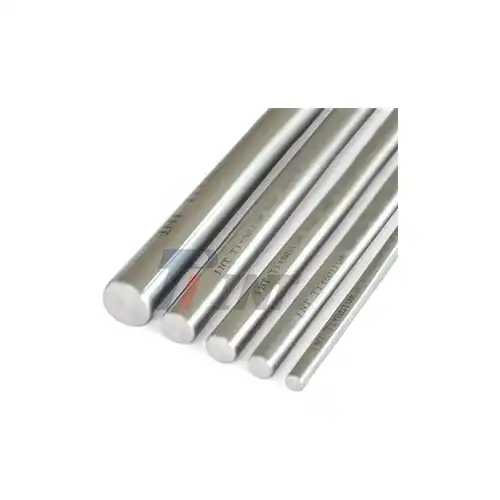
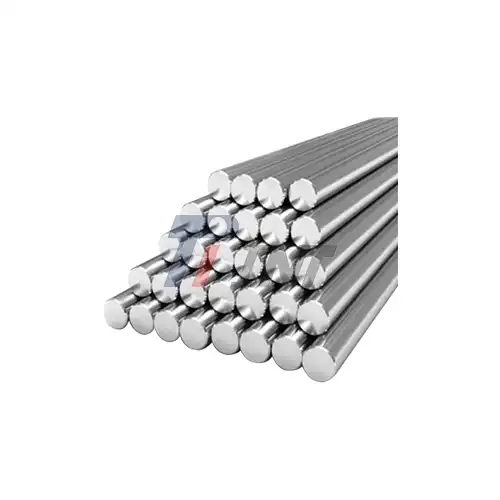
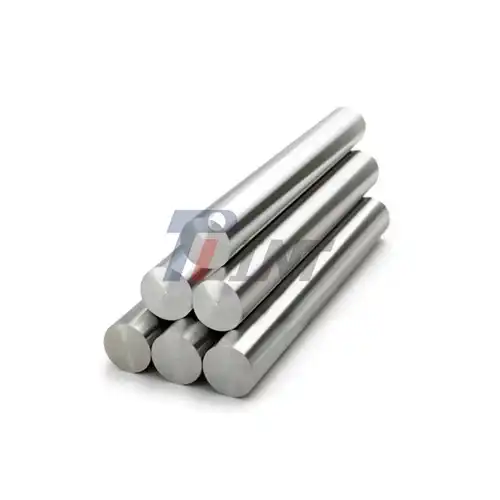
Finding reputable providers of ISO-certified titanium bar for medical use is very important when looking for materials to make medical devices. Medical-grade titanium bars that meet ISO 9001:2015, ISO 13485:2016, and CE approval standards are made by a number of reliable companies around the world. Baoji INT Medical Titanium Co., Ltd. is one of these reliable providers. They have more than 20 years of experience making Ti-6Al-4V and Ti-6Al-4V ELI titanium bars that are designed for use in orthopedics, dentistry, and surgery.
|
|
|
|
|
|
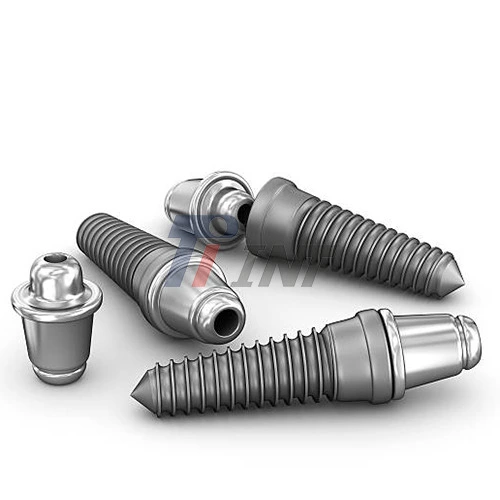
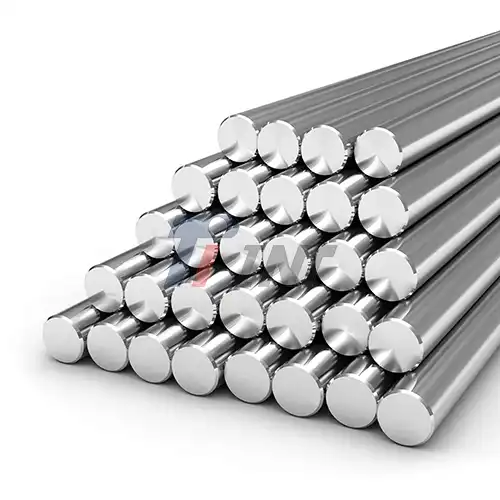
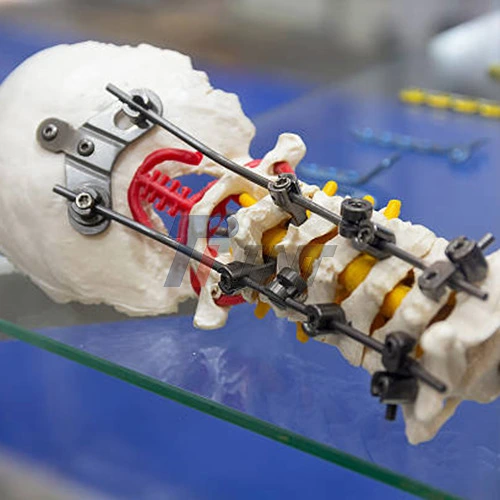
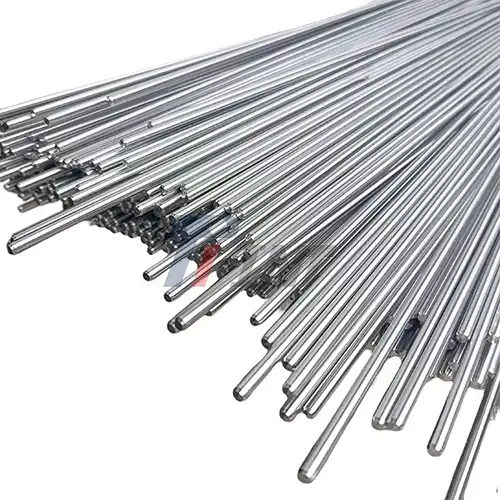
These materials meet the standards set by ASTM F136 and ISO 5832-3, which is important for implant makers because it means they are biocompatible and can be tracked. Leading companies in the US, Europe, and Asia keep strict quality controls and make certifications public to help buying managers and R&D engineers make important choices about where to get things.
Understanding Medical Grade Titanium Bars and Their Importance
Medical-grade titanium bars are the building blocks of current inserted devices. Unlike industrial titanium, these materials go through strict controls on their makeup and testing methods to make sure they are safe for patients and follow the rules.
What Constitutes Medical Grade Titanium?
Medical titanium is mostly made up of grades 1 through 4 of commercially pure (CP) titanium or the Ti-6Al-4V ELI alloy, also known as Grade 23. The "ELI" name is very important because it means that the alloy has limited amounts of oxygen (below 0.13%) and iron (below 0.25%), which makes it stronger and more flexible than regular Grade 5 alloys. This careful makeup keeps load-bearing implants from breaking easily and keeps the material's natural biocompatibility. Machine shops use these bars to make orthopedic pins, spinal rods, dental abutments, and surgery tools that must be biologically inert and mechanically reliable.
Critical ISO Standards for Medical Titanium
Three ISO norms are the basis for approval for getting medical titanium. ISO 9001:2015 sets general quality management rules that make sure that manufacturing methods are always the same. ISO 13485:2016 is a standard that is only used for making medical devices. It requires risk management, design controls, and tracking systems that keep track of each bar from the batch of raw materials it comes from to its final delivery.
The cytotoxicity, sensitization, and insertion tests in ISO 10993 are used to check for biological compatibility. These certifications give buying managers peace of mind that sellers follow the strict rules for documentation, process controls, and tests set by the FDA and the European Medical Device Regulation (MDR).
Why Certifications Matter to Your Procurement Process
Certification is more than just paper work; it shows that a seller is committed to quality that can be repeated. When you choose ISO-certified materials, you're getting them from factories that regularly check the accuracy of their equipment, the training of their staff, and the controls they have over the environment. When you use this method, there is less difference from batch to batch in the mechanical properties, surface finish, and microstructural features.
This consistency speeds up the process of product validation and regulatory applications for R&D experts working on next-generation implants. Purchasing managers gain because there is less chance that problems with quality or compliance will stop production lines and upset the supply chain.
Key Properties and Benefits of ISO-Certified Titanium Bars in Medicine
Titanium is the best material for permanent implants and reusable surgical tools because it has the best mix of biological and mechanical qualities.
Superior Biocompatibility and Patient Safety
Titanium's natural oxide layer makes a passive surface that stops germs and proteins from sticking while still allowing osseointegration, which is the direct structural link between living bone and implant surface. This cellular balance means that there isn't much inflammation and ion release into the tissues around it. Titanium is safe for a wide range of patients, as shown by clinical tests that span decades. This proven biocompatibility means that makers of hip stems, dental implants, or heart devices will have lower rejection rates and better long-term patient results. This will help their products stand out in competitive markets.
Exceptional Strength-to-Weight Ratio
Titanium bars have a similar tensile strength but weigh almost half as much as stainless steel bars due to their lower density of 4.51 g/cm³. The Ti-6Al-4V ELI metal has maximum tensile strengths of more than 860 MPa and yield strengths of more than 795 MPa. This material has a high strength-to-density ratio of about 76 kN·m/kg, which is 20% higher than stainless steel. This lets engineers make implant shapes that are thinner, which makes surgery less invasive and makes patients more comfortable. Trauma fixing plates made from titanium bars allow fractures to heal steadily without the weight of a large implant.
Corrosion Resistance and Long-Term Durability
The tough biological environment, which includes body fluids that are salty, pH levels that change, and repeated sterilization processes, needs materials that don't corrode easily. Titanium's passive oxide layer keeps growing back even after being cut. This stops degradation that could weaken the implant or let metallic ions out. This natural longevity makes the device last longer, which lowers the number of times that joint replacements and spine fusion systems need to be redone.
Titanium bar for medical use is especially valued in these applications because its uniform microstructure and high purity further enhance corrosion resistance and fatigue strength. Surgery tools made from titanium bar for medical use keep their sharp edges and exact tolerances even after being sterilized hundreds of times. This saves hospitals and surgery centers money in the long run.
Fatigue Resistance for Cyclic Loading Applications
Implants are loaded and unloaded millions of times over the course of their useful life. For example, knees bend over and over again when we walk, and spinal plates take on constant biomechanical pressures. Titanium bars are very resistant to wear, so they keep the structure's integrity under these repeated loads without starting cracks to spread. Compared to stainless steel (200 GPa) or cobalt-chromium alloys (240 GPa), the material's elastic stiffness of about 110 GPa is more like that of cortical bone (15–30 GPa).
This smaller difference in stiffness reduces stress shielding, a problem that happens when implants are too hard and stop the bone from naturally loading, which causes bone loss and implant separation. Engineers who make intramedullary nails and pedicle screws use this wear performance to make sure that the devices will work well for long amounts of time after being implanted.
Manufacturers choose titanium bars not just for their individual qualities, but also for the way they work together to provide biocompatibility, strength, rust resistance, and wear performance that can't be fully matched by any other material. With ISO approval, you can be sure that these qualities meet the written requirements for each batch, which lets procurement teams confidently source.
Leading Companies Offering ISO-Certified Medical Titanium Bars
To find suitable suppliers, you need to look at their certifications, output skills, and name in the business.
Evaluation Criteria for Supplier Selection
Verifying the legitimacy of the certification is the first step in a successful purchase. Ask for up-to-date ISO 13485 certificates and use the International Accreditation Forum (IAF) website to make sure the accreditation group is real. Look at material test records (MTRs) that show the chemical make-up, mechanical features, and how the product can be linked to raw material heats.
Check the supplier's output scale—can they meet your volume needs while keeping wait times? Check to see if statistical process control is used in quality management systems. What kind of inspection tools do they keep up? Whether done by the company itself or by a third party, supplier audits show practical facts that go beyond what the company says on its marketing materials.
Baoji INT Medical Titanium Co., Ltd.
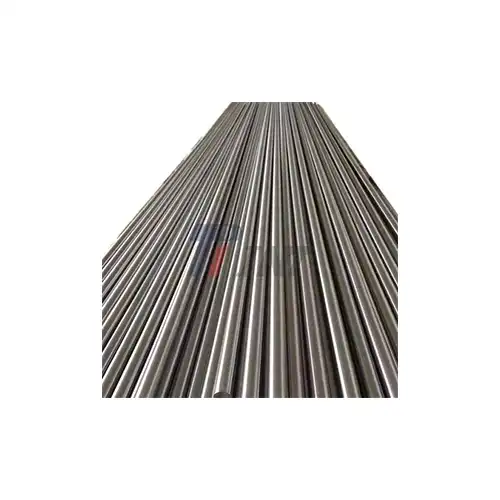
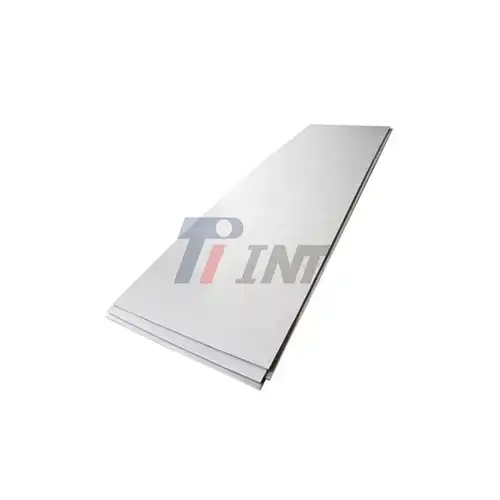
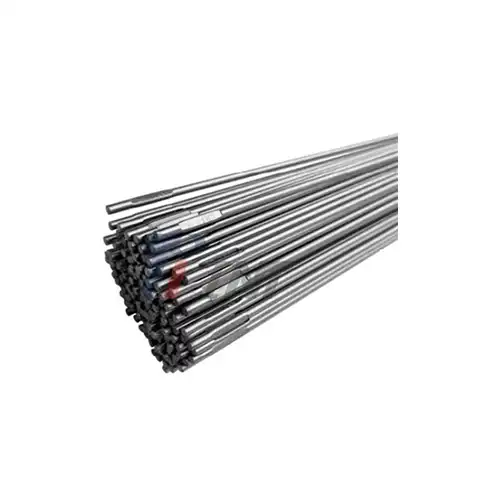
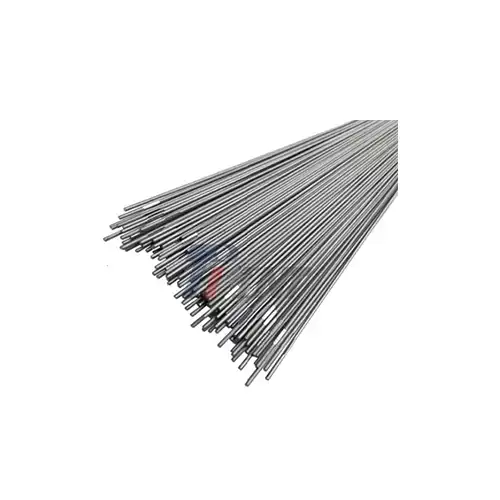
Baoji INT Medical Titanium Co., Ltd. has been making medical titanium products since 2003 and is in the middle of China's titanium production center. The business has ISO 9001:2015, ISO 13485:2016, and EU CE certifications, which are all pieces of paperwork that show they follow the rules. Our range of products includes economically pure titanium and Ti-6Al-4V ELI alloys in different shapes and sizes, including bar, wire, plate, and formed.
Our professional team has more than 30 years of experience in the field, so we know how to control interstitial elements and microstructural uniformity, which are important for medical uses. Centerless grinding can produce parts with the right size limits to meet ISO h7, h8, and h9 standards, which are needed for fast CNC cutting.
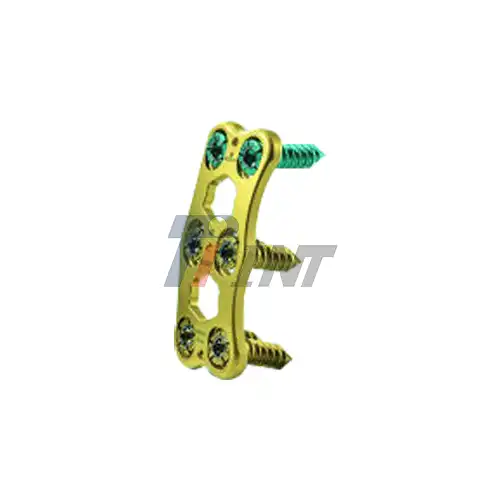
We sell parts for surgery tools, dental implants, spine fusion systems, and orthopedic trauma fixation devices. As part of our quality control, we use ultrasonic testing to look for internal flaws, optical emission spectrometry to check the makeup, and tensile testing to make sure the material properties are correct. From buying the titanium sponge to the final check, production management tools make sure that each batch can be tracked. We have long-term relationships with medical device makers in North America, Europe, and Asia that show how committed we are to on-time delivery and expert support.
Global Manufacturers and Regional Specialists
The medical titanium market is rounded out by a number of well-known providers. European makers have decades of experience in metalworking and are close to EU regulatory bodies, which makes it easier to talk about MDR compliance. U.S. manufacturers who are worried about the reliability of their supply chains and shorter wait times can benefit from working with North American providers.
Titanium bar for medical use serves as a critical raw material across these regions, and its consistent quality—from ingot casting to final finishing—directly influences how smoothly regulatory discussions proceed and how reliably supply chains perform, regardless of the provider's geographic origin.
Asian producers, most of whom are in China's Shaanxi state, offer reasonable prices and are meeting more and more foreign certification standards. When looking at your choices, you should think about more than just where the provider is located. For example, can they offer custom forging services, surface treatments, or small-batch prototype quantities that fit your development schedule?
OEM and Customization Capabilities
When making new medical devices, they often need to be made with non-standard measurements or special processes. OEM suppliers work with your engineering teams to create unique bar sizes, lengths, or surface finishes that meet the needs of your machining projects. This customization even goes as far as microstructural details; for example, yield strength and machinability are affected differently by cold-working and annealing.
Companies that make Swiss-type CNC parts for dental tools need providers that know how to meet their needs for consistent feed rates and good surface finishes. Partners who offer expert advice during the selection of materials speed up the development of products and keep costs down by avoiding expensive design changes that are needed because of incompatible materials.
How to Choose the Right Supplier for Medical Grade Titanium Bars
Supply partnerships that last are built on balancing quality, cost, and service.
Balancing Certification Requirements with Budget Constraints
ISO approval guarantees basic quality, but medical device makers are under a lot of financial pressure and need to find ways to cut costs. Instead of going with the cheapest provider, look at the total cost of ownership. When flaws in the material are found during cutting, they lose both raw materials and production time. Mechanical qualities that don't stay the same can render whole runs of implants useless during validation testing.
Reliable providers with strong quality systems may charge a little more, but they offer better value by lowering the amount of scrap they produce and making sure the features are always the same. Ask for samples to be tested internally. Material certificates only tell you so much; machine performance and microstructural study will show you what the real world is like.
Comparing Titanium to Alternative Biomaterials
Even though titanium is mostly used in orthopedic and dental uses, knowing about other materials helps with buying choices. The cost of stainless steel 316L is cheaper, but it is denser and doesn't work well with living things, so it's better for temporary fixing devices than permanent implants.
Cobalt-chromium metals are great for replacing joints because they don't wear down easily, but they don't have the same elastic elasticity as bone as titanium. Polyetheretherketone (PEEK) polymers are good for spinal uses that need to be radiolucent, but they aren't as strong as titanium when it comes to carrying weight. Titanium bar for medical use bridges this performance gap by offering a balanced combination of moderate wear resistance, bone-like elasticity, and sufficient load-bearing capacity, making it a versatile baseline for many implant designs. Biomechanical needs, regulatory pathways, and production skills should all be in line with clinical performance goals in the material selection grid.
Supplier Verification and Sample Testing Protocols
Before committing to big orders, set up a structured method for qualifying suppliers. Start by looking over the paperwork: make sure the certification is still current, look at old MTRs to make sure the properties are the same, and call references from companies that make related products. You can now move on to trying sample orders that include a cross-section of your exact requirements.
Samples should be put through the same cutting, surface treatment, and testing procedures that are used in production. Use non-destructive tests to check the accuracy of the dimensions, the finish on the surface, and the quality inside. Mechanical tests should match the released specs and show that the properties are distributed within acceptable ranges. This methodical technique finds possible problems before they get in the way of production or lower the quality of the result.
How to Order ISO-Certified Medical Titanium Bars – A Buyer's Guide
Step-by-Step Procurement Process
Detailed specs are the first step in buying something that works. Write down the sizes you need (diameter, length, and limits), the grade of the material (CP Grade 2, Ti-6Al-4V ELI), the number, the delivery date, and the surface finish you want (centerless ground, machined, or as-drawn). Include any special needs, like ultrasonic testing documents, grain size standards, or choices for how the goods should be packaged.
Send requests for quotes (RFQs) to several approved suppliers with the same specs so that they can be directly compared. As you look over the quotes, be clear about what paperwork goes with each package. Material certificates, inspection reports, certifications, and records of traceability should all be normal, not extras that can be negotiated.
Customization Options and Technical Collaboration
A supplier's technical feedback during the development of specifications is helpful for many uses. Talk about how cold-worked versus annealed conditions affect tool wear and surface finish when you're making complicated shapes. When making a lot of parts, manufacturers may need special tolerances that cut down on extra processes. Talk to possible suppliers about the problems you're having with manufacturing.
Their experience with other customers may help you find answers you hadn't thought of. Set up clear lines of contact between your engineering, quality, and buying teams and your suppliers. This will make sure that expert questions get timely, knowledgeable answers.
Quality Control and Delivery Logistics
As soon as the goods are delivered, they should be inspected to make sure the paperwork is full and the items are in good shape. Using precise measuring tools, compare the real sizes to the ones that were given. Check that the material certificates match the shipped goods by using the heat number to track them. Follow your quality control system's instructions for testing new materials that come in.
This could include hardness testing, surface checking, or taking samples to make sure all of the mechanical properties are correct. Write down any mistakes right away and work out with providers how to fix problems. Strong supplier relationships include performance measures that keep track of things like on-time delivery, correct paperwork, and material conformance. This makes suppliers accountable, which leads to ongoing growth.
When you build ties with titanium sellers instead of just doing business with them, you get benefits that go beyond individual purchase orders. Suppliers who know your product plan can guess what you'll need in the future, make sure they have enough inventory, and let you know ahead of time if changes in the market affect prices or supply.
Conclusion
When looking for ISO-certified titanium bar for medical use, you need to carefully look at the certifications, technical skills, and quality systems of the suppliers. The material is essential for modern implants and medical tools because it is biocompatible, strong, and resistant to corrosion. However, these benefits can only be seen if suppliers keep strict production controls over every batch of titanium bar for medical use, from raw material sourcing to final dimensional inspection, ensuring that each bar meets the same rigorous standards for grain structure, surface integrity, and mechanical properties.
To be successful, procurement managers and R&D engineers set up organized approval processes, check licenses, test samples, and work together with suppliers who show they have both technical knowledge and practical dependability. Spending time and money to carefully check out suppliers pays off in the form of uniform material properties, trust in following the rules, and more efficient production, all of which have a direct effect on the quality of the product and the safety of patients.
FAQ
What ISO certifications should medical titanium bar suppliers maintain?
Suppliers with a good reputation have ISO 9001:2015 for quality management systems, ISO 13485:2016 for making medical devices, and often ISO 14001 for managing the environment. Instead of self-declarations, check certificates with qualified third-party inspectors. Ask for up-to-date certificates that clearly show that the scope of work includes making titanium bars for medical uses.
How can I verify the authenticity of supplier certifications?
If you want to get in touch with the certification group directly, use the information on their website instead of the information given by the seller. Check the website of the International Accreditation Forum (IAF) to see if the certification group is currently accredited. Ask for full audit reports instead of just copies of the certificates, and make sure that the scope of the certification fits the materials and methods you need.
Are there differences between titanium grades for various implant types?
Commercially pure grades (1-4) that get stronger over time are used for things like dental bridges and heart parts where pure biocompatibility is very important. Ti-6Al-4V ELI (Grade 23) is very strong and can be used to make orthopedic devices that hold weight. Material experts should help you choose the right type of material based on the biomechanical needs of the application, the difficulty of the machining process, and the legal path.
Connect with a Trusted Medical Titanium Bar Supplier
Baoji INT Medical Titanium Co., Ltd. has titanium products that are ISO 9001:2015, ISO 13485:2016, and EU CE approved and is ready to help you make medical devices. Our wide range of products includes Ti-6Al-4V and Ti-6Al-4V ELI bars that can be made to exact measurements for use in orthopedic, dental, and medical instruments. With more than 20 years of specialized knowledge and technical know-how gained over 30 years in the titanium business, we offer both materials and a manufacturing relationship.
Email our team at export@tiint.com to talk about your unique needs, get material test results, or set up shipments of samples. R&D experts and procurement professionals looking for a reliable titanium bar for medical use manufacturer committed to quality, certification openness, and on-time delivery are free to send us specific technical enquiries.
References
1. American Society for Testing and Materials. (2013). Standard Specification for Wrought Titanium-6Aluminum-4Vanadium ELI (Extra Low Interstitial) Alloy for Surgical Implant Applications (UNS R56401). ASTM F136-13.
2. International Organization for Standardization. (2016). Medical Devices – Quality Management Systems – Requirements for Regulatory Purposes. ISO 13485:2016.
3. Niinomi, M. (2008). Mechanical Biocompatibilities of Titanium Alloys for Biomedical Applications. Journal of the Mechanical Behavior of Biomedical Materials, 1(1), 30-42.
4. Rack, H.J., & Qazi, J.I. (2006). Titanium Alloys for Biomedical Applications. Materials Science and Engineering: C, 26(8), 1269-1277.
5. International Organization for Standardization. (2016). Implants for Surgery – Metallic Materials – Part 3: Wrought Titanium 6-Aluminium 4-Vanadium Alloy. ISO 5832-3:2016.
6. Long, M., & Rack, H.J. (1998). Titanium Alloys in Total Joint Replacement – A Materials Science Perspective. Biomaterials, 19(18), 1621-1639.
_1750668405487.webp)
_1749191401740.webp)