
Titanium tube corrosion resistance in marine environments


 2026-04-03 09:13:21
Choosing the right materials for marine settings can be hard, especially when it comes to corrosion resistance in saltwater uses. There are many materials that can be used, but Gr 1 Titanium Tube is the best because it has very few impurities and is very flexible. This type of commercially pure titanium is the best because it doesn't rust or corrode in seawater. This makes it the best choice for offshore platforms, desalination plants, and marine infrastructure where the reliability of the materials directly affects safety and operating success.
|
|
|
Understanding Corrosion Challenges in Marine Environments
Marine settings have some of the harshest toxic conditions that can be found in industry. When saltwater, air, and changing temperatures come together, they speed up the breakdown of materials in a number of ways that can weaken structures and make them less useful.
The Aggressive Nature of Seawater Corrosion
About 3.5% of seawater is made up of dissolved salts, mostly sodium chloride. This makes an electrolytic solution that helps electrochemical processes happen. This climate makes it easy for most metals to rust quickly, which causes them to break down early and need expensive repairs. Seawater's chloride ions are very damaging because they can get through protective oxide layers and start rusting in one place.
Changes in temperature in marine settings make choosing materials even harder. The temperature of the water at the surface can be very cold or very hot, over 30°C. Deeper sites may have more stable but still difficult thermal conditions. These changes in temperature affect how fast rusting happens and can lead to thermal stress that weakens materials over time.
Common Corrosion Mechanisms in Marine Applications
Marine infrastructure is at risk from several different types of rust, and each one needs a different set of qualities in the material to be effective. Pitting rust makes small holes that go deep into materials and often cause them to fail without warning. This kind of attack is especially dangerous because it can happen quickly and might not be seen during regular checks.
Crevice corrosion happens in small areas where oxygen levels drop, making unequal aeration cells. Attacks happen more quickly in these places, which can weaken structure links and seals. When two different metals are linked in a liquid, galvanic corrosion happens. This makes the more active metal dissolve faster.
It is important not to forget about the biological side of saltwater rust. Microbiologically influenced corrosion (MIC) is affected by marine organisms. In MIC, bacterial activity causes acidic conditions that speed up the breakdown of materials. This biological factor makes it harder to choose materials and keep them in good shape.
Grade 1 Titanium Tube: Specifications and Properties for Marine Use
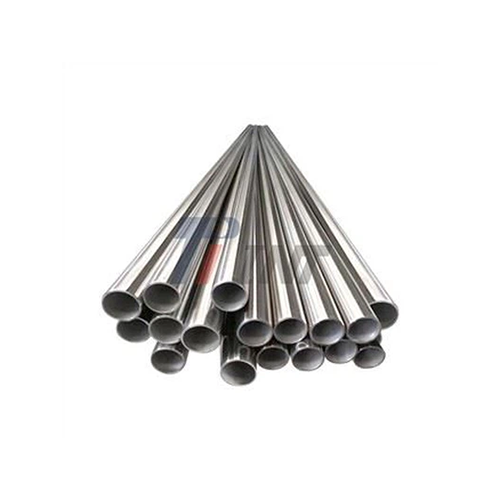
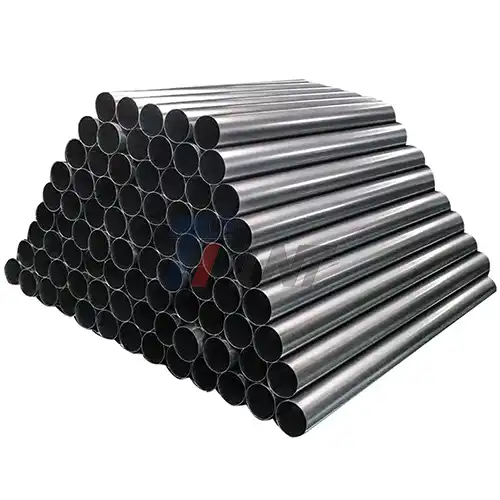
Because of its unique metallurgical makeup and natural material qualities, Gr 1 Titanium Tube works very well in marine settings. This type of commercially pure titanium is the softest and most flexible in the titanium family, which makes it a great choice for naval uses.
Chemical Composition and Purity Standards
Grade 1 titanium has very low amounts of impurities. The maximum iron content is 0.20%, and the maximum oxygen content is 0.18%. This high purity directly leads to better resistance to rust and shapeability. The small amounts of alloying elements make sure that the material always works well in chloride-rich settings, where other materials would normally fail.
The strict control over the composition also makes it easier to weld, which is very important for naval setups where field joints are common. Higher-strength titanium grades may need complicated welding methods. Grade 1 titanium, on the other hand, can be welded using normal methods and still have great corrosion protection at the weld zone.
Mechanical Properties and Performance Characteristics
Grade 1 titanium tubes have a minimum tensile strength of 240 MPa (35 ksi) and a minimum yield strength of 170 MPa (25 ksi), which means they can be used for many construction purposes in the sea environment. The material has great elongation qualities, usually more than 24%, which lets it be shaped in complicated ways and handle heat expansion without breaking.
Titanium has a low elastic modulus—about half that of steel—which makes it flexible and helps sea buildings handle wave action and changes in temperature. This trait lowers stress levels and increases fatigue life in dynamic loading situations that are typical in offshore uses.
Corrosion Resistance Mechanisms
Gr 1 Titanium Tube has great corrosion protection because it forms a steady, self-healing layer of titanium dioxide (TiO2) oxide. In oxygenated settings, this passive film forms on its own and protects very well against chloride attack. Titanium's oxide film stays steady in a wide range of temperatures and pH levels, while passive layers made of stainless steel can break down in salt water.
Because of this protection, Grade 1 titanium is almost impossible for pitting and crevice rust to happen in seawater situations. The material stays strong even when it's submerged in saltwater for a long time, which normally speeds up the decay of other materials.
Comparative Analysis: Grade 1 Titanium Tube Versus Other Materials
Procurement workers can make better choices based on total cost of ownership and performance needs when they know how Gr 1 Titanium Tube compares to other materials.
Performance Against Other Titanium Grades
Grade 1 titanium is easier to shape and slightly more resistant to rust than Grade 2 titanium because it has less intermediate element content. Grade 2 is stronger (345 MPa tensile strength), but Grade 1 is better for uses that need complex shapes or tough making operations because it is more flexible. Titanium Grade 5 (Ti-6Al-4V) is much stronger than Grade 1 titanium, but it is also more expensive and less resistant to rust. Because the alloying elements in Grade 5 can make galvanic cells that hurt performance in saltwater settings, Grade 1 is better for those uses, even though it has less mechanical strength.
Comparison with Stainless Steel Alternatives
Some types of stainless steel that are used a lot in naval settings, like 316L, can crack and split because of chloride-induced stress corrosion. Although stainless steel is cheaper than titanium at first, it ends up costing more over time because it needs more upkeep and replacements because it corrodes easily in certain places. These types of failure don't happen at all with Gr 1 Titanium Tube, which means it lasts 15–25 years longer than stainless steel in most naval uses. Titanium is about 45% lighter than steel, which saves weight and lowers the cost of shipping and lifting structures for offshore sites.
Economic Considerations and Total Cost Analysis
Even though Grade 1 titanium costs more than stainless steel or aluminum at first, the total cost of ownership estimate usually works out better for titanium. Over the lifetime of a project, there are big economic gains, such as fewer repairs needed, longer service life, and no unplanned downtime. Titanium doesn't corrode, so it doesn't need the cathodic protection systems that other materials do. This makes installation easier and lowers the cost of ongoing upkeep. In many naval uses, this alone is reason enough to pay more for high-quality materials.
Selecting and Procuring Grade 1 Titanium Tubes for Marine Projects
To successfully buy Gr 1 Titanium Tube, you need to pay close attention to the requirements, the qualifications of the seller, and the quality control steps. For marine uses, you need products that meet strict performance standards and keep their quality throughout the supply chain.
Critical Specification Requirements
For marine uses, international standards like ASTM B338 must be followed for heat exchangers and ASTM B861 must be followed for general service. These standards make sure that the mechanical properties, dimensional tolerances, and surface quality are always the same, which is important for effective performance in saltwater settings. When buying titanium tubes for naval use, it's important to check their chemical makeup. Mill test papers should show that the material meets the science standards for Grade 1, especially the limits on iron and oxygen content, which have a direct effect on how well it resists corrosion and can be shaped.
Supplier Evaluation and Qualification
Suppliers who are qualified must show that they have experience making marine-grade titanium and keep up with the right quality control systems. ISO 9001 certification is a basic level of quality security, while ISO 13485 certification shows that the product has extra features for high-reliability uses. For quality control and being able to track products, the supply line needs to be clear. Reliable providers provide full paperwork from the source of the raw materials to the delivery of the finished product. This allows full traceability for important marine uses where failure of the material can have serious effects.
Quality Assurance and Testing Protocols
To make sure the material meets the needs of naval applications, it should be put through tension tests, flaring tests, and grain size evaluations. The flare test is very important for Grade 1 titanium because it makes sure that it is flexible enough to be installed in the field. Ultrasonic screening and eddy current testing are two non-destructive testing methods that can help find flaws that might affect how well something works in marine settings. These quality controls protect investments and keep expensive field failures from happening.
Real-World Applications and Case Studies Demonstrating Grade 1 Titanium Tubes
The fact that Gr 1 Titanium Tube has been used in tough marine environments for a long time shows that it is a valuable material for sourcing workers and design engineers.
Offshore Oil and Gas Platform Applications
Offshore sites use Grade 1 titanium tubes in fire suppression networks, seawater cooling systems, and process equipment that is exposed to marine conditions. After multiple failures due to pitting corrosion, a large North Sea station installation switched from stainless steel tubes to Grade 1 titanium. The titanium installation has been up and running for more than 15 years without any upkeep. The stainless steel system, on the other hand, needed new tubes every 3 to 5 years. Even though titanium is more expensive at first, this case study shows how its lower total costs make it a good investment.
Desalination Plant Implementations
For heat exchanger uses in large saltwater desalination plants, Grade 1 titanium tubes are essential because they don't rust and improve operating efficiency. A big desalination plant in the Middle East said that titanium heat exchangers last 25 years, while copper-nickel ones only last 7 to 10 years. Titanium tubes keep their temperature performance stable, which means that stable water production rates are kept without the loss of efficiency that comes with materials that corrode. This dependability is very important for places that provide necessary water supplies.
Shipbuilding and Naval Applications
When naval ships need to move seawater, use Grade 1 titanium tubes for cooling, ballast pipes, and other places where lighter weight and resistance to rust are useful for operations. Because the material doesn't rust or break down when it gets hit or vibrated, it's perfect for harsh military settings. When titanium is used instead of standard marine materials, downtime and part replacement costs go down by a lot, according to maintenance records from naval uses. These operational gains directly lead to a more ready mission and lower lifetime costs.
Conclusion
Gr 1 Titanium Tube doesn't rust or corrode easily in saltwater, which makes it a great choice for uses that need to be reliable and last a long time. Its unique mix of purity, flexibility, and resistance to rust solves common problems in marine infrastructure while providing a better total cost of ownership. The material has been used successfully in offshore platforms, desalination plants, and naval uses, showing that it can handle the harshest seawater circumstances. For procurement workers looking for materials that won't fail due to corrosion and will lower maintenance costs, Grade 1 titanium tubes are a smart investment in long-term dependability and operating greatness.
FAQ
What makes Grade 1 titanium tubes superior to stainless steel in seawater?
In chloride settings, Grade 1 titanium makes a stable titanium dioxide passive layer that stays whole. Stainless steel passive layers, on the other hand, break down in seawater, which causes pitting and stress corrosion cracking. Titanium will never fail in these ways when it is exposed to sea environments.
How does the cost of Grade 1 titanium compare over the project lifecycle?
While initial material costs are higher, Grade 1 titanium typically provides 15-25 year service life compared to 3-7 years for stainless steel in marine applications. The elimination of replacement costs, maintenance downtime, and cathodic protection systems often results in lower total cost of ownership.
What welding considerations apply to Grade 1 titanium tubes?
Grade 1 titanium is very easy to weld and has the right amount of toxic gas to protect it. The high purity makes it less likely that the weld will become weak, and if the right steps are taken, the rust protection goes through the weld zone.
Can Grade 1 titanium tubes be formed into complex geometries?
Grade 1 titanium is very flexible; it can stretch more than 24%, which means it can be formed in very rough ways, like deep drawing and complex bends, without cracking. This material can be shaped better than higher-strength titanium grades and most naval materials.
What quality certifications should be required when procuring Grade 1 titanium tubes?
Marine applications require compliance with ASTM B338 or B861 specifications, mill test certificates documenting chemical composition, and mechanical test results. Supplier quality management certification (ISO 9001 minimum) ensures consistent production quality.
Partner with Baoji INT Medical Titanium Co., Ltd. for Premium Gr 1 Titanium Tube Solutions
Baoji INT Medical Titanium Co., Ltd. has been making titanium products for more than 20 years, which makes us a reliable seller of Gr 1 Titanium Tube for tough marine uses. Our ISO 9001:2015 and ISO 13485:2016 certifications make sure that the quality and dependability that marine projects need are always met. We offer full material traceability, unique sizing choices, and expert help throughout the whole process of buying from us. The strict needs of offshore platforms, desalination plants, and marine infrastructure projects are met by our track record of providing high-purity titanium products. Contact our technical team at export@tiint.com to talk about your unique needs and find out how our Grade 1 titanium tubes can solve your marine corrosion challenges while lowering your total cost of ownership.
References
1. Craig, Bruce D. "Handbook of Corrosion Data." ASM International Materials Park, OH, 1995.
2. Schutz, Robert W. "Corrosion of Titanium and Titanium Alloys in Marine Environments." Corrosion Engineering Science and Technology, Vol. 40, No. 1, 2005.
3. American Society for Testing and Materials. "Standard Specification for Seamless and Welded Titanium and Titanium Alloy Tubes for Condensers and Heat Exchangers." ASTM B338-18, 2018.
4. Boyer, Rodney R. "An Overview on the Use of Titanium in the Aerospace Industry." Materials Science and Engineering: A, Vol. 213, Issues 1-2, 1996.
5. International Organization for Standardization. "Titanium and Titanium Alloys - Bar and Wire for Surgical Implants." ISO 5832-2:2018, 2018.
6. Peters, Manfred and Christoph Leyens. "Titanium and Titanium Alloys: Fundamentals and Applications." Wiley-VCH Verlag GmbH & Co. KGaA, Weinheim, 2003.
_1753427753918.webp)
_1752463324629.webp)
_1751957234428.webp)
_1750663253486.webp)