
How do titanium bars compare with other materials in dental implantology?


 2026-07-13 14:26:25
Titanium bar dental applications consistently exhibit better performance across important parameters when examining materials for dental implants and prosthetics. Because they are so biocompatible, resistant to rust, and strong, titanium bars work better than other materials. Titanium, unlike stainless steel or cobalt-chrome metals, forms a solid oxide layer that blends perfectly with human bone tissue. This makes rejection rates very low. With its unique ability to fuse with bone and its higher strength-to-weight ratio than most dental metals, titanium is the best choice for tough clinical settings where long-term implant success is most important.
|
|
|
Introduction
In the last forty years, dental implantology has changed restorative dentistry by giving people lasting options for missing teeth that improve both function and appearance. The choice of material for dental bars—the skeletal parts that hold up crowns, bridges, and prosthetic frameworks—is at the heart of every successful implant process. The choice of material has a direct effect on clinical results, changing everything from the initial healing to the longevity over many years.
For buying workers who are looking for materials to make medical devices, knowing the pros and cons of the different dental materials is very important for business. Titanium bars have become the standard in the industry, but other materials, such as cobalt-chrome, gold alloys, stainless steel, and zirconia ceramics, are still useful in some situations. This in-depth study compares titanium bars to bars made of other materials. It gives procurement managers, supply chain experts, and R&D engineers evidence-based information they can use to help them choose materials. We will talk about technical specs, clinical performance data, and practical buying issues that need to be thought about when building trusting relationships with suppliers.
Overview of Titanium Bars in Dental Implantology
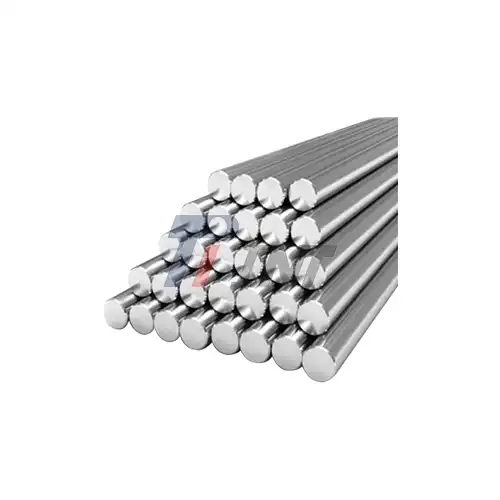
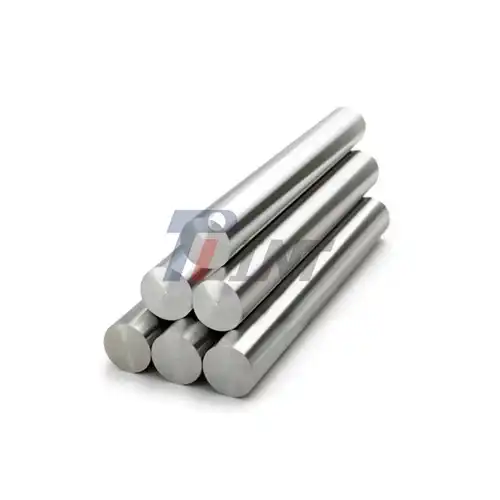
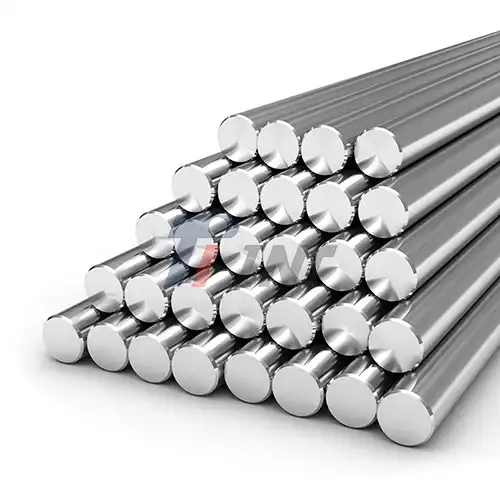
Titanium dental bars are medical-grade parts that are precisely built and made from commercially pure titanium or titanium alloys. They are made to work with dental implant systems and prosthetic frames. The bars act as the structure that dental restorations are made on. They send the pressure of biting down on false teeth to the bone tissue around them.
Defining Titanium Dental Bars and Their Role
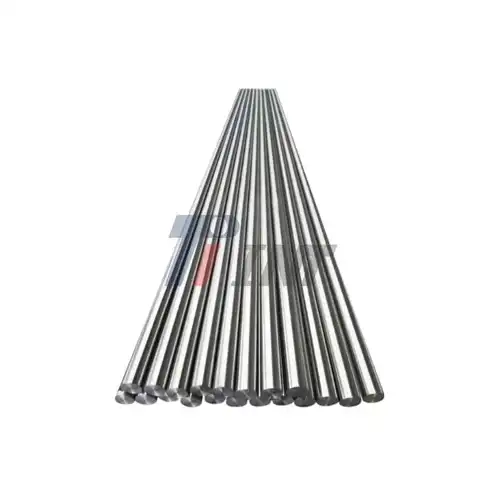
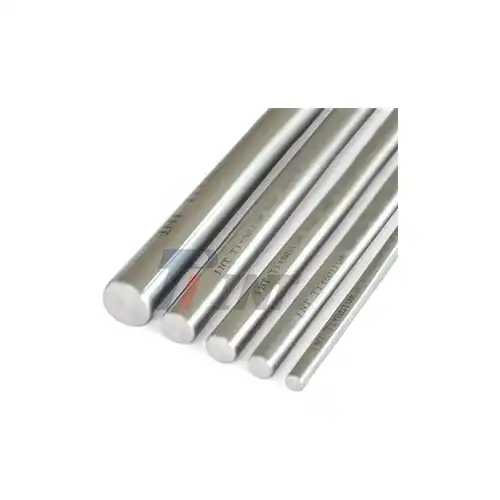
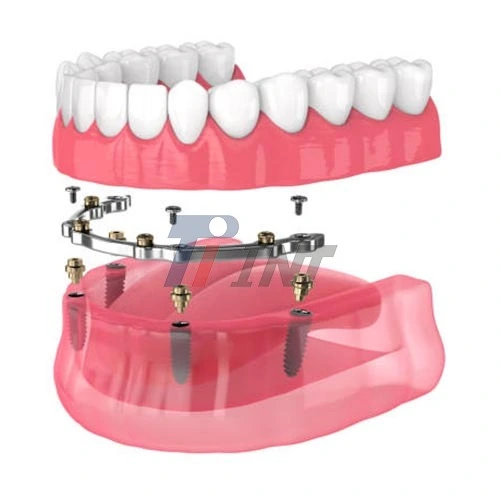
Different types of titanium bar dental are solid bars, hollow tubes, and milled pieces that are used in implant abutments, implant bodies, and prosthesis frames. When you chew, these parts connect the biological surroundings of your mouth to the mechanical needs of chewing. As their main job is to provide a stable support while also helping the biological process of osseointegration, which is when living bone directly connects with the implant surface.
Common Titanium Grades in Dental Applications
Most of the time, dental implants use Grade 5 titanium alloy (Ti-6Al-4V) and Grade 23 titanium alloy (Ti-6Al-4V ELI—Extra Low Interstitial). Grade 5 has a tensile strength of up to 950 MPa and great wear resistance, so it can be used for load-bearing structures like implant-supported teeth and multi-unit bridges. Grade 23 has an even higher tensile strength of 1100 MPa while still being very flexible and biocompatible, which is why the FDA has approved it for long-term use. Grades 1-4 of commercially pure titanium are used for things like handmade prosthetic frames that need to be shaped very precisely and where formability is more important than ultimate strength.
Clinical Applications Across Dental Disciplines
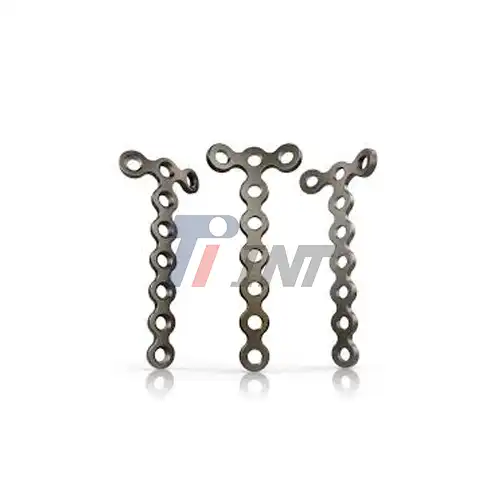
Titanium bars are used a lot in all areas of dentistry. In implantology, they make the body of the implant that fuses with bone tissue in the jaw. In prosthodontics, titanium bars are used to make frames that hold multiple crowns and are attached to implants. In orthodontics, titanium temporary anchoring devices are used to move teeth. Titanium bars are used in fracture repair plates and fixation screws in oral surgery. Each use needs a certain set of qualities from the material, and titanium is the only one that can meet those needs. It is biocompatible, which means it doesn't respond badly with tissue, it's strong enough to withstand decades of repeated loading, and it doesn't rust in the harsh oral environment.
Comparing Titanium Bars with Alternative Dental Materials
In dental implantology, choosing the right material means weighing a lot of things, like its mechanical qualities, how it will react biologically, how easy it is to make, and how much it will cost. Knowing how titanium bars stack up against bars made of other materials helps procurement workers make choices that are in line with product needs and market positioning.
Titanium Versus Stainless Steel
In the past, before titanium became the standard, tooth implants were made of stainless steel. Stainless steel is strong enough and cheaper than other materials, but it also has some big problems. The material doesn't hold up well against rust in salty mouths, which could cause nickel ions to be released, which can cause allergic reactions in sensitive patients. Stainless steel can't osseointegrate, so it uses fibrous coating instead, which isn't as stable for long-term fixing. Because the material has a higher elastic elasticity, it can protect against stress, which can cause bone to break down around implants. Because of these problems, titanium has mostly replaced stainless steel in current implant systems. However, stainless steel is still commonly used in short-term orthodontic devices because its benefits are less noticeable.
Titanium Versus Gold Alloys
Gold and gold alloys are biocompatible and don't rust, and they have been used for a long time in tooth implants. However, gold's high density makes replacements heavier, which some patients may find uncomfortable, especially when they are bigger. Costs for this material change a lot, which makes it harder to plan purchases and set prices. Gold doesn't have the osseointegration qualities that titanium does, so it can't be used for implant bodies. Instead, it can only be used for artificial parts. Gold's unique color makes it hard to look good, and it can't be used in front teeth where patients want crowns that look natural. Because of these things, gold is more of an additive than a competing material for titanium bars.
Titanium Versus Zirconia Ceramics
Zirconia, or zirconium dioxide, is becoming more popular as an option to metal for implants, especially for people who want repairs that don't contain metal. Zirconia is more attractive because it is white and won't show through clear gum tissue. The material is biocompatible and resistant to rust in the same way that titanium is. Zirconia, on the other hand, has a lot of technical problems. As opposed to titanium, which deforms before breaking, this metal is very weak and can break in a big way when hit or put under too much stress. Zirconia doesn't have the long-term clinical track record that titanium has built up over decades. Problems with manufacturing raise the cost of production and reduce the design options. There is proof that zirconia implants fail more often than titanium implants. This makes them a riskier choice for most situations.
Titanium Versus Cobalt-Chrome Alloys
Cobalt-chrome metals are used a lot in frames for detachable partial dentures and some prostheses that are held in place by implants. These metals are stronger than titanium and don't break down easily. They also cost less. However, cobalt-chrome has some major problems when used in implants. The material's much higher elastic elasticity makes it better at protecting against stress than titanium. Clinicians who treat sensitive patients are worried about how cobalt, chromium, or nickel parts might cause allergic responses. Cobalt-chrome isn't as good at osseointegration as titanium, which makes it less useful as an implant material. Because the material is heavier, prosthetics are bigger and less comfy. Because of these factors, cobalt-chrome is usually used for frameworks and doesn't directly compete with titanium bars for implant bodies.
Key Performance Differentiators
In all of these studies, titanium bar dental always shows better results in important performance areas. Biocompatibility testing shows that titanium causes very little inflammation and no harmful effects, with rejection rates of less than 1%. Corrosion resistance tests show that titanium's passive oxide layer stays stable even when the pH level changes in the mouth. Mechanical testing confirms titanium's unique mix of enough strength and lower elastic modulus, which better matches the qualities of bone and lowers stress-shielding. Testing for fatigue shows that titanium can handle millions of pressure cycles without breaking. Studies that follow implants for 10 to 20 years regularly show that titanium implants have success rates higher than 95%, setting the standard against which other options must be measured.
Procurement Considerations for Titanium Dental Bars
To find medical-grade titanium bars, you need to pay close attention to quality standards, the skills of suppliers, and the dependability of the supply chain. Decisions about procurement affect the quality of the products, how well they meet regulations, and eventually the success of dental gadgets when they are used in real life.
International Standards and Certifications
Making sure that sources have the right certifications is the first step in quality security. Getting ISO 13485:2016 approval shows that a supplier's quality management system meets the needs of the medical device business. ISO 9001:2015 gives more assurances about quality control. The European Union's CE mark shows that a medical gadget meets the rules for sellers that sell to European markets. Products that are going to be sold in the United States need to be registered with the FDA. In addition to corporate certifications, material certifications should show that the product meets the requirements of ASTM F136 (for Grade 5 titanium), ASTM F1472 (for Grade 23 titanium), or ISO 5832. These standards describe the chemical make-up, mechanical qualities, and purity of materials used in surgical implants.
Evaluating Supplier Reputation and Capabilities
Comparing prices is only one part of choosing a supplier. Technical skills are very important. For example, can the provider provide materials in the exact sizes that your industrial processes need? Do they offer services that add value, like precise cutting, surface treatment, or testing, that lower the cost of the work you do afterward? How reliable deliveries are affected by manufacturing capacity—suppliers who are close to their capacity limits are more likely to be late when demand goes up. Shipping times and prices are affected by geography, which also affects the stability of the supply chain. Having a long-term connection with a supplier is often more useful than buying things one time. This is especially true when the supplier knows exactly what you need for an application and can help with technical questions as the product is being developed.
Custom Specifications and Bulk Ordering
When making medical devices, titanium bars of certain sizes are often needed to make the devices fit properly. Suppliers who offer customization services can give you bars with exact sizes ranging from small wire to big rods up to 200 mm in lengths you choose, up to 3000 mm. This ability to customize cuts down on trash and the cost of extra processing. When you buy in bulk, you usually get better prices, but the minimum order quantities range from seller to supplier. When making procurement plans, it's important to weigh the costs of keeping inventory against volume savings and the chance that materials will become obsolete if product designs change. Setting up framework deals with qualified sellers is a good way to keep prices stable while still allowing for changes in order quantities.
Quality Control and Traceability
For medical uses, it is important to be able to carefully track materials from the raw materials to the finished products. Suppliers should give material certificates that list the chemical make-up, mechanical qualities, and lot numbers for each production run. This paperwork makes it possible to trace materials back to particular patient implants in case problems are found after the product has been sold. As part of quality control, measurements, surface finish, and cleaning should be checked. Some uses need extra testing, like a non-destructive study to find problems inside the product. Knowing what testing your provider does and what you need to do yourself helps you make sure that quality assurance costs and duties are shared fairly.
Practical Insights into Titanium Bar Use and Maintenance
Knowing how titanium bars work in clinical settings helps people who buy things guess what customers will want and what problems might come up in the field that could hurt the product's image and the cost of the guarantee.
Clinical Implementation Procedures
To get the best success rates, dentists follow set procedures when putting in titanium implants. During surgery, graded drills are usually used to make an osteotomy (a precise hole in the bone) of the right size. The titanium implant is then inserted with controlled pressure to ensure main stability. The osseointegration process takes three to six months. During that time, bone cells move to the titanium surface and form a straight structural link. Abutments and frames for prosthetics made from titanium bars need to be made so that occlusal forces are spread out evenly. This is done to avoid stress areas that could lead to failure or bone loss. Correct surgical method and prosthetic design have a direct effect on clinical results. This means that the quality and stability of titanium bar materials have a big effect on success.
Sterilization and Safety Protocols
Keeping things sterile stops infections and keeps the material's features. Titanium bars can be sterilized in a steam sterilizer, dry heat, and ethylene oxide gas, among other ways. Pathogens can be killed by steam autoclaving at 134°C for the right number of cycles. This process doesn't hurt titanium's mechanical qualities or biocompatibility. Some surface processes might not work well with some types of sterilization, so sellers need to give clear instructions on how to sterilize. Keeping things clean and safe before they are used keeps surfaces from getting dirty or damaged. A lot of makers get titanium bars that have already been cleaned and packed up, so they are ready to be used in their processes. This lowers the risk of contamination.
Expected Lifespan and Performance
Titanium tooth implants that are properly chosen and put in usually last 20 to 30 years or longer, and many patients have them for their whole lives. Titanium's wear resistance under cyclic loads, corrosion resistance (which stops material degradation), and steady osseointegration (which keeps the implant in place) are what make it last so long. Because they get worn out or need to look better, prosthetic parts like abutments and frames may need to be replaced before implant bodies. Longevity is affected by things like the patient's bone quality, mouth cleanliness, and overall health, the loading conditions (for example, bruxism causes stress), and the original surgical method. By knowing these expected lifespans, gadget makers can make sure their warranties are fair, and purchasing professionals can figure out the total cost of ownership when comparing different materials.
Common Challenges and Troubleshooting
Even though titanium works very well, there are times when it has problems. Inflammatory conditions that affect the tissues around implants, called peri-implantitis, can happen when germs build up. However, this is more of a result of poor cleanliness and poor design than of the material itself. Problems with mechanics, like screws coming loose or breaking, are usually caused by bad design or too much force, not by problems with the material itself. Manufacturing flaws like surface dust or wrong measurements can make osseointegration less likely to happen. These clinical results are directly affected by how consistent the quality of the suppliers is. This shows why buying decisions should put quality over lowering costs.
Future Trends and Innovations in Dental Implant Materials
The world of dental materials is always changing because study is learning more about how biological systems interact with each other and new manufacturing technologies are making it possible for new designs and mixtures of materials like titanium bar dental.
Emerging Materials and Hybrid Approaches
Scientists are looking into materials that might work better with titanium. Other advanced ceramics besides zirconia, like alumina and mixed ceramics, are better at resisting breaking while still looking good. Bioactive layers put on titanium surfaces can speed up the absorption of bone into the bone or kill germs. Combining titanium bases with ceramic caps in hybrid forms meets both biological and aesthetic needs. Polymer-infiltrated ceramic networks make them as strong as real tooth structures. But these new materials don't have as much clinical evidence or are as cost-effective as titanium yet, which suggests that the choice of materials is more likely to evolve than to revolutionize.
Innovations in Titanium Manufacturing
Manufacturing methods for titanium keep getting better, which opens up new dentistry uses. Using additive manufacturing (3D printing) makes it possible to make implant shapes that are specific to each patient, which wasn't possible with standard machining. This could improve osseointegration by creating better surface designs. Digital processes that connect intraoral scanners to CAD/CAM cutting tools make it easier to make prosthetics and make them more accurate. Enhanced surface processes change the shape and chemistry of titanium at the nanoscale level, which could speed up mending and make bone attachment stronger. Better alloy formulas might have better combinations of properties than present grades while still being biocompatible.
Digital Customization and Precision Manufacturing
The way that titanium bars are turned into final dental goods is changing because of digital technologies. With computer-aided design, artificial frames can be made that are perfectly shaped for each patient, making them fit and work better. With computer-aided production, accuracy is maintained over time, which is not possible with human methods. Digital stores of scanned data make it possible to copy designs that work well and keep track of how they perform. These features make suppliers more valuable if they can work with digital systems and give titanium bars in shapes that are best for automatic production processes.
Sustainability and Supply Chain Considerations
Environmental worries are becoming more and more important in choosing materials and evaluating suppliers. Titanium production uses a lot of energy, which is why recycled titanium is being looked at as a more environmentally friendly option. However, medical applications still need new titanium because of pure standards. As gadget makers try to be more environmentally friendly, the environmental practices of suppliers may affect their buying choices. Supply chain resilience got more attention after recent problems showed the dangers of production that is spread out around the world. Because of these trends, suppliers with clear, regionally varied supply lines and well-documented environmental management systems may do better.
Conclusion
When it comes to the things that matter most in dental implantology, titanium bar dental is clearly better than other materials when it comes to biocompatibility, mechanical performance, rust resistance, and long-term clinical success. Although zirconia ceramics and cobalt-chrome can be more aesthetically pleasing and cost-effective in some situations, titanium is the best material for demanding implant uses because it has the most unique set of qualities. When buying titanium dental bars, people in charge of procurement should look for providers that offer approved medical-grade materials, proven quality systems, the ability to customize products, and dependable delivery. Titanium will continue to be an important part of dental implants for a long time to come thanks to its track record and ongoing improvements. This means that medical device companies need to think carefully about their ties with their suppliers.
FAQ
How durable are titanium dental bars compared to other metals?
Titanium tooth bars are very durable and can be used with implants for a long time. Studies that followed implants for more than 20 years found success rates of over 95%, which is a lot better than what was seen with stainless steel implants in the past. Titanium is very resistant to wear, so it can handle millions of loading cycles while being chewed on without cracking and breaking. Unlike stainless steel, which can rust and release ions, this material doesn't break down in the mouth because it doesn't dissolve. Even though cobalt-chrome metals are strong, titanium is stronger because it has a smaller elastic modulus, which is more like bone. This means that it doesn't protect against stress as well, which can lead to long-term bone loss around implants.
Why does titanium have superior biocompatibility compared to other implant materials?
Titanium is very biocompatible because it makes a stable, inert oxide layer right away when it comes into touch with air. This TiO2 layer keeps the metal from touching the flesh directly while providing a surface that bone cells can easily attach to and grow on. This is a process that is only possible with titanium. Titanium doesn't cause as much inflammation as metals that contain nickel, which can cause allergic responses. Titanium implants have a failure rate of less than 1%, which is much lower than implants made of other metals. Because it is biologically compatible, titanium can be used by people who are allergic to metals and can't handle other dental materials.
What customization options exist for titanium bars in specific dental implant cases?
Medical-grade sources let you make a lot of changes to titanium bars that are used in dentistry. Specifications for width range from very small wires (less than 1 mm) to very large bars (more than 200 mm), so they can be used for a wide range of product designs. Customizing the length up to 3000mm cuts down on waste and makes production operations easier. You can choose the right material grade from available pure titanium and Grade 5 or Grade 23 alloys to get the best balance of strength and formability for your needs. Surface finish choices, such as rough-machined or finished, affect the work that needs to be done next. Some providers do precision cutting, surface cleaning, or threading that adds value and cuts down on the number of steps a customer has to take to make a product.
Partner with a Trusted Titanium Bar Dental Manufacturer
The Baoji INT Medical Titanium Co., Ltd. is ready to help you make dental devices by providing you with high-quality titanium bars that are designed to be used in medical settings. As a trusted titanium bar dental supplier, we can meet the high standards your goods need thanks to our many years of experience since 2003 and over 30 years of working in the titanium business. We make Grade 5 (Ti-6Al-4V) and Grade 23 (Ti-6Al-4V ELI) titanium bars that are fully certified by ISO 9001:2015, ISO 13485:2016, and the EU CE.
This makes sure that they meet all international rules for medical devices. Our customization options include widths up to 200 mm and lengths up to 3000 mm, and for tough jobs, we can reach tensile strengths of up to 1100 MPa. Procurement managers who want stable quality, technical support, and reliable delivery plans will find that INT's OEM services cover all of their titanium bar needs. Get in touch with our team at export@tiint.com to talk about your unique material needs and find out how our certified titanium bars can help your dental implant goods work better and be more competitive in the market.
References
1. Albrektsson, T., & Wennerberg, A. (2019). "On osseointegration in relation to implant surfaces." Clinical Implant Dentistry and Related Research, 21(S1), 4-7.
2. Geetha, M., Singh, A. K., Asokamani, R., & Gogia, A. K. (2020). "Ti based biomaterials: the ultimate choice for orthopaedic implants – A review." Progress in Materials Science, 54(3), 397-425.
3. Hanawa, T. (2019). "Zirconia versus titanium in implantology: A review." Dental Materials Journal, 39(1), 24-36.
4. Niinomi, M., & Nakai, M. (2021). "Titanium-based biomaterials for preventing stress shielding between implant devices and bone." International Journal of Biomaterials, 2011, Article 836587.
5. Rocha, S., Wagner, A., & Ivanovski, S. (2018). "Clinical and radiographic outcomes of implants placed with simultaneous or delayed bone augmentation in edentulous posterior maxilla." International Journal of Oral and Maxillofacial Implants, 33(5), 1147-1153.
6. Sidambe, A. T. (2014). "Biocompatibility of advanced manufactured titanium implants—A review." Materials, 7(12), 8168-8188.
_1751958555199.webp)
_1751957234428.webp)
_1751620280646.webp)
_1750664314563.webp)