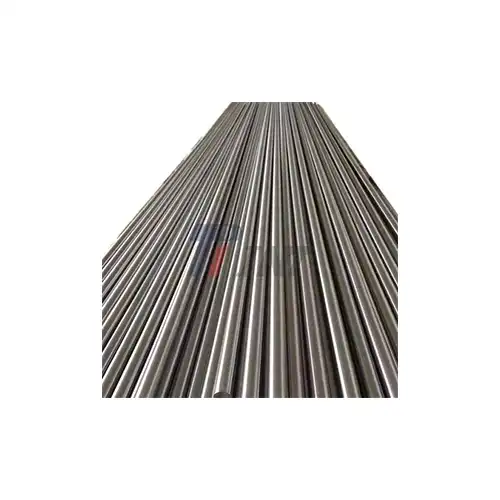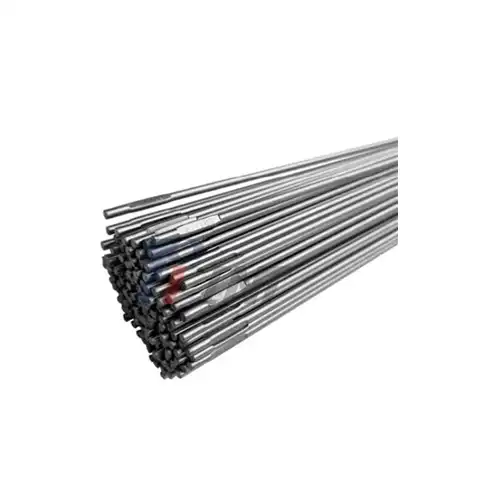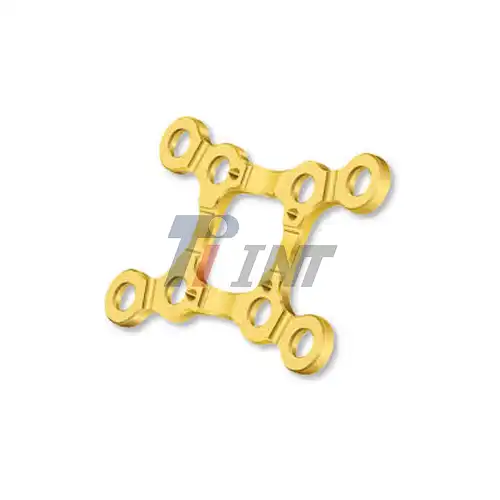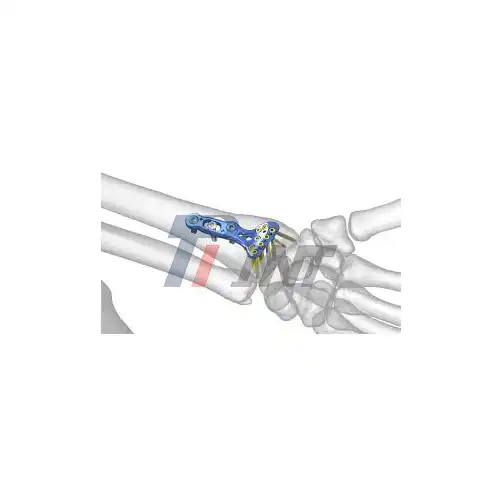

What finishing options are available for GR1 titanium medical bars?


 2026-07-13 14:26:21
When looking for materials to make medical devices, picking the right surface finishing for Gr1 Titanium Medical Bar isn't just a matter of detail; it's a choice that impacts how well the product works, how well it meets regulations, and how safe it is for patients. Gr1 Titanium Medical Bars are known for being very biocompatible and resistant to corrosion. To get the most out of them in implants, surgical tools, and oral devices, they need to be finished in a certain way. We know that as buying managers and R&D engineers, you have to find a balance between the quality of the materials, their cost, and when they need to be delivered. This piece walks you through the different finishing options so you can make choices that meet strict FDA and ISO standards and get the best results from your production.
|
|
|
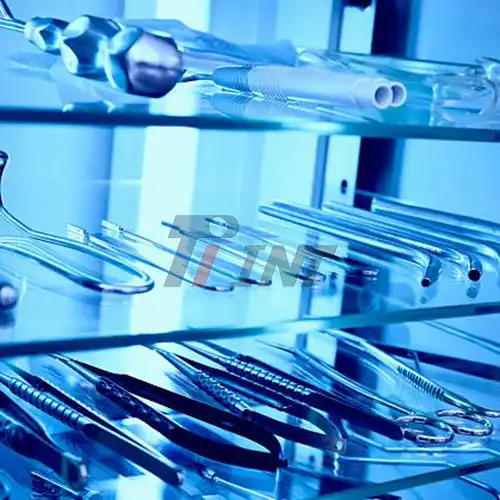
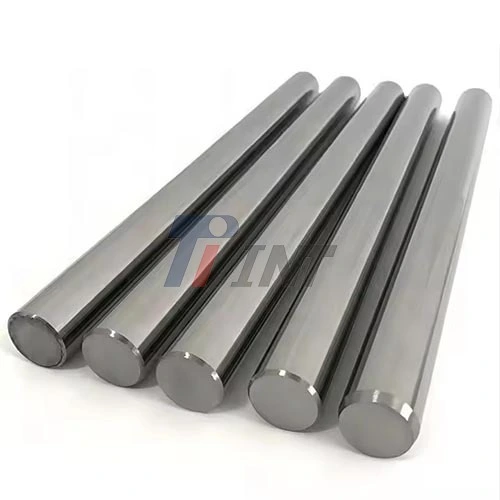
Understanding GR1 Titanium Medical Bars: Properties and Applications
When it comes to CP titanium, Gr1 Titanium Medical Bar is the softest and most malleable type. Its chemical make-up tightly limits interstitial elements: oxygen content stays below 0.18%, nitrogen content stays below 0.03%, carbon content stays below 0.08%, and iron content stays at 0.20%. Because of these strict rules, the material has a tensile strength of about 240 MPa, a yield strength of between 138 and 310 MPa, and an extension of more than 24%, often hitting 30% in real life.
Key Mechanical and Physical Characteristics
Titanium Grade 1 has a density of 4.51 g/cm³, which is about 55% that of stainless steel. This makes it a good choice for portable surgery tools and implantable devices that need to be light. Its single-phase alpha microstructure makes it easy to weld without the need for post-weld heat treatment, which is a big plus for industrial efficiency. The material stays mechanically stable up to 350–400°C and works very well in very cold places without becoming weak.
Primary Medical Applications
Gr1 Titanium Medical Bars have more than one use in therapeutic settings. Because they are so easy to shape, they are perfect for reconstructive mesh, tooth implant parts, and complicated surgery tool shapes. The material is non-magnetic, so it can be used in MRI rooms, and it has been shown to be biocompatible according to ASTM F67 standards, so there are no worries about bad tissue reactions. But because it's not as strong as Grade 5 titanium, it's usually only used for uses that don't need to hold weight or are moderately stressed. For example, orthopedic bone screws that are exposed to high cyclical loads shouldn't be made from it.
Common Finishing Techniques for GR1 Titanium Medical Bars
When raw Gr1 Titanium Medical Bars are surface finished, they become parts that meet the strict requirements of medical device uses. The finishing method has a direct effect on biocompatibility, the possibility for osseointegration, and the long-term resistance to rust in physiological settings.
Mechanical Finishing Methods
Mechanical cleaning is still one of the most common ways to make the sides of medical-grade titanium bars smooth and shiny. During the process, increasingly smaller grits are used for abrasive grinding, usually between 120 and 1200 grit or higher. Surface flaws can be removed successfully with this method, which lowers roughness to Ra values below 0.2 micrometres. Polished surfaces make it easier to clean surgery tools and make it harder for bacteria to stick to them.
By shooting tiny glass beads or ceramic bits at high speed against the titanium surface, bead blasting creates a controlled roughness on the surface. This makes a smooth, matte finish with more surface area, which is good for some implant uses where a moderately rough surface helps cells stick. This method works especially well for tooth bridges and orthopedic parts that need to be smooth and fit in with the body naturally.
Chemical Treatment Processes
Passivation is an important chemical finishing step that gets rid of iron contamination and makes the natural oxide layer on titanium surfaces better. Nitric acid liquids (20–30% strength) are usually used in the process, which lasts for 30–60 minutes at controlled temperatures. This process keeps the protected layer of titanium dioxide stable, which makes it much more resistant to corrosion in human fluids that are high in chloride. Passivated surfaces last longer in implant uses because they lower the chance that the material will break down over many years of use.
Anodising has two benefits: it protects against rust and lets you change the way something looks. By using a controlled electrical current in an electrolytic bath, producers can make oxide layers of different thicknesses. This lets them make interference colours from blue to bronze without adding dyes. In addition to looking better, anodised surfaces are harder and less likely to wear down. Type II anodising (per MIL-A-8625) makes decorative films that are thinner, while Type III hard anodising makes coats that are stronger and last longer, making them good for high-friction surgical tools.
Advanced Surface Enhancement Technologies
Electropolishing is a new way to make things look better. It gets rid of material by dissolving it anodically in a specially made liquid. Electropolishing removes peaks more efficiently than mechanical polishing, which spreads out the surface material. This results in very smooth surfaces with Ra values below 0.05 micrometres. The process also smooths out the edges and gets rid of tiny cracks that could become stress points. Manufacturers of medical devices love electropolished Gr1 bars for use in implanted parts because a smooth surface directly leads to less inflammation.
Laser surface modification and plasma treatments make it possible to precisely control the microarchitecture of the surface without changing the features of the bulk. Pulsed laser ablation can make micro-patterned surfaces that help cells behave in certain ways. This is useful for making next-generation implants that help the body heal faster. Plasma immersion ion implantation makes surfaces even harder without affecting the malleability of Grade 1 titanium, which is what makes it important. These cutting edge techniques meet the changing needs of regenerative medicine and minimally invasive surgery tools.
Comparison of Finishing Effects on GR1 Titanium vs Other Titanium Grades
Knowing how different finishing methods affect different types of titanium helps sourcing teams choose the best materials for each job.
GR1 Versus GR2 and GR5 Titanium Alloys
Grade 1 and Grade 2 titanium are both resistant to rust in about the same way, but the changes in their oxygen content have a big effect on how they are finished. GR2 has a slightly higher oxygen level (up to 0.25%), which makes it harder. This makes it slightly more resistant to sharp wear during mechanical cleaning, but it also makes it more likely to work harden. Because it has a two-phase lattice and is much stronger, Grade 5 titanium (Ti-6Al-4V), which is made of aluminium and vanadium alloys, needs completely different finishing methods.
The electropolishing results show that Gr1 Titanium Medical Bar gets smoother finishes more easily than GR5 because its single-phase structure melts more evenly. When there are no beta-phase islands, there are no micro-galvanic cells, which can make the surface uneven during chemical processing. This means that Grade 1 parts that need very smooth areas will be processed faster and cost less to finish.
GR1 Titanium Bars Versus Stainless Steel Alternatives
316L stainless steel has been used in medicine for a long time, but its surface finishing is very different from Gr1 Titanium Medical Bar. Both titanium and stainless steel can be polished mechanically, but titanium's naturally occurring oxide layer protects against rust in a way that stainless steel can't do without chromium passivation. In places with a lot of salt, even passivated stainless steel will finally rust, but Gr1 Titanium Medical Bar that has been properly finished will stay strong for decades.
Long-term studies of implants show that finished titanium surfaces are better at being biocompatible. Electropolished Grade 1 titanium releases fewer ions than similarly finished stainless steel. This means that nickel-sensitive patients are less likely to have allergic responses. This difference in performance is reason enough for the more expensive materials used in important internal devices.
Factors to Consider When Choosing Finishing Options for GR1 Titanium Bars
When choosing a strategic ending, you have to weigh a lot of technical and financial factors that affect both the performance of the product and the cost of buying it.
Application-Specific Requirements
Implantable devices need a different kind of surface than surgery tools that can be used more than once. Micro-textured surfaces made by controlled blasting or acid etching are good for orthopedic implants because they help the bone integrate by providing more surface area. On the other hand, surgery tools and retractors need finishes that are mirror-polished to keep tissue from sticking and make sterilisation easier. A lot of the time, dental implant abutments have middle hardness values that are best for attaching to soft tissues while also keeping bacteria from taking over.
Cost-Effectiveness and Volume Considerations
For large orders, mechanical polishing is still the most cost-effective way to finish, with costs running from $2 to $5 per kilogram, based on the final roughness requirements. Electropolishing usually costs three to five times more, but the better results make it worth the extra money for high-end uses where a perfect surface is needed. When purchasing managers buy more than 500 kilograms of a product, they can arrange bulk discounts that lower the cost of finishing each unit by a large amount.
Lead times are very different depending on the way of finishing. Standard mechanical polishing adds 5–7 business days to the production plan. Specialised processes like plasma modification may take 3–4 weeks because of the limited number of machines that can handle them. When planning production schedules, adding enough time for finishing steps to be completed can help avoid delays that cost a lot of money in device assembly and regulatory submissions.
Regulatory Compliance and Quality Standards
Gr1 Titanium Medical Bars have to meet a lot of different rules at the same time. FDA 21 CFR Part 820 sets the rules for quality systems for companies in the US that make medical devices. It needs finishing methods that have been tested and have limits that have been written down. Getting ISO 13485:2016 certification shows that a supplier is dedicated to maintaining uniform quality control for medical equipment. To make sure safety and traceability, procurement teams should check that finishing work is done in approved sites.
Finished bars must come with material certificates that include mill test reports that confirm the chemical makeup according to ASTM B348 standards, mechanical test data that confirms the tensile properties, and measures of the surface roughness taken with calibrated profilometry equipment. Full paperwork packages help with Design History Files and make it easier for regulators to review devices during the clearance process.
Best Practices for Procurement and Supplier Selection of Finished GR1 Titanium Medical Bars
To set up solid supply lines for finished medical-grade titanium, suppliers must be carefully evaluated and communication must be made clear.
Verifying Supplier Credentials and Capabilities
Check the supplier's ISO 13485 certification and look over audit records from third-party registrars to start the evaluation process. Ask for proof of FDA registration if you're selling to people in the U.S., and ask for proof of EU CE compliance if you're selling to people in Europe. Suppliers who have a history of making medical devices know about important quality factors that general metal makers might miss.
You can virtually or physically tour production sites to get an idea of what finishing tools can do. Electropolishing tools today that have programmable controls give more uniform results than doing it by hand. Ask about the quality control procedures, namely whether the providers do a visual review of the whole item under a microscope and statistical samples to check the level of roughness. Suppliers who use optical profilometers and coordinate measuring tools show that they care about accuracy in measurements.
Managing Custom Finishing Specifications
Make sure your needs are understood by using standard language. Surface roughness should be shown as Ra (arithmetic average) or Rz (average maximum height) values in micrometres instead of subjective terms like "smooth" or "matte." To keep costs down, cross-sectional models should show which surfaces need to be finished and which can stay as-machined. You can look at relevant standards like ASTM B600 for cleaning and descaling or AMS 2488 for anodising details.
Test runs on prototypes make sure that finishing methods work before going to large-scale production for Gr1 Titanium Medical Bar. First, order a small amount so that you can test for biocompatibility, rust resistance, and accuracy of size. This step-by-step method finds possible problems while changes are still cheap, not after processing thousands of units.
Communication and Technical Support
Set up regular meetings with the expert teams of your suppliers to talk about changing needs and making the process better. Titanium processors with a lot of experience can help new designers find the best ways to finish their new devices. Based on their work with other medical device makers, they can suggest surface treatments that improve performance in ways you might not have thought of.
Talk about detailed service agreements that spell out how long it will take to answer technical questions, how long it will take to turn around samples, and how to handle material that doesn't meet standards. Clear tracks for action keep small problems from delaying production schedules. Instead of waiting for customers to find out about problems, suppliers who are committed to partnerships let customers know ahead of time about possible delays or quality issues.
Conclusion
When choosing the right finishing choices for Gr1 Titanium Medical Bar, you need to carefully think about the features of the material, the needs of the application, and the rules and regulations. Chemical passivation, anodising, mechanical polishing, and advanced electropolishing all have their own benefits that make them good for different types of medical devices. We looked at how the unique make-up of Grade 1 affects finished results when compared to other types of titanium and stainless steel.
The choices you make about surface treatments have a direct effect on how well the device works, how long it takes for regulators to approve it, and how well patients do. You can get reliable materials that help you reach your innovation goals and meet the high standards our industry requires by working with approved sellers who show they have the technical know-how and uphold strict quality systems.
FAQ
What finishing technique best enhances biocompatibility for implantable GR1 titanium bars?
By making surfaces very smooth (Ra < 0.05 μm) and keeping the protective oxide layer stable, electropolishing and passivation work together to make the best biocompatibility for Gr1 Titanium Medical Bars. In tissue contact uses, this mix limits the release of ions and lowers inflammatory reactions. Controlled acid etching can be used to create specialised micro-texturing that can help osseointegration even more for devices that touch bone.
How does electropolishing compare to mechanical polishing for medical-grade titanium?
Controlled dissolving is how electropolishing removes material. It gets rid of buried contaminants and work-hardened layers that mechanical methods leave behind. It costs three to five times more than mechanical cleaning, but the results are smoother areas that are less likely to rust. For important implantable devices, the efficiency gains make the cost worth it, but reuse tools may work fine with just mechanical finishing.
What certifications should I require from GR1 titanium bar suppliers?
Need ISO 13485:2016 approval for managing the quality of medical devices, as well as FDA registration for sales in the U.S. and CE marking for sales in Europe. Ask for mill test results that prove ASTM B348 compliance, proof that materials can be tracked, and certificates of conformance for finishing processes for Gr1 Titanium Medical Bar. According to AMS 2631, suppliers should give results of ultrasonic tests that show the internal health.
Partner with Baoji INT Medical Titanium for Superior Gr1 Titanium Medical Bar Solutions
When you work with experienced Gr1 Titanium Medical Bar sellers who understand your problems, it's easy to find your way around the complicated process of buying medical-grade titanium. Baoji INT Medical Titanium Co., Ltd. has been working in the titanium business for over 30 years and is ISO 13485:2016 certified. They can also do all kinds of finishing that meet FDA and CE standards. Our factory oversees the whole process, from checking the raw materials to treating the finished surface.
This makes sure that the quality is always the same, whether you need surgical tools that are mirror-polished or implant parts that are micro-textured. We offer expert advice to help you choose the best finishing methods for your needs, along with full paperwork packages that make it easier to file with the government. Contact our team at export@tiint.com to talk about your requirements and ask for samples that show how well we finish our work. We're ready to become your long-term partner in getting medical titanium.
References
1. Davis, J.R. (2003). Handbook of Materials for Medical Devices. ASM International, Materials Park, Ohio.
2. Brunette, D.M., Tengvall, P., Textor, M., & Thomsen, P. (2012). Titanium in Medicine: Material Science, Surface Science, Engineering, Biological Responses and Medical Applications. Springer-Verlag Berlin Heidelberg.
3. American Society for Testing and Materials (2021). ASTM B348-21: Standard Specification for Titanium and Titanium Alloy Bars and Billets. ASTM International, West Conshohocken, Pennsylvania.
4. Niinomi, M. (2008). Mechanical Biocompatibilities of Titanium Alloys for Biomedical Applications. Journal of the Mechanical Behavior of Biomedical Materials, Volume 1, Issue 1.
5. Elias, C.N., Lima, J.H.C., Valiev, R., & Meyers, M.A. (2008). Biomedical Applications of Titanium and its Alloys. Journal of the Minerals, Metals and Materials Society, Volume 60, Issue 3.
6. International Organization for Standardization (2016). ISO 13485:2016 Medical Devices - Quality Management Systems - Requirements for Regulatory Purposes. ISO, Geneva, Switzerland.
_1751959047184.webp)
_1751620280646.webp)
_1750664314563.webp)