


 2025-12-25 09:16:45
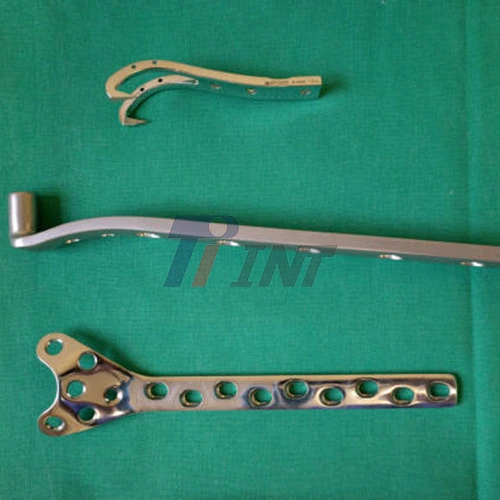
The Remarkable Durability of Titanium Plate Implants
Titanium plate inserts are eminent for their uncommon toughness and life span. These therapeutic gadgets are designed to withstand the rigors of everyday life while giving significant bolster to bones and tissues. The inborn properties of titanium make it a perfect fabric for restorative inserts, advertising an interesting combination of quality, biocompatibility, and erosion resistance.
One of the most amazing angles of titanium plate inserts is their capacity to coordinate with the encompassing bone tissue. This handle, known as osseointegration, permits the embed to become a lasting portion of the body's structure. As a result, titanium plates can last for decades, regularly outlasting the patients themselves.
The longevity of titanium plate implants is attributed to several factors:
- Corrosion Resistance: Titanium naturally forms a protective oxide layer when exposed to air, making it highly resistant to corrosion in the body's environment.
- Biocompatibility: The human body readily accepts titanium, reducing the risk of rejection or adverse reactions.
- Strength-to-Weight Ratio: Titanium offers exceptional strength while remaining lightweight, reducing stress on surrounding tissues.
- Fatigue Resistance: Titanium can withstand repeated stress cycles without breaking or degrading, ensuring long-term stability.
These properties contribute to the exceptional life expectancy of titanium plate inserts, making them a favored choice for different restorative applications, from orthopedic surgeries to maxillofacial recreations.
Factors Influencing the Longevity of Titanium Plates
While titanium plate implants are known for their durability, several factors can influence their lifespan. Understanding these factors can help patients and healthcare providers make informed decisions and take appropriate measures to maximize the longevity of the implants.
1. Quality of the Implant
The quality of the titanium plate implant plays a crucial role in determining its lifespan. High-quality implants manufactured by reputable companies, such as Baoji INT Medical Titanium Co., Ltd., are more likely to have longer lifespans due to their adherence to strict quality control standards and use of advanced manufacturing techniques.
2. Surgical Technique
The skill and experience of the surgeon performing the implantation procedure can significantly impact the longevity of the titanium plate. Proper placement and fixation of the implant are essential for ensuring its stability and long-term success.
3. Patient Factors
Individual patient characteristics can affect the lifespan of titanium plate implants. These factors include:
- Age and overall health
- Bone quality and density
- Lifestyle habits (e.g., smoking, alcohol consumption)
- Physical activity level
- Adherence to post-operative care instructions
4. Location of the Implant
The anatomical location of the titanium plate implant can influence its longevity. Implants placed in areas subjected to high stress or frequent movement may experience more wear and tear compared to those in less dynamic regions of the body.
5. Environmental Factors
External factors such as exposure to extreme temperatures, electromagnetic fields, or certain chemicals can potentially affect the longevity of titanium plate implants. However, these effects are generally minimal due to titanium's inherent resistance to environmental stressors.
Maximizing the Lifespan of Titanium Plate Implants
Whereas titanium plate inserts are outlined for long-term use, there are steps patients can take to offer assistance to maximize their life expectancy and guarantee ideal execution:
1. Follow Post-Operative Instructions
Adhering to the surgeon's post-operative care instructions is crucial for proper healing and long-term success of the implant. This may include restrictions on physical activity, wound care guidelines, and medication regimens.
2. Maintain a Healthy Lifestyle
Adopting a healthy lifestyle can contribute to the longevity of titanium plate implants. This includes:
- Eating a balanced diet rich in calcium and vitamin D to support bone health
- Engaging in regular, appropriate exercise to maintain bone density and overall health
- Avoiding smoking and excessive alcohol consumption, which can negatively impact bone healing and density
3. Regular Check-ups
Attending scheduled follow-up appointments with healthcare providers allows for early detection of any potential issues and ensures the implant continues to function as intended.
4. Protect Against Trauma
While titanium plate implants are strong, they can still be damaged by severe trauma. Taking precautions to avoid accidents and using appropriate protective gear during high-risk activities can help preserve the implant's integrity.
5. Be Aware of Potential Complications
Understanding the signs of potential complications, such as disease or embed releasing, and looking for incite therapeutic consideration if they happen can offer assistance in anticipating more genuine issues and expanding the life expectancy of the embed.
Conclusion
Titanium plate implants are remarkable medical devices known for their exceptional durability and longevity. When appropriately fabricated, embedded, and cared for, these inserts can last for decades, regularly working viably for the leftover portion of a patient's life. The combination of titanium's one-of-a-kind properties and headways in restorative innovation has revolutionized the field of implantology, advertising patients moving forward quality of life and long-lasting arrangements to different therapeutic conditions.
For those seeking high-quality titanium plate implants or looking to learn more about medical titanium products, Baoji INT Medical Titanium Co., Ltd. offers a comprehensive range of options backed by years of expertise in the field. To explore their offerings or discuss your specific needs, don't hesitate to reach out to their team at export@tiint.com.
_1753429871786.webp)
_1751956503238.webp)
_1750923514395.webp)
_1750663715751.webp)