
How Titanium Tubes Support Chemical Processing Systems


 2026-07-27 11:33:00
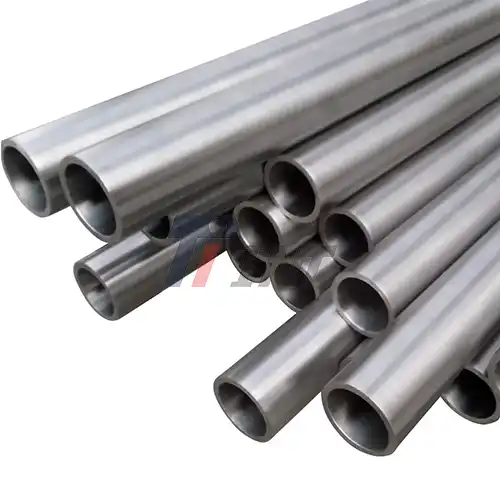
Titanium tubes play a crucial role in chemical processing systems by delivering exceptional corrosion resistance and mechanical reliability in harsh environments. Among various grades, Gr7 Welded Titanium Tube stands out as an optimal solution due to its enhanced electrochemical stability provided by palladium additions. These tubes resist aggressive acids, high-chloride solutions, and elevated temperatures that typically degrade standard materials. Their deployment in heat exchangers, evaporators, and hydrometallurgical piping ensures uninterrupted operations, reduces maintenance downtime, and extends equipment lifespan—addressing critical pain points that procurement managers face when specifying materials for demanding chemical plant applications.
|
|
|
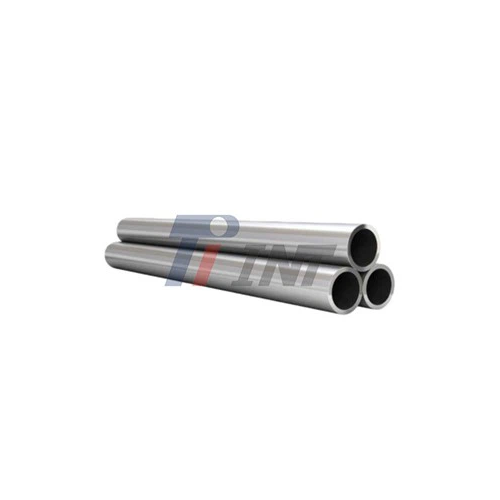
Understanding Gr7 Welded Titanium Tubes in Chemical Processing
What Makes Gr7 Welded Titanium Tube Unique?
Grade 7 titanium tubing is a high-tech engineering material that is made using precise TIG or Plasma Arc welding methods. Adding 0.12% to 0.25% palladium to a fairly pure titanium base in a controlled way is what makes it unique. This strategic alloying moves the material's electrochemical potential into the passive region, which makes it much better at working in reducing acid environments where Grade 2 titanium normally experiences localised attack.
Key Material Properties Driving Industrial Adoption
Gr7 Welded Titanium Tubes have a density of 4.51 g/cm³ and a melting point of about 1660°C, so they are stable at high and low temperatures. The minimum tensile strength is 345 MPa, the minimum yield strength is 275 MPa, and the maximum stretch is more than 20%. This mix allows the material to be shaped during installation and keeps the structure strong during pressure cycling. Standards like ASTM B338 and B862 make sure that measurements stay the same and that the material can be welded. This meets the high quality standards that R&D engineers look for when they test materials for regulated uses.
The palladium acts as a cathodic depolariser, stopping the release of hydrogen, which is what usually starts corrosion. Because of this process, Gr7 Welded Titanium Tubes can handle crevice rust in saltwater and brine at temperatures above 250°C, which is not possible with pure titanium. Chemical processors benefit from this wider operating range, especially when working with hot chlorides, diluted sulphuric acid, or hydrochloric acid, where broken equipment directly leads to lost production.
Comparing Gr7 Welded Titanium Tubes with Alternative Materials
Performance Against Other Titanium Grades
Procurement experts often compare Grade 7 titanium alloys to Grade 2 and Grade 5 metals when they are looking at different material choices. Grade 2 is good at resisting corrosion in oxidising environments, but it's not good enough at resisting corrosion in cracks for reducing acid environments. Grade 5 (Ti-6Al-4V) is stronger, but it doesn't hold up well against rust in chemical environments. Grade 7 fills in these gaps by being more electrochemically stable than Grade 2 and easier to shape. This makes it the best choice for shell-and-tube heat exchanges and reactor pipes.
Advantages Over Stainless Steel Solutions
Chemical pipes have usually been made of stainless steel because it costs less up front. When exposed to acidic or chloride-rich surroundings, however, austenitic stainless steels rust, pit, and crack due to stress corrosion. Gr7 Welded Titanium Tubes don't corrode very quickly in the same conditions, so they don't need to be replaced often or shut down without warning. Lifecycle cost analysis shows that even though the original investment is usually three to four times that of stainless steel, the lack of replacement cycles and upkeep work saves 40 to 60 percent of the total cost over 15 years of use.
Welded Versus Seamless Manufacturing Considerations
When compared to seamless manufacturing, welded tube production is much more cost-effective and takes less time. As required by ASTM B338 standards, flattening and flaring tests show that joints made with modern welding technologies have the same mechanical properties as the base metal. Managers in the supply chain like that welded tubes can be made to fit any width and wall thickness requirements without having to deal with the tooling issues that come with smooth extrusion. Seamless tubes don't have any areas that get hot, but properly manufactured Gr7 Welded Titanium Tubes give the same service performance at a lower cost.
How Gr7 Welded Titanium Tubes Enhance Chemical Processing Systems?
Superior Corrosion Resistance in Aggressive Environments
Corrosive media often present problems when choosing materials for chemical manufacturing devices. It has been shown that Gr7 Welded Titanium Tube is resistant to pitting corrosion, crevice corrosion, and stress corrosion cracking in the following environments:
- Reducing acids: Dilute hydrochloric and sulphuric acid solutions when regular titanium grades are weak
- High-temperature brines: More than 20% chloride content at temperatures above 80°C
- Acidic slurries: Nickel, cobalt, and gold ores are processed by hydrometallurgical leaching systems.
This resistance to corrosion means that machine performance can be predicted, which lets production managers plan repair ahead of time instead of having to fix problems as they happen.
Mechanical Reliability Under Process Conditions
In addition to being resistant to chemicals, Gr7 Welded Titanium Tubes keep their structural integrity under harsh operating conditions. The material can handle pressures high enough for multi-stage evaporators and high-pressure autoclaves. Cycling between room temperature and process temperature, which happens a lot in batch chemical operations, does not cause stress cracks or changes in size that make the seal less reliable. This mechanical stability is very important in situations where tube-to-tubesheet joints need to stay leak-free for long periods of time.
Real-World Application Performance
Desalination plants that use Gr7 Welded Titanium Tubes in brine heaters say that the tubes last 12 to 15 years without needing to be replaced, compared to 3 to 5 years for other materials. When hydrometallurgical plants that work with acidic slurries switched to Grade 7 pipe systems, maintenance-related downtime went down by 60%. Chemical makers that work with hot chloride streams have seen flange face crevice rust go away. This was a type of failure that used to need a gasket replacement and surface cutting every year.
Guide to Procuring Gr7 Welded Titanium Tubes for Chemical Processing
Evaluating Supplier Qualifications and Capabilities
A careful evaluation of the seller is the first step in successfully obtaining materials. Production managers should give makers extra credit if they demonstrate:
- ISO 9001:2015 quality management certification ensuring process rules are in place
- ASTM B338 and B862 production compliance verified through third-party audits
- In-house testing capabilities including Positive Material Identification (PMI) for checking the palladium content
- Non-destructive testing infrastructure for 100% Eddy Current and Ultrasonic inspection that doesn't damage anything
Baoji INT Medical Titanium Co., Ltd. is a good example of these credentials because they have been working with titanium materials for over 20 years and have all the quality certifications needed to support traceability requirements.
Understanding Pricing and Lead Time Factors
Costs of procurement are more than just the price of materials per kilogram. Managers of the supply chain should look at:
Costs of material approval paperwork, like mill test results and chemical composition confirmation, usually add 5 to 8 percent to the base price. For custom diameter and wall thickness requirements, it may be necessary to make investments in tools that are spread out over multiple orders. Depending on the tube specs, the minimum order quantity can be anywhere from 500 to 1000 kilograms. This makes it hard to plan supplies for smaller production runs. Lead times for standard Gr7 Welded Titanium Tube sizes range from 8 to 12 weeks, while custom specifications can take up to 14 to 18 weeks, which includes time for getting certification. Building relationships with experienced suppliers lowers the risk of procurement and makes sure that technical support is available during the material qualification phases.
Technical Specifications and Quality Verification
Purchasing managers need to be very clear about what specs tubes need to meet the needs of the process. Some important factors are the straightness requirements, the outer diameter tolerance (usually ±0.10 mm), and the wall thickness tolerance (±10%). Checking the chemical makeup with PMI shows that the palladium content is within the specified range of 0.1 to 0.25%. Not having enough palladium takes away from the corrosion protection benefit. Testing the weld seam's ductility with mechanical manipulation makes sure that the heat-affected zone has the same properties as the base metal. Hydrostatic tests at 1.5 times the original pressure proves that the pressure can be contained. Reliable suppliers provide a lot of paperwork that makes it easy to track everything from the raw materials to the final inspection.
Future Trends and Innovations in Titanium Tube Applications for Chemical Processing
Advanced Manufacturing Technologies
The titanium tube business is always changing as new ways of making them are found to improve quality and lower prices. Weld parameter control systems that are automated keep an eye on voltage, current, and travel speed in real time. This makes sure that the weld penetration is always the same and that heat-affected zone variability is kept to a minimum. New laser welding technologies promise to make weld seams smaller with less heat input, which will improve mechanical properties even more.
New methods for additive manufacturing are being developed to make things with complicated shapes and built-in features like internal fins that help heat move more efficiently. Cost concerns mean that these technologies can only be used in a few specific situations right now. However, they show promise for creating custom heat exchanger designs that work best for certain chemistry processes.
Sustainability and Environmental Considerations
Environmental laws are having a bigger impact on the choices people make about what materials to use. Gr7 Welded Titanium Tube can be recycled over and over again without losing any of its properties. This is in line with the circular economy principles that companies that care about sustainability value. Longer service life—often 3–5 times longer than with other materials—lowers the energy used in manufacturing and the pollution caused by transportation when replacing parts.
Chemical makers who want to lower their carbon footprint know that materials that don't rust, like Gr7 Welded Titanium Tube, can make the process stronger by allowing higher temperatures and concentrations. This feature cuts down on the size of the reactor and the amount of energy used per unit of output, which helps meet environmental performance metrics.
Regulatory and Standards Evolution
Changing business standards are a result of more service knowledge and data from failure analyses. New versions of the ASTM standards include better ways to test things and more property needs for new uses. Purchasing managers should work with suppliers that are part of organisations that develop standards. This way, they can make sure that material specifications are always up to date with what regulators want. Traceability rules are getting stricter all the time, especially for tools used in chemical processes that have to follow pressure vessel codes. Digital paperwork systems and tracking of certifications on the blockchain make the supply chain more open, which helps international buying operations with quality assurance issues.
Conclusion
Gr7 Welded Titanium Tubes have measurable performance benefits in chemical processing applications because they are more resistant to corrosion, more reliable, and more cost-effective over their entire lifecycle. The palladium-enhanced metal fixes important failure modes that make systems less safe and less available in harsh chemical environments. When procurement pros look at different material choices, they find that even though the original cost is higher, the operational benefits, such as longer service intervals, less upkeep, and more reliable processes, make up for it. As rules about the environment get stricter and measures of sustainability become more important, titanium's ability to be recycled and long life make it a smart material choice. Working with seasoned makers guarantees access to certified products, professional know-how, and a dependable supply chain, all of which are necessary for a project to be completed successfully.
FAQ
Q1: What distinguishes Gr7 welded titanium tubes from standard titanium grades?
A: Palladium makes up 0.1 to 0.25% of Grade 7, which changes the material's electrical behaviour in reducing acid conditions in a big way. This addition moves the corrosion potential into the inactive region, stopping the localised attack that normal, pure titanium goes through in hot chloride and weak acid solutions. Gr7 Welded Titanium Tubes have the same mechanical properties as seamless tubes, but they are cheaper and take less time to make to specific requirements.
Q2: Can Gr7 titanium tubes be customized for specific chemical processing requirements?
A: To fit the designs of process systems, manufacturers can make products with non-standard diameters, wall thicknesses, and lengths. Custom fabrication includes special end preparations, U-bend shapes for heat exchangers, and features that are built right in. During the planning process, technical collaboration makes sure that the Gr7 Welded Titanium Tube specifications match the working conditions, pressure ratings, and installation needs. Experienced suppliers, such as Baoji INT Medical Titanium Co., Ltd., offer engineering help to make sure that tube specifications are optimised for the best performance in a given application.
Q3: How do procurement costs compare with long-term operational savings?
A: Grade 7 tubing costs more than stainless steel or standard titanium, but lifecycle analysis shows that it saves a lot of money. Eliminating the need for replacements, cutting down on upkeep work, and avoiding production downtime usually pay for the initial investment within three to five years. Total cost of ownership calculations over 15-year service periods show savings of 40 to 60 percent compared to materials that need to be replaced often in chemical processing settings that are corrosive.
Partner with Baoji INT Medical Titanium Co., Ltd. for Your Chemical Processing Tube Requirements
To get reliable, certified Gr7 Welded Titanium Tube, you need to work with experienced manufacturers who know how to meet the needs of both material science and chemical processing. Baoji INT Medical Titanium Co., Ltd. has been in the titanium business for more than 30 years and is ISO 9001:2015 certified, which guarantees the quality of their products and the dependability of their supply chain. We can make custom tubes, provide paperwork for material certification, and offer expert advice to help with material selection and standard development.
As a trusted Gr7 Welded Titanium Tube supplier, we can make products to both standard and custom specifications, and our lead times and minimum order quantities can be changed to fit the needs of each project. Our engineering team works together with purchase managers and research and development engineers to make sure that materials are suitable, that data on corrosion protection is provided, and that international standards like ASTM B338 and B862 are followed.
Contact our technical sales team at export@tiint.com to discuss your chemical processing tube requirements, request material specifications, or arrange sample testing. We provide competitive quotations, detailed technical documentation, and responsive support throughout the procurement process, helping you make informed decisions that optimize system performance and operational efficiency.
References
1. American Society for Testing and Materials. "ASTM B338: Standard Specification for Seamless and Welded Titanium and Titanium Alloy Tubes for Condensers and Heat Exchangers." ASTM International, 2021.
2. Boyer, R., Welsch, G., and Collings, E.W. "Materials Properties Handbook: Titanium Alloys." ASM International, Materials Park, Ohio, 1994.
3. Schutz, R.W. and Thomas, D.E. "Corrosion of Titanium and Titanium Alloys in Chemical Processing Industries." In Corrosion: Fundamentals, Testing, and Protection, ASM Handbook Volume 13A, 2003.
4. International Titanium Association. "Guidelines for Design with Titanium: Chemical Processing Equipment Applications." Technical Publication Series, 2018.
5. Donachie, M.J. "Titanium: A Technical Guide, 2nd Edition." ASM International, Materials Park, Ohio, 2000.
6. Eliezer, D., Froes, F.H., and Suryanarayana, C. "Titanium Alloys in Chemical Process Industries: Recent Developments and Future Prospects." Materials Science and Engineering A, Volume 263, 1999.
_1750923514395.webp)
_1750662961697.webp)
_1750210463958.webp)