
What certifications should Ti6Al4V titanium bars 8mm have for medical use?


 2026-07-24 12:45:17
For safe human implantation and governmental approval, medical-grade Ti6Al4V Titanium Bar 8mm must have certain certifications. For these standards to be met, medical device quality control systems must at least be ISO 13485:2016 certified, surgical implant materials must meet ASTM F136 standards, and biocompatibility must be proven through ISO 10993 or USP Class VI tests. To get into regional markets, you need to show extra credentials, like FDA registration for sales in the US and CE marking for countries in the EU. All of these approvals make sure that the implants are chemically pure, mechanically strong, and biologically safe. These are the three main things that keep implants from failing and protect patients' health in orthopedic, dental, and surgery settings.
|
|
|


Introduction to Ti6Al4V Titanium Bars and Their Medical Applications
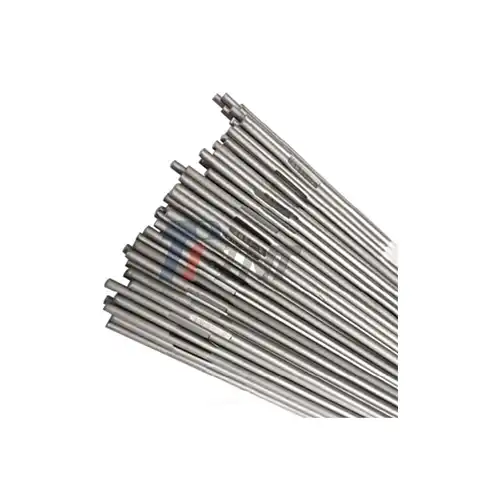
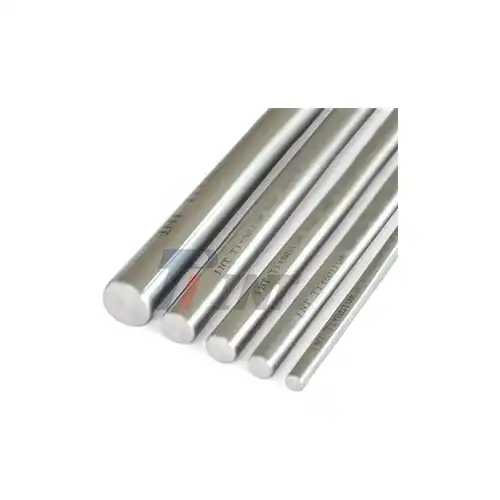
Ti6Al4V Titanium Alloy, which is also known as Grade 5 Titanium, is the most common metal biomaterial used to make medical devices today. This alpha-beta alloy has about 6% aluminum and 4% vanadium in it. It has an amazing mix of mechanical strength and biological compatibility that has changed surgery implants since the 1970s. When carefully made as a Ti6Al4V Titanium Bar 8mm, these bars are perfect for making orthopedic screws, dental abutments, spine rods, and equipment parts that need to be very accurate in their measurements.
This material meets important medicinal needs because of the way it is made. The alloy's density of 4.43 g/cm³ makes it about 60% lighter than stainless steel options. This makes the implants lighter without losing their structural integrity. Tensile strength above 895 MPa and yield strength above 825 MPa allow load-bearing uses in weight-critical body parts like femur stems and mandibular replacement plates. The material forms a solid layer of titanium dioxide on its surface on its own, which makes it very resistant to corrosion in physiological settings with chlorides, proteins, and changing pH levels.
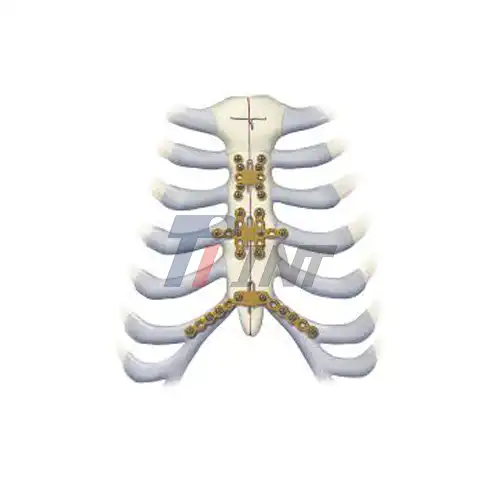
Ti6Al4V Titanium Bar 8mms are used in a wide range of medical fields. Orthopedic companies turn these bars into bone screws that are used to fix broken bones and rebuild joints. They are used by companies that make dental implants to make abutment plates and implant bodies that need precise thread shapes. Manufacturers of neurosurgical instruments use this standard to make retractors and fixation devices that need to be stiff and last a long time after being sterilized. The Ti6Al4V Titanium Bar 8mm works especially well for automated CNC turning, which makes it easy to make threaded parts with uniform mechanical qualities across the cross-section.
In this situation, you can't say enough about how important certification is. In industrial titanium uses, the performance of the material is enough. But for medical-grade bars, they need to show that they can be tracked from the chemistry of the raw materials to the final heat treatment. Regulatory bodies around the world require written proof that every production batch meets strict quality standards. This is especially true for elements like iron, oxygen, and nitrogen that affect the material's ability to bend and resist wear. Without the right clearance, even technically better materials can be turned down during the device approval process. This causes makers to wait a long time and can't get into certain markets.
Key Certifications Required for Medical Use of 8mm Ti6Al4V Titanium Bars
To get certified, you need to know both the international standards and the rules that apply to your area for approving medical materials. Medical Titanium providers must keep up with ISO 13485:2016, which is the basic quality management system approval. This standard goes further than ISO 9001 by adding extra rules for medical device manufacturing related to risk management, design validation, and tracking paperwork. Suppliers with this approval show organized ways to stop contamination, keep calibrations up to date, and take appropriate actions when problems happen. These are important things to keep in mind when making materials for implants, where tiny impurities can cause bad biological reactions.
ASTM F136 clearly spells out the chemistry and mechanical requirements for Ti6Al4V material that is used in medical implants. This standard has stricter limits on intermediate elements than industrial grade ASTM B348, reducing the amount of oxygen to 0.13% and nitrogen to 0.05% at most to keep the flexibility. The standard calls for specific ways to test the tensile properties, measure the grain size, and anneal the material so that any leftover stresses from the shaping process are gone. People who work in procurement should make sure that material certificates list ASTM F136 compliance instead of general-purpose labels, since this is the difference that has a direct effect on how long implants last and whether the FDA will accept them.
The international standard that is the same as ASTM F136 is ISO 5832-3. This makes sure that rules are the same in all places around the world. In their detailed files that they send to the European Commission for approval of CE marking, companies that make medical devices often refer to this standard. The standard sets the same limits for science and mechanical properties, which makes it easier for American and European regulation systems to work together. Inductively coupled plasma mass spectrometry is used to test batches of material that meets ISO 5832-3 for metallic flaws. This makes sure that the quality is consistent and stops galvanic rusting when implants touch other metallic parts inside the body.
Biocompatibility testing, like the ISO 10993 series or USP Class VI procedures, makes sure that the material doesn't hurt cells, make them more sensitive, or cause inflammation when it comes into touch with tissue. For these tests, samples of the material are put into cell cultures and animal models, and things like cell survival rates and histological tissue changes are measured. Because its oxide layer is steady, Ti6Al4V alloy is usually very biocompatible. However, each production batch needs to be checked to see if it has been contaminated by industrial lubricants or surface treatments. Biocompatibility test results from within the last five years should be given by suppliers, as regulatory agencies sometimes ask for new proof in order to keep a product on the market.
Authorization for CE marking lets medical devices be sold in all countries in the European Economic Area. Manufacturers of Ti6Al4V Titanium Bar 8mms that are used as parts of medical devices must follow the steps spelled out in the Medical Device Regulation (MDR) 2017/745. Usually, they do this by hiring Notified Bodies to check the bars' conformity. As part of the approval process, scientific documents like chemical composition reports, mechanical testing records, and biocompatibility studies are looked at to show that the material meets basic safety standards. Getting CE approval usually takes between 6 and 12 months of planning and auditing. This is a big investment that sets dedicated medical-grade providers apart from opportunistic industrial material vendors.
Legal selling is possible in the United States as long as you are registered with the FDA and follow the rules in 21 CFR Part 820 for quality systems. Titanium raw material doesn't need to be approved before it can be sold, but companies that sell it to FDA-registered device makers must keep records showing that it meets ASTM F136 standards and has test results for each lot. The FDA's business registration system keeps track of material sources so that they can be found during investigations that happen after the product has been sold. When buying products for the U.S. market, procurement managers should make sure that sellers keep their FDA establishment registrations up to date and include Certificates of Compliance with every package.
Chemical Composition and Mechanical Properties Verification as Certification Basis
Chemistry Analysis Protocols
The validity of the certification depends on thorough analytical testing that shows the alloy's makeup meets the requirements set by the standard. Optical emission spectroscopy is the main way to measure the amount of iron, carbon, and other metallic particles in alloys, as well as the main alloying elements, aluminum and vanadium. Reliable providers do chemistry analysis on every output heat and make mill test certificates that show how the measured values compare to the ASTM F136 limit ranges. Professionals in procurement should carefully read these certificates to make sure that the amounts of aluminum and vanadium are within the acceptable ranges of 5.50 to 6.50% and 3.50 to 4.50%, respectively. Deviations from these ranges can change the way the implants work mechanically and could affect their performance.
Controlling the interstitial elements has a big effect on how flexible a material is and how well it stops wear cracks from spreading. Inert gas fusion methods are used to measure oxygen concentration. Samples are heated in graphite crucibles while infrared tracking tracks the gases that are released. Medical-grade material keeps oxygen below 0.13% so that stretch values stay above 10%, which is important for implant parts that are loaded and unloaded repeatedly as the patient walks. Both nitrogen and hydrogen need to be tightly controlled because too much of them leads to the formation of rigid phases and delayed breaking. Interstitial analysis results that show compliance with standard limits should be included in certification packages.
Mechanical Property Validation
Tensile testing makes sure that the material meets the minimum strength standards while still being flexible enough for surgery shaping. To do standard tests, cylinder-shaped samples are cut from Ti6Al4V Titanium Bar 8mms and put through controlled strain rates while stress-strain reaction graphs are measured. To meet ASTM F136 standards, medical-grade Ti6Al4V Titanium Bar 8mm must have a tensile strength of at least 895 MPa, a yield strength greater than 825 MPa, and an extension greater than 10%. These numbers make sure that implants can handle metabolic loads, which are about 3–4 times body weight when doing things like climbing stairs, without breaking or permanently deforming.
Measurements of hardness give quick clues about quality that are related to tensile properties and machinability properties. Standardized indentation loads are used in Rockwell C scale testing, which gives numbers for annealing Ti6Al4V bars that are usually between 33 and 39 HRC. The fact that the hardness is the same across all bar cross-sections shows that the microstructure develops evenly during thermomechanical processing. This stops any soft spots that might break too soon when stress builds up. The certification paperwork should include hardness test results from several places along the lengths of the bars. This shows that the bars are all the same, which is important for knowing how they will behave when they are machined during component production.
Microstructure Characterization
A metallographic study shows the shape and spread of the grains that determine their mechanical properties and resistance to corrosion. Medical-grade material that has been properly treated has an equalized alpha-beta microstructure and grain sizes that meet ASTM E112 standards. Grades 5-7 are usually used to find the best balance between strength and flexibility. Too many coarse grains lower wear resistance and help cracks spread, while too few fine structures may mean that the material wasn't annealed enough, leaving leftover stresses. Suppliers who are dedicated to medical uses regularly carry out microstructure analysis using statistical sampling methods and include photomicrographs and measures of grain size in their certification packages.
Verification of the heat treatment process makes sure that the material is in a stress-relieving state that allows for precise cutting and long-term stability in implants. For Ti6Al4V, annealing processes usually involve heating to 700–800°C and keeping the temperature there for set amounts of time that depend on the cross-sectional measurements. This is followed by controlled cooling to stop phase changes. Time-temperature charts kept in certification records show that the approved thermal processes were followed. This got rid of the work-hardening caused by cold forming and set the basic mechanical properties. Buyers should make sure that heat treatment happens after the final size of dimensions to keep finished bars from warping and having different properties.
Procurement Considerations – Sourcing Certified 8mm Ti6Al4V Titanium Bars for Medical Use
To find qualified providers, you need to look at more than just public certification claims. Manufacturing experience, especially in medical uses, shows that the provider knows what the government wants and can do quality control that goes above and beyond what is expected in the industry. Companies that have been providing medical device manufacturers for ten years or more show that they are dedicated to this difficult industry by investing in the specialized tools, trained staff, and written processes needed to keep their certifications up to date. Procurement teams should get client references from well-known medical device companies and check the performance of the seller in terms of how reliable delivery is, how accurate certificates are, and how quickly the supplier responds to quality questions.
Real medical-grade providers are different from those who are just saying they are compliant because they can be audited and are open. Leading providers allow customers to view their facilities and third-party auditors to do so. They also keep well-organized records that show the history of materials from the chemistry of the ingots to the final bar inspection. During the qualification process for suppliers, buying workers should look at the layouts of the production flows, making sure that medical and industry materials don't get mixed up. Clean factories, special tools for making medical products, and records of employee training are all real signs of a commitment to quality. In medical supply chains that are heavily controlled, suppliers who don't want to let customers visit their facilities or who can't provide full production records pose a higher risk.
Customization services have effects on the validity of certifications that procurement teams need to be aware of when they define cut lengths, surface finishes, or secondary operations. Standard annealed bars come with certificates that only apply to them in the state they were shipped in. However, if they are cut, ground, or heated, the surface chemistry and mechanical qualities may change. Reliable sellers either make changes to the product in a controlled way that doesn't affect the quality of the certification or make it clear which parts of the certification are still valid after the product has been modified. When people order cut-to-length bars, they should check to see if the cutting method (abrasive sawing vs. band sawing) causes surface heating that needs stress relief annealing to get the approved properties back. Different types of surface finishing, like polished, sandblasted, or chemically etched, can change how well biocompatibility and osseointegration work, so extra confirmation testing is needed on top of base material licenses.
Lead times for medical-grade materials are usually 6 to 12 weeks longer than those for industry materials because they have to go through more testing, paperwork, and quality checks. If suppliers keep a smart stock of popular sizes like Ti6Al4V Titanium Bar 8mm, shipping times can be cut to two to four weeks. This gives device makers with urgent production needs a competitive edge. Minimum order amounts, which can be anywhere from 100 to 500 kilos depending on the supplier's scale, are often based on the smallest batches that are cost-effective for specialized melting and processing. Setting up blanket purchase deals with planned releases helps buyers secure capacity while keeping track of inventory carrying costs. This is especially helpful when the medical device market is very busy and Titanium mill capacity is limited.
The prices of approved medical-grade bars take into account both the cost of the raw materials and the large investments that providers make in quality infrastructure. You can expect to pay 30–50% more for industrial-grade Ti6Al4V. This is because it requires better chemistry control, more tests, more paperwork, and ongoing certification upkeep costs. When a yearly commitment level goes over 1000 kilograms, buyers can usually get volume discounts. However, they have to weigh the price benefits against the risks of keeping too much inventory and the changing needs of gadget design. Payment terms for medical supplies usually go in cycles of 30 to 60 days. Suppliers will give credit to well-known device makers, but they'll need advance payment or letters of credit from new customers until the business relationship is established.
Traceability paperwork is an important part of getting medical supplies because it helps device makers meet regulatory traceability standards and be ready for possible field actions. Material certificates that are complete should have heat numbers, chemistry analysis results, mechanical test data, heat treatment parameters, inspection records, and reports of biocompatibility tests. Leading suppliers offer digital certificate management systems that let customers access historical documentation years after the fact—an important feature for situations like device approvals that need to check the materials used in the past or post-market surveillance investigations that need to confirm where implant parts came from.
Conclusion
In conclusion, when buying medical-grade Ti6Al4V Titanium Bar 8mm, you have to pay a lot of attention to making sure the certifications are real, the suppliers are qualified, and the paperwork is full. This is on top of buying normal industrial materials. Minimum standards for entry include ISO 13485:2016 compliance, ASTM F136 compliance, and biocompatibility validation. Regional licenses like CE marking and FDA registration allow access to certain markets.
Smart buying teams spend time auditing suppliers' facilities, making sure testing labs are accredited, and building long-term relationships with makers that show they are committed to the medical sector. The certification fee, which adds 30–50% to the cost of the material, is necessary to reduce risk in situations where failure of the material could have terrible effects on patient safety and responsibility. As rules about medical devices get stricter around the world, businesses that work with suppliers who have a lot of experience with licensing and a culture of aggressive quality management will have a big edge in the market.
FAQ
What distinguishes ASTM F136 from ASTM B348 specifications?
When it comes to medical implants, ASTM F136 has tighter limits on chemical purity and requires biocompatibility testing. ASTM B348 on the other hand covers industrial-grade Titanium and has wider tolerance ranges. The F136 standard limits oxygen to 0.13%, while B348 allows 0.20%. This keeps the flexibility that is important for implant life. FDA and CE marking rules say that only F136-certified material can be used for lasting human insertion.
Can aerospace-certified Ti6Al4V bars substitute for medical-grade material?
The chemistry requirements for aerospace material approved to AMS 4928 are close to those for medical ASTM F136. However, the needed biocompatibility validation testing is not done, and the processing lubricants may not be suitable for biological environments. Regulatory agencies won't let aircraft materials be used to make medical devices unless they can show that they meet the standards in the ISO 10993 series. The cost cuts rarely make up for the extra work and risk of legal compliance.
How should procurement teams verify supplier certification authenticity?
Instead of self-declarations from the seller, ask for full material certificates that include test results from an independent laboratory. Check the stated ISO 13485 registrations against official registrar records that are kept up to date by accreditation groups. Do initial supplier checks by looking at real output records, logs for equipment calibration, and records of staff training. Set up sample testing methods with independent labs to check the accuracy of the certificate against the qualities of the material you receive on a regular basis.
Partner with Baoji INT Medical Titanium Co., Ltd. for Certified Ti6Al4V Titanium Bar 8mm Supply
Baoji INT Medical Titanium Co., Ltd. has been a top maker of Ti6Al4V Titanium Bar 8mm for more than twenty years, working with companies that make orthopedic, dental, and surgery instruments. Our factory keeps up with ISO9001:2015, ISO13485:2016, and EU CE certifications. We make sure that every Ti6Al4V Titanium Bar 8mm meets the strict requirements of ASTM F136 and ISO 5832-3, and we can prove this from the chemistry of the ingot to the final inspection. We know that delivery reliability is very important to procurement managers, so our strategic inventory management guarantees lead times of two to three weeks for standard specifications.
We can also accommodate custom lengths and surface finishes through controlled procedures that protect the integrity of the certification. We offer reasonable prices on Ti6Al4V Titanium Bar 8mm for sale, and we also offer full technical support, such as help choosing the right materials, advice on how to process them, and full mill test paperwork packages that make the regulatory submission process easier. Contact our medical materials experts at export@tiint.com to talk about your specific needs and get sample certifications that show how committed we are to quality and safety in this strict business.
References
1. American Society for Testing and Materials. (2021). ASTM F136-13: Standard Specification for Wrought Titanium-6Aluminum-4Vanadium ELI (Extra Low Interstitial) Alloy for Surgical Implant Applications. West Conshohocken, PA: ASTM International.
2. International Organization for Standardization. (2016). ISO 13485:2016 Medical Devices – Quality Management Systems – Requirements for Regulatory Purposes. Geneva, Switzerland: ISO.
3. European Commission. (2017). Regulation (EU) 2017/745 of the European Parliament and of the Council on Medical Devices. Official Journal of the European Union, L117/1-L117/175.
4. Niinomi, M., & Nakai, M. (2019). Titanium-Based Biomaterials for Preventing Stress Shielding Between Implant Devices and Bone. International Journal of Biomaterials, Volume 2011, Article ID 836587.
5. U.S. Food and Drug Administration. (2020). Medical Device Quality Systems Manual: A Small Entity Compliance Guide. Rockville, MD: Center for Devices and Radiological Health.
6. Rack, H.J., & Qazi, J.I. (2006). Titanium Alloys for Biomedical Applications. Materials Science and Engineering C, 26(8), 1269-1277.
_1752818186472.webp)
_1752462890412.webp)
_1752462199458.webp)
_1751958555199.webp)
_1750663715751.webp)