
How to Care for Your Chest After a Titanium Plate Surgery?


 2025-12-24 09:01:32
Experiencing surgery for a titanium plate in chest can be a critical therapeutic occasion. Whether you've had this strategy due to injury, congenital chest divider distortions, or other restorative reasons, appropriate post-operative care is significant for a smooth recuperation. This comprehensive guide will walk you through the basic steps to care for your chest after titanium plate surgery, guaranteeing ideal recuperation and minimizing complications.
|
|
|
Understanding Titanium Plate Surgery in the Chest
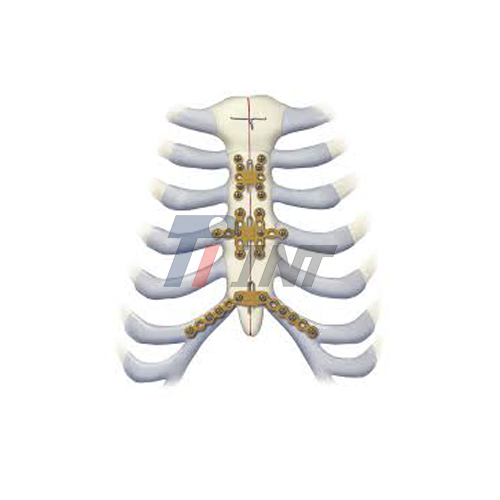
Before diving into post-operative care, it's vital to understand what titanium plate surgery in the chest involves. This method includes the inclusion of titanium plates to stabilize or recreate the chest divider. Titanium is frequently chosen for its biocompatibility, quality, and toughness.
Titanium plates are commonly used in various chest surgeries, including:
- Pectus excavatum correction
- Rib fracture fixation
- Chest wall reconstruction after tumor removal
- Sternum stabilization following open-heart surgery
The titanium plate acts as a framework, providing back to the chest divider and permitting legitimate recuperating of the encompassing tissues. Whereas the surgery itself is a basic step, the recuperation handle and post-operative care play an equally important part in guaranteeing effective results.
Immediate Post-Operative Care for Your Chest
The initial days following your titanium plate in chest surgery are crucial for setting the stage for proper healing. Here's what you can expect and how to care for your chest during this period:
Pain Management
Pain is a common experience after chest surgery. Your medical team will provide a pain management plan, which may include:
- Prescription pain medications
- Over-the-counter pain relievers
- Ice packs to reduce swelling and discomfort
It's essential to follow your doctor's instructions regarding pain medication. Don't hesitate to communicate with your healthcare provider if you're experiencing unmanageable pain.
Wound Care
Proper wound care is vital to prevent infection and promote healing. Your surgical site will likely be covered with a sterile dressing. Here are some general guidelines:
- Keep the incision site clean and dry
- Follow your doctor's instructions on when and how to change dressings
- Avoid touching the incision unnecessarily
- Watch for signs of infection, such as increased redness, swelling, or discharge
Breathing Exercises
After chest surgery, it's crucial to prevent lung complications. Your medical team may provide you with a spirometer and instruct you on deep breathing exercises. These exercises help:
- Prevent pneumonia
- Improve lung function
- Reduce the risk of atelectasis (collapsed air sacs in the lungs)
Long-Term Care and Recovery with a Titanium Plate in Your Chest
As you progress in your recovery, the focus shifts to long-term care and adapting to life with a titanium plate in chest. Here are some key aspects to consider:
Physical Activity and Exercise
Gradually reintroducing physical activity is an important part of your recovery. However, it's crucial to follow your surgeon's guidelines:
- Start with gentle walks and gradually increase your activity level
- Avoid heavy lifting or strenuous activities until cleared by your doctor
- Engage in prescribed physiotherapy exercises to improve chest mobility and strength
Nutrition for Optimal Healing
A balanced diet plays a crucial role in your recovery. Focus on nutrient-rich foods that support healing:
- Protein-rich foods to aid tissue repair
- Fruits and vegetables high in vitamins C and E to support immune function
- Foods rich in zinc, such as lean meats and nuts, to promote wound healing
- Adequate hydration to support overall health and recovery
Mental Health and Emotional Well-being
Recovery isn't just physical – it's also an emotional journey. It's normal to experience a range of emotions after surgery. Consider these strategies for maintaining good mental health:
- Join support groups for individuals who have undergone similar surgeries
- Practice relaxation techniques such as meditation or deep breathing
- Communicate openly with friends and family about your feelings
- Seek professional help if you're struggling with anxiety or depression
Long-Term Considerations
Living with a titanium plate in chest may require some long-term considerations:
- Inform healthcare providers about your titanium implant before any medical procedures or imaging tests
- Be aware that airport metal detectors may be triggered by your implant
- Discuss any concerns about the long-term presence of the titanium plate with your surgeon
When to Seek Medical Attention?
While complications are rare with titanium plate surgeries, it's important to be vigilant. Seek immediate medical attention if you experience:
- Fever or chills
- Increased pain or swelling around the surgical site
- Redness or warmth around the incision
- Unusual discharge from the wound
- Difficulty breathing or chest pain
- Any signs of implant movement or instability
These symptoms could indicate infection, implant rejection, or other complications that require prompt medical evaluation.
Conclusion
Recuperating from titanium plate in chest surgery is a travel that requires tolerance, tirelessness, and legitimate care. By following your healthcare provider's information, keeping up great sustenance, continuously expanding your action levels, and paying consideration to both your physical and enthusiastic well-being, you can advance ideal mending and recapture your quality of life.
For more data around titanium restorative items and their applications in different surgical methods, feel free to contact the specialists at Baoji INT Medical Titanium Co., Ltd. at export@tiint.com. With over 30 years of experience in titanium fabrication, inquiry, advancement, and generation, INT is committed to giving high-quality therapeutic titanium materials that contribute to fruitful surgical results and persistent recuperation.
References
1. Nuss, D., Kelly Jr, R. E., Croitoru, D. P., & Katz, M. E. (1998). A 10-year review of a minimally invasive technique for the correction of pectus excavatum. Journal of pediatric surgery, 33(4), 545-552.
2. Bottlang, M., Long, W. B., Phelan, D., Fielder, D., & Madey, S. M. (2013). Surgical stabilization of flail chest injuries with MatrixRIB implants: a prospective observational study. Injury, 44(2), 232-238.
3. Weyant, M. J., Bains, M. S., Venkatraman, E., Downey, R. J., Park, B. J., Flores, R. M., ... & Rusch, V. W. (2006). Results of chest wall resection and reconstruction with and without rigid prosthesis. The Annals of thoracic surgery, 81(1), 279-285.
4. Song, D. H., Lohman, R. F., Renucci, J. D., Jeevanandam, V., & Raman, J. (2004). Primary sternal plating in high-risk patients prevents mediastinitis. European Journal of Cardio-Thoracic Surgery, 26(2), 367-372.
5. Kehlet, H., & Wilmore, D. W. (2008). Evidence-based surgical care and the evolution of fast-track surgery. Annals of surgery, 248(2), 189-198.
_1755061801114.png)
_1752462620877.webp)
_1751959047184.webp)
_1750664157440.webp)