How to Care for Your Wrist After Surgery with a Titanium Plate?


 2025-12-30 09:04:20
Wrist surgery involving a titanium plate is a common procedure for treating severe fractures or other wrist conditions. The recovery process requires diligent care and attention to ensure optimal healing and functionality. This comprehensive guide will walk you through the essential steps to care for your wrist after surgery with a titanium plate in wrist surgery, helping you navigate the recovery process with confidence.
|
|
|

Grasping Titanium Plates in Wrist Surgery
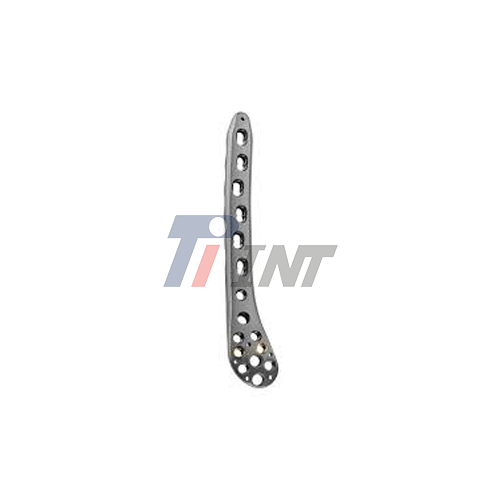
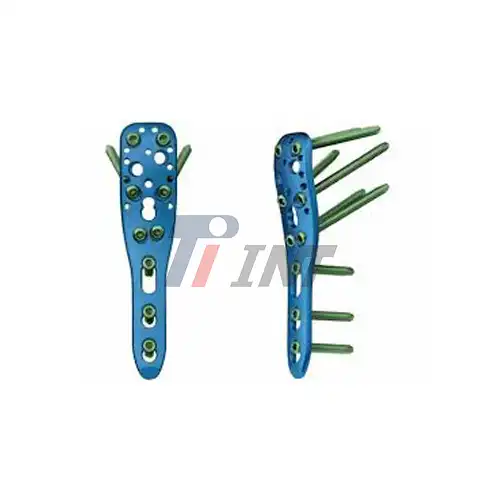
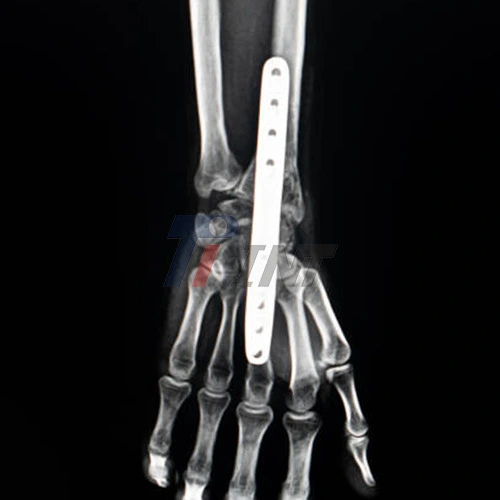
Titanium plates are habitually utilized in wrist surgeries due to their surprising properties. These biocompatible implants give steadiness to the broken bones, permitting them to mend appropriately. Titanium's strength-to-weight proportion is unparalleled, making it a perfect fabric for orthopedic inserts. The plates are planned to withstand the stresses of every day exercises whereas advancing bone mending.
The utilize of titanium in therapeutic implants has revolutionized orthopedic surgery. Companies like Baoji INT Medical Titanium Co., Ltd. have been at the cutting edge of creating high-quality titanium materials for restorative applications. Their ability in titanium generation guarantees that specialists have get to solid and strong implants for wrist surgeries.
Immediate Post-Operative Care for Your Wrist
The initial days following titanium plate in wrist surgery are critical for setting the stage for proper healing. Here's what you need to focus on:
Managing Pain and Swelling
Torment and swelling are common after wrist surgery. Your specialist will likely endorse torment pharmaceutical to offer assistance oversee distress. It's fundamental to take these medications as coordinated. Moreover, applying cold treatment can offer assistance decrease swelling and lighten torment. Utilize ice packs wrapped in a lean towel and apply them to your wrist for 15-20 minutes at a time, a few times a day.
Keeping the Surgical Site Clean and Dry
Keeping up cleanliness of the surgical location is vital to anticipate disease. Take after your surgeon's informational with respect to wound care fastidiously. By and large, you'll require to keep the entry point location dry and secured with a sterile dressing. Avoid submerging your wrist in water until your specialist gives you the green light.
Elevating Your Wrist
Elevating your wrist above heart level can significantly reduce swelling and promote healing. When resting, prop your arm up on pillows to keep it elevated. This simple action can make a substantial difference in your comfort and recovery speed.
Long-Term Care and Rehabilitation
As you progress in your recovery, the focus shifts to regaining strength and mobility in your wrist. Here are key aspects of long-term care:
Physical Therapy and Exercises
Your surgeon will likely recommend physical therapy as part of your recovery plan. A trained physical therapist will guide you through exercises designed to improve your wrist's range of motion, strength, and flexibility. After titanium plate in wrist surgery, these exercises are crucial for restoring functionality and preventing stiffness. It's important to follow your therapist's instructions carefully and perform the prescribed exercises consistently. Remember, recovery is a gradual process, and pushing too hard too soon can be counterproductive.
Adjusting Your Daily Activities
As you recover, you'll need to modify some of your daily activities to protect your healing wrist. Your surgeon or therapist will provide guidelines on what activities are safe and which ones to avoid. Generally, you'll need to steer clear of heavy lifting and activities that put excessive strain on your wrist for several weeks or months after surgery.
Nutrition for Optimal Healing
Proper nutrition plays a vital role in your recovery. A diet rich in protein, vitamins (especially vitamin C and D), and minerals like calcium and zinc can support bone healing and tissue repair. Consider consulting with a nutritionist to ensure you're getting the nutrients your body needs for optimal recovery.
Monitoring Your Progress and Potential Complications
As you journey through your recovery, it's crucial to stay vigilant and monitor your progress closely. Here are some key points to keep in mind:
Regular Follow-up Appointments
Attend all scheduled follow-up appointments with your surgeon. These visits allow your doctor to assess your healing progress, check the position of the titanium plate in wrist surgery, and address any concerns you may have. X-rays may be taken to evaluate bone healing and ensure the plate is properly positioned.
Watching for Signs of Complications
While complications are rare with modern titanium implants, it's essential to be aware of potential issues. Contact your surgeon immediately if you experience:
- Increased pain or swelling
- Redness or warmth around the incision site
- Fever or chills
- Unusual discharge from the incision
- Numbness or tingling in your fingers
Long-term Considerations
In most cases, the titanium plate in your wrist can remain in place indefinitely without causing issues. However, some patients may experience discomfort or irritation from the plate over time. If this occurs, discuss your options with your surgeon. In rare cases, removal of the plate may be recommended once the bone has fully healed. It's worth noting that titanium plates, like those produced by companies such as Baoji INT Medical Titanium Co., Ltd., are designed for long-term use in the body. Their biocompatibility and durability make them suitable for permanent implantation in many cases.
Conclusion
Recovering from wrist surgery with a titanium plate requires patience, dedication, and proper care. By following your surgeon's instructions, attending physical therapy sessions, and maintaining a healthy lifestyle, you can optimize your recovery and regain wrist function. If you have any questions about titanium plate in wrist surgery or medical titanium products, feel free to reach out to experts in the field. For instance, you can contact Baoji INT Medical Titanium Co., Ltd. at export@tiint.com for more information on their range of medical titanium materials.
References
1. American Academy of Orthopaedic Surgeons. (2021). Distal Radius Fractures (Broken Wrist). Retrieved from https://orthoinfo.aaos.org/en/diseases--conditions/distal-radius-fractures-broken-wrist
2. Levin, L. S., & Rozell, J. C. (2017). Hand and Wrist Surgery. Elsevier Health Sciences.
3. Nellans, K. W., Kowalski, E., & Chung, K. C. (2012). The epidemiology of distal radius fractures. Hand clinics, 28(2), 113-125.
4. Sarmiento, A., Zagorski, J. B., & Sinclair, W. F. (1980). Functional bracing of Colles' fractures: a prospective study of immobilization in supination vs. pronation. Clinical orthopaedics and related research, (146), 175-183.
5. Titanium Information Group. (2021). Titanium in Medical Applications. Retrieved from https://www.titanium.org/page/TitaniumMedical
_1753926673602.jpg)
_1751956867796.webp)
_1750923514395.webp)
_1750210463958.webp)
_1750210148763.webp)