How to choose a titanium bar for dental implant support


 2026-07-09 11:06:34
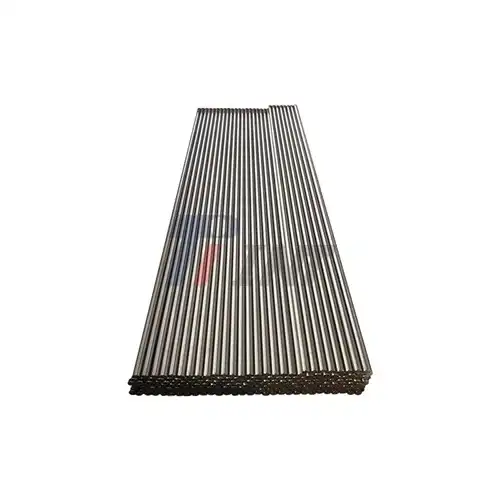
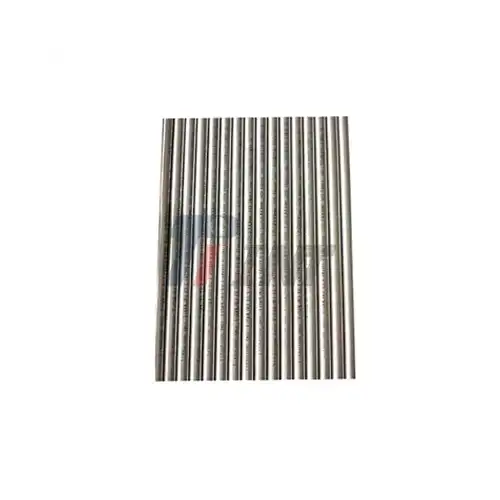
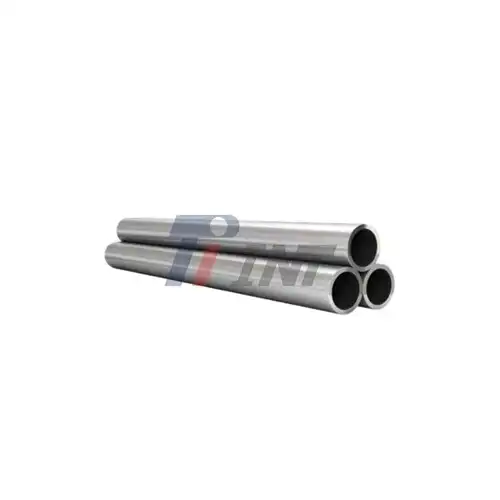
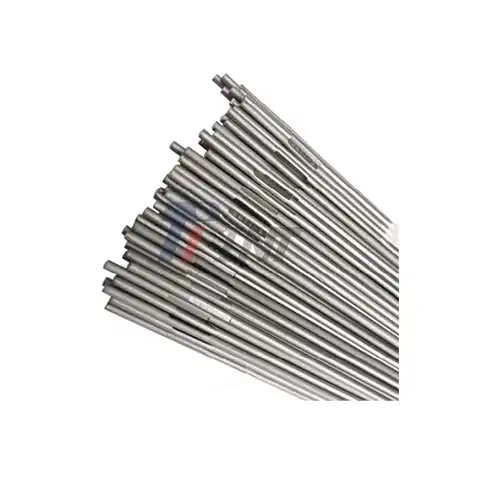
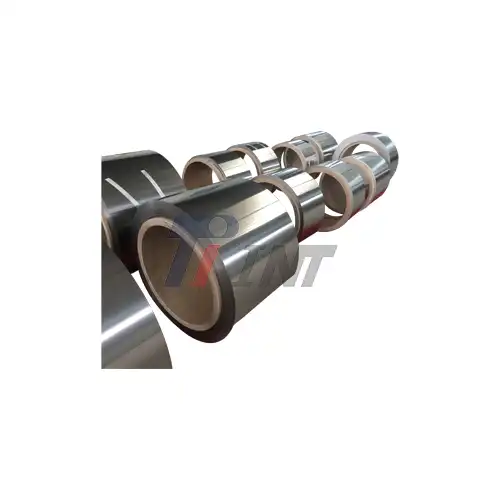
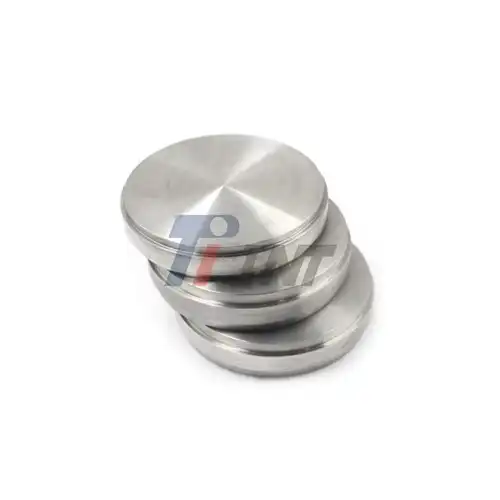
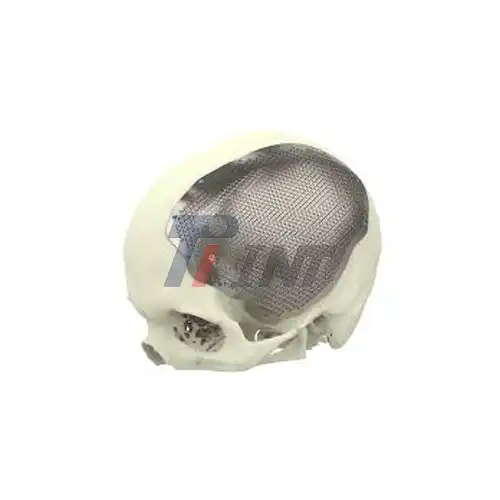
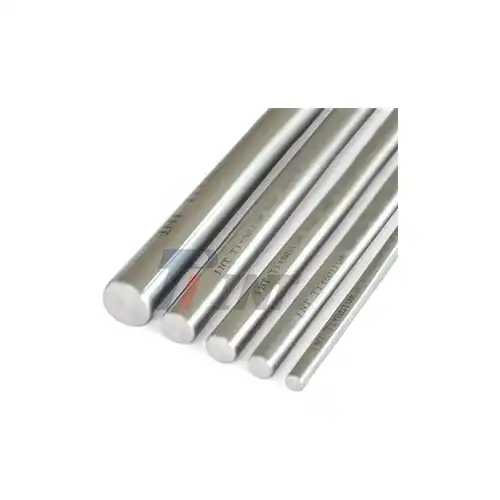
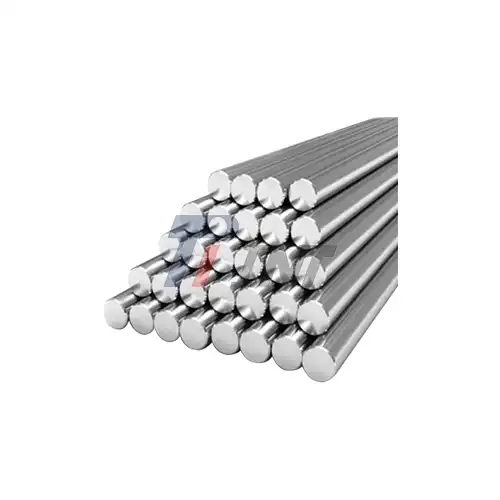
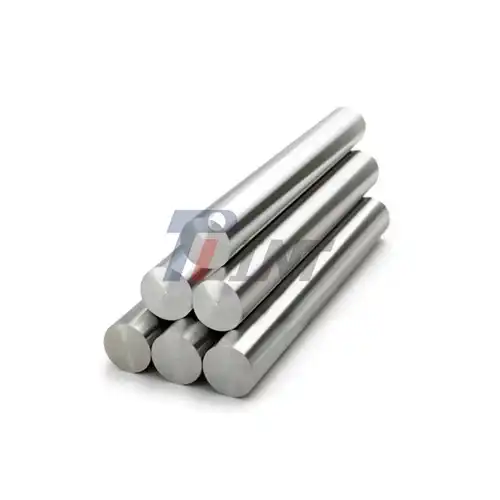
Finding the best titanium bar dental implants means matching the needs of patients with the ease of getting them. Dental prosthetics like hybrid dentures and overdentures are held in place by medical-grade metal bars that connect several implants. To make the choice, you have to look at different types of materials (Ti-6Al-4V vs. Ti-6Al-4V ELI), compliance certifications (ISO, ASTM, CE), biocompatibility standards, and how reliable the source is. To make sure that patients are safe and that production keeps going, procurement managers have to look at things like mechanical properties, customization options, shipping times, and expert help after the sale. They also have to make sure that the whole supply chain is cost-effective.
|
|
|
Understanding Titanium Bar Dental Implants
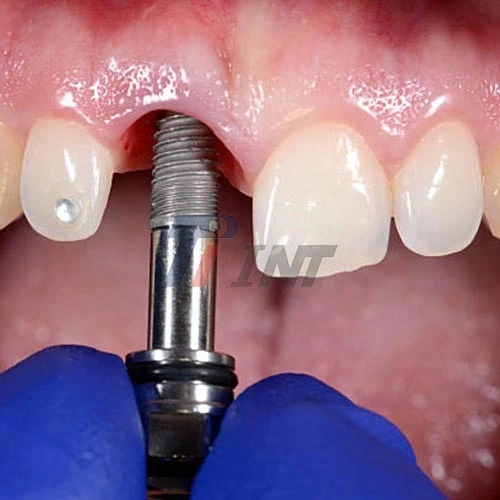
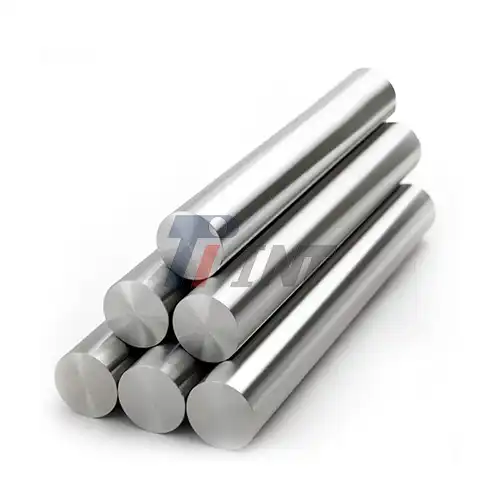
Titanium bar dental implants are precision-engineered supports that hold endosseous implants in place under tooth dentures. These parts spread biting forces out evenly across the arch, which stops stress buildup that could damage the connection between the bone and the implant. The material's special osseointegration features let bone grow right on top of the implant, making it stable mechanically without the need for glues or cement.
Why Titanium Dominates Medical Implant Applications?
Titanium metals are preferred by the medical device business because they are stronger than stainless steel and weigh less. In fact, they are stronger than stainless steel by almost 40%. This feature of being lightweight makes the patient feel better while keeping the structure strong under repeated stress conditions. When titanium is introduced to oxygen, an inactive oxide layer forms on its own. This layer protects against corrosion and stays stable for decades in the acidic, wet environment of the mouth.
Biocompatibility is another very important benefit. Titanium is bioinert, which means that human flesh doesn't see it as a danger. Nickel-chromium and cobalt-chrome metals have been known to cause inflammatory and allergic reactions in the past, but this trait makes them less likely to happen. Over ten years, clinical tests show that osseointegration works more than 95% of the time when the right surgery steps are taken.
Structural Function in Advanced Prosthetic Systems
In the All-on-4 and All-on-6 treatment plans, titanium bars hold full-arch crowns in place by connecting angled implants to a hard base. As long as the manufacturing error for the bar is less than 10 microns, it must have a "passive fit" so that mechanical stress doesn't transfer during chewing processes. Because of this need for accuracy, CAD/CAM milling processes are necessary so that engineers can make bar contours that fit the anatomy of each patient.
The bar also has places where clips, screws, or locator abutments can be attached for holding. These connections have to be able to handle more than 10,000 insertion and removal cycles without breaking down or wearing out in a way that could make the prosthesis less stable.
Core Criteria for Choosing the Right Titanium Bar
To choose the right titanium bar dental implants materials, you need to carefully look at them from a number of technical and purchasing points of view. The choice affects how well the product works, how well it follows the rules, and how stable the supply chain will be in the long run.
Material Grade Selection: Ti-6Al-4V vs. Ti-6Al-4V ELI
Grade 5 titanium (Ti-6Al-4V) has a tensile strength of about 895 MPa and is very resistant to wear. It is made up of 6% aluminum and 4% vanadium. This combination is good for most dental bar uses where the mechanical needs are higher than what commercially pure titanium grades (1-4) can handle. Its alpha-beta microstructure strikes a balance between flexibility and toughness, which lets milling processes reach tight limits without wearing out tools too quickly.
The Grade 23 titanium (Ti-6Al-4V ELI—Extra Low Interstitials) improves the Grade 5 makeup by lowering the amounts of oxygen, nitrogen, and carbon to less than 0.13%. This change makes the material more resistant to cracks and makes it tougher to break. This makes it better for important load-bearing implants in people whose bone density is low. The material costs about 15 to 20 percent more than regular Grade 5, but it lowers the risk of having to have surgery again in high-stress situations.
Teams in charge of buying things should make sure that the certifications for the materials meet ASTM F136 (surgical implant grade) or ISO 5832-3 standards. These requirements make sure that the chemical makeup stays the same and that the mechanical properties are checked using batch testing methods.
Compliance Certifications and Quality Assurance
A supplier's ISO 13485:2016 approval shows that they are dedicated to medical device quality management systems that include design control, process validation, and recording of traceability. This standard tells makers they need to keep device history records that connect lots of raw materials to finished products. This way, if quality problems happen, they can easily return the products.
The EU Medical Device Regulation (MDR 2017/745) says that products must have a CE mark to show that they meet safety and performance standards for European markets. As part of the certification process, technical files are prepared and reviewed by recognized bodies, clinical evaluation reports are written, and biocompatibility tests according to the ISO 10993 series are done.
Buyers should ask for Certificates of Conformity (CoC) with every shipment. These are proof that the material test results meet the requirements for chemical makeup, tensile strength, and surface finish. Verification by a third party laboratory through independent testing labs adds another level of quality guarantee, especially when working with new suppliers.
Customization Capabilities and Manufacturing Flexibility
CAD/CAM processes are needed for many dental bar uses because they need patient-specific geometries. Suppliers who offer in-house milling services can make bars that match digital scans to within 50 microns of the actual size. With this level of accuracy, chairside changes that hurt passive fit and make procedures take longer are no longer needed.
Options for treating the surface should also be thought about. Surfaces that have been machined and have Ra values of about 0.8 microns allow for good osseointegration without any extra work. Some standards call for surfaces to be acid-etched or sandblasted, which increase the surface area and help the bone connect with the implant more quickly. However, these processes add 7–10 days to the production wait time.
The mechanical performance is affected by the thread size, the bar diameter, and the cross-sectional shape. Round bars are strong in all directions, but they can turn when torqued. Oval or rectangular shapes stop spinning, but they need to be placed perfectly for the implant to work. Talking about these design factors with both the clinical teams and the engineering groups makes sure that the chosen bar configuration meets the functional needs.
Comparing Titanium Bar Dental Implants with Competing Solutions
Knowing what other options are out there helps procurement workers make choices about where to buy titanium bar dental implants that are based on evidence and that meet clinical goals and price limits.
Titanium vs. Zirconia Bar Systems
Zirconia bars are good for uses that care about looks because they look like teeth, which stops gray shadows through thin gingival tissues. The tensile strength of the material is between 900 and 1200 MPa, which is about the same as titanium alloys. It also doesn't contain any metals, so it can be used by people who are known to be sensitive to metals.
Zirconia is weak, though, which makes it vulnerable during production and clinical handling. Drop tests show that steel breaks at rates three to four times higher than titanium when the impact forces are the same. The low fracture toughness of the material (about 4 MPa√m compared to 75 MPa√m for titanium) means that tiny cracks can quickly grow into big ones without any notice. Machining zirconia also needs diamond tools and costs more per unit, usually 40 to 60 percent more than titanium alternatives.
When it comes to purchasing, titanium's better machinability cuts down on waste and lets manufacturers make better standards. Because the material is flexible, it can be changed after it has been made by grinding or bending it. If measurement mistakes happen with zirconia bars, they have to be made again.
Traditional Bar Materials: Cobalt-Chrome and Gold Alloys
Before titanium became widely used, cobalt-chrome bars were the most common type of implant. These metals are very strong and use less expensive raw materials, but there are worries about how well they work with living things. Nickel in some versions causes allergic reactions in 10–15 percent of patients, which can lead to inflammation and the failure of the implant. The dense nature of the material also makes devices heavier, which patients say is difficult to wear for long periods of time.
Gold metals are very resistant to corrosion and are biocompatible, but they are not strong enough for multi-unit bar frames. Because they are soft, they bend when loaded and unloaded repeatedly, so they need to be adjusted and replaced more often. Gold is also too expensive because the materials used to make it are 300–400% more expensive than titanium.
Alternative Retention Systems: Locator Attachments vs. Bar-Retained Overdentures
Locator anchoring systems don't use bars at all; instead, they use separate connection housings for each implant. This method makes production easier and lowers the start-up costs by about 25 to 30 percent. It's easy to clean around independent devices, which is good for patients.
The system's weakness is how it distributes the load. If there isn't a hard bar linking the implants, there is a lot of stress on each abutment, which can speed up bone loss around each implant site. Finite element analysis studies show that titanium bar frames spread forces across several implants, which lowers peak stress values by 40–50%. This technical edge means that implants are more likely to last a long time, especially in people with Type IV bone density.
Titanium bars are a high-end product that comes with higher margins for B2B buyers who sell parts to dental labs and clinics. However, end users can see clear clinical benefits that make up for the higher price.
Procurement Insights: Costs, Suppliers, and Ordering Process
To buy medical-grade titanium bar dental implants strategically, you need to know what causes costs to go up and down and set up seller qualification processes that keep supply chain risks to a minimum.
Price Structure and Cost Variables
35–45% of the cost of a finished product is made up of raw titanium bar stock. Due to tighter composition rules and more vacuum arc remelting processes during production, Grade 23 ELI costs more than other grades. Titanium sponge prices around the world change yearly by 8–12% depending on how much is mined and how much is needed by aerospace companies. Buyers should plan for this price change when making their budgets.
Performing precision cutting tasks is another important cost factor. Five-axis CNC milling, which is needed for bar shapes that aren't simple, produces more per hour than basic turning. Setup times for small-batch custom orders add set costs that go down as the number of units ordered goes over 50. Buyers should talk about different price levels that reward longer-term agreements while still allowing for quick sample runs.
Certification tests and paperwork add $150 to $300 per output lot and include checking the materials, testing them mechanically, and making the certificate. Suppliers with ISO 13485 certification spread these costs over larger amounts of output, which is better for unit economy than smaller makers who don't have the right infrastructure.
Supplier Evaluation and Qualification Criteria
The kind of provider that buying teams should aim for is Baoji INT Medical Titanium Co., Ltd. The company was started in 2003 by people with more than 30 years of experience in the titanium business. It has many standards, such as ISO 9001:2015, ISO 13485:2016, and EU CE marking. From handling raw materials to precise cutting, they are vertically integrated. This makes sure that the supply chain is clear and that quality is controlled at every stage of production.
Ask for facility audit reports that list cleanroom classifications, equipment calibration plans, and employee training records from possible titanium bar dental implants vendors. Suppliers should show that they have formed links with titanium mill makers. This way, even when the market is short on raw materials, suppliers will still be able to get certified materials.
As important as given shipping windows are consistent lead times. Review measures for on-time delivery across multiple quarters, with the goal of having providers stick to their schedules 95% of the time or more. This dependability is very important for matching production plans with clinical case timelines, since delays have a direct effect on how well patients are cared for.
Strategic partners are different from transactional sellers because they offer technical help. Suppliers who give help with choosing materials, failure analysis, and design improvement add value on top of the product itself. The engineering team at Baoji INT has experience using titanium in medical, military, and industrial settings. They offer this consultative approach to help customers get the best product specs and production processes.
Order Volumes, Payment Terms, and Logistics
For normal bar configurations, the minimum order quantity is usually between 10 and 25 pieces. For custom geometries, it needs to be 50 or more units to support the cost of the tools. Framework agreements set fixed prices for expected yearly amounts while letting release orders happen as needed. This balances the costs of keeping inventory with the benefits of higher prices per unit.
When selling medical devices internationally, payment structures usually go like this: 30% deposit when the order is confirmed, 60% before the shipment, and 10% held back until the review of the goods. When two people start working with a new provider, letters of credit help lower both of their risks. However, once the relationship is established, people usually switch to open account terms with net-60 payment dates.
In order to ship titanium bars, you need to fill out a lot of paperwork, like export licenses, material safety data sheets, and medical device import permits that are specific to each country. Experienced suppliers like Baoji INT arrange for freight forwarding through medical device logistics providers that know how to handle temperature-controlled shipping and customs clearance. This cuts down on travel delays that could throw off production plans.
Installation, Maintenance, and Long-Term Performance
Product performance of titanium bar dental implants includes more than just the specs of the materials used. It also includes professional handling, patient care routines, and lifecycle management practices that affect results and the image of the provider.
Clinical Installation Considerations
For titanium bar implants to be surgically placed, the sourcing, technical, and clinical teams need to work together. The bar has to fit passively, which can be proven by trying it in Sheffield or using a strain gauge to measure the power needed to tighten screws. Deviations that are bigger than what the maker says are an indication of a bad fit that could lead to screw loosening or implant overload.
When procurement teams send bars to dental labs, they should include installation torque specs. These should be between 20 and 35 Ncm, based on the screw width and thread design. Including calibrated torque tools with original orders makes sure that the right way of installing things is done, which lowers the number of callbacks caused by mechanical problems.
Recovery times for each patient are different and depend on the type of surgery and how quickly the patient heals. Immediate loading protocols put practical expectations on bars within 48 hours of surgery, which means they need to be stronger than delayed loading protocols, which give 3-6 months for osseointegration to happen before attaching the prosthesis. Knowing these clinical paths helps buyers match the features of a product with its intended uses.
Maintenance Protocols and Failure Prevention
Following mouth care instructions has a big effect on how long a titanium bar lasts. When plaque builds up around the joints between bars and implants, it forms acidic conditions that can damage the passive oxide layer. Soft-bristle brushes should be used every day for cleaning, and antibacterial rinses should be done once a week.
Professional care should include x-rays every six months to look for bone loss around implant sites and torque tests to make sure screw retention values are correct. Finding loose screws before they fall out completely stops bigger problems from happening that would need surgery to fix.
As part of the procurement requirements, suppliers should have to provide upkeep instructions that can be turned into materials for teaching patients. This paperwork makes it easier for healthcare teams to help patients and sets clear usage limits that show where the guarantee covers things. Baoji INT ships products with detailed care directions, which is an example of the extra services that make a good provider stand out.
Long-Term Performance Metrics
In clinical research, titanium bar dental implants have survival rates of more than 92% after ten years if they are properly chosen and cared for. Failure modes are usually caused by mechanical problems, like a screw breaking, or biology problems, like peri-implantitis, instead of material degradation. This information about performance reassures buyers that titanium is a good long-term investment, even though it costs more to buy at first than other materials.
By keeping an eye on field performance through customer feedback loops, new problems can be found before they become bigger quality issues. Suppliers should keep alert reporting systems in place that encourage customers to report odd wear patterns, differences in size, or problems with handling. This knowledge drives efforts to keep things better, which is good for all customers.
Conclusion
To choose the right titanium bar dental implants, you have to balance technical requirements, regulatory compliance, source dependability, and cost control. Titanium alloys Grade 5 and Grade 23 have been shown to be biocompatible, strong, and resistant to rust. They also work better than other materials in most therapeutic settings. Partnering with qualified providers who can show a mature quality system, technical know-how, and a stable supply chain is key to successful procurement. In the competitive medical device market, looking at things like material certifications, customization options, shipping performance, and customer service after the sale makes sure that sourcing choices are in line with both short-term production needs and long-term strategy goals.
FAQ
Are titanium bar dental implants safe for all patients?
Titanium bar dental implants have been shown to be very safe for a wide range of patients. The bio-inert qualities of the material reduce the risk of rejection, and allergic responses have been reported in less than 0.6% of cases, which is a much lower rate than with traditional tooth alloys. Titanium implants can work for people with weak immune systems, diabetes that is under control, or osteoporosis as long as the right surgery steps are taken. Healing times may be longer than the normal 3 to 6 months for osseointegration.
How do titanium bar costs compare to alternative implant systems?
Titanium bar systems usually cost 20–35% more than individual locator clamps at first, but they are worth it in the long run because they spread out the load better and need less upkeep. The rigid framework lowers the stress on each implant by 40–50%. This lowers the risks of revision surgery, which often outweigh the initial cost saves from easier methods. When you add up the total costs of ownership over a 15–20-year service life, titanium bars often end up being cheaper than alternatives that need more frequent component repairs.
What warranty and technical support should buyers expect from suppliers?
Manufacturers of reputable titanium bar dental implants offer material guarantees that cover problems with the way the implants were made for one to two years after delivery. For expensive product lines, some warranties cover problems for five years. In addition to the warranty terms, you should look at the professional support that providers offer, such as help with choosing materials, failure analysis, and design optimization. Having access to engineering experts can help solve production problems and improve specs, providing value that goes beyond the product itself and allowing established makers to charge higher prices.
Partner with a Trusted Titanium Bar Dental Implants Manufacturer
Baoji INT Medical Titanium Co., Ltd. has served the global medical device industry since 2003. They make titanium bar dental implants that are precisely designed to meet the high standards of orthopedic suppliers, dental implant makers, and OEM partners. Our wide range of products includes medical-grade Ti-6Al-4V and Ti-6Al-4V ELI titanium bars that can be made to fit your needs. We are committed to quality and following all regulations, as shown by our ISO 9001:2015, ISO 13485:2016, and EU CE certifications.
Our vertical integration—from handling raw materials to precise machining—ensures that the supply chain is clear and that the standard of our products stays the same. Our engineering team has worked in the titanium business for more than thirty years and can help you choose the right material, make the best design, and improve the production process. We have strict rules for quality control, safe packaging standards, and reliable shipping plans that meet your needs for production consistency.
If you need titanium bar dental implants for research and development (R&D) prototypes or full-scale production, our team can help. We offer quick responses and reasonable pricing that is tailored to your B2B procurement needs. Send an email to export@tiint.com to talk to our sales team about your unique needs, get material certificates, or get personalized quotes.
References
1. Elias, C.N., Lima, J.H.C., Valiev, R., and Meyers, M.A. (2008). "Biomedical Applications of Titanium and Its Alloys." Journal of the Minerals, Metals and Materials Society, 60(3), 46-49.
2. Brunette, D.M., Tengvall, P., Textor, M., and Thomsen, P. (2012). Titanium in Medicine: Material Science, Surface Science, Engineering, Biological Responses and Medical Applications. Berlin: Springer-Verlag.
3. Geetha, M., Singh, A.K., Asokamani, R., and Gogia, A.K. (2009). "Ti Based Biomaterials: The Ultimate Choice for Orthopedic Implants - A Review." Progress in Materials Science, 54(3), 397-425.
4. Niinomi, M. (2008). "Mechanical Biocompatibilities of Titanium Alloys for Biomedical Applications." Journal of the Mechanical Behavior of Biomedical Materials, 1(1), 30-42.
5. Stanford, C.M. (2008). "Surface Modifications of Dental Implants." Australian Dental Journal, 53(Suppl 1), S26-S33.
6. Wennerberg, A. and Albrektsson, T. (2009). "Effects of Titanium Surface Topography on Bone Integration: A Systematic Review." Clinical Oral Implants Research, 20(Suppl 4), 172-184.
_1750663525879.webp)