
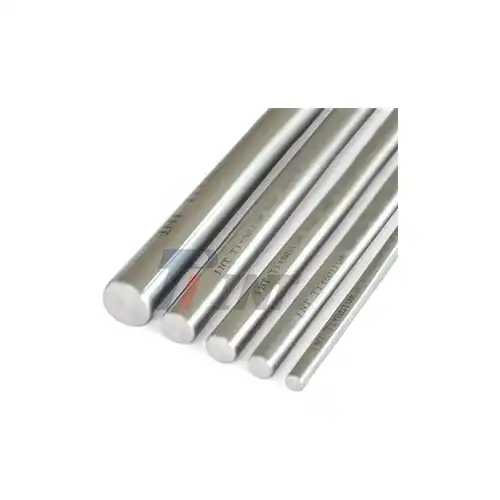
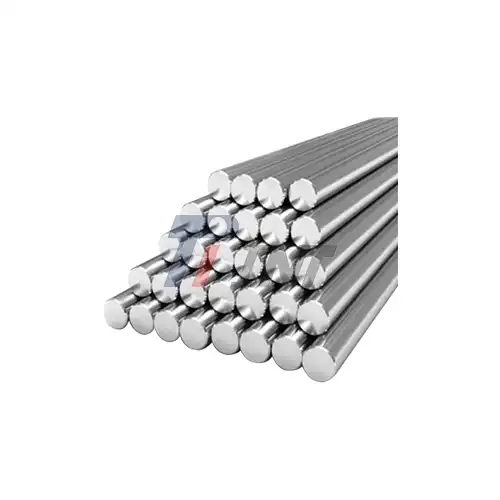
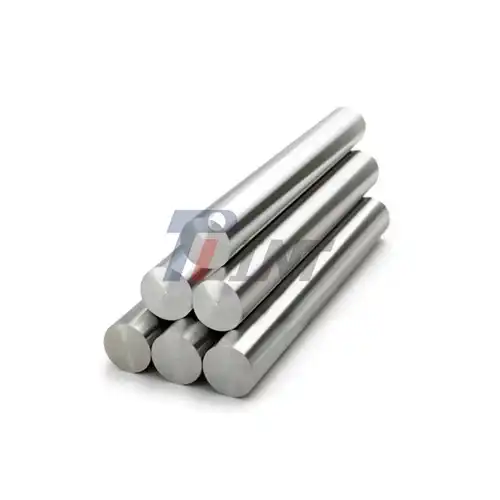
How to find suppliers that provide titanium bars with full traceability for medical use?


 2026-07-09 11:06:29
A strategy approach that focuses on verifying certifications, making the supply chain clear, and evaluating technical capabilities is the best way to find reliable providers of titanium bar for medical use that come with full traceability paperwork. The first step is to look for suppliers who have quality management system certifications that are known around the world, such as ISO 13485:2016 and ISO 9001:2015. These certifications show that there are set ways to keep track of documents and materials. Real providers of medical-grade titanium keep records at the batch level that show where the raw materials came from and where the finished product was delivered. This makes sure that everyone in the manufacturing chain is responsible. This level of openness is very important for companies that make medical devices that need to meet the standards set by the FDA and ASTM F136 for materials used in implants.
|
|
|
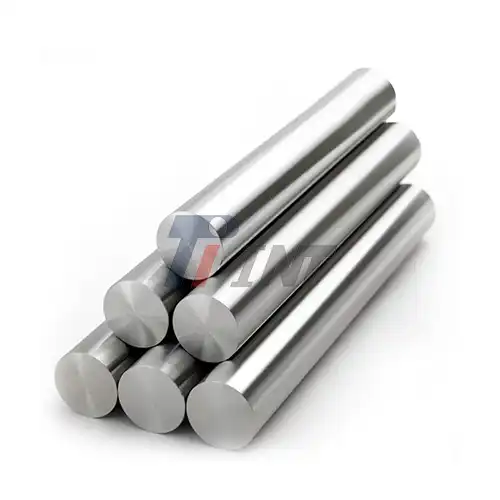
Understanding the Importance of Full Traceability in Medical Titanium Bars
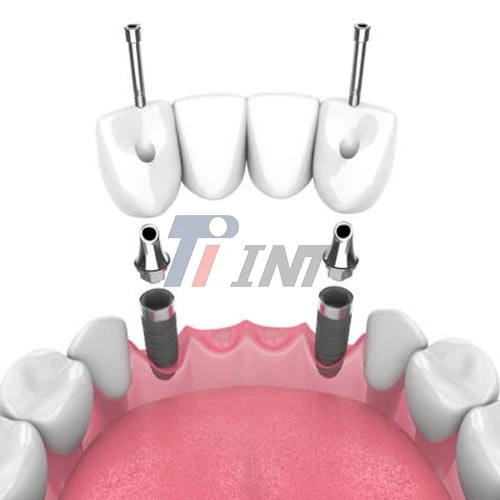
In the medical products industry, traceability means a lot more than just papers. It acts as a backbone for quality control, linking every stage of production to data points that can be checked. Manufacturers of medical devices rely on material licenses to make sure that the titanium metals they use for surgical implants, spinal fixation systems, or dental abutments meet strict international standards for biocompatibility, chemical makeup, and mechanical qualities.
Why Documentation Matters for Patient Safety?
Medical-grade titanium is used in joint replacements and fracture support devices, and it stays inside the body for decades. Any change in the alloy's makeup, like too much hydrogen or impurities, can cause bad biological responses or the implant to fail before it should. Full traceability makes sure that every titanium rod or bar has a written history that shows where it came from, how it was processed, how it was heated, and the results of any quality checks. This line of paperwork makes it easier for regulatory audits and lets producers find the root cause of problems with their products.
Regulatory Alignment Across Global Markets
Compliance standards are different in each market. The FDA wants medical device makers to keep detailed records that show where materials come from, and the European Union's Medical Device Regulation (MDR) says that CE marking needs detailed technical paperwork. ASTM F136, ASTM F1472, and ISO 5832-3 standards are met by suppliers who offer real tracking. These suppliers provide mill test certificates, material safety data sheets, and batch-specific quality records. During licensing processes and third-party checks, these papers are needed as proof.
Common Challenges in Procuring Titanium Bars for Medical Use
Medical gadget buying teams have a hard time finding titanium materials that can be tracked back to their source. The complexity of the global supply chain makes many weak spots where the accuracy of paperwork can be lost.
Material Authenticity and Grade Consistency
Titanium grades that are fake or exaggerated are a major problem for the business. Some sellers may offer Ti-6Al-4V material at a good price, but they might not have the proper approvals to show that the metal meets the extra-low interstitial (ELI) standards needed for implantable devices. Grade 23 titanium (Ti-6Al-4V ELI) has lower amounts of oxygen, nitrogen, and iron than Grade 5 titanium used in aerospace. This means it can be used in long-term contact with human flesh. Manufacturers risk using low-quality materials that could cause product recalls or harm to patients if they don't have real proof.
Incomplete Supply Chain Visibility
Many companies that sell titanium get their materials from middlemen, which leaves gaps in information that make it hard to tell where the titanium bar for medical use really came from when it was made. Because the supply chain is broken up, it's hard to tell if the material was made in a controlled environment that meets medical-grade standards. Buyers need providers who work directly with certified mills and can provide complete paperwork chains from the time the metal is smelted until it is inspected for quality.
Regional Certification Variations
Getting things done is harder when you have to deal with different regulatory systems in different areas. A seller that is licensed to make medical devices in one area might not have the same licenses needed for other target markets. Because of this, producers have to either qualify multiple suppliers or spend a lot of time and money filling in certification gaps, which speeds up time to market and raises running costs.
Key Criteria to Evaluate When Selecting Titanium Bar Suppliers for Medical Use
Systematic review across multiple aspects is needed to find reliable suppliers. When making a procurement choice, you should think about quality assurance, service capabilities, and the possibility of a long-term relationship.
Essential Certifications and Quality Systems
Legitimate medical titanium bar for medical use suppliers operate under quality management systems that are checked by recognized certification groups. The ISO 13485:2016 approval covers the specific needs of making medical devices, such as risk management, design controls, and tracking processes. ISO 9001:2015 is the basis for quality management techniques that are always the same. Companies that sell to people in Europe need to show that their products are EU CE compliant, which means they meet the rules set by the Medical Device Regulation.
Check to see if sellers have material-specific approvals in addition to general quality standards. If a supplier is registered with the FDA, it means that their building and medical supplies have been registered with U.S. regulatory officials. Compliance with ASTM F136 shows that the titanium alloy's chemical make-up and mechanical qualities meet the requirements for use as a surgical transplant.
Traceability Documentation Depth
Full tracking goes beyond just having mill certificates. Reliable suppliers offer documentation packages that include chemical composition analysis reports that show the product meets the grade requirements, mechanical property test results that show the tensile strength and yield strength parameters, heat treatment records that show the right processing cycles, and dimensional inspection reports that show the product fits the tolerances. Each document should list specific batch or lot numbers that correspond to the shipped goods.
Digital traceability systems are used by advanced providers so that customers can see the full history of materials through online sites. Some of these platforms may have scanning features that connect product ID codes to stored quality records, allowing for quick proof.
Technical Support and Customization Capabilities
When making medical devices, it's common to need special shapes for the materials or specific instructions. Check to see if possible sellers offer engineering support to help you choose the best materials for your needs. Suppliers with their own research and development departments can give you useful advice about choosing the right metal, the surface finish you need, and how to make the part.
When it comes to medical apps, customization choices are very important. Swiss-lathe machining for dental screws and bone fixation devices works well when precision-ground bars with tight diameter tolerances (h7, h8, or h9 ISO tolerances) are available. Suppliers that offer different product shapes, like rods, wires, plates, and forged blocks, make it easier to handle vendors because they give buyers more options.
Delivery Reliability and Service Consistency
Schedules for making medical gadgets depend on knowing when materials will be available. Check the supplier's past success in terms of delivering on time and their ability to keep quality high across multiple orders. Newer suppliers with less of a track record of performance add to the risks in the supply chain, while established suppliers with a history of business stability lower those risks.
How quick communication is also affects the success of a relationship. Procurement runs more smoothly when suppliers give committed technical contacts, answer questions quickly, and deal with possible problems before they happen.
How to Effectively Vet and Verify Medical Titanium Bar Suppliers?
Organizations can avoid problems with material quality and compliance by carefully checking out potential suppliers. A structured verification method cuts down on buying risks by a large amount.
Conducting Comprehensive Background Research
Start by looking into the histories, ownership arrangements, and names of potential suppliers. Companies that have been making titanium bar for medical use for decades usually have stronger quality systems than companies that just started out. Check to see if the companies you're considering have written case studies, technical papers, or attended industry conferences. This shows that they are actively involved with the groups that make medical devices.
See if any possible suppliers have received any governmental warning letters, have had any products recalled, or have broken any rules. Enforcement measures that show flaws in the quality system are often recorded in government records and trade magazines.
Requesting and Analyzing Sample Materials
Samples of the material that come with full approval packages allow for direct quality measurement. Send examples to independent testing labs so they can confirm that the chemical makeup, mechanical properties, and microstructure traits match the information you've given them. This outside check shows if the certificates given by the seller are a good reflection of the real qualities of the material.
When evaluating a sample, look at the quality of the material's surface, how consistent its dimensions are, and how it looks generally. Premium medical-grade materials have smooth, even surfaces that are free of flaws, the right markings to make them easy to find, and packing that keeps them from getting dirty or damaged while they're being shipped.
Performing Supplier Audits
On-site or virtual checks are very helpful for learning about a supplier's skills and quality mindset. Implementation of a quality management system, controls for the production process, programs for calibrating and maintaining testing equipment, document control methods, and corrective action systems should all be at the top of an auditor's list of things to look at. Keep an eye on whether workers follow written rules and whether management shows they care about quality.
Virtual audit tools have made it easier to get to supplier sites around the world. Video trips, document reviews, and real-time conversations can all be used together to do thorough assessments without having to journey abroad.
Leveraging Digital Verification Technologies
Innovative sellers use blockchain-based tracking platforms or digital material cards to keep records of where materials came from and how they were processed that can't be changed. These technologies make the supply chain more open than ever before by recording every transaction in distributed ledgers that can be checked by many parties but can't be changed by a single entity.
Digital tracking tools also make it easier to check for compliance in real time. When procurement platforms are connected to source quality management systems, they can automatically mark materials that don't have all the paperwork they need or batches that failed quality checks. This lets problems be fixed before they happen.
Benefits of Partnering with Fully Traceable Titanium Bar Suppliers
Building ties with providers who put full traceability first gives you a big edge in the market and makes your business run more smoothly.
Enhanced Regulatory Compliance Confidence
Globally, regulators are keeping a closer eye on companies that make medical devices. Full material traceability paperwork makes regulatory applications easier, speeds up the approval process, and lowers the chance of delays caused by compliance. When submitting to the FDA for a 510(k) or preparing technical paperwork for the EU MDR, keeping detailed records of all materials used shows that you did your research on suppliers and materials.
Traceability also keeps businesses safe during activities of post-market monitoring. If regulators have concerns about the safety or performance of a device, makers who have full paperwork on the materials they used can quickly show that the right quality materials were used, which could lower their liability.
Improved Product Reliability and Patient Outcomes
Medical implants made from properly approved titanium alloys that have been tested for qualities work better in the real world. titanium bar for medical use (Ti-6Al-4V ELI (Grade 23)) made under controlled conditions and confirmed through batch-specific tests are biocompatible, resistant to rust, and strong enough to last for a long time after being implanted. Because the material is so reliable, there are fewer implant failures and better patient safety ratings.
When medical-grade titanium is made correctly, it has a very high resistance to wear. This means that orthopedic implants can survive millions of loading cycles while the patient is normally moving. Titanium has a high strength-to-weight ratio, which makes devices used in spine fusion systems or fracture fixation easier on patients while still supporting their bones while they heal.
Streamlined Supply Chain Management
Suppliers with strong tracking systems are usually better at managing their goods and planning their production. This organizational success makes wait times more predictable, improves order accuracy, and lowers the need for expediting. When procurement teams know for sure that materials will be available, they can plan production schedules with more trust.
Long-term relationships with suppliers that can be tracked also make it possible to predict and plan for demand together. If suppliers know how long it takes for customers to make things, they can make sure that their production plans work best with what buyers need. If buyers consistently place large orders, suppliers may even be able to offer better price terms.
Innovation and Technical Collaboration Opportunities
Suppliers who have invested in infrastructure for tracking usually have a deeper dedication to quality excellence and ongoing improvement. A lot of the time, these companies keep research and development (R&D) departments that help with group product creation. Medical device businesses working on next-generation implant designs can benefit from working with supply partners who can offer material knowledge, make prototypes of small amounts of special alloys, or help them make their designs more easily to make.
Conclusion
Finding suppliers of titanium bar for medical use with complete traceability requires a strategy review that focuses on verifying certifications, reviewing extensive paperwork, and checking technical skills. Manufacturers of medical devices should choose providers with ISO 13485:2016 and ISO 9001:2015 certifications who can keep track of each batch from the time they get the raw materials to the time they send the finished product. Organizations are protected from major quality risks and compliance fails by thorough screening processes that include testing samples, auditing suppliers, and independent proof. Partnerships with well-known suppliers that offer clear supply chains, technical support, and a history of on-time delivery give businesses big competitive advantages by making it easier to follow regulations, making products work better, and streamlining the buying process, all of which lead to better patient outcomes.
FAQ
What certifications should medical titanium bar suppliers possess?
Reputable medical titanium bars for medical use suppliers must hold ISO 13485:2016 certification, which shows that they follow the rules for medical devices, ISO 9001:2015 certification for general quality assurance, and EU CE marking for entry to the European market. Material-specific agreement with ASTM F136 or ISO 5832-3 standards makes sure that the qualities and make-up of the titanium alloy meet the needs of surgical implants. FDA site registration gives providers that serve U.S. markets more peace of mind.
How does full traceability benefit medical device manufacturers?
Full traceability paperwork helps makers make sure the materials they use are real. It also makes regulatory submissions easier, makes it easier for companies to respond to post-market surveillance requests, and lowers the risk of liability. Traceability records help find the root cause of problems during quality investigations and show that suppliers were properly qualified. This paperwork is very important during FDA audits or EU MDR compliance checks.
Can suppliers provide custom specifications with traceability?
Established medical titanium providers offer customization services such as precisely ground bars to specific diameter tolerances, custom lengths, and specialized surface finishes, all while keeping full paperwork for tracking. Custom orders go through the same strict quality checks and are certified as standard items. All test results and specs are written down on material certificates that include unique batch numbers.
Partner with Baoji INT Medical Titanium Co., Ltd. for Certified Medical-Grade Titanium Solutions
Baoji INT Medical Titanium Co., Ltd. offers a wide range of medical-grade titanium products and guarantees that all of their paperwork can be tracked back to the source. We have been in business since 2003 and have over 20 years of professional experience. Our full ISO 9001:2015, ISO 13485:2016, and EU CE certifications show that we are committed to quality excellence. Our wide range of products includes Ti-6Al-4V ELI bars, Grade 2 pure titanium rods, custom wire forms, and precision forged parts. All of these are made with high biocompatibility, corrosion resistance, and mechanical performance, making them ideal for use in orthopedic implants, dental applications, and surgical instruments.
As a reliable provider of titanium bars for medical use, we offer batch-specific certifications, expert engineering support, and flexible customization options that work well with your production processes. Email our team at export@tiint.com to get material specs, certification paperwork, or a sample review that shows how our traceable titanium solutions can improve the quality of your medical devices and your confidence in following the rules.
References
1. American Society for Testing and Materials. (2013). Standard Specification for Wrought Titanium-6Aluminum-4Vanadium ELI (Extra Low Interstitial) Alloy for Surgical Implant Applications (UNS R56401). ASTM F136-13.
2. International Organization for Standardization. (2016). Medical Devices - Quality Management Systems - Requirements for Regulatory Purposes. ISO 13485:2016.
3. U.S. Food and Drug Administration. (2021). Medical Device Single Audit Program (MDSAP): Regulatory Requirements and Quality Management System Standards.
4. Rack, H.J., & Qazi, J.I. (2006). Titanium Alloys for Biomedical Applications. Materials Science and Engineering C, 26(8), 1269-1277.
5. European Commission. (2017). Regulation (EU) 2017/745 of the European Parliament and of the Council on Medical Devices. Official Journal of the European Union.
6. Niinomi, M., & Nakai, M. (2011). Titanium-Based Biomaterials for Preventing Stress Shielding Between Implant Devices and Bone. International Journal of Biomaterials, Article ID 836587.
_1752462620877.webp)
_1751957234428.webp)
_1750663525879.webp)