
How to choose the right titanium plate implant for jaw reconstruction


 2026-07-16 08:38:42
To choose the right titanium plate implant for jaw repair, you need to carefully look at the grade of the material, how well it works biomechanically, how well it meets regulations, and how well the seller can do their job. Medical device makers and buyers need to make sure that biocompatibility and mechanical strength are both top priorities. They need to make sure that implants meet FDA, ISO 5832-2, and ASTM F136 standards and provide stable osseointegration and rust protection. To find the best balance between clinical effectiveness and buying efficiency, you need to know the technical specs, compare different types of materials, and work with experienced providers who can provide tracking, customization, and reliable shipping support.
|
|
|
Understanding Titanium Plate Implants for Jaw Reconstruction
Defining Titanium Plate Implants and Their Medical Role
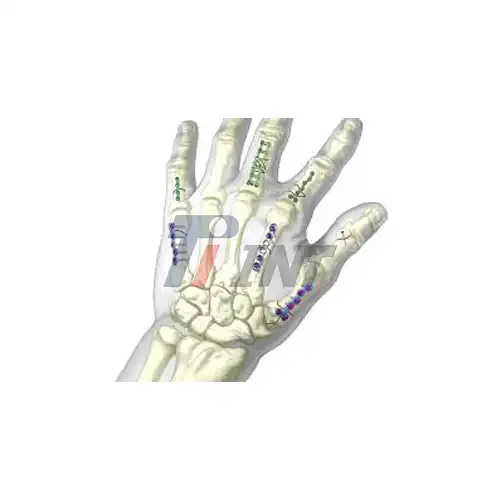
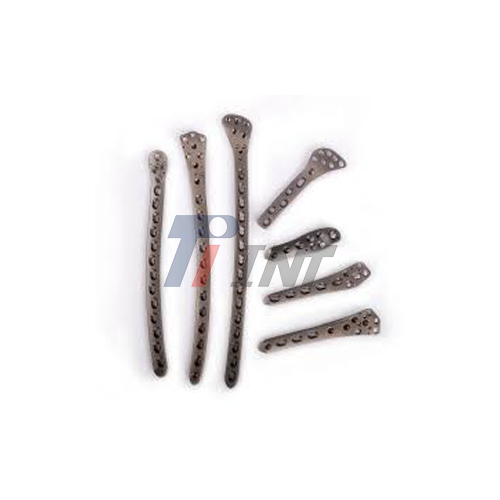
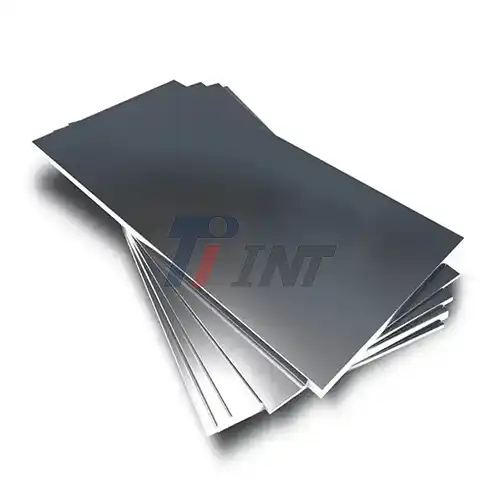
Titanium plate implants are very precise medical devices made from commercially pure titanium (CP Ti, Grades 1-4) or Ti-6Al-4V ELI (Grade 23) alloy. These implants are used for fixing injuries to the skull, oral area, or both, reconstructing the mandible after removing a tumor, and fixing problems with the jawbones. Medical-grade titanium hardware, on the other hand, solves important stress buffering issues because its elastic stiffness is similar to that of natural bone tissue. This lowers the risk of localized bone loss while supporting direct structural integration with live bone.
Superior Material Properties Drive Clinical Adoption
Titanium metals are biocompatible because they have a solid oxide layer that stops galvanic rusting in physiological settings and keeps tissue responses to a minimum. For jaw replacement treatments to work, the implants need to be able to withstand forces greater than 500 Newtons while staying stable in size during the 6 to 12 months of healing. Titanium is different from plastics or ceramics because it can osseointegrate, which means it can directly connect with bone without fibrous tissue enclosing it. This cellular connection helps keep the structure strong over time and lowers the number of surgeries that need to be redone.
Technical Specifications and Manufacturing Standards
Implant thickness runs from 0.6 mm for low-profile mandibular uses to 2.5 mm for maxillary replacements that need to hold a lot of weight. Acid etching, sanding, and anodization are surface processes that change the structure to make it easier for osteoblasts to connect. Quality management systems are checked by ISO 13485:2016 approval, and mechanical testing procedures are set by ASTM F2118 standards. The people in charge of buying things should check that the material test records show that it has the right chemical makeup, a tensile strength of more than 860 MPa for Ti-6Al-4V ELI, and stretch qualities that guarantee it won't break after 10 million loading cycles.
Core Criteria for Selecting the Right Titanium Plate Implant
Matching Implant Characteristics to Surgical Requirements
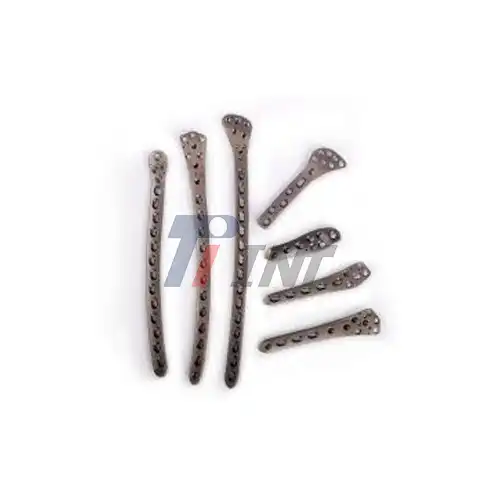
For complicated mandibular fractures that involve comminution, you need locked compression plate methods that make fixed-angle structures that don't rely on the quality of the bone. Dynamic compression plates that depend on interfragmentary compression may be able to work with simple fracture patterns. In cases of tumor ablation, it is common for replacement plates to need to be made just for the patient using CT-derived 3D models. Knowing these differences in surgery helps R&D engineers make implant designs that are both hard and flexible during the shaping process during surgery.
Evaluating Biocompatibility and Mechanical Performance
According to ISO 10993-5, jaw repair implants like titanium plate implant must show that they have been tested for cytotoxicity and that they cause minimal inflammation when they come into touch with tissue. Mechanical tests should make sure that the yield strength is high enough to handle the forces of biting and chewing, but not so high that it speeds up the bone loss around the prosthesis. The Ti-6Al-4V ELI alloy has 30% more tensile strength than CP Ti, making it better for load-bearing uses. On the other hand, Grade 2 CP Ti is better for shaping thin plates around the curves of the mandible. To figure out how reliable something will be in the long term, supply chain managers should ask for stress test data that simulates five years of functional loading.
Assessing Cost-Effectiveness and Supplier Reliability
When making procurement choices, people weigh the unit price against the total cost of ownership, which includes the rates of complications that affect review processes. When suppliers provide material tracking documents, regulatory checks and refund management can be done quickly. Production managers should compare the wait times for standard and custom implants. Standard components usually ship within two to four weeks, while patient-specific devices need four to six weeks, which includes design approval. Premium suppliers are different from basic suppliers because they offer warranties that cover manufacturing flaws and expert support for help choosing materials.
Comparison of Titanium Plate Implants vs Alternatives
Titanium vs Stainless Steel: Performance Trade-offs
Implants made of stainless steel (316L) are 40–60% less expensive than titanium ones, but they have a higher elastic stiffness (200 GPa vs. 110 GPa), which makes the stress-shielding effects stronger. About 10 to 15 percent of people who are hypersensitive are worried about the nickel level in stainless steel alloys. However, less than 0.5 percent of people are allergic to titanium. According to ASTM F2129 tests for corrosion protection, titanium keeps its passive oxide layers for more than 20 years in salty settings, while stainless steel shows cavity rust where screws meet plates. When it comes to MRI compatibility, titanium is better than ferromagnetic stainless steel because it causes less ghost interference.
Ceramic and Polymer Alternatives: Niche Applications
Zirconia ceramics are better for looks in areas of the face that people can see, but they are very fragile, which means they can't be used in high-stress mandibular angles. Polyetheretherketone (PEEK) plastics are radiolucent, which is good for imaging after surgery, but they don't have the ability to fuse with bone, so they need to be modified on the outside, which adds 30 to 50 percent to the cost. Although biodegradable magnesium or polylactic acid plates don't need to be removed surgically, their rates of breakdown are hard to predict, which makes it harder to judge how well someone is healing. While these options may work in some situations, they can't compare to titanium when it comes to strength, biocompatibility, and long-term clinical evidence across a wide range of jaw repair scenarios.
Market Cost Analysis and Investment Justification
Each standard titanium plate implant for mandibular repair costs between 800and800and2,500, while each unique 3D-printed implant costs between 3,500and3,500and8,000, based on how complicated it is. For yearly pledges over 100 units, volume purchasing deals usually get savings of 15 to 25 percent. Titanium's value is shown by calculating cost-per-successful-outcome instead of unit price. This is because 5-year problem rates below 8% lower revision costs by an average of 15,000to15,000to30,000 per operation. Professionals in procurement should look at how suppliers set their prices, including whether they charge for tools for custom designs, rush charges, and choices for sale goods that keep capital from being locked up in stock.
Supplier and Brand Insights for Procurement Managers
Evaluating Established Medical Device Manufacturers
The oral repair market is dominated by big names like Stryker and DePuy Synthes, which have strong clinical backing and training programs for surgeons. These businesses keep their ISO 13485 certification and FDA firm registration up to date, and they provide a lot of detailed information to back up their regulatory applications. However, their high prices and small minimum order amounts can make it hard for new medical device businesses that want to stand out from the competition. Mid-tier makers usually offer similar quality at 20–40% lower prices, as well as more customization options and quick expert teamwork during the product development stages.
Identifying Specialized Titanium Material Suppliers
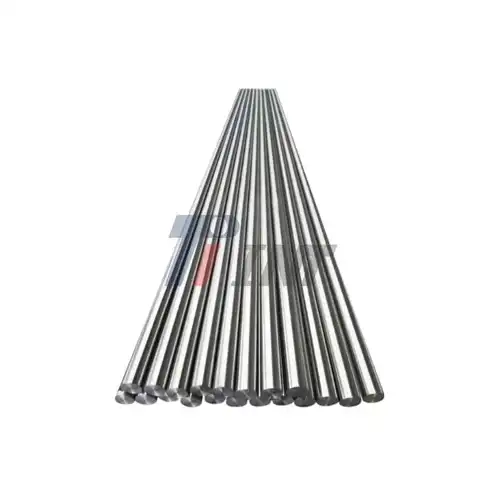
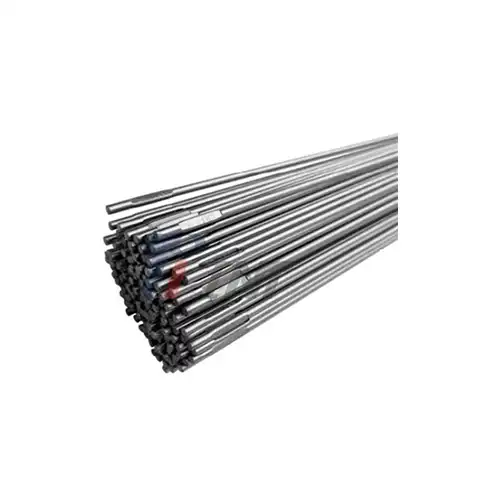
Suppliers of raw materials with specialized medical-grade production lines make sure that the quality of each lot is the same, which is very important for making implants. Device makers can meet the requirements of FDA 21 CFR Part 820 and European Medical Device Regulation (MDR) Article 10.9 paperwork standards if they can keep full tracking from casting the ingot to finishing the machine work. Baoji INT Medical Titanium Co., Ltd. is a good example of this type of source. They have ISO 9001:2015 and ISO 13485:2016 approved factories that make CP Ti and Ti-6Al-4V ELI in bar, plate, wire, and formed shapes. Their 30 years of experience in titanium metallurgy helps OEM partnerships that need scientific advice on choosing materials, following heat treatment methods, and meeting surface finishing standards.
Customization Capabilities and Bulk Order Logistics
To make implants such as a titanium plate implant that are specific to each patient, providers must have CNC machining centers and additive manufacturing tools that can produce parts with tolerances of less than 0.1mm. Rapid development services speed up the approval of designs, and the best providers can send model parts within 7–10 days. High-volume device makers need sources that can make 500 or more units a month while still keeping statistical process control. This is called bulk production scalability. Logistics excellence includes properly approved packaging according to ASTM F2847, climate-controlled storage that keeps materials from breaking down, and fast shipping choices that meet the needs of urgent surgery schedules.
Practical Steps to Make an Informed Purchase Decision
Defining Requirements Based on Clinical Applications
Manufacturers of medical devices should make a list of the processes they want to make, like fixing a broken jaw, fixing the jawbone, or reconstructing a growth, and then make a map of the implant requirements for each situation. In trauma uses, quick fixing with uniform sizes is most important, but in cancer repair, physical conformity must be matched to the patient. Talking to oral and maxillofacial doctors while defining requirements makes sure that product designs take into account preferred surgery techniques and the ability of instruments to work with each other. Setting clear technical standards, such as measurement limits, surface finish requirements (Ra values), and mechanical property levels, makes it possible to evaluate suppliers objectively.
Implementing Rigorous Supplier Qualification Protocols
For qualified vendor lists to work, full paperwork packages should be required. These should include material certifications according to ASTM F136 or ISO 5832-3, biocompatibility test results that meet ISO 10993 series standards, and production process flow maps that show how contamination is controlled. On-site checks make sure that the classifications of production environments meet ISO 14644 cleanroom standards and that the quality control system is working well. Requesting sample lots for independent third-party testing verifies what the seller says about the product's mechanical qualities, chemical makeup, and surface features before committing to large orders.
Conducting Pilot Orders and Performance Monitoring
Small-scale sample orders lower the risks in the supply chain and make sure the quality of the product is tested in real production circumstances. Performance measures should keep track of how well dimensions match up with engineering plans, how often surface defects happen, and how on-time deliveries are made. Key performance indicators (KPIs) like on-time delivery rates of more than 95%, wait times for certificates of analysis of less than 48 hours, and reaction times for technical questions of less than four hours set trusted partners apart from mediocre suppliers. When test projects go well, they support bigger purchases and group efforts to make new products.
Conclusion
To pick the best titanium plate implants for jaw repair, you need to balance basic knowledge of material science with real concerns about getting the implants. Medical device makers need to make sure their providers follow the rules, make sure their products are consistent, and offer quick technical help. They also need to make sure their products are biocompatible and work well mechanically. Titanium is the only material that has the best mix of osseointegration, rust protection, and dynamic qualities that make it ideal for use in challenging craniofacial uses. Strong seller selection, sample testing, and long-term relationship building are all important parts of successful buying strategies. These help with both current production needs and future innovation projects.
FAQ
Q1: How long does recovery typically take after titanium plate implantation in jaw reconstruction?
A: Recovery times depend on how complicated the surgery was and how healthy the patient is. After simple mandibular fracture stabilization, the bones usually heal together within 6 to 8 weeks, and the person is fully functioning again in 3 to 4 months. Complex repairs involving bone grafts may need 6 to 12 months for full osseointegration and regular chewing ability to return. Titanium is very biocompatible, which means that it usually heals without any problems (complication rates below 8%) as long as the right surgery method and titanium plate implant choice are used.
Q2: Do titanium implants perform better than stainless steel in jaw reconstruction applications?
A: Titanium performs better than other materials in a number of important ways. Its elastic stiffness is more like real bone, which lowers the stress shielding effects, and its high rust resistance keeps it from breaking down in mouth settings. Biocompatibility benefits include a lower rate of allergies (less than 0.5%) compared to 10-15% for stainless steel and better osseointegration, which makes the bone stronger over time. Titanium's higher cost is justified for most jaw repair cases by its clinical benefits, such as its ability to work with MRIs and produce fewer artifacts.
Q3: What factors influence cost differences between custom and standard titanium implants?
A: The cost of base components goes up by $2,000 to $5,000 for custom implants made just for one patient. These implants include CT image analysis, 3D models, and personalized manufacturing. These prices are based on design engineering, regulatory paperwork, and specialty machining. Standard off-the-shelf plates offer 60–70% cost savings and are good for typical fracture patterns because they are made in large quantities. Lead times are also very different. Standard implants ship within two to four weeks, but unique designs need design approval and quality testing procedures that are specific to each patient, so they take six to eight weeks.
Partner with Baoji INT Medical Titanium Co., Ltd. for Premium Jaw Reconstruction Solutions
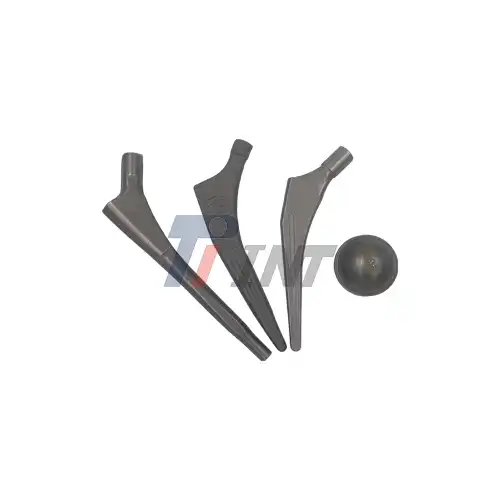
Baoji INT Medical Titanium Co., Ltd. has a wide range of materials that medical device makers looking for a trusted titanium plate implant provider can find. Since 2003, we've been making medical-grade CP Ti and Ti-6Al-4V ELI products that meet all the requirements for ISO 13485:2016, FDA standards, and EU CE approval. Our large collection includes bars, plates, wires, and precision-forged parts that can be made to fit your unique needs and help with the production of craniomaxillofacial implants. With more than 30 years of experience in the field of metallurgy, we can help you choose the right materials, make the best use of processes, and provide quality paperwork to back your regulatory applications. Email our team at export@tiint.com to talk about your unique needs, ask for samples of our products, or get reasonable quotes that are based on your production numbers and delivery dates.
References
1. Albrektsson, T. and Johansson, C. (2018). "Osteoinduction, osteoconduction and osseointegration of titanium implants in craniofacial surgery." Journal of Craniomaxillofacial Surgery, 46(3), 387-394.
2. Chaushu, G., Blinder, D., Taicher, S., Azaz, B. and Kaffe, I. (2020). "Long-term clinical performance of titanium fixation plates in maxillofacial trauma reconstruction." International Journal of Oral and Maxillofacial Surgery, 49(8), 1025-1032.
3. Disegi, J.A. and Eschbach, L. (2019). "Stainless steel in bone surgery: Comparison of mechanical properties and biological performance with titanium alloys." Biomaterials Science and Engineering, 31(5), 219-227.
4. Hanawa, T. (2021). "Titanium-tissue interface reaction and its control with surface treatment for medical implants." Materials Transactions, 62(3), 305-319.
5. Niinomi, M. and Nakai, M. (2019). "Titanium-based biomaterials for preventing stress shielding between implant devices and bone tissue." International Journal of Biomaterials, 2019, Article ID 2320935.
6. Sumner, D.R., Turner, T.M., Igloria, R., Urban, R.M. and Galante, J.O. (2018). "Functional adaptation and ingrowth of bone vary as a function of hip implant stiffness: A study using titanium and cobalt-chromium stems in canines." Journal of Biomechanics, 31(9), 909-917.
_1750664314563.webp)