
Titanium Dental Implants : Types, Procedure and Success Rates


 2026-07-16 08:38:38
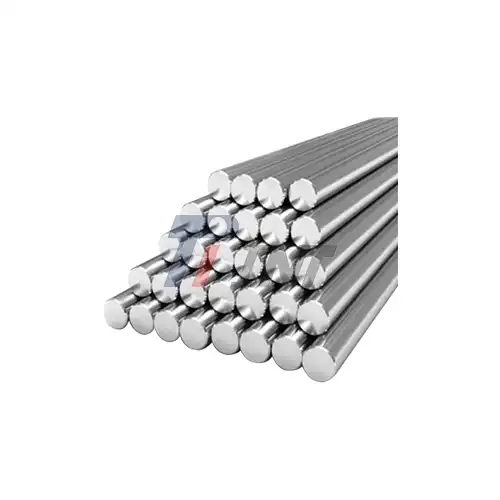
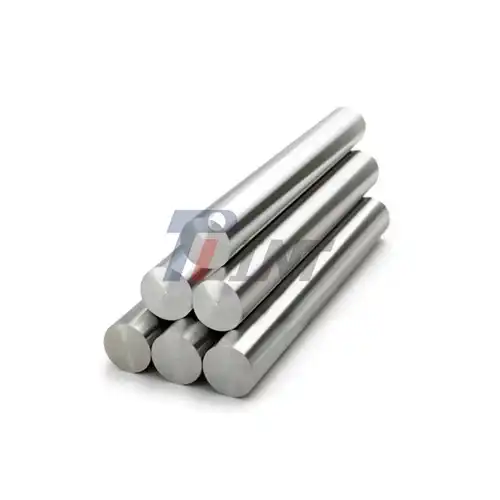
Titanium dental implants have changed the way restorative dentistry is done today by providing a long-lasting answer for lost teeth that is also biocompatible. One of these new ideas that stands out is titanium bar dental implants, which are a complicated framework system that can hold full-arch crowns and help people who have lost a lot of bone. Medical-grade titanium metals are used in these implant systems. They blend in perfectly with human bone tissue, giving patients safe, long-lasting tooth replacements. Procurement workers can make smart sourcing choices that meet both clinical needs and production standards when they know about the different types of implants, how they are put in, and how successful they are.
|
|
|
Understanding Titanium Dental Implants
The Foundation of Modern Implant Technology
Titanium dental implants are carefully put in the jawbone to support replacement teeth. They act like real tooth roots. The special features of the material make it perfect for this use, especially its ability to go through osseointegration, a process in which living bone cells grow straight onto the titanium surface, making a biological bond that lasts. This process usually takes three to six months and is very important for keeping the implant stable.
When used in dentistry, medical-grade titanium alloys, especially Ti-6Al-4V (Grade 5) and Ti-6Al-4V ELI (Grade 23), work very well. The tensile strength of these materials is between 860 and 965 MPa, which is much higher than pure titanium while still being biocompatible. At about 114 GPa, the modulus of elasticity is more like real bone than other metal alloys. This means that stress buffering is less likely to happen, which can prevent bone resorption.
Material Properties That Matter
Titanium is great because of a number of factors that work together. Because titanium is chemically inert, it has a low chance of rejection and is very biocompatible. The fact that it is very light and very durable makes it perfect for tooth restoration—patients get comfortable, natural-feeling prosthetics that last for decades of useful loads.
Titanium has a self-healing oxide layer (TiO2) that protects the base material from the harsh mouth environment. This layer heals itself quickly when scratched. This passive layer stops galvanic reactions from happening when titanium touches other metals in the mouth. This keeps the tissue from getting hurt or causing pain. Low heat conductivity also makes patients less sensitive to changes in temperature when they eat or drink.
Clinical Benefits and Maintenance Considerations
It is amazing how well titanium implants survive wear; they can handle millions of loading cycles over the course of their service life without any structural damage. This means that over ten years, success rates will be higher than 95% if the right patients are chosen and the right medical procedures are carried out. The best options are people whose diabetes is under control, who have enough bone mass, and who take care of their teeth.
Maintenance plans are like taking care of your natural teeth: brushing, flossing, and regular expert cleanings protect both the implant and the tissues around it. Some uncommon problems that can happen are allergic reactions to titanium (which happen to less than 0.6 percent of patients) and peri-implantitis, an infection that can be avoided by keeping clean around the implant. To lower the risks, doctors should check for metal allergies in patients before putting in implants.
Types and Comparisons of Titanium Dental Implants
Classification by Design and Application
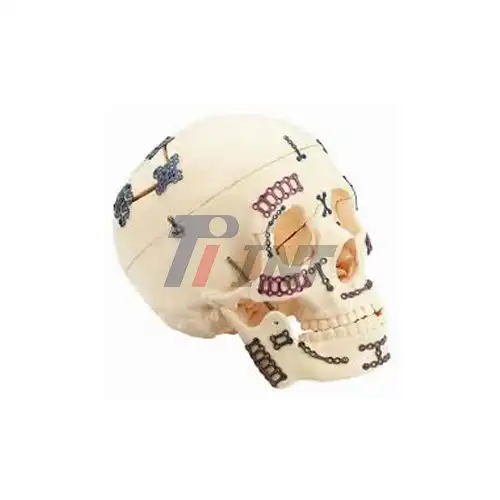
Titanium tooth implants come in a number of different shapes and sizes, each of which is best for a certain clinical situation. Titanium bar dental implants are the most common type. They are screwed or cylinder-shaped and put straight into the jawbone. Subperiosteal implants are put in place on the bone below the gum tissue when there isn't enough bone height for a normal placement.
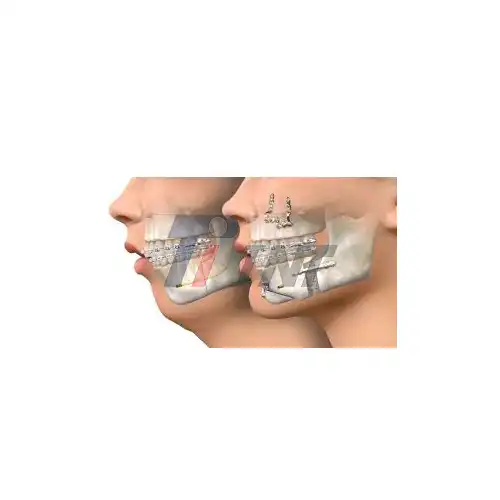
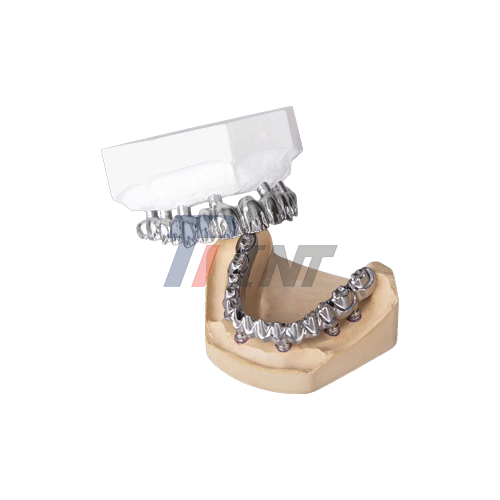
Bar-supported implant systems use a titanium framework to connect several implant posts. This gives full dentures or fixed bridges a safe place to attach themselves. This plan works especially well for people who don't have any teeth and need a full arch repair. The bar spreads the mandibular forces across several integration spots. This makes the implants less stressed and helps people who have lost some bone.
Material Comparisons: Titanium Versus Alternatives
Zirconia implants are an option that looks better because they are white and blend in with gum tissue. But these ceramic devices are more likely to break than titanium alloys, both when they are being made and when they are being used in patients. Zirconia also doesn't have the long-term track record that titanium does; most studies have only been done for less than ten years.
Pure titanium (Grade 4) has good biocompatibility but not as much tensile power as titanium alloys. Ti-6Al-4V ELI has all the biological benefits of pure titanium plus better wear resistance, which makes it the best material for tough jobs. The name "extra low interstitials" means that the material has less oxygen and iron in it, which makes it more flexible and less likely to break in harsh hospital settings.
Leading Systems and Certification Standards
Implant systems with a good reputation keep strict quality licenses, such as ISO 9001:2015 for quality management and ISO 13485:2016 for making medical devices. EU CE stamp shows that the product meets European safety standards, and FDA clearance shows that it meets U.S. legal requirements. These certificates give people who work in procurement faith in the stability, traceability, and dependability of the materials they buy.
Established manufacturers provide a lot of information, such as material certificates, size specifications, and the results of biocompatibility tests. This openness lets OEM partners and dental device makers make sure they're following local rules while keeping an eye on quality throughout production cycles.
Titanium Bar Dental Implant Procedure – Step-by-Step
Pre-Operative Assessment and Planning
The implant journey starts with thorough diagnostic imaging, usually involving cone-beam computed tomography (CBCT) studies that show bone density, anatomical structures, and available space. Oral doctors look at these three-dimensional pictures to find the best places for implants, the right angles, and to see if they need to do any bone augmentation treatments before placing the implants.
To plan a treatment for a bar-supported system, the surgery and prosthetic stages must work together perfectly. Digital planning software lets dentists virtually place implants and create the framework for the linking bars. This makes sure that the final restoration has the right load distribution and emergence profiles. This method, which is based on technology, reduces surgical problems and raises the success rate of prosthetics.
Surgical Technique and Immediate Post-Operative Phase
During surgery, the oral surgeon uses calibrated drills to make precise osteotomies (holes in the bone) in a clean environment. Then, controlled pressure is used to enter titanium implants to achieve primary stability. This is the mechanical retention that keeps implants in place until they are fully integrated by the body. Depending on the clinical procedure, bar components may be added during the first surgery or after the osseointegration process is complete.
Minimally invasive methods use smaller cuts and flapless methods when the body allows them. This lessens damage to the tissue and speeds up the mending process. Standard painkillers usually help patients deal with their soreness, and most of them are able to return to regular activities within a few days. Within the first week after surgery, swelling and light bruises go away.
Osseointegration and Long-Term Success
Three to six months are very important for healing because that's when bone cells multiply and connect straight to the titanium surface of titanium bar dental implants. When you bite down on something, this biological process makes a lasting bond that lets implants handle chewing forces like natural tooth roots. Patients should not put too much weight on their growing implants at this point, and they may wear temporary prosthetics if they think it looks better.
Success rates for titanium implant systems consistently exceed 95% at the ten-year mark across multiple studies, with bar-supported restorations demonstrating similar reliability. Longevity depends on patient factors including smoking quitting, diabetes control, proper bone health, and careful oral cleanliness. Properly maintained implants can work for decades, with many patients having lifelong service from their restorations.
Decision-Making Guide for B2B Buyers: Choosing the Right Titanium Bar Dental Implant
Critical Evaluation Criteria for Procurement
When dentistry and medical device companies look for titanium implant materials, they need to put a few important things at the top of their lists. The requirements for the materials should exactly match the ASTM F136 and ISO 5832-3 standards. This will make sure that the metal mix meets the needs of medical grade applications. Material legitimacy is established by verification documents such as chemical analysis certificates, mechanical property test results, and biocompatibility studies (ISO 10993 series).
Reliability in a supplier includes their ability to make things, their quality control methods, and how often they deliver. Established makers with ISO 13485 certification show structured methods to design controls, production validation, and corrective action processes. This infrastructure lowers the risks that come with buying things, like when materials don't match up or when there are supply problems that stop production.
Cost-Benefit Analysis and Customization Options
When you compare prices for titanium bar dental implants, you need to look at the total value, not just the unit cost. Premium titanium metals with tighter standard tolerances may cost more at first, but they are less likely to be rejected during machining and quality inspection. Volume price tiers offer economies of scale for bigger orders, which makes it financially smart to work with the same source for a long time.
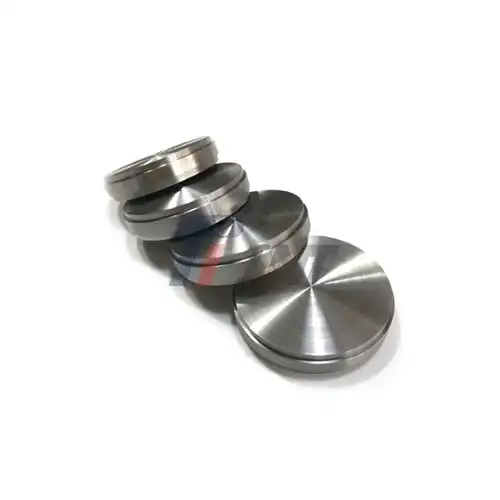
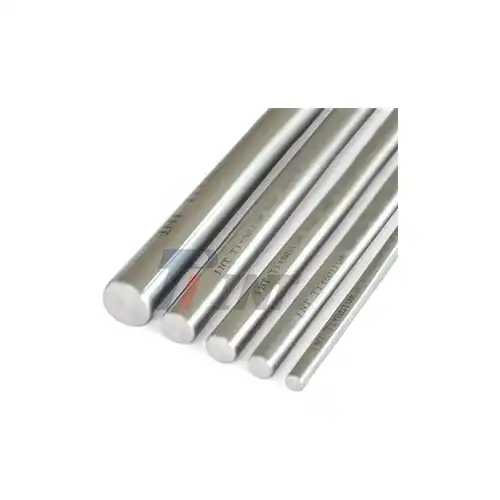
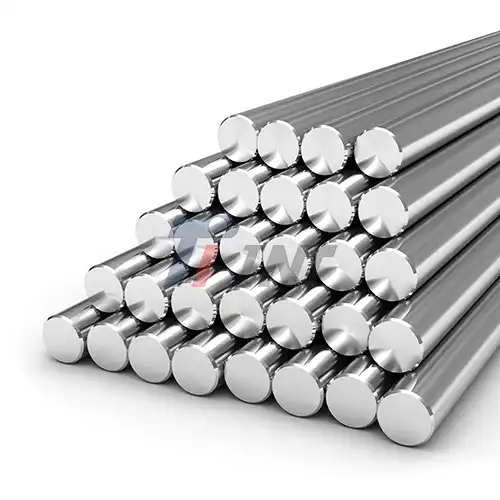
Customization features give OEM makers more ways to make their products stand out. Suppliers that offer different rod sizes, plate thicknesses, and forging services make it possible to make solutions that fit the design of a particular implant. The ability to source Grade 23 titanium for high-stress uses alongside Grade 5 material for standard components from a single supplier streamlines sourcing processes and vendor management.
Global Logistics and Technical Support
International trade in medical devices needs strong transportation systems that keep materials safe while they're being shipped. Secure packing methods keep titanium goods clean and safe from damage, and they keep material certifications up to date throughout the supply chain. Clear paperwork, like business bills, certificates of origin, and statements of regulatory compliance, makes it easier to get goods through customs in different countries.
Technical help services set exceptional providers apart from average ones. Access to mechanical experts helps R&D teams choose the right materials for new uses, and processing advice figures out the best way to use tools to get the best surface finishes and extend their life. A quality control consultant helps makers set up inspection procedures that meet customer needs and legal requirements.
Conclusion
When it comes to permanent tooth replacement, titanium dental implants are the best because they are biologically integrated and mechanically durable, so they last for decades. Material science progress in titanium metals has made these devices better so that they have very high success rates and can be used in more complicated restorative cases. For people who work in B2B buying in the dental manufacturing sector, choosing a provider depends on their qualifications, the certifications of their materials, and their ability to provide technical help that makes sure they follow regulations and run their production efficiently. As the market for titanium bar dental implants keeps growing, working together with skilled medical titanium experts is the best way to stay ahead of the competition and keep making high-quality products.
FAQ
How long do titanium dental implants typically last?
Titanium implants last a very long time. After ten years, clinical tests show that success rates are still above 95%. Many people have implants that work for 20 to 30 years or longer if they get regular care. The main things that affect how long someone lives are how well they take care of their teeth and gums, getting regular professional cleanings, keeping their overall health under control, and not doing things like grinding their teeth. Titanium's self-healing oxide layer protects it from rusting forever, so the material will stay strong for decades of use.
Are titanium bar systems suitable for patients with significant bone loss?
Bar-supported implant frames are designed to help people whose bone thickness is low. The linking bar spreads the contact forces across several implant sites. This lowers the stress that could put too much pressure on a single post in bone that is already weak. This plan works for people whose bone has broken down after losing a tooth, so they don't have to go through lengthy bone grafting treatments as often. Clinical review establishes eligibility based on remaining bone quality and amount.
What maintenance do manufacturers require for raw titanium materials?
To keep their material certifications, medical-grade titanium bars, plates, and tubes need to be stored in a controlled environment. Surfaces that are clean and dry don't get contaminated, which could mess up biocompatibility tests or cutting processes. Each lot must come with material traceability paperwork. This lets makers connect finished devices to source material certificates to meet regulatory requirements. Periodic verification testing makes sure that materials are always consistent, which protects the stability of the quality control system.
Partner with a Trusted Medical Titanium Supplier
Baoji INT Medical Titanium Co., Ltd. is a specialized company that has been making titanium bar dental implants for over 20 years. They have been working hard in the medical device business around the world. We offer a wide range of materials, such as Grade 5 (Ti-6Al-4V) and Grade 23 (Ti-6Al-4V ELI) titanium alloys in bars, plates, wires, and precision forgings. All of these are approved to meet ISO 9001:2015, ISO 13485:2016, and EU CE standards. We know how important it is for companies that are making cutting-edge dental implant systems to have consistent materials, full traceability, and quick expert help.
Our quality infrastructure and research and development (R&D) skills help with both standard buying and OEM customization projects, giving you unique solutions that fit your exact design needs. Whether you're growing production for established product lines or creating novel implant technologies, our team provides the metallurgical knowledge and supply chain stability that ambitious makers require. Email us at export@tiint.com to talk about material requirements, ask for sample kits, or look into ways to work together to speed up the development of your product.
References
1. Albrektsson T, Wennerberg A. "Oral implant surfaces: Part 1 – Review focusing on topographic and chemical properties of different surfaces and in vivo responses to them." International Journal of Prosthodontics, 2004.
2. Branemark PI, Hansson BO, Adell R. "Osseointegrated implants in the treatment of the edentulous jaw: Experience from a 10-year period." Scandinavian Journal of Plastic and Reconstructive Surgery, 1977.
3. Esposito M, Hirsch JM, Lekholm U, Thomsen P. "Biological factors contributing to failures of osseointegrated oral implants." European Journal of Oral Sciences, 1998.
4. Niinomi M. "Mechanical properties of biomedical titanium alloys." Materials Science and Engineering A, 1998.
5. Sykaras N, Iacopino AM, Marker VA, Triplett RG, Woody RD. "Implant materials, designs, and surface topographies: their effect on osseointegration." International Journal of Oral & Maxillofacial Implants, 2000.
6. Wang K. "The use of titanium for medical applications in the USA." Materials Science and Engineering A, 1996.
_1752463324629.webp)
_1752462890412.webp)
_1751957234428.webp)
_1749191401740.webp)