
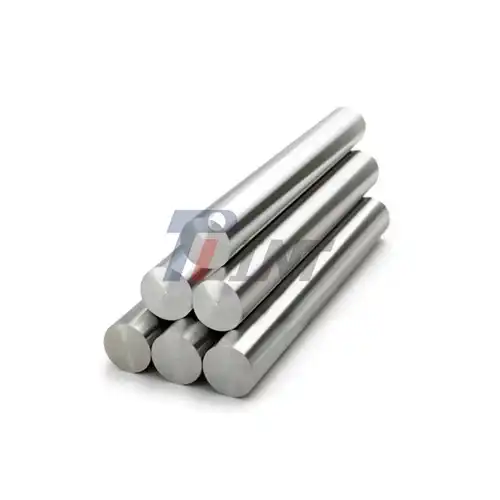
How to Choose Ti6Al4V Titanium Bar for Medical Manufacturing


 2026-09-10 08:57:14
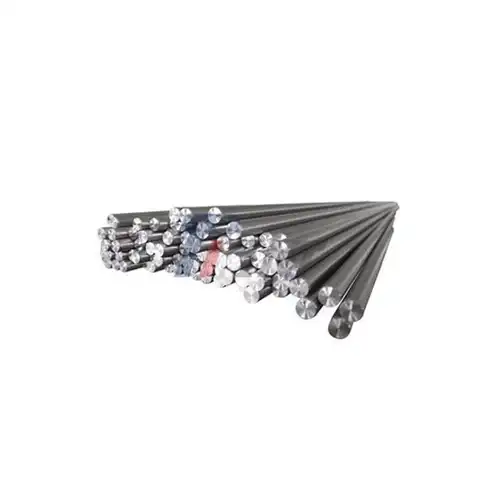
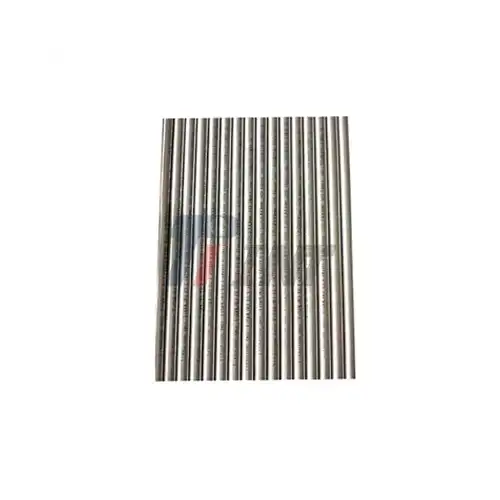
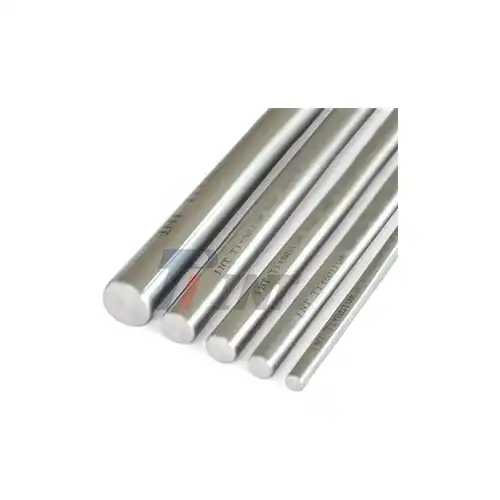
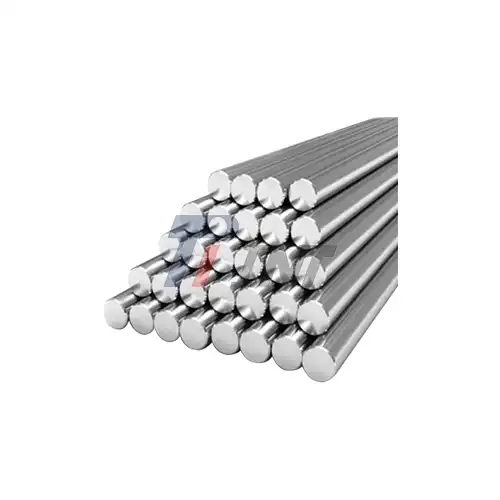
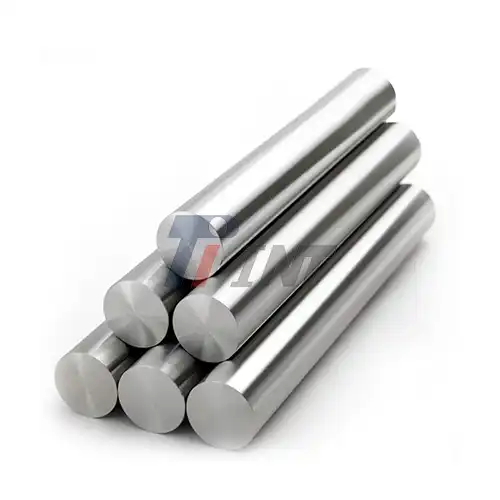
Choosing the right Ti6Al4V titanium bar for medical manufacturing requires careful evaluation of material properties, supplier certifications, and application-specific requirements. The Ti6Al4V Titanium Bar 8mm represents an optimal balance of strength, biocompatibility, and machinability for surgical instrument production.
When selecting this alloy, procurement managers should verify compliance with ASTM B348 and ISO 5832-3 standards, confirm supplier certifications including ISO13485:2016, and assess the bar's tensile strength (≥895 MPa) and corrosion resistance to ensure long-term performance in demanding medical environments.
|
|
|
Understanding Ti6Al4V Titanium Bar: Key Properties and Medical Suitability
Ti6Al4V titanium alloy, which is also called Grade 5 titanium, is made up of about 6% aluminium and 4% vanadium. This creates a two-phase microstructure that gives the alloy great mechanical performance. This mixture solves one of the most important problems in making medical devices: it needs to be able to combine being lightweight with being strong enough for surgery and being biocompatible with all living things.
Mechanical Properties That Drive Medical Applications
Because of how it is made, this alloy is essential for medical applications that need to be strong. Titanium bars are much lighter than stainless steel bars because they have a mass of only 4.43 g/cm³. They are also stronger. The minimum tensile strength is 895 MPa, and the maximum yield strength is over 825 MPa. This means that the structure stays strong even when it is under a lot of stress. Elasticity levels of at least 10% make sure that the material can be shaped and machined without breaking.
In medical settings, what really sets Ti6Al4V apart is its resistance to tiredness. During use, surgical tools and device parts are often put through many stress cycles. This alloy's ability to stop cracks from spreading under repeated loading makes sure that the device lasts a long time and keeps patients safe. The low elastic modulus of about 113 GPa is more like human bone than stainless steel. This means that it doesn't act like a stress shield, which can slow bone healing around implants.
Biocompatibility and Corrosion Resistance
Medical-grade Ti6Al4V has a stable, passive oxide layer on its surface that stops ions from getting into the tissues around it. This feature gets rid of the inflammation responses and allergic reactions that can happen with metals that contain nickel. Even in body fluids that are high in chloride, the corrosion resistance is still very high, so the structure of the implant stays strong throughout its lifetime.
The Extra Low Interstitial (ELI) form of Ti6Al4V has even less oxygen, nitrogen, and iron, which makes it more flexible and harder to break. Standard Grade 5 meets the needs of most medical instruments, but ELI specs are very important for implantable devices that need to last a long time and not crack. When properly certified, both versions meet the material requirements of the FDA and the standards of the EU Medical Device Regulation (MDR).
These features work together to solve a recurring problem in the production of surgical instruments: the need for materials that can be precisely made into complex shapes, sterilised many times without breaking down, and reliably work in a wide range of surgical specialities.
Evaluating Ti6Al4V Titanium Bar 8mm for Medical Manufacturing Applications
The 8mm diameter standard is very important in the supply lines for medical industry. This size gives the material enough volume to be forged into instrument handles, shafts, and working ends, but it's still very easy to machine with a CNC.
Dimensional Precision and Manufacturing Standards
Tight tolerances on dimensions are needed when making medical devices. When it comes to 8mm diameter bars, good quality Ti6Al4V bars usually keep their diameter limits within 0.1mm and their straightness variations below 1mm per metre. Surface finish choices, such as polished, sanded, or unique treatments, have a direct effect on how well the next steps are machined and how the final instrument looks.
Manufacturers who follow the ASTM B348 guidelines make sure that the metal's qualities stay the same along the length of the bar. This standard sets the limits for chemical makeup, mechanical property requirements, and the level of defects that are allowed. When paired with ISO 5832-3 approval for surgical implant materials, these standards allow for full transparency from the source of the raw materials to the final review.
The 8mm diameter is a good compromise between larger and smaller diameters. Larger diameters require more material and take longer to machine, while smaller diameters might not be strong enough for high-load uses. This diameter is often used as a starting point for surgical retractors, bone rongeurs, and dental implant drivers. Ti6Al4V Titanium Bar 8mm is a common choice for such applications because it offers excellent strength-to-weight ratio and corrosion resistance. The final shape is made by turning and milling the stock.
Real-World Performance in Medical Devices
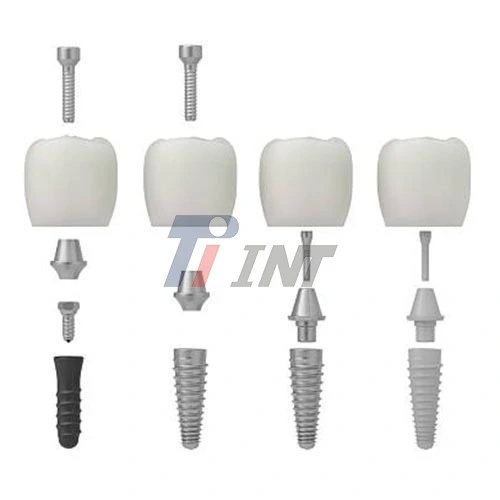
When making trauma surgery tools like bone tamps and impactors, orthopaedic instrument makers like to use 8mm titanium bars. During surgery, the material can take multiple impacts without permanently changing shape. Because titanium is good at osseointegration, dental implant makers can use this width to make unique abutments and healing caps.
Instruments used in spinal surgery have to meet very strict standards. Pedicle screw drivers and spinal spreaders need to be able to send a lot of force while keeping the tips engaged precisely. Ti6Al4V bars keep instruments from breaking during important surgical moments because they are strong and don't wear down easily. A European company that makes surgical instruments said that their spinal instrument line has had no field failures in five years since switching from 316L stainless steel bars to certified Ti6Al4V bars.
Different production needs can be met by the length choices that can be changed. Speciality instrument makers who only make a few instruments at a time can order specific lengths to cut down on waste, while high-volume manufacturers can use standard lengths to get the most out of their automated machining processes.
Comparison Guide: Ti6Al4V vs Other Materials for Medical Use
The choice of material has a huge effect on both the costs of manufacturing and the results of clinical trials. Procurement managers can make data-driven choices when they know how Ti6Al4V stacks up against other materials.
Ti6Al4V Versus 316L Stainless Steel
316L stainless steel has been used in medical manufacturing for many years because it is resistant to corrosion and doesn't cost as much. When you look at lifecycle performance, the initial price advantage becomes less important. Ti6Al4V bars are much better than stainless steel at resisting pitting rust in salty settings. This makes instruments last 40–60% longer when sterilised many times.
Differences in weight have a big effect on how surgeons work. A normal surgical retractor made of titanium weighs 45% less than one made of stainless steel. This makes it easier on the hands during long treatments. In situations like external fixation devices, where less weight lowers tissue stress and improves obedience, the patient's comfort goes up.
The magnetic properties are very different. Titanium is not magnetic, which means that implantable parts can work with MRIs and electromagnetic surgical navigation systems can't interfere with them. Because stainless steel is ferromagnetic, it can't be used in these situations.
Standard Ti6Al4V Versus ELI Grade
The Extra Low Interstitial version lowers the oxygen level from 0.20% to 0.13% at its highest point. It also lowers the iron and other interstitial elements by the same amount. This change makes the material more ductile and harder to break, but it also makes it a little weaker in the tensile test.
Most of the time, standard Grade 5 Ti6Al4V bars are enough for companies that make surgical instruments. The higher strength makes it strong enough for tough jobs like bone saws and rib spreaders. ELI specifications are only needed when the part is going to be inserted forever or when the longest possible fatigue life is needed.
The cost difference for ELI material is between 15% and 25% higher, which is mostly justified by the fact that it is used to make implants rather than instruments. For applications such as those starting from Ti6Al4V Titanium Bar 8mm, if there aren't any special performance or legal requirements that require ELI characteristics, procurement managers should indicate standard Grade 5.
Cost-Benefit Analysis for Medical Manufacturers
The initial cost of materials for Ti6Al4V bars is three to four times higher than those for stainless steel bars of the same size. This initial cost leads to a meaningful return on investment in a number of ways:
Healthcare systems save a lot of money because fewer correction surgeries are needed because implants last longer. Manufacturers of surgical instruments pass these benefits of dependability on to their customers, which boosts the reputation of the brand and keeps customers coming back. Titanium is easier to machine than hardened stainless steels, which makes manufacturing more efficient. Cutting tool life can be extended by 30%, and spinning speeds can be raised without affecting the quality of the surface finish.
Titanium's large body of biocompatibility data makes the approval process easier for regulators. The European Notified Bodies and the FDA keep a lot of reference documentation for Ti6Al4V, which could make testing new devices easier than testing new alloy compositions.
Procurement Considerations for Medical Manufacturers
To find medical-grade titanium bars, you have to carefully evaluate the suppliers you work with. Material licenses aren't enough to ensure uniform quality; buying teams also need to look at the supplier's production and quality management system as a whole.
Certification and Quality Assurance Requirements
Having ISO13485:2016 approval shows that a provider is dedicated to managing the quality of medical devices. This standard requires written procedures for tracking materials, making sure processes work, and checking for products that don't meet standards. When looking at possible titanium bar providers, get copies of their most recent certification audit reports and look over any results for corrective action.
Every shipment should come with a material test record that shows the chemical make-up using spectroscopy, the mechanical qualities using tensile testing, and how the lot can be tracked back to the original ingot. Each bar has a heat number stamped on it, which makes it possible to connect the supplied material to the mill test certificates. Reports from ultrasonic tests on bars wider than 6 mm show that the inside is sound and free of any holes or other imperfections that could damage made parts.
Suppliers with both ISO9001:2015 and ISO13485:2016 certifications show that their quality systems can be used in fields other than medicine, which is a good sign of process development. The EU CE mark on titanium bars shows that they comply with European medical device rules, which is important for companies that want to sell their products in the EU.
Evaluating Supplier Capabilities
How reliable deliveries are is directly related to how much can be made. Manufacturers of surgical instruments usually need to place restocking orders once a month with wait times of less than four weeks. If suppliers keep enough standard width bars in stock, including 8mm bars, they can fill regular orders without having to wait for production to start. Find out what the minimum order quantity is. Being able to handle orders with different specifications lowers the cost of keeping inventory on hand for small and medium-sized businesses.
Customisation options add a lot of value on top of providing commodity bars. When suppliers offer precise cutting to specific lengths, different surface treatment choices, and special packaging for delicate machining processes, they stop being just material suppliers and become real manufacturing partners. If your titanium provider knows how your production process works, they can suggest material specs that will help you get the most out of your machining.
Pricing Structures and Logistics Considerations
The price of a Ti6Al4V bar is usually based on a base price per kilogram, with changes made for diameter, length, quantity, and market conditions. Because it is used for specific things, the 8mm diameter usually gets a modest premium over more common sizes like 10mm or 12mm. When you buy more than 500 kilograms a year, you can get a volume discount, and price breaks are usually set up in 250-kilogram increments.
International logistics make things more complicated. For big orders, ocean freight is still the most cost-effective option, but the total lead time goes up to 6-8 weeks, which includes time for customs clearance. For pressing needs, air freight speeds up delivery, but it costs a lot more. When shipping items like Ti6Al4V Titanium Bar 8mm, experienced providers maintain logistics relationships that make paperwork easier and cut down on clearance delays, ensuring the material arrives in time for production scheduling.
Payment terms depend on how long the friendship has been going and how big the order is. When you place your first order, you usually have to pay in advance or send a letter of credit. Once you've placed a few orders, you can switch to net-30 or net-60 terms. Changes in the value of the dollar between placing an order and receiving it can affect the actual price. This is why bigger producers sometimes include currency hedging measures in their supply deals.
Since 2003, Baoji INT Medical Titanium Co., Ltd. has sold certified Ti6Al4V bars to medical manufacturers. The company has a lot of certifications, such as ISO13485:2016 and EU CE marking. Our factory keeps standard sizes of bars, like 8mm circle bars that meet ASTM B348 and ISO 5832-3 standards, in stock. The lengths and finishes on the bars can be changed to fit unique manufacturing needs. Every shipment comes with proof of tensile strength, full chemical analysis, and lot traceability paperwork to help our customers meet regulatory requirements. Our well-established logistics network guarantees reliable delivery times, which are necessary to keep production running smoothly.
Best Practices and Final Recommendations for Using Ti6Al4V Titanium Bars in Medical Manufacturing
Using titanium bars successfully in medical manufacturing goes beyond choosing the right material at the start. Throughout the supply chain, procurement managers and production experts should keep these important things in mind:
Practical Selection Checklist
Specifications: Check that the bar meets the requirements of ASTM B348 for general titanium goods and ISO 5832-3 for medical implant materials. For normal Grade 5, make sure the tensile strength is at least 895 MPa, the yield strength is at least 825 MPa, and the stretch is at least 10%.
Credentials of the Supplier: Ask for up-to-date ISO13485:2016 certificates and audit records. Make sure the supplier keeps written processes for tracking materials, inspecting new materials, and controlling materials that don't meet standards. Ask well-known companies that make medical devices for customer references.
Documentation Needed: Make sure that test certificates for materials list the chemical make-up, mechanical properties, history of heat treatment, and unique heat/lot numbers. Reports from ultrasonic inspections should show that bars used in critical-stress situations are structurally sound on the inside.
Application Fit: Choose the right material grade based on how it will be used. For example, normal Ti6Al4V is best for surgery tools, while ELI grade is best for implantable parts. Think about choosing the diameter based on the final shape of the part and the room for error in the machining.
Common Pitfalls to Avoid
Mis-specification risks happen when purchasing teams only look at price and don't check that the product meets all medical standards. A company that makes dental instruments had to deal with costly production delays after getting bars that were only approved to general industry standards instead of medical standards. The material passed technical tests, but it didn't have the paperwork needed to be registered with the FDA.
Supply chain weaknesses are caused by choosing vendors that you can't trust. A European company that makes surgical instruments had to stop making things for three months because their low-cost titanium supplier suddenly shut down. By building relationships with producers who can show they are financially stable and can keep up with production, you can avoid these kinds of problems.
The results of heat treatment need to be carefully thought through. Annealed titanium bars are the easiest to work with, while solution-treated and aged materials are stronger but less flexible. If you order materials that aren't in the right condition, it can slow down production or make parts less effective. Make it clear what mechanical state you want and make sure you get it by testing its hardness.
Quality Control and Traceability Protocols
When something comes in for inspection, it should be checked for conformance to dimensions, quality of the surface, and accuracy of the material certification. Random sampling for hardness testing proves the heat treatment condition, and chemical analysis of one bar per heat number matches the test reports from the supplier.
Keep detailed records that show how the heat numbers of raw materials were connected to the serial numbers of finished devices. During device investigations, regulatory authorities are asking for more and more detailed material history. These tasks can be done automatically by modern ERP systems, but smaller factories may be able to do them with strict spreadsheet management.
Supplier audits are done on a regular basis to make sure that quality management requirements are still being followed. On-site inspections are done once a year to check the effectiveness of corrective actions, production controls, and calibration programs. These audits boost trust in the supply chain and often reveal ways to make things better that are good for everyone.
By following these steps, you can consistently lower quality escapes, stay in line with regulations, and make sure that devices work the same way every time. The extra care that needs to be taken with medical-grade materials is a small price to pay compared to the costs of mistakes in the field or enforcement measures by regulators.
Conclusion
When choosing Ti6Al4V Titanium Bar 8mm for medical manufacturing, you need to think about the properties of the material, the skills of the provider, and the needs of the application. The 8mm diameter specification works well for a wide range of surgical instrument uses because it has the best strength-to-weight ratios and is easy to machine. Partnering with certified providers who follow strict quality standards, provide full traceability paperwork, and show reliable delivery performance is key to successful procurement.
Medical companies can be sure that the titanium bars they buy meet strict government standards by making sure they comply with ASTM B348 and ISO 5832-3 standards, making sure they have ISO13485:2016 certification, and putting in place strong incoming inspection protocols. The material's better biocompatibility, resistance to corrosion, and fatigue life make up for its higher cost by improving gadget function and patient results. Titanium has a history of working well in a wide range of demanding medical applications, which helps manufacturers make better orthopaedic instruments, dental parts, and specialised surgical tools.
FAQ
What makes Ti6Al4V suitable for medical implants and surgical instruments?
Ti6Al4V titanium metal is very biocompatible and has good mechanical qualities that make it perfect for medical uses. The substance creates a stable oxide layer that stops the release of ions that could cause allergic or inflammatory reactions. It is stronger than options made of stainless steel but weighs 45% less, which is better for both surgeons and patients. The low elastic modulus closely matches the properties of bone, which lowers the stress shielding effects around implants. Corrosion resistance in bodily fluids ensures long-term performance without degradation.
Can 8mm Ti6Al4V bars be customized for specific device designs?
Certified titanium suppliers offer a wide range of customisation options for 8mm bars, such as precisely cutting to desired lengths, different surface finishes (polished, sandblasted, or other specialised treatments), and flexible order quantities that can accommodate a range of needs. Customisable lengths help high-volume makers' automated processes while reducing material waste in small-batch production. The choice of surface treatment affects how well the next steps are machined and how the final product looks. This lets manufacturers make production processes work best for their needs.
How does Ti6Al4V compare to stainless steel for surgical tool manufacturing?
Even though it costs more at first, Ti6Al4V has some benefits over 316L stainless steel. Titanium is very resistant to rust, which means that instruments can be sterilised more than once and still last 40 to 60 percent longer. This lowers the cost of replacement in the long run. The 45% weight loss makes it easier for surgeons to hold instruments for long periods of time.
Titanium is not magnetic, so it can be used with MRI machines and won't interfere with electromagnetic surgical navigation systems. Better machinability makes cutting tools last about 30% longer and lets spindle speeds go faster. This makes manufacturing more efficient and makes up for the higher cost of materials through production gains.
Partner with Baoji INT Medical Titanium Co., Ltd. for Certified Ti6Al4V Titanium Bar 8mm Supply
The Baoji INT Medical Titanium Co., Ltd. has been making medical-grade titanium materials for more than twenty years. As a provider of Ti6Al4V Titanium Bar 8mm with ISO9001:2015, ISO13485:2016, and EU CE certifications, we give companies that make surgical instruments safe access to materials that meet ASTM B348 and ISO 5832-3 standards. Our inventory management system makes sure that 8mm diameter bars are always available in the lengths and finishes you need, and shipping is usually within 3–4 weeks. This helps you keep up with your production plans.
Each shipment comes with full material test certificates that show the chemical make-up, mechanical properties, and full lot traceability to help you meet regulatory requirements. We're happy to send you samples for machining tests and can give you technical advice on how to get the best material specifications for your manufacturing processes. Visit inttitanium.com or email export@tiint.com to talk about your medical titanium needs and get a full quote for Ti6Al4V Titanium Bar 8mm for sale.
References
1. ASTM International. (2021). ASTM B348-13: Standard Specification for Titanium and Titanium Alloy Bars and Billets.
2. Journal of the Mechanical Behavior of Biomedical Materials. (2019). Stress shielding effects of titanium alloys in orthopedic implants.
3. U.S. Food and Drug Administration. (2020). Use of International Standard ISO 10993-1, Biological evaluation of medical devices.
4. Materials Science and Engineering: C. (2018). Corrosion behavior of titanium alloys in simulated body fluids.
5. ASM International. (2022). Heat Treatment of Titanium and Titanium Alloys.
6. Biomaterials. (2020). Biocompatibility and osseointegration of titanium alloys for medical implants.
_1752820927376.webp)
_1750668405487.webp)