
How to choose titanium rods for bone fracture fixation


 2026-07-17 08:45:35
It takes precision and careful thought to choose the right titanium rod medical implant to fix a broken bone. Titanium rods made for medical use, such as Ti-6Al-4V ELI (Grade 23) and other highly pure grades, are made to handle important problems like biocorrosion, implant wear, and stress protection. The stiffness value of these materials is about 110 GPa, which is the same as human cortical bone. This helps them join with bone and lowers the risk of problems. For procurement workers to get the best results in orthopedic uses while keeping prices low and following the rules, they need to know a lot about the materials, the rules that must be followed, and the skills of the providers.
|
|
|
Understanding Titanium Rods in Medical Use
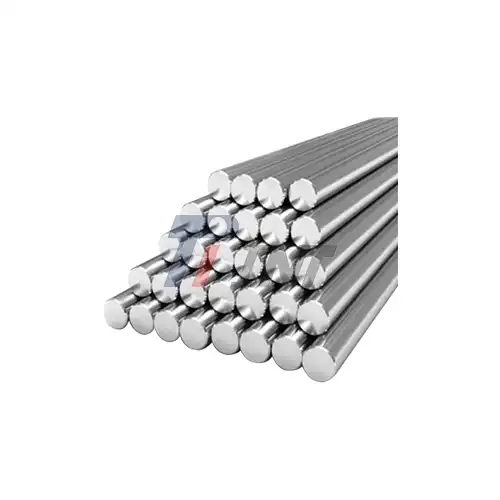
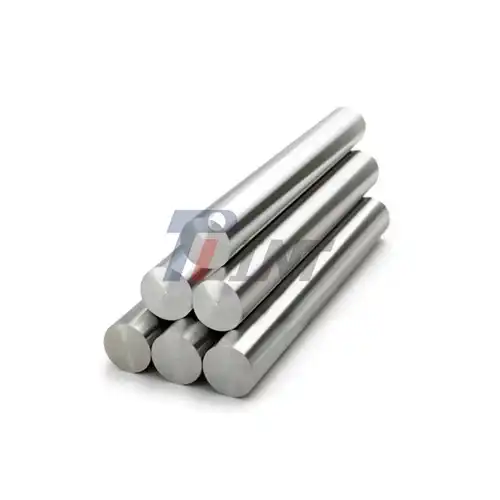
The main thing that is used to make trauma implants, spine support systems, and intramedullary nails is medical titanium rods. These pieces are different from regular industrial titanium because they are made with controlled thermomechanical processing and vacuum arc remelting to make sure they all have the same microstructure. This is important for surgery safety.
Why Titanium Dominates Orthopedic Implants?
The titanium rod medical business has grown thanks to its unique mix of biocompatibility and technical skill. Titanium forms a thick oxide layer that keeps ions from getting into the tissues around it when it is introduced. This lowers the chance of being turned down. It can be left in dangerous body conditions for a long time because of this.
Types and Grades of Medical Titanium Rods
You can get commercially pure titanium (Grades 1-4 per ASTM F67) or titanium alloys (Ti-6Al-4V ELI per ASTM F136). Both are used to make surgical implants. Pure versions sold in stores are great for forming into smaller devices, while Ti-6Al-4V ELI has a higher tensile strength (up to 860 MPa), which makes it perfect for parts that have to hold weight, like spine rods and femur stems.
Performance Advantages Over Alternative Materials
In terms of how it works physically, titanium is more like bone than stainless steel, which can bend up to 200 GPa. When implants are too stiff, they hurt the bone around them. This lowers stress shielding. A lot of people like carbon fiber materials because they are light, but titanium lasts longer and doesn't wear down after decades of use.
Core Criteria to Consider When Choosing Titanium Rods for Bone Fracture Fixation
When choosing what to buy, there are a lot of technical and legal things that need to be thought about. To protect the patient and make sure the surgery goes well, the selection process needs to find a mix between material science, making sure the product is made correctly, and following the rules.
Material Composition and Alloy Selection
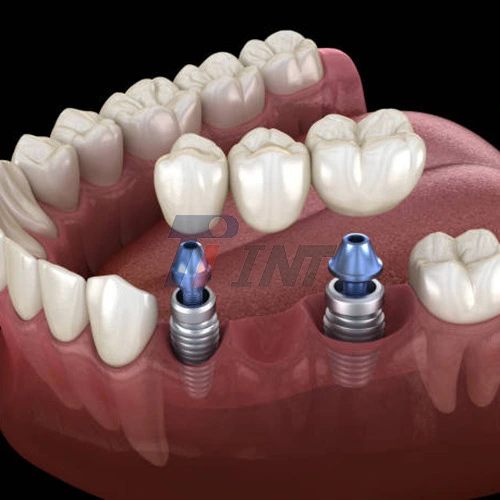
Titanium metal Ti-6Al-4V ELI is still the best choice for a titanium rod medical implant because it is strong for its weight and doesn't wear down quickly. ELI stands for "Extra Low Interstitial." This means that there is less oxygen, nitrogen, and carbon in the material. This makes it more flexible and harder to break. Pure titanium types are only used for head plates and tooth abutments that need to be friendly to the body and not be very strong.
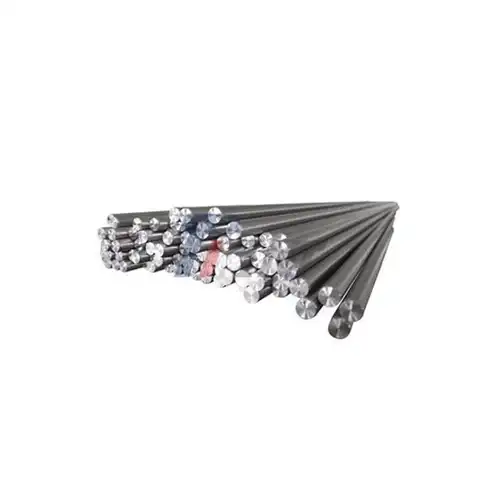
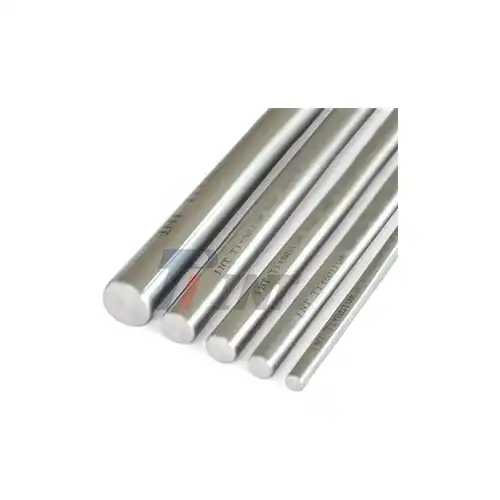
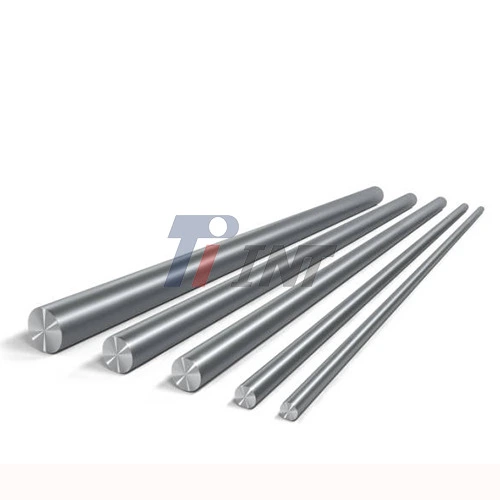
With diameters ranging from 3 mm to 100 mm, it is possible to make it fit a lot of different medical needs. For kids or methods that are a little more invasive, rods with smaller sizes work better. Rods that are bigger are better for supporting broken long bones. Being able to change the length up to six meters lets suppliers keep a steady supply on hand for mass production without throwing away any materials.
Mechanical Properties and Structural Integrity
The yield strength of Grade 5 titanium is 795 MPa. This value tells you how much force a bar can take before it changes shape forever. Tensile strength (860 MPa) tells you how much weight something can hold before it breaks. The body loads that are expected must match up with these numbers. When you go up and down stairs, for instance, more than three times your body weight acts on a hip device. This number, which for Grade 5 is about 10%, tells you how quickly the material can change shape without breaking. When doctors shape rods during surgery, this is very important. Microcracking can happen if the flexibility isn't high enough, and this can make the implant less strong over time.
Corrosion Resistance and Biocompatibility
Medical titanium plates can handle the chloride-rich environments inside the body very well. The oxide layer (TiO₂) that is not active fixes itself when it gets scratched, so it will protect the implant for as long as it is used. This stops metallosis, which is the release of dangerous ions that hurt cells and make them swell up. You can smooth, sand, or cut designs into the surface to finish it. It takes less time for the bone to fuse with the implant because the sandblasted parts have more surface area. Bacteria can't stick to smooth surfaces as well, so people who are more likely to get sick are less likely to get sick.
Regulatory Compliance and Certification Standards
By making sure that sources are certified to ISO 13485:2016, you can be sure that they use quality control methods that are designed to work with medical products. If a company gets ISO 9001:2015 approval, it means that they have better quality controls. The medical device meets the requirements of the European Medical Device Regulation (MDR 2017/745) if it has the CE mark. It also meets the requirements of U.S. law if it has the FDA mark. Documentation must be able to be tracked. Material test results for each batch should show that it has the right chemical make-up, mechanical properties, and no impurities that aren't allowed. Heat lot numbers make it possible to keep track of everything from getting the raw materials to closing them off. This is necessary to handle refunds and spying after the item has been sold.
Comparing Titanium Rods with Other Implant Materials
If buying teams know how titanium rod medical goods compare to other materials, they can better explain why they are making investment decisions and what the benefits are for everyone.
Titanium Versus Stainless Steel Implants
In the lab, stainless steel (316L grade) isn't always easy to work with because it costs more. It is stronger against stress because it is harder, which could lead to bone loss around implants. About 10 to 15 percent of people are allergic to the nickel in stainless steel. This problem is solved because titanium doesn't have any nickel in it. Additionally, titanium is better at working with MRI scans. Stainless steel leaves behind big marks that hide the tissues close. Tin, on the other hand, is not magnetic, which makes pictures clearer after surgery. To keep an eye on how well the treatment is going and find problems early, this skill is very important.
Weight and Patient Comfort Considerations
Steel is about 8.0 g/cm³ dense, while titanium is about half that. This weight loss is good for patients because it makes devices smaller. This is especially important for spine designs with lots of plates and links. Patients can move around more easily while they heal with implants that are lighter. This also keeps the muscles around the implant places from getting tired.
Long-Term Cost-Benefit Analysis
Most of the time, titanium rods are 30–50% more expensive than stainless steel rods of the same length. However, the total cost of ownership numbers paint a different picture. The healthcare system saves money when patients don't need to have surgeries as often, infections are less common, and patients get better results. When you buy a lot, talking to trusted sellers about big discounts can help close the gap in the first cost while still maintaining quality standards.
How to Source and Procure High-Quality Titanium Rods for Medical Use?
Checking out sources, making sure that technical requirements are met, and handling ties with suppliers are all good ways to make sure that you always have access to legal materials.
Evaluating Supplier Credentials and Experience
When a seller has been in the medical titanium market for a long time, it means they have stable quality methods and a lot of experience. Companies that have been around for more than 20 years usually have good supply chain management and well-tuned ways of making things. Baoji INT Medical Titanium Co., Ltd. has been in business since 2003 and has 30 years of knowledge in this field thanks to its founder. If you want to see what tools a seller has, you can go to their office or look at their website. Advanced vacuum arc remelting ovens, precise CNC machining centers, and non-destructive testing gear are just a few of the high-tech tools that show how far technology has come. Quality control labs should do spectrographic analysis, mechanical testing, and microstructural study on each lot of products that are made.
Standard Specifications Versus Custom Requirements
Most surgeries can be done quickly, cheaply, and with shorter wait times with standard rod specs. However, custom production is needed for uses that need odd sizes, special surface treatments, or features like threaded ends that are built in. When you ask for customization, you should send detailed technical models with size limits, standards for surface finish (Ra values), and directions for what to do after the customization is done. When people can talk to each other clearly, they can avoid repairs that aren't needed and save a lot of money. They can also make sure that inspection samples of the first item meet standards before regular production starts.
Pricing Structures and Lead Time Management
Prices for titanium rod medical rods vary on the type of metal, how thick they are, how long they are, and how many are bought. The raw ingredients for Ti-6Al-4V ELI are more expensive, and there are stricter rules for making them. This means that it generally costs more than commonly pure types. For sales over 100 kilos, there are often tiered discounts. This helps people who make a lot of things save money. Lead times depend on how easy it is to create and how much material is available. They can be anywhere from four to twelve weeks. Making deals with dependable suppliers to handle your goods can help protect you from changes in demand and lower the chance of running out of stock when you're making a lot of things at once.
Building Strategic Supplier Partnerships
When you work with medical titanium providers for a long time, you get more than just lower prices. When there aren't enough materials, preferred buyers get to go first. They can also get expert help making products and work with others to fix quality issues. Everyone stays on the same page about quality standards and delivery claims when sources are audited once a year, performance scorecards are used, and you talk to them often.
Real-World Applications and Case Studies of Titanium Rods in Bone Fracture Fixation
Titanium rod medical uses are used in a variety of physical areas, according to clinical evidence and customer reviews, which supports the material choice.
Intramedullary Nailing in Long-Bone Fractures
Titanium intramedullary nails are rods that are put into the medullary tube of the bone to fix broken pieces. They are often used to fix broken tibial and femoral shafts. Since titanium is very hard to wear down, it can take millions of firing rounds before it needs to be replaced. This process usually takes 12 to 16 weeks. In tests done in real life, more than 95% of titanium nails joined together, but only 85-70% of stainless steel nails did the same.
Spinal Fixation System Components
Tiny titanium plates connect pedicle screws in different parts of the spine during posterior spinal fusion procedures. During surgery, these rods are bent to fit the curve of the patient's spine. This needs a material that can bend, which Ti-6Al-4V ELI has. Because titanium plates are stiffer than spine bone, they encourage sharing of load instead of defense. This helps bones heal properly after fusion.
Procurement Lessons from Established Medical Device Manufacturers
A medium-sized medical device company worked with a licensed titanium source to make changes to the surface of titanium that help bone and tissue bond together. Before the field studies, they worked together early in the research and development (R&D) phase to improve the material specs. This cut the time it took for regulatory approval by six months. For more than just getting basic supplies, this case shows how important it is to get skilled help from a source. After having trouble getting titanium plates during global health events, another buying team found two different ways to get them. It was possible to keep making things without dropping quality standards by finding a second source with the same approvals. It was easy to switch sources because both of them were approved by ISO 13485 and gave the same material test records.
Conclusion
You need to think about the rules, the cost, the science behind the materials, and your trust in the service before you choose titanium plates to fix a broken bone. Ti-6Al-4V ELI titanium alloy is the best for high-stress orthopedic uses because it is biocompatible and has the best tensile properties. For certain needs, there are also commercially pure types that can be used. The people who work in buying need to make sure that sellers have the right licenses, test their technical know-how, and build ties with them that will help the supply chain stay stable over time. People who make medical devices and healthcare facilities can use the tips in this guide to get high-quality titanium rod medical goods that put patient safety and clinical success first.
FAQ
Q1: Why are titanium rods superior for bone fracture fixation?
A: Titanium bars are safe, don't rust, and are pretty much the same in terms of how they work as bone. The material is not as flexible as stainless steel, which means it will not protect against stress as well and will help bone grow more properly around implants. Its non-ferromagnetic trait lets you see clearly after surgery, and the solid oxide layer keeps harmful ions from leaking out even after decades of use.
Q2: How can I verify medical-grade certifications from suppliers?
A: Get copies of the ISO 13485:2016 and ISO 9001:2015 certificates that the service providers offer, and make sure they come from the right certification groups. The certificate's end date and area of coverage should be checked to make sure that making medical devices is covered. Every time you place an order, make sure you get a material test record that shows how the material was made chemically and how well it meets ASTM F136 or ASTM F67 standards for metal qualities.
Q3: Can titanium rods be customized for specific surgical applications?
A: You can change the length (up to six meters), the width (3mm to 100mm), the surface finish (polished, smoothed, or machined), and add special steps that help the bone fit together. You need to send full technical models and standard papers when you ask for custom making. Depending on how many sales there are, lead times for difficult things can be two to four weeks longer than lead times for regular goods.
Partner with Baoji INT Medical Titanium for Certified Implant Materials
For more than 30 years, Baoji INT Medical Titanium Co., Ltd. has been making medical-grade titanium bars that meet the requirements of ISO 9001:2015, ISO 13485:2016, and CE. Pure titanium, Ti-6Al-4V ELI titanium alloys, and custom-made bars that can be 3 mm to 100 mm thick and up to 6 m long are some of the many things we sell. Our titanium rod medical manufacturer has a lot of experience. We help R&D teams, OEM clients, and buying managers by giving them expert advice, paperwork for tracking materials, and a lot of ways to make the rods unique. Every batch goes through strict quality checks to make sure it meets the high standards for biocompatibility, tensile strength (860 MPa for Grade 5), and rust resistance that are needed to fix fractures. Talk about the specifics of your project with export@tiint.com to get access to a reliable source that has a track record of making great things.
References
1. American Society for Testing and Materials. (2021). ASTM F136-13: Standard Specification for Wrought Titanium-6Aluminum-4Vanadium ELI (Extra Low Interstitial) Alloy for Surgical Implant Applications.
2. Geetha, M., Singh, A.K., Asokamani, R., & Gogia, A.K. (2009). Ti based biomaterials, the ultimate choice for orthopaedic implants – A review. Progress in Materials Science, 54(3), 397-425.
3. International Organization for Standardization. (2016). ISO 13485:2016 Medical devices — Quality management systems — Requirements for regulatory purposes.
4. Long, M., & Rack, H.J. (1998). Titanium alloys in total joint replacement—a materials science perspective. Biomaterials, 19(18), 1621-1639.
5. Niinomi, M. (2008). Mechanical biocompatibilities of titanium alloys for biomedical applications. Journal of the Mechanical Behavior of Biomedical Materials, 1(1), 30-42.
6. Ryan, G., Pandit, A., & Apatsidis, D.P. (2006). Fabrication methods of porous metals for use in orthopaedic applications. Biomaterials, 27(13), 2651-2670.
_1755495780573.jpg)
_1752821449466.webp)
_1751955824855.webp)
_1750923514395.webp)