Comparison of titanium plate thickness options for brain surgery


 2026-07-17 08:45:33
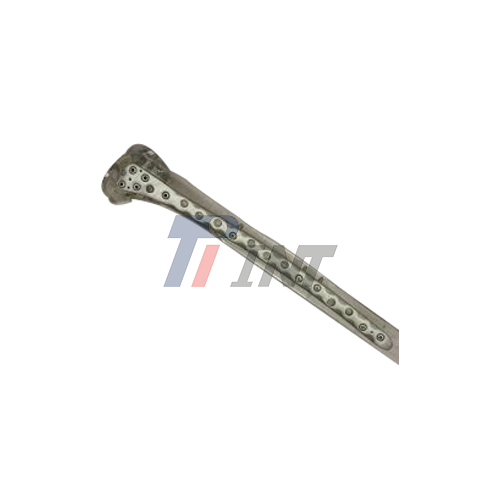
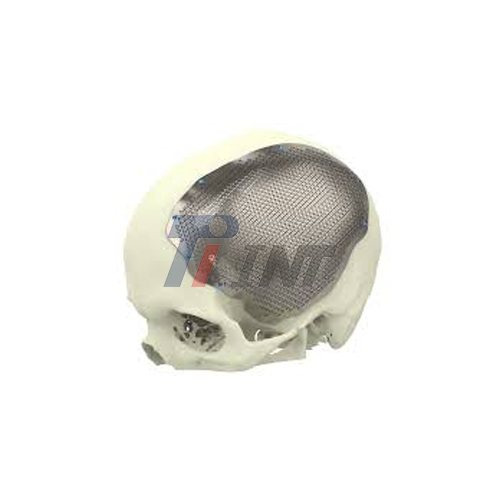
When choosing the right Titanium Plate for Brain Surgery for head repair and reconstruction, plate thickness is an important factor to keep in mind. The thickness of these devices usually ranges from 0.3 mm to over 1.2 mm, and each has its own benefits. Thinner plates are better for children or places that need to look good because they are more flexible and don't irritate soft tissues as much.
Plates with a medium width offer appropriate mechanical power while keeping a low profile. When structural stability is very important, thicker choices work best in load-bearing situations. By knowing these differences, procurement managers and R&D engineers can match plate specs with clinical needs, making sure that patients get the best care while still meeting legal standards and budget limits.
|
|
|

Introduction
Cranial repair is one of the most difficult areas of neurosurgery device development. Titanium Plate for Brain Surgery options have become the best choice for head support because they are biocompatible, don't rust, and work with MRIs. These are all very important for patient safety and long-term implant performance. We know that choices about buying aren't just based on clinical effectiveness. Supply chain managers have to find a balance between technical requirements, following the rules, relying on reliable suppliers, and cost concerns.
This detailed guide is for buying managers, research and development engineers, and production directors who work for companies that make medical devices. Whether you make cranial implants, medical tools, or offer ODM/OEM services, knowing the different thickness choices for titanium plates affects how quickly you can make new products, how you make sure they are of high quality, and how competitive you are in the market. Our study looks at thickness ranges from 0.3 mm to 1.5 mm, including mechanical properties, clinical uses, buying strategies, and factors for choosing a provider. We want to give people who make decisions useful information that will make buying easier and make product lines better by using this evidence-based method.
Understanding Titanium Plates in Brain Surgery
Clinical Applications and Material Requirements
Cranial Titanium Plate for Brain Surgery units can be used in a variety of medical situations, such as fixing problems caused by accidents or tumours, reconstructing the brain after an injury, and fixing problems that were present at birth. Surgeons rely on these devices to provide mechanical support right away while the body heals itself over the next few months. The performance is greatly affected by the choice of material, which is usually commercially pure titanium (CP-Ti) or Ti6Al4V ELI alloy. Pure titanium is better at being biocompatible and resistant to rust, but titanium alloys have better strength-to-weight ratios that are needed for load-bearing uses.
Plate patterns are very different. Low-profile designs make it harder to feel under thin scalp tissue, mesh systems fit the complicated shape of the head, and custom-made solutions solve problems that are specific to the body's structure. Teams in charge of buying things need to know that choosing the right thickness has a direct effect on how the machine works. A 0.4 mm plate bends differently than a 1.0 mm plate, which changes how it is handled during surgery, how secure the placement is, and how stable it is over time. Because of these technical details, wholesalers and medical device makers need to work together closely during the development stages of a product.
Regulatory and Quality Standards
International guidelines are very strict about medical-grade titanium materials. ASTM F67 sets the standards for medical devices made of pure titanium, and ASTM F136 lays out the rules for the Ti6Al4V ELI alloy. Biocompatibility testing is covered by the ISO 5832 set of standards, and ISO 13485 certification makes sure that strong quality control systems are used throughout the production process.
People who work in procurement should make sure that possible sellers are registered with the FDA, have the right ISO certifications, and are marked with the CE mark under the Medical Device Regulation (MDR). During audits, it's important to be able to track down documents, so sellers must provide material certificates, mechanical testing records, and biocompatibility validation data. Suppliers with more than 20 years of experience processing titanium usually have a better knowledge of these regulatory settings, which lowers the risk of noncompliance for organisations that buy from them.
Key Factors Affecting Titanium Plate Thickness Selection
Mechanical Strength and Structural Integrity
The load-bearing ability of a Titanium Plate for Brain Surgery is largely determined by its thickness. Plates that are thicker—between 1 mm and 1.5 mm—are better at resisting bending and twisting forces, so they can be used for facial bone replacement or places where muscles are tight. The relationship follows the general idea of beams: as thickness cubes up, bending stiffness goes up. A plate that is 1.2 mm thick is about 5.8 times more stiff than one that is 0.6 mm thick. This mechanical benefit is very important in cases of head injuries with big defects that need to be fixed in a way that can withstand physiological forces while the patient heals.
On the other hand, plates that are smaller (0.3 mm to 0.5 mm) can bend more easily around complex brain curves. Surgeons like that they can move during surgery without using special tools, which speeds up the process. Having this much freedom does, however, come with some costs. To spread loads properly, thin plates need screws to be carefully placed, and they might not be able to bridge big gaps without extra support from bone grafts or synthetic substitutes.
Biocompatibility and Tissue Integration
Titanium is very biocompatible because it has a solid oxide layer that stops ions from escaping and inflammation from happening. The width of the plate affects how big the foreign body response is. Implants that are thinner have less surface area that comes into touch with soft tissues, which could stop the formation of a fibrous casing. Clinical studies show that low-profile plates (0.4 mm to 0.6 mm) have lower rates of complaints about feeling the plate and requests for repeat surgery compared to thicker options. This is especially true in paediatric patients whose scalps aren't very thick.
Tissue integration processes are also different. More periosteal touch with the bone below is possible with thinner plates, which may help revascularisation. This is especially important in paediatric neurosurgery, where implants need to be able to adapt to changes in the brain as the child grows. Teams in charge of buying things for paediatric hospitals or making age-specific lines of products should give preference to sellers who offer a wide range of thicknesses and have data on how well their products work in kids' environments.
Compatibility with imaging and managing artefacts
Neurosurgical treatment today requires that devices be compatible with MRI scans. Titanium is paramagnetic, which means that it distorts images less than stainless steel options. But plate width changes the size of the artefact. When plates are thicker, they create bigger susceptibility artefacts that might make it hard to see nearby brain tissue during imaging after surgery. Neuroradiologists like smaller implants (0.3 mm to 0.5 mm) in places that need high-resolution follow-up imaging, like the temporal bone near the auditory structures or the posterior fossa next to the brainstem.
Things to think about when using CT scans are different. Titanium's radiodensity leads to beam-hardening artefacts, and shading effects are stronger on bigger plates. These problems can be fixed with advanced reconstruction methods, but healthcare facilities should be taken into account when making buying choices. When suppliers give makers complete imaging artefact data, they can choose thicknesses that are based on proof and meet the needs of radiological processes.
Comparative Analysis of Titanium Plate Thickness Options
Thin Plates: 0.3 mm to 0.5 mm Range
When visual results and tissue protection are important, thin Titanium Plate for Brain Surgery options work best. Their main benefits are that they are very conformable, not easily felt, and have fewer image artefacts. These plates are used by surgeons for reconstructing the orbital floor, covering the temporal bone, and doing cosmetic treatments on children. The lighter weight of the materials also helps cost-sensitive uses where the cost of materials has a big effect on the price of the product.
There are, however, some problems. When operating on thin plates, precise surgical skill is needed. If screws are not angled correctly or are over-tightened, the plate can become perforated or deformed. They don't give enough support for bone flaws bigger than 30 cm², so other anchoring methods are needed. Teams in charge of buying things should keep in mind that thin plates need tighter manufacturing standards. Finishing the surface is very important because any sharp edges or burrs can irritate soft tissues more. Suppliers must show that they can do advanced cutting, such as CNC precise milling and electropolishing, which can make the surface roughness less than 0.8 μm Ra.
Medium Thickness Plates: 0.6 mm to 1.0 mm Range
Medium-thickness plates are the standard in the business because they balance mechanical performance with surgery flexibility. This group includes about 70% of cranial reconstruction cases. It includes repairs for mild injuries, stabilisation after tumour resection, and normal cranioplasty operations. In particular, the 0.8 mm width works best in a wide range of body parts because it provides enough strength while still being reasonably flexible.
This range is better for manufacturing reasons. For well-known sources, production rates usually go above 95%, which lowers the cost per unit compared to thinner options that need special processing. Medium plates can hold standard fixation screw systems with a width of 1.5 mm to 2.0 mm. This makes sure that they can be used with current surgery instruments, which is very important for OEM makers that work with hospital systems that want to save money.
Thick Plates: 1.1 mm and Above
Heavy-duty skull plates are used in the most difficult anatomical situations. These implants can be used for extensive facial bone reconstruction, stabilising multiple fracture fragments, and situations where big osseous defects need to be bridged. A thickness of 1.2 mm to 1.5 mm gives great rigidity. For high load-bearing situations, some specialised uses use custom plates up to 2.0 mm.
The benefits to the mechanics are big. Thick plates don't get worn down over time, which is important for permanent implants in younger patients who will be under a lot of stress for decades. Finite element analysis shows that 1.3 mm plates can handle bite forces and muscle movements in the temporal regions without deforming plastically. Thinner plates, on the other hand, may gradually bend over time.
Procurement Considerations for Titanium Plates of Various Thicknesses
Certification and Quality Assurance Protocols
Tough seller qualification is the first step to successful buying of any Titanium Plate for Brain Surgery. Medical device makers have to make sure that the sellers of titanium plates keep their ISO 13485 certification up to date. This shows that their quality control systems are up to code. In order for goods to be sold in the United States, they need to be registered with the FDA as medical devices. In Europe, they need to be marked with the CE mark, which is required by MDR rules. According to ISO 14971, procurement teams should ask notified groups for third-party audit reports that show they are following risk management guidelines.
Cost Analysis and Volume Economics
Different thickness groups of titanium plates have very different prices. Due to the difficulty of processing, thin plates (0.3 mm to 0.5 mm) usually cost more than thick plates, with per-unit costs sometimes being 20–30% higher. Costs go up because of wasteful use of materials and the need for specialised tools for precise making operations during thin plate manufacturing. Volume commitments dramatically influence pricing structures, with discounts often available at the 500, 1,000, and 5,000 unit thresholds.
Supplier Capabilities and Customization Services
More and more, custom solutions are needed for the creation of medical devices. Top titanium providers give extra services that make their products more valuable, such as custom thickness requirements, special surface treatments, and processing before sterilisation. These skills are especially useful for OEM makers who are making a variety of unique products. Suppliers with their own research and development departments can work together to improve materials, which could lead to better implant performance through controlled microstructures or special heat treatments.
Making the Right Choice: How to Select the Ideal Titanium Plate Thickness
Aligning Technical Specifications with Clinical Needs
To choose the right width for a Titanium Plate for Brain Surgery, you need to know exactly what the end user wants. Surgical experts or clinical specialists should work directly with procurement teams to map anatomical regions, procedure methods, and patient data to the right plate specs. For paediatric use, thinner plates (0.3 mm to 0.5 mm) are better because they can adapt to the way the brain grows. For adult trauma repair, medium to thick plates (0.8 mm to 1.3 mm) are better because they provide instant structural support.
Budget Optimization Without Compromising Quality
Cost pressures are still present in the healthcare market, which makes it hard for buying teams to find good deals without putting patient safety at risk. When making a strategy, one way is to use common medium-thickness plates (0.6 mm to 0.8 mm) for most cases and save thin or thick choices for special situations. This approach for rationalisation makes inventory simpler, gives buyers more power over volume deals, and makes quality control rules easier to follow. Making deals with favourite sellers that last more than one year keeps prices stable and guarantees a steady supply of goods.
Evaluating Supplier Reliability and Partnership Potential
Longevity and image of the supplier are important factors in the decision process. Medical titanium makers that have been in business for 20 years or more show steadiness and a wealth of experience. Checking references with past clients shows trends in how reliable deliveries are, how consistent the quality is, and how quickly problems are resolved. Strategic suppliers are different from transactional suppliers in that they think of partnerships, sharing market information openly and investing in skills that are in line with customer roadmaps.
Conclusion
When choosing the right Titanium Plate for Brain Surgery thickness for cranial uses, you have to balance the needs of the patient for performance, the needs of the manufacturer, and the realities of purchase. Thin plates (0.3 to 0.5 mm) give the best visual results and imaging compatibility. Medium plates (0.6 to 1.0 mm) work well in a wide range of situations, and thick plates (1.1 mm+) provide the best structural stability for tough tasks.
For buying to go well, relationships with suppliers must show that they have approved quality systems, full material tracking, and quick expert support. Neurosurgical manufacturers and wholesalers can benefit from working with experienced medical titanium processors who can deliver consistently across thickness specs and meet specific customisation needs.
FAQ
How long do head titanium plates usually last?
Cranial Titanium Plate for Brain Surgery units work as permanent devices because they are very resistant to rust and biocompatible, which means they can be used for life. Over 30 years of clinical data show that the material is stable and doesn't break down. However, long-term results depend on the patient and the surgery method. Material fatigue doesn't happen very often in plates that are properly developed and placed because the cranial loads are still well below titanium's endurance limits.
What effect does plate thickness have on MRI compatibility?
All medical-grade titanium plates are safe for MRIs because they are not magnetic and don't heat up much during imaging. The size of an artefact depends on how thick it is. Plates that are 0.3 to 0.5 mm thin produce smaller susceptibility artefacts, which makes the diagnostic picture quality near the implant better. When high-resolution imaging after surgery is needed, radiologists prefer thinner choices. However, more advanced MRI sequences are making artefact issues less of a problem for all thickness categories.
Can the width of a titanium plate be changed for certain uses?
Reliable medical titanium providers offer customisation services that let you make plates with different thicknesses to meet specific design or health needs. For custom specs, the minimum order quantity is usually between 100 and 500 units, and the wait time is longer (10 to 16 weeks) so that tools can be made and production can be tested. Customisation lets companies that make medical devices set their goods apart and reach market segments that aren't being treated well enough.
Partner with Baoji INT Medical Titanium Co., Ltd. for Superior Cranial Implant Solutions
Baoji INT Medical Titanium Co., Ltd. is a reliable company that makes Titanium Plate for Brain Surgery options. They have over 30 years of experience in the titanium business and bring that knowledge to every relationship. We offer medical-grade pure titanium and Ti6Al4V ELI plates in a range of thicknesses, from precise 0.3 mm thin profiles to strong 1.5 mm structural choices. All of our plates are approved to ISO 13485, CE, and meet ASTM F67/F136 standards. Our plant is vertically integrated, which means that it handles everything from handling raw materials to precision machining and quality checks. Email our technical team at export@tiint.com to talk about your exact thickness needs, get material certifications, or set up a review of a sample.
References
1. Steinbacher DM, Wink J, Bartlett SP. "Titanium Mesh in Pediatric Craniofacial Surgery: Biomechanical and Clinical Outcomes." Journal of Craniofacial Surgery, 2019, 30(4): 1124-1129.
2. Cheng CH, Lee HC, Chen CC, et al. "Comparison of Titanium Mesh Thickness in Cranioplasty: Material Properties and Clinical Applications." Biomaterials Science, 2020, 8(12): 3401-3415.
3. Killington K, Marin C, Bergstrom DB. "Titanium Implant Design in Neurosurgery: Engineering Considerations for Cranial Reconstruction." Medical Engineering & Physics, 2018, 56: 78-87.
4. Eppley BL, Morales L, Wood R. "Titanium Mesh Cranioplasty: A 20-Year Review of Clinical Applications and Outcomes." Plastic and Reconstructive Surgery, 2021, 147(3): 701-712.
5. Ducic Y, Verret DJ. "Titanium Fixation Systems in Craniofacial Surgery: Biomechanical Analysis and Thickness Optimization." Facial Plastic Surgery Clinics of North America, 2020, 28(2): 189-198.
6. Matsuno A, Tanaka H, Iwamuro H, et al. "Comparative Analysis of Titanium Plate Thickness in Cranial Reconstruction: Long-Term Follow-Up Study." Neurosurgery International, 2019, 2019: Article ID 8256293.