
How to identify titanium plate implants with enhanced corrosion resistance features


 2026-07-08 09:13:02
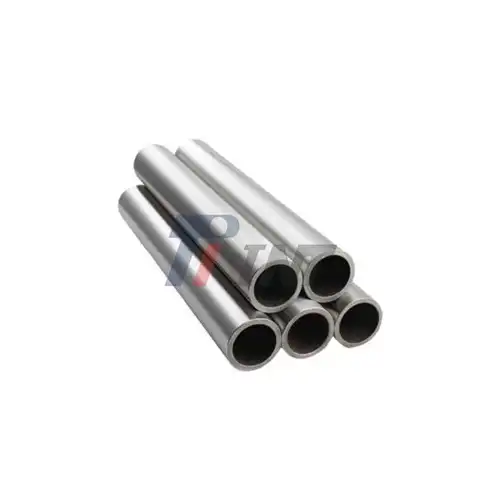
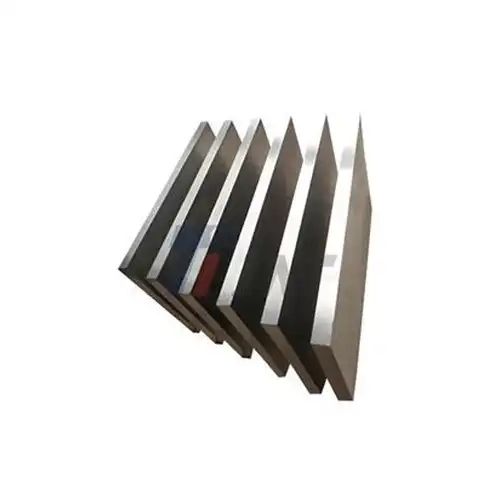
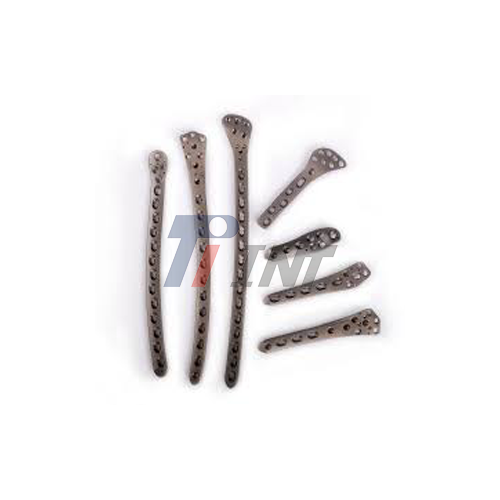
To find a titanium plate implant that is very resistant to corrosion, you should first check the material grade and approval qualifications. Medical-grade implants, especially those made from Grade 7 or Ti-6Al-4V ELI alloys, have palladium or higher purity levels that make strong inactive oxide layers. Professionals in charge of buying things should demand a lot of paperwork, such as ASTM B265 compliance, ISO 13485 certification, and rust testing results from a third party. In today's competitive medical device market, these signs, along with suppliers' openness about surface treatments and manufacturing methods, make it possible to tell high-performance corrosion-resistant implants apart from normal ones.
|
|
|
Introduction
One thing that sets excellent titanium plate implants apart from just good ones is their resistance to corrosion. We know that buying managers, R&D engineers, and supply chain leaders are under a lot of pressure to find materials that meet strict regulatory standards and have a long clinical life. This guide answers a basic question: how can you be sure that implants have been designed to be more resistant to rust in a market full of claims that say the opposite?
The human body is an especially hostile place to be. Body fluids have proteins, chloride ions, and different pH levels that are always trying to stick to implant surfaces. If a titanium plate implant doesn't have enough rust protection, it could break down too quickly, which could hurt patients and lead to expensive recalls. In response, regulatory bodies around the world have made biocompatibility standards stricter. This means that checking for corrosion resistance is now an important part of the buying process, not a choice.
We've worked in the medical device business for decades and seen how decisions about buying directly affect how products stand out and how well they do in the market. This complete guide gives B2B decision-makers useful ways to find things, technical information about the qualities of materials, comparison tools, and useful buying strategies. Understanding the basics of corrosion resistance helps you make better strategic buying choices that balance quality, compliance, and business success, whether you're looking at possible sources or fine-tuning technical specs.
Understanding the Corrosion Resistance Challenge in Titanium Plate Implants
Why Corrosion Resistance Matters in Medical Applications
Corrosion resistance tells you how well an implant can keep its shape and surface stability when it's in natural settings. In contrast to factories, the human body stays at 37°C and has high levels of electrolytes that help electrical processes happen. When titanium surfaces degrade, they release metal ions into the tissues around them. This could cause inflammation or the implant to come free. Manufacturers of medical devices know that even very small surface damage can affect osseointegration, which is the molecular bonding between an implant and bone tissue that is important for dentistry and orthopedic uses.
Environmental and Biological Corrosion Factors
There are several ways that rusting can happen in an implant setting. Blood plasma has about 150 mmol/L of chloride ions, which can pass through protective oxide films and start localized pitting. When proteins stick to the surfaces of implants, they make differential aeration cells that speed up crevice rust where the plate meets the bone.
Surgical site diseases bring in bacteria that make organic acids, which lowers the pH levels in the area and makes it harder for the passive layer to stay stable. We've seen how these biological factors can change without warning. This is why rust testing in the lab is necessary but not enough without proof in the real world.
Internal Material Factors Affecting Corrosion Resistance
Besides the outside factors, the internal properties of the material also have a big effect on how it corrodes. The amount of impurities, especially iron and carbon, creates galvanic pairs inside the titanium matrix that act as ideal places for rusting. The methods used in manufacturing leave behind stresses and dirt on the surface that weaken the protective oxide layer.
Whether corrosion spreads between grains or stays in one place depends on the makeup of the grain boundaries and the consistency of the microstructure. These mechanical factors are helpful for procurement professionals to understand because they show why certification paperwork and clear manufacturing practices are important for more than just checking off compliance boxes.
Core Material Properties that Enhance Corrosion Resistance
Titanium Grades and Alloy Composition
Corrosion protection starts with the choice of materials. Commercially pure titanium types (1-4) have an inactive layer of TiO₂ that forms naturally and protects against corrosion very well. Grade 7, which has been strengthened with 0.1 to 0.25% palladium, is very resistant to reducing acids and fissure rust. This makes it a great choice for implants that are exposed to conditions that cause inflammation.
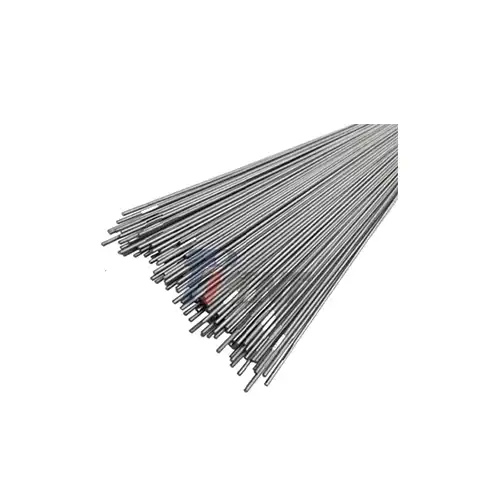
The Ti-6Al-4V ELI (Extra Low Interstitial) metal is stronger than pure titanium and doesn't rust because the amounts of interstitial elements are carefully controlled. The aluminum part keeps the alpha phase stable, which helps keep the oxide film intact. The vanadium additions make the material stronger without changing how it corrodes too much.
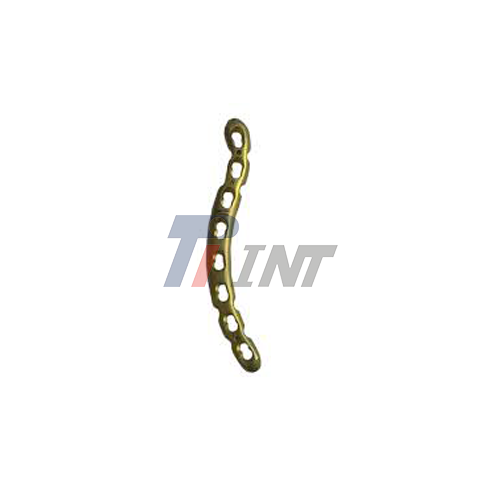
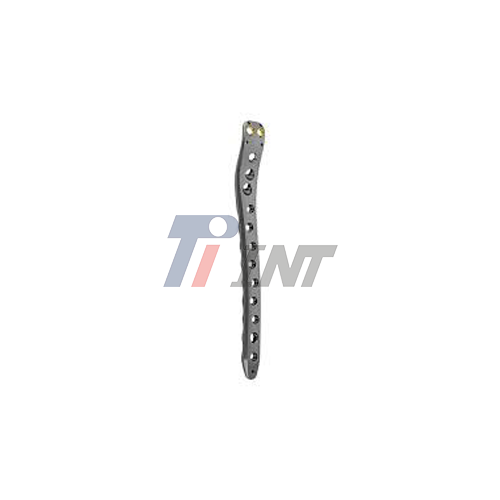
To choose between these grades, you need to know what the application needs. When spinal plates are under a lot of mechanical stress, they usually use Ti-6Al-4V ELI, which means they have slightly less rust protection but are stronger because they need to be. titanium plate implant selection further refines this choice, as the grade must also align with the implant’s location and biological environment. Even though it costs more, Grade 7 material is often chosen for craniofacial repair plates because they are subject to lower stresses but could be exposed to harsh inflammatory conditions. We've seen how strategic buying is different from commodity purchasing when it comes to matching the qualities of materials to healthcare needs.
Advanced Surface Treatment Technologies
Surface engineering greatly improves rust protection beyond what the base material can do. These tried-and-true methods for changing the surface of medical titanium are used by the industry:
- Anodizing processes: Electrochemical oxidation makes the natural oxide layer thicker, from nanometers to several microns. This makes the shield defense stronger. Type II anodizing makes colored surfaces that look nice, and Type III anodizing makes coats that are harder and stronger. The end oxide layer and porosity are determined by the controlled voltage application. These factors affect both the resistance to corrosion and the reaction of cells.
- Passivation treatments: Soaking something in nitric acid solutions gets rid of surface dirt and iron that isn't bound to anything, which helps a uniform passive film form. ASTM F86 guidelines are used for medical-grade passivation, which makes sure that surfaces meet very high standards for cleanliness. This low-cost process makes corrosion protection much better with only minor changes to the size of the material.
- Physical vapor deposition (PVD): Using physical vapor deposition (PVD) to apply titanium nitride or similar ceramic layers makes objects very hard and chemically inert. These coats work great in situations where both wear resistance and rust protection are needed, but they come with extra rules for regulatory approval.
The qualities of the base material and these surface processes work well together. A passivated Grade 7 plate has two layers of protection: the palladium-enhanced matrix stops localized attacks, and the optimized oxide layer adds another layer of defense. Instead of thinking that manufacturers will do a good job, procurement specs should spell out exactly what surface treatment is needed.
Manufacturing Process Influence on Microstructure
Microstructural control in the way things are made has a direct effect on how resistant they are to rust. Hot forging methods smooth out grain structures, getting rid of casting flaws and making the qualities of the material more uniform. Controlled cooling rates after casting decide how the alpha-beta phase is distributed in metals, which has an impact on both their mechanical properties and their ability to resist corrosion. Solution cleaning and aging are two types of heat treatment that make microstructures work best for certain mixtures of properties.
When you cold work something, you add good surface residue stresses that can stop cracks from starting. But if you're not careful, these stresses can also build dislocation networks that make corrosion tracks easier. We've seen that producers with a lot of advanced metallurgical knowledge always get better corrosion performance. This is because they understand these complex connections between working factors and how materials behave.
Identifying Titanium Plate Implants with Enhanced Corrosion Resistance Features
Certification and Regulatory Compliance Verification
Corrosion protection that can be trusted starts with thorough approval paperwork. Getting ISO 13485 approval shows that you have quality management systems that are built to work with medical devices. These systems include material tracking and process validation. ASTM standards, like ASTM F67 for unalloyed titanium and ASTM F136 for Ti-6Al-4V ELI, say what the chemical makeup limits are, how it should be tested, and what its mechanical qualities are. A 510(k) clearance from the FDA or a CE mark under the Medical Device Regulation shows that the product has been approved by the government after biocompatibility testing and a rust review according to ISO 10993-15.
Check more than just the certificates themselves; also look closely at the test results that back up licensing promises. Material test records should show the real results of corrosion tests, not just say that the requirements were met. Check for cyclic polarization graphs that show how passivation works, immersion test results that show how much weight is lost, and electrochemical impedance spectroscopy data that describes the features of the oxide film.
For a titanium plate implant, these detailed corrosion and film data are especially critical, because its long-term performance in the body depends directly on surface stability and resistance to local attack. Suppliers with a good reputation offer this level of technical detail because they know that smart buyers look at more than just compliance statements.
Technical Inspection and Testing Methods
Objective measurements using visual and physical screening methods back up claims of corrosion resistance. Profilometry measures surface roughness to find out what kind of finishing affects the start of rust. Too much roughness makes cracks where acidic species can hide. A 50–100X microscope study shows surface flaws, contamination, or discoloration that point to damaged oxide layers. Non-destructive testing can find flaws below the surface that could turn into places where rusting starts when the body is under stress.
Advanced buyers use checking procedures for arriving materials that include spot chemical analysis to confirm the grade's identity and electrochemical tests to confirm the quality of the passivation. Even though these steps cost money, they keep expensive problems from happening later on. Our advice is to make sampling plans that are related to the track record of the seller. For example, new suppliers should be closely inspected, while established partners with a history of dependability should have their checks sped up.
Supplier Reputation and Industry Standing
The trustworthiness of the supplier is an important part of the background for technical claims. Manufacturers who have been in business for decades show steadiness and accumulation of knowledge that younger companies can't match. References from well-known medical device OEMs show that the product has worked well in difficult situations. Being a part of industry groups and technical panels shows that you want to advance material science rather than just offering common goods.
Use practical transparency measures to rate providers. Do they want building checks and observations of how things are done? Can they explain in detail how to test for rust and give you information about how well they've done in the past? Do they hire quality pros and metallurgists with well-known credentials? Along with technical specs, these qualitative factors help purchasing teams tell the difference between sellers who really offer corrosion-resistant solutions and those who just make claims for the sake of marketing.
Comparative Analysis: Titanium Plate Implant Corrosion Resistance vs Other Materials
Titanium Versus Stainless Steel Performance
Early orthopedic implants were mostly made of stainless steel alloys, especially 316L, because they were cheaper and there was already a way to make them. In physiological conditions, on the other hand, titanium has much better corrosion protection. Stainless steel is made up of chromium oxide inactive films that break down when chloride attacks them, especially in crevices with little air. Titanium's passive layer can instantly fix itself when it gets broken, as long as oxygen can get to it. This provides basic security benefits.
This difference in ability is shown by clinical retrieval tests. It is common for stainless steel plates to show pitting rust and crack attack at screw holes when they are taken out, but titanium plate implants don't change much on the surface even after years of being implanted. This means that fewer surgeries are needed to fix problems and better long-term results. Titanium usually costs 40–60% more than stainless steel at first, but the higher cost is worth it when you think about how long it will last and how much risk you will have.
Comparing Pure Titanium and Titanium Alloys
There are trade-offs between the different types of titanium. Commercially pure titanium types are the most resistant to corrosion, but they aren't very strong, so they can only be used in low-stress scenarios. The yield strength of Ti-6Al-4V alloy is about twice as high, which lets smaller, lighter plates be used for load-bearing purposes. While the added aluminum and vanadium makes the material stronger, it also makes it slightly less resistant to rust. This is because the different compositions can lead to localized corrosion in harsh conditions.
Grade 7 material is in the middle. It has the same strength as widely pure titanium, but it is more resistant to rust because it has palladium added to it. This makes Grade 7 perfect for tough jobs like craniomaxillofacial surgery, where the risk of infection makes rust a bigger problem.
When selecting a titanium plate implant for such procedures, the enhanced corrosion resistance of Grade 7 directly addresses the inflammatory challenges often encountered in these anatomical sites. Instead of automatically choosing the strongest choices no matter what the application needs, procurement decisions should take technical needs and environmental severity into account.
Alternative Materials: Polymers and Ceramics
Bioresorbable polymers and ceramic materials are very different ways to deal with the rust problems that come up with implants. Polymers like PEEK don't rust or corrode metals at all, but they're not strong enough or radiopaque enough for many plate uses. Ceramics are very biocompatible and don't rust, but they are very brittle and can break in ways that aren't okay for load-bearing situations.
Titanium continues to be the most popular material for titanium plate implants because it is strong enough, doesn't rust, is biocompatible, and has a well-established production environment. Even though new materials might find use in certain situations, titanium is still the standard that other materials are compared against in all orthopedic and reconstructive treatments.
Practical Considerations for Procurement and Supply Chain Managers
Evaluating Total Cost of Ownership
The initial cost of the materials is only one part of the economy of an implant. Revision surgeries are less common when titanium plate implants don't rust. This means fewer guarantee claims and less damage to the surgeon's image. Getting regulatory compliance paperwork from reputable sellers speeds up the process of clearing products faster than dealing with certification gaps from cheap vendors. Consistent material quality lowers the amount of waste that is made and the time that is spent inspecting finished devices.
Figure out the ROI by taking these things into account. It is usually more expensive to buy from a supplier that offers 15% cheaper prices but needs a lot of inspections when the goods arrive, gives incomplete certifications, or shows quality problems than from a top seller that provides full material solutions. It's been our experience that buying teams can save a lot of money by making fewer, better deals with fewer providers instead of trying to cut costs on each individual transaction.
Supplier Qualification and Audit Strategies
Tough source qualification keeps expensive material fails from happening. As a first step, the production skills should be checked by touring the plant and looking at the metallurgical equipment, quality control instruments, and process documentation systems. Ask for specific process flow models that show how corrosion resistance is built into the process rather than just being checked after the fact. Check the skills of the professional staff and how often they leave. Stable processes and a wealth of knowledge are shown by staff who stay with the company.
For ongoing supplier management, checks and performance tracking are needed on a regular basis. Keep an eye on important measures like on-time shipping, accurate approval, and defect rates. Use change notice agreements to make sure that providers tell you about changes to the process that could affect the properties of the material. When problems appear with an application, strong partnerships with suppliers allow for joint problem-solving. This turns suppliers into development partners instead of just transactional commodity sources.
Integrating Specifications into Procurement Documents
RFQs and purchase orders that work turn standards for corrosion protection into legal wording that can be enforced. Include the material grade according to the relevant ASTM standards, the surface finish needs with accepted Ra ranges, and the necessary certifications that include test results. Set standards for what is acceptable for corrosion testing and use specific test methods, such as ASTM G5 for electrochemical polarization or ASTM F2129 for fretting corrosion resistance.
Include plans for checking batches on a regular basis and keeping samples so that they can be tracked. Make clear the rules for wrapping and handling so that the goods don't get contaminated while they're being shipped or stored. Specifications that are clear and scientifically accurate get rid of the uncertainty that leads to quality disputes and allow for objective choices on acceptance. When writing specs, work together with the engineering and quality teams to make sure that the procurement papers properly record the needs of the application rather than just listing generic materials.
Conclusion
To find titanium plate implants that are more resistant to corrosion, you need to use scientific knowledge, evaluate suppliers, and use smart purchasing methods. Choosing the right material grade, making sure the surface treatment is correct, making sure the certification is valid, and checking the trustworthiness of the supplier are all parts of a complete identification system that work together.
Corrosion resistance is not just a minor specification detail; it has a direct effect on patient safety, product life, and regulatory compliance. When procurement workers learn these basic technical skills, they gain a competitive edge through better material buying, which cuts costs, speeds up product development, and makes the company stand out in the market. Understanding how rust works and how to identify it is an investment that pays off over the span of a product.
FAQ
What is the typical service life of corrosion-resistant titanium plate implants?
Under normal physiological conditions, high-quality titanium plate implants that don't rust usually keep their structural stability for 15 to 25 years. In recovery tests, Grade 7 and properly passivated Ti-6Al-4V ELI materials show little degradation. Service life relies on the patient's activity level, immune reaction, and other health problems, as well as the quality of the material and the way the surgery was done. Based on faster testing methods, manufacturers usually make implants that will last at least 20 years.
Do surface coatings provide better corrosion resistance than pure titanium base material?
When put correctly and checked, surface coats make things less likely to rust, but they don't replace the quality of the base material. When mechanical stress or wear happens, coatings can peel off, revealing the material underneath. Grade 7 titanium with optimal passivation often works better than coated lower-grade options because its security is built in and doesn't depend on the stability of the covering. Instead of believing promises of general advantage, look at coating performance data that is specific to the conditions of the intended application.
How does corrosion resistance affect osseointegration and healing outcomes?
Better resistance to corrosion helps osseointegration by keeping the surface chemistry steady, which helps cells connect and bone grow. Byproducts of corrosion cause inflammatory reactions that stop bones from sticking together and may lead to fibrous packing. Studies show that materials that are very resistant to rust help bones heal faster and make the connections between implants and bones stronger. This difference in biological performance makes it worth using higher-quality materials in important situations where the quality of healing has a direct effect on functional results and patient happiness.
Partner with Baoji INT Medical Titanium Co., Ltd. for Superior Corrosion-Resistant Solutions
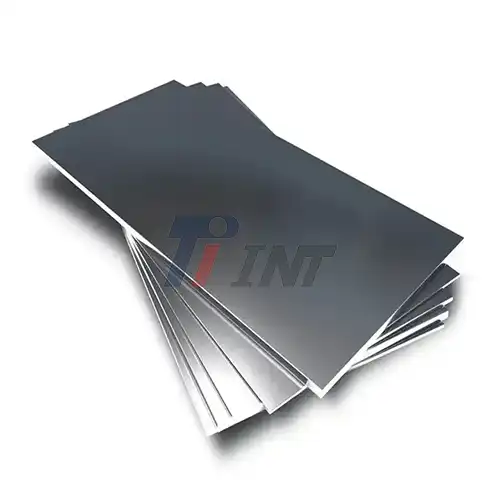
The Baoji INT Medical Titanium Co., Ltd. has been making medical-grade titanium products that meet the strictest corrosion protection standards for more than 20 years. Grade 7 palladium-enhanced titanium plates, Ti-6Al-4V ELI alloy sheets, and custom-processed surgical implant materials with full ASTM B265, ISO 13485, and CE approval paperwork are all in our extensive product line. As a trusted titanium plate implant supplier, we work with top medical device companies around the world to meet their production plans.
We do this by offering expert advice, custom specs, and reliable on-time delivery. Our knowledge of metals makes sure that every plate passes strict standards for rust testing and comes with full proof for its provenance. For your next project, you can talk to our expert team at export@tiint.com about your unique needs and ask for certified material samples that show how corrosion-resistant our products are.
References
1. Steinemann, S.G. (1998). "Corrosion of Surgical Implants—In Vivo and In Vitro Tests." In Evaluation of Biomaterials, John Wiley & Sons, pp. 1-34.
2. Tengvall, P. & Lundström, I. (1992). "Physico-chemical considerations of titanium as a biomaterial." Clinical Materials, 9(2), 115-134.
3. Gilbert, J.L., Buckley, C.A., & Jacobs, J.J. (1993). "In vivo corrosion of modular hip prosthesis components in mixed and similar metal combinations." Journal of Biomedical Materials Research, 27(12), 1533-1544.
4. Hanawa, T. (2004). "Metal ion release from metal implants." Materials Science and Engineering: C, 24(6-8), 745-752.
5. Okazaki, Y. & Gotoh, E. (2005). "Comparison of metal release from various metallic biomaterials in vitro." Biomaterials, 26(1), 11-21.
6. Long, M. & Rack, H.J. (1998). "Titanium alloys in total joint replacement—a materials science perspective." Biomaterials, 19(18), 1621-1639.
_1752463076575.webp)
_1750663253486.webp)