How to Source Medical Titanium Bar Supplier


 2026-01-26 09:20:45
Sourcing the right medical titanium bar supplier requires careful evaluation of quality certifications, manufacturing capabilities, and compliance standards. Medical titanium bars serve as critical components in orthopedic implants, dental devices, and surgical instruments, demanding suppliers who understand biocompatibility requirements and regulatory frameworks. The procurement process involves verifying material specifications, assessing production capacity, and establishing long-term partnerships that ensure consistent quality and timely delivery for medical device manufacturing operations.
|
|
|
Introduction
Medical titanium bars are crucial parts of contemporary healthcare production, acting as the basis for many medical equipment that save and enhance lives daily. These specialty materials are essential for implants, surgical equipment, and dental applications because of their remarkable biocompatibility and great mechanical qualities. Product quality, regulatory compliance, cost effectiveness, and delivery dependability—factors that define success in international B2B procurement—are all significantly impacted by the choice of a suitable supplier.
Every stage of the sourcing process is covered in this thorough book, which gives buyers the ability to comprehend product requirements, assess possible suppliers, and make well-informed purchasing choices. Our strategy is designed to assist supply chain experts, buying managers, and R&D engineers in navigating the challenging terrain of acquiring medical-grade titanium. We provide reliable industry insights and useful suggestions throughout our investigation to encourage trust and involvement in your supplier selection process.
Understanding Medical Titanium Bars and Their Applications
Medical titanium bars comprise high-purity titanium or specialized titanium alloys engineered specifically for healthcare applications. These materials possess unique properties that set them apart from conventional metals, including an exceptional strength-to-weight ratio, outstanding corrosion resistance, and remarkable biocompatibility that allows seamless integration with human tissue. The distinction between commercially pure titanium and titanium alloys proves crucial for procurement decisions.
Pure titanium grades, conforming to ASTM F67 standards, offer excellent corrosion resistance and biocompatibility for basic implant applications. Ti-6Al-4V alloys, meeting ASTM F136 specifications, provide enhanced strength and fatigue resistance for demanding applications such as orthopedic implants and surgical instruments.
Material Specifications and Properties
When compared to substitute materials such as cobalt chrome alloys and stainless steel, medical-grade titanium exhibits better properties. Titanium has a strength-to-density ratio of 76 kN·m/kg at a density of 4.51g/cm³, which is about 20% greater than stainless steel. Because titanium's elastic modulus is so similar to that of human bone, stress shielding effects that might jeopardize implant integration are lessened.
From hip and knee replacements to dental implants and spinal fusion devices, these materials perform very well in a variety of medical applications. While fatigue resistance offers long-term dependability under cyclic loading circumstances that are characteristic of the human body, biocompatibility guarantees minimum undesirable effects.
Industry Standards and Compliance
Strict international requirements must be met by medical titanium bars in order to guarantee patient safety and regulatory clearance. While FDA clearance verifies adherence to US healthcare rules, ISO 13485 certification shows quality management systems created especially for medical devices. Compliance with European medical device regulations is shown by the CE mark, which is necessary for access to international markets.
Key Criteria to Evaluate When Sourcing a Medical Titanium Bar Supplier
A thorough evaluation of many crucial elements that directly affect product quality and procurement success is necessary when choosing a suitable supplier. The assessment of suppliers is based on quality assurance procedures, which call for the confirmation of thorough certificates and manufacturing standards.
Certification and Compliance Requirements
For medical device quality management systems, ISO 13485 is a crucial certification that guarantees vendors maintain the proper controls throughout the production process. While CE certification attests to conformity to European medical device standards, FDA clearance shows compliance with US regulatory criteria. Confidence in material safety and regulatory compliance is offered by these certificates. In order to guarantee that materials fulfill mechanical and chemical property requirements, suppliers should also have their ASTM certificates for certain titanium grades. In order to provide thorough quality control and regulatory compliance, documentation systems must offer full traceability from raw materials to final products.
Technical Capabilities and Customization
Suppliers with cutting-edge technical skills and adaptable customisation options are necessary for the production of modern medical devices. Engineering support capabilities, quality control systems, and production equipment should all be part of the evaluation criteria. To satisfy strict requirements for medical devices, suppliers must exhibit proficiency in dimensional control, surface finishing, and precision machining. The supplier relationship is greatly enhanced by the capacity to provide technical advice at every stage of the product development cycle. This comprises advice for processing, guidelines for material selection, and quality control procedures designed for particular medical purposes.
Supply Chain Reliability and Logistics
Consistent material availability and regular delivery dates are crucial for the manufacturing of medical devices and are guaranteed by dependable supply networks. Suppliers should have reliable inventory control systems, contingency manufacturing capabilities, and well-established logistics networks that can satisfy demands for worldwide distribution. Effective production planning and inventory management are made possible by open communication about production plans and clear lead times. In order to handle such interruptions and guarantee a steady supply of materials, suppliers should also have backup plans.
Step-by-Step Guide: How to Source Your Medical Titanium Bar Supplier?
Successful supplier sourcing follows a systematic approach that minimizes risks while maximizing procurement value, especially in highly regulated sectors such as medical materials. This structured methodology guides B2B buyers through each critical phase of the supplier selection process when sourcing critical products like medical titanium bar, where quality assurance, traceability, and regulatory compliance are essential.
Defining Requirements and Specifications
Start by creating precise product specs that meet your needs for medical devices. This covers surface finish specifications, dimensional tolerances, material grade choices, and relevant standards. Suppliers get vital information for capacity planning and price development from volume predictions and delivery schedules. Think about future requirements for product development and any modifications to specifications that might affect the choice of supplier. More adaptable production systems and a wider range of technological capabilities enable suppliers to better meet changing needs.
Research and Supplier Identification
To find possible suppliers, make use of trade exhibitions, business-to-business platforms, and professional groups. Exhibitions for medical devices provide chances for face-to-face communication with suppliers and product demos. Technical forums and trade journals provide information on supplier capabilities and market standing. Reputable vendors with a track record of success in medical applications are often found via professional networks and peer referrals. These recommendations provide insightful information about the performance of suppliers and their capacity for relationship management.
Sample Testing and Verification
For thorough testing and verification in accordance with your standards, request material samples. As needed for your particular applications, this comprises chemical analysis, mechanical property testing, and biocompatibility assessment. The objective confirmation of material qualities and quality consistency is provided by independent third-party testing. Certifications, test results, and explanations of the manufacturing process should all be included in the documentation review. To fulfill regulatory compliance requirements, suppliers should provide comprehensive material traceability and quality control documentation.
Supplier Audits and Assessment
Verify production capabilities, quality systems, and regulatory compliance by conducting comprehensive supplier audits. Direct evaluation of machinery, procedures, and staff qualifications is made possible via in-person site inspections. When travel restrictions prohibit in-person inspections, virtual audits may provide a preliminary assessment. Manufacturing procedures, people training, equipment calibration, quality management systems, and documentation systems should all be the subject of an audit. During these assessments, special emphasis is paid to adherence to regulatory requirements and medical device standards.
Company Introduction and Product Service Information
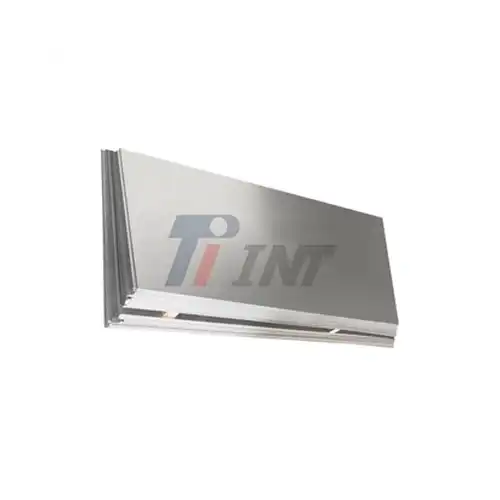
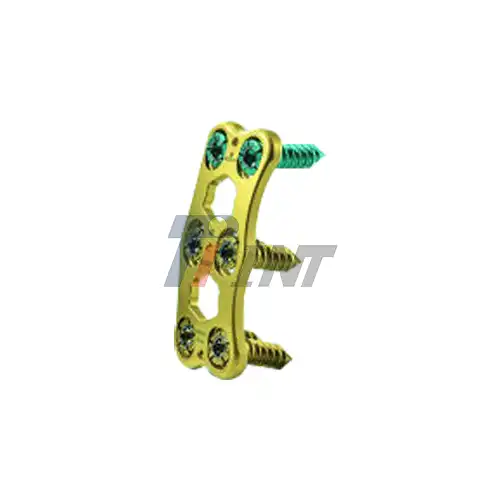
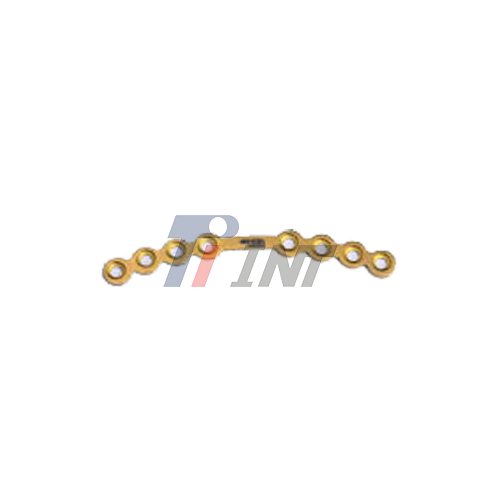
With more than 20 years of experience in the field, Baoji INT Medical Titanium Co., Ltd. is a leading producer with a focus on medical-grade titanium products. Since its founding in 2003 by Mr. Zhan Wenge, who has over 30 years of expertise in the titanium sector, our firm has grown to become a standard for medical titanium research and development, manufacturing, and processing. Pure titanium, Ti6Al4V, and Ti6Al4V ELI materials are all part of our extensive product line, which includes rods, wires, plates, and forged goods in a range of requirements. By maintaining total adherence to ISO9001:2015, ISO13485:2016, and EU CE certifications, we make sure that our products satisfy the strictest requirements for medical devices.
Technical Excellence and Manufacturing Capabilities
Our medical titanium bars stand out in the market because of their outstanding technological features. Our products are perfect in situations when both strength and weight are crucial because of their excellent strength-to-weight ratio, which permits versatile but durable medical applications. Because it is lightweight, patients experience less overall strain while yet having the remarkable load-bearing capacity necessary for implant applications. Another pillar of our product quality is fatigue resistance, which guarantees longevity in settings with frequent stress and load cycles.
This feature improves implant durability and dependability under changing physiological circumstances by reducing the likelihood of material breakdown over time. For Ti6Al4V ELI grades, our materials have tensile strengths of above 895 MPa and elongation characteristics of at least 10%. Our titanium products' low elastic modulus lessens stress shielding in orthopedic implants, encouraging better bone integration and healing. Our materials aid in more uniform stress distribution by more closely matching the mechanical characteristics of natural bone, which promotes improved bone formation and adaption around implants.
Product Specifications and Quality Assurance
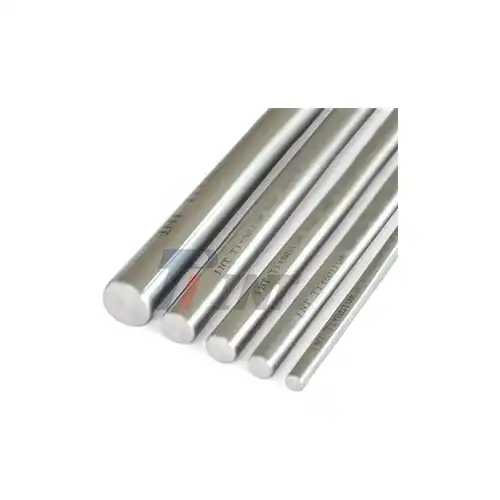
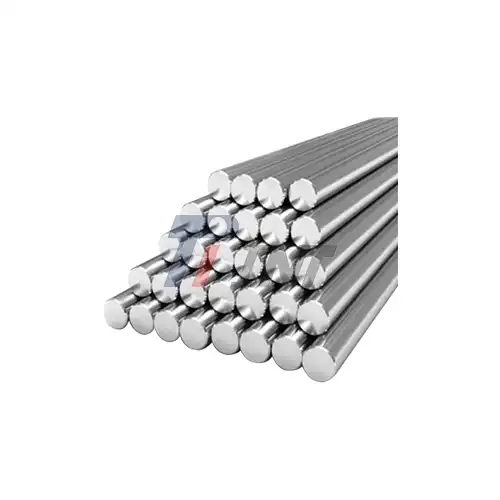
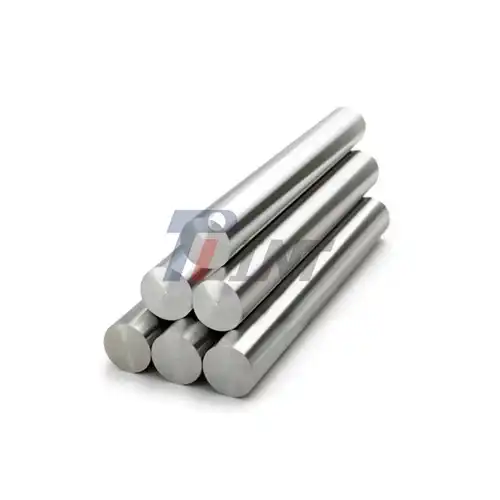
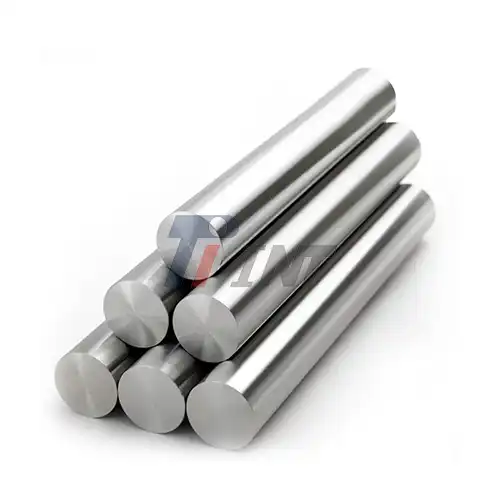
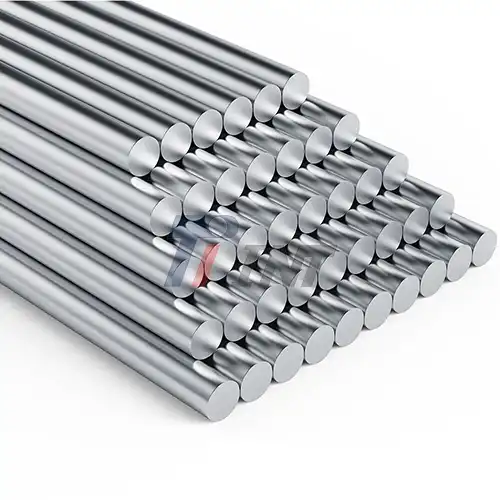
To meet a variety of medical device needs, we provide medical titanium bars in diameters ranging from 6 to 150 mm and lengths ranging from 1000 to 3000 mm. Depending on the requirements of a particular application, surface finish choices include polished and sandblasted treatments. Our biocompatibility design improves implant integration with neighboring tissues while lowering the chance of adverse reactions.
Every product goes through stringent quality control procedures supported by our extensive certification portfolio. From the first stages of design to after-sale support, our technical consulting teams provide committed assistance, guaranteeing a smooth integration into client supply chains. Our dedication to international business-to-business (B2B) collaborations is shown by our prompt, dependable delivery and strict quality control.
Conclusion
Rigorous sourcing practices prove essential for securing high-quality medical titanium bars that meet demanding healthcare industry specifications. The importance of compliance verification, supplier reliability assessment, and customization capabilities cannot be overstated when selecting partners for critical medical applications. These procurement decisions directly impact product success, patient safety, and long-term business relationships. By applying the insights and methodologies outlined in this guide, B2B buyers can make strategic procurement decisions that enhance product performance while fostering sustainable supply partnerships for future growth and innovation in medical device manufacturing.
FAQ
What Certifications Are Essential for Medical Titanium Bar Suppliers?
Medical titanium bar suppliers must maintain ISO 13485 certification for medical device quality management systems, demonstrating comprehensive quality controls throughout manufacturing processes. FDA approval confirms compliance with United States healthcare regulations, while CE marking indicates conformity with European medical device directives. ASTM certifications for specific titanium grades ensure materials meet mechanical and chemical property requirements essential for medical applications.
How Do Medical Titanium Bars Compare to Stainless Steel for Implant Applications?
Medical titanium bars offer significant advantages over stainless steel in implant applications. Titanium demonstrates superior biocompatibility, reducing adverse reaction risks and improving tissue integration. The elastic modulus of titanium more closely matches human bone, minimizing stress shielding effects that can compromise implant success. Additionally, titanium exhibits excellent corrosion resistance and non-magnetic properties, making it ideal for MRI compatibility.
What Are Typical Lead Times for Custom Medical Titanium Bar Orders?
Lead times for custom medical titanium bar orders typically range from 4-8 weeks, depending on material specifications, quantity requirements, and surface finish complexity. Standard grades like Ti6Al4V ELI may have shorter lead times, while specialized alloys or custom dimensions may require extended production schedules. Suppliers should provide clear timeline commitments and regular progress updates throughout the manufacturing process.
Contact Baoji INT Medical Titanium Co., Ltd. for Premium Medical Titanium Bar Solutions
Baoji INT Medical Titanium Co., Ltd. offers unmatched expertise in medical titanium bar manufacturing with over 20 years of industry leadership. Our comprehensive product range, complete certifications portfolio, and dedicated technical support ensure optimal solutions for your medical device requirements. We invite you to experience our commitment to quality, reliability, and innovation that has established long-term partnerships with medical device manufacturers worldwide. Contact our expert team at export@tiint.com for personalized quotations and technical consultations tailored to your specific needs.
References
1. American Society for Testing and Materials. "Standard Specification for Unalloyed Titanium for Surgical Implant Applications." ASTM F67-13, 2013.
2. International Organization for Standardization. "Medical Devices - Quality Management Systems - Requirements for Regulatory Purposes." ISO 13485:2016.
3. Williams, David F. "Titanium and Titanium Alloys as Biomaterials: Biocompatibility, Durability and Biofunctionality in Medical Applications." Medical Device Materials IV, 2009.
4. Rack, Henry J., and Quesnel, Julie N. "Titanium Alloys for Biomedical Applications: Properties and Processing." Materials Science and Engineering C, Volume 26, Issues 8-9, 2006.
5. Long, Marc, and Rack, Henry J. "Titanium Alloys in Total Joint Replacement: A Materials Science Perspective." Biomaterials Review Annual, 1998.
6. Brunette, Donald M., et al. "Titanium in Medicine: Material Science, Surface Science, Engineering, Biological Responses and Medical Applications." Springer-Verlag Berlin Heidelberg, 2001.
_1753927576158.png)
_1753926673602.jpg)
_1753926358324.jpg)
_1750669056274.webp)