
Why Medical Titanium Bar Is Used in Surgery


 2026-01-26 09:20:51
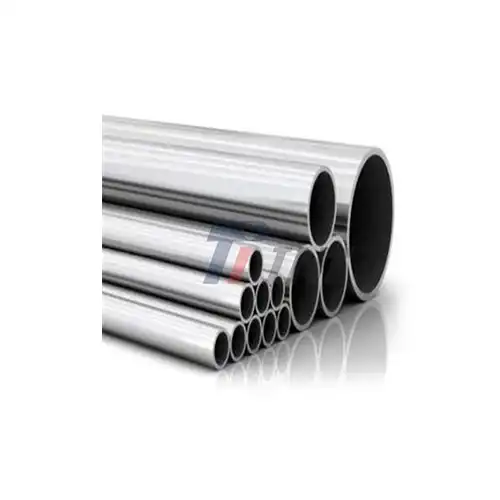
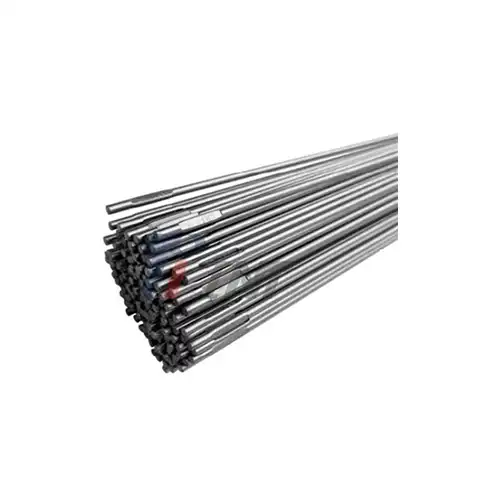
Medical titanium bar has revolutionized surgical procedures by offering an optimal combination of strength, biocompatibility, and corrosion resistance that surpasses traditional materials. These specialized bars serve as essential components in orthopedic implants, dental reconstructive devices, and surgical instruments due to their unique ability to integrate seamlessly with human tissue while maintaining structural integrity under demanding physiological conditions. The superior mechanical properties and proven clinical performance of titanium bars make them indispensable for modern surgical applications requiring long-term implantation and exceptional reliability.
|
|
|


Understanding Medical Titanium Bars and Their Surgical Applications
Medical titanium bars represent highly engineered materials manufactured from pure titanium and titanium alloys that comply with stringent medical-grade standards, including ASTM F67, ASTM F136, and ISO 5832-2 specifications. These precision-manufactured components demonstrate exceptional biocompatibility, outstanding corrosion resistance, and an impressive strength-to-weight ratio that significantly outperforms conventional surgical materials such as stainless steel and cobalt-chromium alloys.
Primary Surgical Applications
The flexibility of titanium bars empowers their utilize over different surgical specialties. Orthopedic specialists depend on these materials for spinal combination poles, intramedullary nails, and bone obsession plates that give steady inner back amid recuperating forms. Dental experts utilize titanium bars in embed fabricating, where their osseointegration properties encourage normal bone development around embedded devices.
Material Specifications and Grades
Our fabricating capabilities envelop different titanium grades custom fitted to particular surgical prerequisites. Immaculate titanium offers greatest biocompatibility for delicate applications, whereas Ti6Al4V gives improved mechanical quality reasonable for load-bearing inserts. The Ti6Al4V ELI (Additional Moo Interstitial) review conveys prevalent ductility and weariness resistance, making it perfect for energetic embed applications where rehashed push cycles happen all through the implant's benefit life.
Why Medical Titanium Bars Are Preferred Over Other Materials?
The predominance of medical titanium bar gets to be apparent when comparing their execution characteristics against conventional surgical materials. Clinical prove reliably illustrates titanium's preferences in decreasing complications, progressing persistent results, and expanding embed life span over assorted surgical applications.
Mechanical Property Advantages
Titanium's thickness of 4.51 g/cm³ speaks to about half the weight of stainless steel (8 g/cm³), coming about in a strength-to-density proportion of 76 kN·m/kg compared to stainless steel's 63 kN·m/kg. This momentous characteristic deciphers to lighter inserts that diminish quiet inconvenience whereas keeping up predominant load-bearing capabilities. The flexible modulus of titanium (110 GPa) closely matches human bone (15-30 GPa) compared to stainless steel (200 GPa), minimizing stretch protecting impacts that can compromise bone wellbeing around implants.
Enhanced Biocompatibility Profile
Clinical considers traversing decades have set up titanium's extraordinary biocompatibility through broad in-vivo testing and long-term persistent follow-ups. The material's idle nature avoids unfavorable tissue responses, whereas its surface properties advance favorable cellular reactions that upgrade embed integration. Not at all like ferromagnetic materials, titanium's non-magnetic properties guarantee MRI compatibility, permitting patients to experience demonstrative imaging without complications.
Corrosion Resistance and Longevity
The common oxide layer arrangement on titanium surfaces gives prevalent erosion resistance in physiological situations containing chloride particles, proteins, and shifting pH levels. This defensive instrument guarantees embed solidness over decades of benefit life, decreasing modification surgery necessities and related healthcare costs.
Procurement Insights: How to Select and Source Medical Titanium Bars?
Successful procurement of medical titanium bars requires comprehensive evaluation of supplier capabilities, product specifications, and quality assurance protocols. Professional procurement strategies must balance cost considerations with stringent quality requirements while ensuring reliable supply chain performance.
Supplier Evaluation Criteria
Leading providers illustrate broad encounter in medical-grade titanium fabricating, have comprehensive administrative certifications, and keep up strong quality administration frameworks. ISO 13485:2016 certification shows adherence to restorative gadget quality benchmarks, whereas ISO 9001:2015 certification affirms efficient quality administration hones. EU CE stamping and FDA compliance documentation give extra affirmation of administrative compliance for universal markets.
Technical Specification Requirements
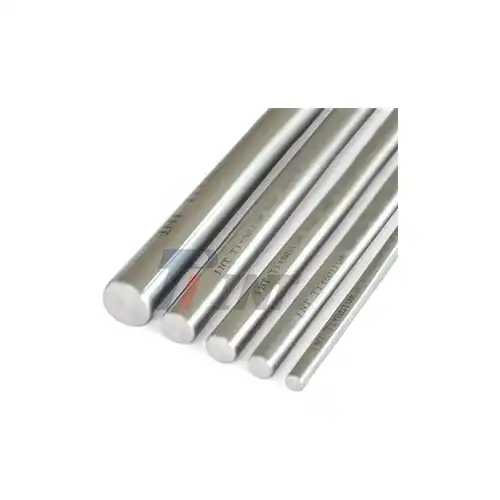
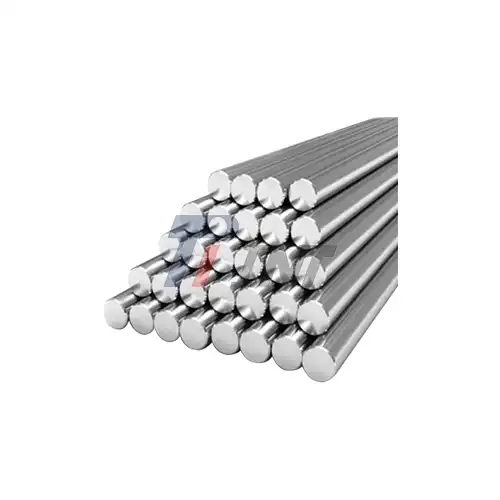
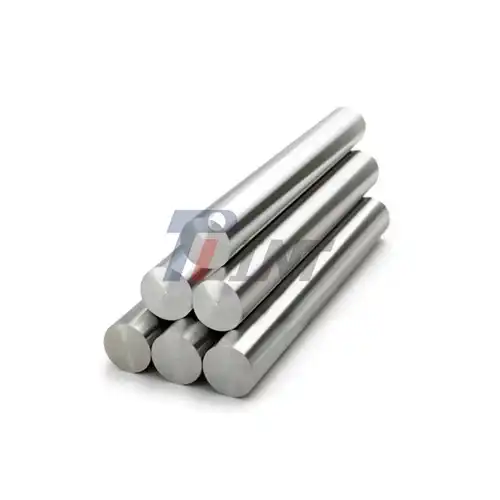
Procurement experts must indicate exact dimensional resistances, surface wrap up prerequisites, and mechanical property ranges suitable for expecting applications. Breadth ranges from 6 mm to 150 mm suit differing embed plans, whereas length choices from 1000 mm to 3000 mm give fabricating adaptability. Malleable quality determinations of ≥895 MPa for Ti6Al4V ELI guarantee satisfactory mechanical execution beneath physiological stacking conditions.
Customization and OEM Capabilities
Advanced providers offer comprehensive customization administrations counting accuracy machining, surface medicines, and specialized combination compositions custom-made to special application necessities. OEM organizations empower consistent integration of titanium bars into exclusive embed plans whereas keeping up strict quality measures and administrative compliance.
The Manufacturing Process and Quality Assurance of Medical Titanium Bars
The production of medical titanium bars involves sophisticated metallurgical processes designed to achieve consistent material properties and eliminate contamination sources that could compromise biocompatibility. Advanced manufacturing techniques ensure reproducible quality across production batches while maintaining traceability for regulatory compliance.
Advanced Manufacturing Techniques
The generation prepare starts with high-purity titanium wipe or reused titanium materials that experience vacuum circular segment remelting to accomplish homogeneous microstructures and dispose of pollutions. Numerous remelting cycles guarantee reliable chemical composition all through each ingot, whereas controlled cooling rates optimize grain structure for greatest mechanical performance.
Hot working operations counting producing and rolling shape the fabric into bar setups whereas refining grain structure and moving forward mechanical properties. Exactness machining operations accomplish last dimensional resistances and surface wrap up determinations required for restorative applications.
Comprehensive Quality Control Systems
Every generation organize joins thorough quality control measures counting chemical investigation, mechanical testing, and non-destructive assessment methods. Ultrasonic review recognizes inside absconds, whereas surface assessment guarantees flexibility from splits or considerations that seem compromise embed performance. Heat treatment forms optimize mechanical properties whereas keeping up microstructural solidness. Controlled climate heaters anticipate defilement amid warm preparing, guaranteeing biocompatibility prerequisites stay fulfilled all through fabricating operations.
Certification and Traceability Documentation
Complete traceability frameworks track fabric history from crude fabric sourcing through last review and shipment. Clump certificates report chemical composition, mechanical properties, and assessment comes about whereas keeping up chain of care records required for therapeutic gadget applications.
Company Introduction and Our Product Offerings
Baoji INT Restorative Titanium Co., Ltd. has set up itself as a driving producer of medical-grade titanium materials through more than two decades of nonstop advancement and quality brilliance. Established in 2003 by industry experienced Mr. Zhan Wenge, our company leverages over 30 a long time of titanium industry skill to convey prevalent items and administrations to therapeutic gadget producers worldwide.
Comprehensive Product Portfolio
Our fabricating capabilities envelop the total range of therapeutic titanium items counting unadulterated titanium, Ti6Al4V, and Ti6Al4V ELI amalgams in different setups. Accessible distance across ranges from 6 mm to 150 mm oblige different application prerequisites, whereas length alternatives up to 3000 mm give fabricating adaptability for complex embed designs. Surface treatment choices incorporate cleaned and sandblasted wraps up optimized for particular applications. Cleaned surfaces minimize grinding in articulating joints, whereas sandblasted surfaces upgrade osseointegration in bone-contacting inserts through expanded surface zone and optimized topography.
Quality Certifications and Standards Compliance
Our commitment to quality brilliance expands all through each perspective of operations, illustrated through comprehensive certification accomplishments counting ISO 9001:2015 quality administration frameworks, ISO 13485:2016 restorative gadget benchmarks, and EU CE stamping for European showcase get to. These certifications reflect our devotion to keeping up the most elevated quality benchmarks whereas guaranteeing administrative compliance over worldwide markets.
Engineering Support and Technical Services
Beyond item fabricating, we give comprehensive specialized back counting fabric choice direction, application designing help, and customized arrangement improvement. Our experienced designing group collaborates with clients to optimize fabric determinations for particular applications whereas guaranteeing cost-effective obtainment strategies.
Conclusion
Medical titanium bar technology continues advancing surgical capabilities through superior material properties that enhance patient outcomes while reducing long-term complications. The combination of exceptional biocompatibility, mechanical performance, and corrosion resistance makes titanium bars indispensable for modern surgical applications requiring reliable long-term performance. As procurement professionals evaluate supplier options, emphasis on quality certifications, technical expertise, and comprehensive support services ensures successful material selection and project outcomes.
FAQ
What makes titanium bars superior to stainless steel for surgical applications?
Titanium bars offer significant advantages over stainless steel including superior biocompatibility, lower elastic modulus that matches bone properties more closely, and exceptional corrosion resistance in physiological environments. The reduced weight of titanium implants improves patient comfort while maintaining equivalent or superior mechanical strength compared to stainless steel alternatives.
Which titanium grades are most suitable for implantable medical devices?
Ti6Al4V ELI (Grade 23) represents the preferred choice for implantable applications due to its optimized mechanical properties, exceptional fatigue resistance, and superior biocompatibility profile. Pure titanium (Grade 2) provides maximum biocompatibility for sensitive applications, while standard Ti6Al4V (Grade 5) offers enhanced strength for demanding load-bearing applications.
How do quality certifications impact procurement decisions for medical titanium bars?
ISO 13485:2016 certification ensures adherence to medical device quality management standards, while additional certifications such as FDA registration and CE marking provide regulatory compliance assurance for specific markets. These certifications indicate supplier commitment to quality excellence and regulatory compliance essential for medical device manufacturing success.
Partner with Baoji INT Medical Titanium Co., Ltd. for Superior Medical Materials
Baoji INT Medical Titanium Co., Ltd. stands ready to support your procurement requirements with industry-leading medical titanium bar solutions manufactured to the highest quality standards. Our comprehensive product portfolio, technical expertise, and commitment to customer success make us the preferred medical titanium bar supplier for discerning manufacturers worldwide. Contact our team at export@tiint.com to discuss your specific requirements and discover how our premium materials can enhance your product development initiatives while ensuring reliable supply chain performance.
References
1. Elias, C.N., Lima, J.H.C., Valiev, R., and Meyers, M.A. "Biomedical Applications of Titanium and its Alloys." Journal of the Minerals, Metals and Materials Society, vol. 60, no. 3, 2008, pp. 46-49.
2. Niinomi, M. "Mechanical Properties of Biomedical Titanium Alloys." Materials Science and Engineering: A, vol. 243, no. 1-2, 1998, pp. 231-236.
3. Rack, H.J. and Qazi, J.I. "Titanium Alloys for Biomedical Applications." Materials Science and Engineering: C, vol. 26, no. 8, 2006, pp. 1269-1277.
4. Geetha, M., Singh, A.K., Asokamani, R., and Gogia, A.K. "Ti Based Biomaterials: The Ultimate Choice for Orthopaedic Implants." Progress in Materials Science, vol. 54, no. 3, 2009, pp. 397-425.
5. Long, M. and Rack, H.J. "Titanium Alloys in Total Joint Replacement: A Materials Science Perspective." Biomaterials, vol. 19, no. 18, 1998, pp. 1621-1639.
6. Liu, X., Chu, P.K., and Ding, C. "Surface Modification of Titanium, Titanium Alloys, and Related Materials for Biomedical Applications." Materials Science and Engineering: R: Reports, vol. 47, no. 3-4, 2004, pp. 49-121.
_1752820927376.webp)
_1751957234428.webp)
_1751955824855.webp)
_1750663253486.webp)