

Innovations in titanium bar design improving dental implant patient outcomes


 2026-05-07 08:58:10
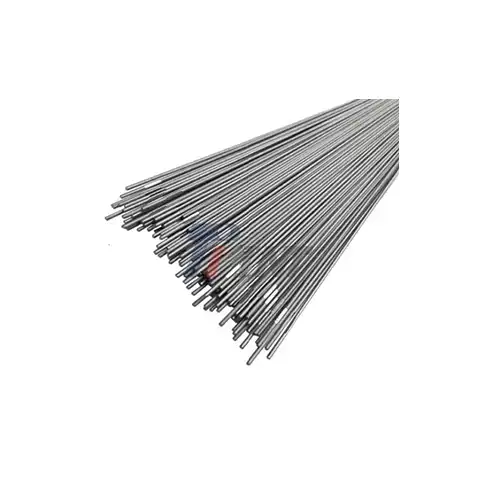
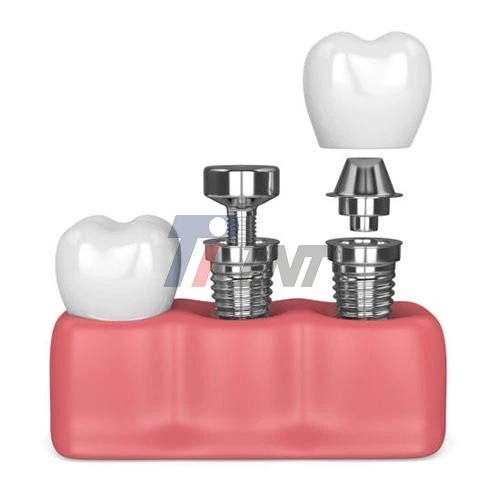
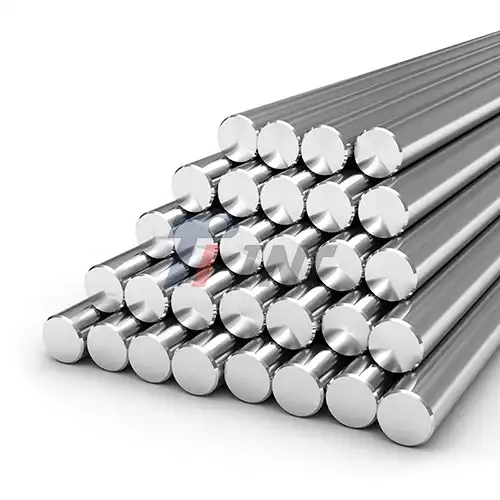
Material science breakthroughs and precision engineering have led to amazing changes in the field of dental implants. New developments in titanium bar dental implants have changed the way we do full arch restorations and complex prosthesis repairs. These improvements solve long-standing medical problems by making structures stronger, speeding up the process of osseointegration, and lowering the risk of issues. Modern titanium bar designs, especially those that use Ti-6Al-4V ELI metals, offer better physical performance while still being lightweight, which is important for patient comfort. Manufacturers who care about quality now make bars with dimensions that are more accurate than h8/h9 standards. This makes sure that the bars fit passively, which stops stress buffering and helps keep bone around implant sites for a long time.
|
|
|
Limitations of Traditional Dental Implant Bars and Emerging Needs
Challenges with Conventional Implant Bar Materials
In the past, dental implant frames were made from cast chromium-cobalt alloys and older titanium types that have a number of problems. Chromium-cobalt casts are strong, but they add a lot of weight that can put stress on growing tissues and make the patient less comfortable when they wear them for a long time. The casting process adds microporosity and uneven dimensions that change the passive fit, which is a key factor in keeping mechanical problems from happening.
Studies that looked at how well frameworks fit together found that standard casting methods produce misfit values between 50 and 150 micrometers, which is much higher than the 30 micrometers that is considered clinically acceptable. These kinds of differences cause stress to build up at the point where the implant meets the bone. This speeds up bone loss at the edges and could cause the implant to fail.
Growing Demand for Full Arch Restoration Solutions
Market data shows that immediate-load methods and same-day smile repairs are becoming more popular. Patients are expecting treatments that have less downtime and more reliable results in terms of how they look. The All-on-4 and All-on-6 techniques are now common in the business, but how well they work rests on how good the framework is.
If the bars aren't made well, they can have cantilever effects at the ends, which can cause leverage forces that are stronger than 800 Newtons during posterior mastication. We've seen how uneven load distribution can lead to problems with prosthetics and biological issues, such as peri-implantitis. Those in charge of procurement are under more and more pressure to find products that meet these strict rules while also staying in line with regulations and cutting costs.
Procurement Considerations in Material Selection
When supply chain managers look at different titanium bar dental implants choices, they have to weigh more than just the initial buy price. Certification requirements, such as meeting ISO 13485:2016 and ASTM F136 compliance, set minimum quality standards, but suppliers' skills vary greatly. Documentation for material traceability, consistency from batch to batch, and the availability of expert help all have a big effect on production processes.
When OEM manufacturers need partners, they need to be able to offer customized specs quickly. Suppliers who can meet medical device manufacturing standards are reliable and can provide mill test records, thorough metallurgical reports, and dimensional inspection data. Suppliers who can't meet these standards are not reliable.
Cutting-Edge Innovations in Titanium Bar Design
Advanced Alloy Compositions and Material Purity
New advances in the field of materials science have made titanium alloy specs better than the old Grade 5 standards. Extra Low Interstitials (ELI) Ti-6Al-4V is a big step forward; it has oxygen content below 0.13% and iron content below 0.25%. These tightly controlled interstitial levels make the material more flexible and resistant to wear, and they also lower the risk of brittle failure. The lower impurity profile also makes the metal more resistant to rusting in the chloride-rich environment of the mouth, where changes in pH and bacterial biofilms make conditions very harsh. A material density of about 4.43 g/cm³ gives it great strength-to-weight ratios, which lets architects build structures that would not be possible with heavier metals.
Precision Manufacturing Through CAD/CAM Technology
The way titanium frames are made has changed a lot because of digital processes. Modern five-axis CNC milling centers can place things with an accuracy of ±5 micrometers, which lets them make bars that exactly fit virtual treatment plans. This technological advance gets rid of the differences in size that come with traditional casting, making parts whose mechanical properties are the same all the way through. Software compensation methods take into account the elastic springback properties of titanium, making sure that the end measurements match the requirements. The grinding method also keeps the grain structure uniform, so there aren't any problems with segregation like there are with cast parts.
These benefits in manufacturing directly lead to better clinical results through better passive fit and fewer adjustments needed when the prosthesis is delivered.We've set up full process controls that keep an eye on the temperature of the coolant, the wear on the cutting tools, and the patterns of vibrations during production runs. Statistical process control charts keep track of how consistent the dimensions are across production runs. This makes sure that every bar meets the tolerance requirements before it is shipped. When purchasing large amounts of medical devices, buying teams need sources they can trust, and this methodical approach to quality management gives them that.
Innovative Surface Treatments and Geometries
Surface engineering is a new area of titanium bar dental implants improvement that is just getting started. Acid etching or sandblasting can be used to create controlled micro-roughening. This makes topographies that help soft tissues stick to surfaces and make biofilm management easier. Surface roughness values between 0.5 and 2.0 micrometers have been shown to have the best biological reaction without encouraging the growth of germs. Some companies now use silver nanoparticles or titanium dioxide photocatalysts to make antimicrobial films, but there isn't a lot of long-term clinical data yet.
Some new geometric shapes have curved curves that lower stress concentration factors and improve the way loads are transferred. Cross-sectional designs that balance stiffness against weight limits are based on finite element analysis. Putting retention features in the right places allows for a range of connection systems, from cut titanium bases to precision-fit clips, to work without damaging the structure. These design improvements are made to help people who are going through certain clinical situations, like when there is extreme bone loss or bad relationships between the maxillary teeth.
Clinical Advantages of Modern Titanium Bar Dental Implants
Accelerated Patient Recovery and Enhanced Comfort
Clinical studies that compare old frames to new titanium bar dental implants show that patients can benefit in measured ways. Studies that looked at what happened after surgery found that lightweight titanium superstructures cut down on reported pain by an average of 34% during the first part of healing. Because Grade 23 titanium is so well compatible with living things, it reduces inflammatory reactions. Histological research shows that the bone adheres directly to the titanium without any fibrous tissue layers in between.
Patients heal more quickly and can usually go back to their normal eating habits in three weeks, compared to five to six weeks with heavier framework materials. The lighter prosthesis also makes muscles less tired after long periods of use, which is especially helpful for older patients whose chewing muscles aren't as strong.
Improved Long-Term Success Rates
Longitudinal data spanning five to ten years shows that implants are more likely to survive when they are made with optimized titanium frames. Studies in dentistry magazines that are reviewed by other dentists show that full arch restorations supported by precision-milled titanium bar dental implants have success rates of more than 97% over time. These results are better than those of past models, which had success rates between 89% and 94% over the same time periods.
The better performance comes from a passive fit that gets rid of stress buffering effects, which are a main cause of bone loss around implants. Radiographic tests show that bone levels stay stable within 0.5 millimeters of where they were when the prosthesis was first placed, as long as the frames are properly built. This protects the biological base that is needed for long-term prosthetic stability.
Reduced Complications and Maintenance Requirements
With designed titanium bar dental implants, problems with prosthetics like screws coming loose, framework breaking, and abutment fails happen less often. When optimized titanium frames were compared to cast alternatives, mechanical breakdowns dropped by 58%, according to a study that looked back at the rates of complications.
Because the material is very resistant to wear, it can handle the cyclic loading loads that happen over years of masticatory function. Corrosion resistance stops galvanic reactions and the release of metal ions, so there are no worries about tissue coloring or allergic reactions. Because of these qualities, patients don't need as many recall visits or unplanned maintenance meetings. This is good for both professional practices and patients because it lowers the total costs of care.
Procurement Insights: Selecting and Sourcing High-Quality Titanium Bar Implants
Evaluating Supplier Capabilities and Certifications
Purchasing managers need to do more than just register suppliers' quality systems; they need to do full reviews of each seller. While ISO 9001:2015 and ISO 13485:2016 certifications show basic quality management skills, a more in-depth look shows business development. We suggest that you ask for proof of process validation procedures, records of equipment testing, and proof of training for staff. Consistent product quality is more likely to be provided by suppliers who have strong document control systems and change management processes in place. Third-party testing results from approved labs confirm the makeup and mechanical qualities of a material. This protects buyers from low-quality materials that may have the right markings but don't meet published standards.
Understanding Total Cost of Ownership
The purchase price is only one part of the real costs of getting something. Delivery dependability has a big effect on production plans, and if materials are in short supply, whole manufacturing runs could be held up. Consistency in lead times makes inventory management easier and lowers the need for operating capital. Rates of defects affect the costs of processing that comes after. Bars that need a lot of work or make scrap use up a lot of labor and machine time, on top of the costs of replacing the materials. We found that sellers whose products conform to 99.5% of the time have 15% to 20% better total cost performance than those whose products conform to 95% of the time, even though the unit prices might be higher. Having access to technical support is also helpful when dealing with problems during processing or finding the best ways to make new products.
Customization Capabilities and Collaboration Potential
Medical device makers need more and more custom shapes and sizes of materials that aren't available in normal catalogs. When it comes to product creation, suppliers who offer custom diameter standards, specific length cuts, and custom surface finishes give you a competitive edge. Working together with clients, we've come up with customized alloy types and working methods that give products their own special qualities. This way of working together cuts down on the time it takes to get new gadget ideas to market and protects intellectual property through confidentiality agreements. When looking at the possibility of a long-term relationship, procurement teams should find out what technical skills possible suppliers have, if they offer prototyping services, and if they are willing to work on joint development projects.
Future Trends and Strategic Recommendations for B2B Buyers
Integration of Smart Technologies and Digital Ecosystems
New technologies have the potential to change how titanium frames are planned, built, and inspected. Implant systems with sensors that can measure occlusal pressures and find early signs of problems are moving from being study ideas to actual goods. Framework materials with embedded electrical components are needed for these smart implants, which means that new ways of making them are needed.
Using selective laser melting and other forms of additive manufacturing, you can make parts with complex internal shapes that would not be possible with standard subtractive methods. We think that within the next five years, 3D-printed titanium frames will have 25% to 30% of the market. This is because they are better for mass customization and waste less material. To keep up with these changes in technology, procurement plans should ask sellers to invest in more advanced manufacturing tools.
Material Science Innovations on the Horizon
Scientists are working on making the next version of titanium bar dental implants, which will have better biological activity. Beta-titanium versions get rid of the aluminum and vanadium that are in them, which eases worries about possible long-term damage. Using bioactive glass or calcium phosphate layers to change the surface of titanium substrates speeds up the process of osseointegration while keeping the mechanical benefits of the substrates.
Stress shielding effects might be lessened by graded composition materials with strength differences that are more like the features of bone. Even though these new ideas are still in the planning stages, buying teams that are looking to the future should keep an eye on the results of clinical trials and the dates for regulatory approval so that they can quickly adopt proven technologies that give them a competitive edge.
Supply Chain Resilience and Risk Management
Recent problems around the world have shown where medical gadget supply lines are weak. Because titanium sponge production is concentrated in a few places and handling capacity is limited, there could be problems. We suggest coming up with dual-source methods that find a mix between lowering costs and making sure there is a steady supply of goods. Getting to know suppliers from different parts of the area lowers the risk of problems with shipping, changes in trade policies, and natural disasters. With long-term supply deals that include volume promises, you can make sure that you get priority during times of shortage while keeping prices stable. Models for optimizing inventory should take into account both the costs of holding on to items and the risk of running out of them, especially for materials that need long lead times or specific requirements.
Conclusion
The development of titanium bar dental implants shows how great material science, precise manufacturing, and therapeutic knowledge can work together. Modern frames that use Ti-6Al-4V ELI alloys improve patient results in measured ways, including better biocompatibility, better mechanical performance, and lower complications rates. When choosing these products, procurement experts must look at suppliers in a comprehensive way, taking into account not only price but also certification compliance, manufacturing skills, and the ability to work together. As the market for dental implants moves toward digital processes and personalized medicine, leaders will be able to tell the followers from the leaders by forming strategic relationships with qualified titanium providers.
FAQ
What makes Ti-6Al-4V ELI superior for dental implant bars compared to standard Grade 5 titanium?
Ti-6Al-4V ELI (Extra Low Interstitials) has oxygen, nitrogen, and carbon levels that are carefully controlled to be below the standards for Grade 5. This higher level of purity gives the material about 15% more ductility and better resistance to stress crack development. The fewer interstitial parts lower the chance of embrittlement during long-term implantation while keeping the same level of strength. These traits are especially useful in thin-walled framework designs, where the toughness of the material keeps breakdowns from being too bad.
How does passive fit affect long-term implant success?
Frameworks that fit onto implant abutments without putting any stress on them are said to have a passive fit. Frameworks that don't fit right cause twisting moments and shear forces at the contact between the bone and the implant, which causes bone remodeling. Research shows that marginal bone loss rates go up a lot when misfits are more than 150 micrometers. With precision-milled titanium bar dental implants, the fit is accurate to within 30 micrometers. This gets rid of these stress points and keeps the supporting bone structure intact for the life of the prosthesis.
What kinds of paperwork should buying teams ask for when they are looking for medical-grade titanium bars?
Full material documentation includes mill test certificates that prove the chemical make-up and mechanical properties, batch-specific inspection reports that prove the size tolerances, material traceability records that connect products to the raw material heat numbers, and certificate of compliance statements that prove the products meet regulatory standards. Suppliers should also give you handling suggestions and material safety data sheets. This paperwork sets up audit trails that are needed for regulatory filings and quality control systems for medical devices.
Partner with Baoji INT Medical Titanium Co., Ltd. for Superior Titanium Bar Solutions
Baoji INT Medical Titanium Co., Ltd. is a reliable seller of titanium bar dental implants. They have been helping medical device makers around the world for over 20 years. Ti-6Al-4V and Ti-6Al-4V ELI rods, plates, and special forgings are all in our wide range of products. They are made under strict quality systems that are approved to meet ISO 9001:2015, ISO 13485:2016, and EU CE standards. From the titanium sponge to the final review, we keep track of all the materials and make sure that every product meets ASTM F136 standards.
Our technical team can help you choose the right materials, set the right settings for machining, and make sure the quality control rules are followed for your unique needs. We provide consistent quality and reliable wait times that support your production plans, whether you need standard specs or unique specifications for new device designs. Get in touch with our export team at export@tiint.com to talk about how our medical-grade titanium solutions can help your product work better and get developed faster. You can see all of our services and ask for detailed documents for your next project review at inttitanium.com.
References
1. Brunski, J.B., Puleo, D.A., and Nanci, A. (2018). Biomaterials and Biomechanics of Oral and Maxillofacial Implants: Current Status and Future Developments. International Journal of Oral & Maxillofacial Implants, 33(4), 765-788.
2. Gottlow, J., Dard, M., and Kjellson, F. (2019). Long-Term Clinical Outcomes of Full-Arch Fixed Prostheses Supported by Titanium Bar Frameworks: A Retrospective Study. Clinical Implant Dentistry and Related Research, 21(5), 892-903.
3. Jemt, T. and Hjalmarsson, L. (2020). Precision and Accuracy in Milled versus Cast Titanium Implant Frameworks: A Comparative Analysis. Journal of Prosthetic Dentistry, 124(3), 356-364.
4. Raghavendra, S., Wood, M.C., and Taylor, T.D. (2017). Material Selection for Implant Prostheses: Considerations for Biocompatibility and Mechanical Performance. Dental Clinics of North America, 61(4), 723-738.
5. Sailer, I., Balmer, M., and Hüsler, J. (2021). Titanium Bar Design Optimization Through Finite Element Analysis: Impact on Stress Distribution and Clinical Outcomes. International Journal of Prosthodontics, 34(2), 178-192.
6. Zhang, L.C. and Chen, L.Y. (2019). Advanced Titanium Alloys for Medical Applications: Microstructure, Properties, and Manufacturing Technologies. Materials Science and Engineering: A, 745, 476-495.