




Is Gr3 Titanium Wire Safe for High-Temperature Medical Uses Today?


 2026-10-10 14:44:23
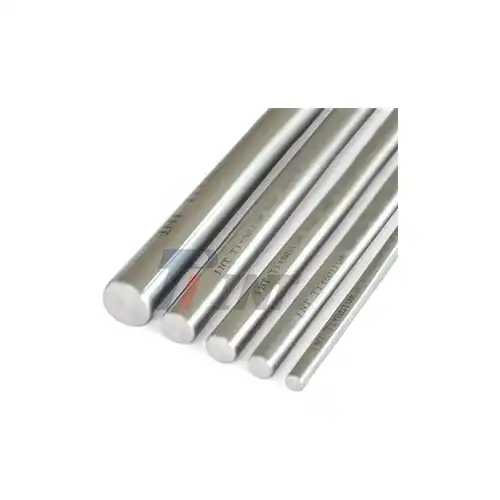
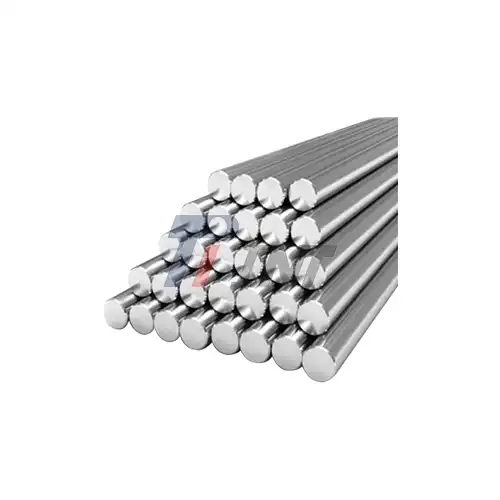
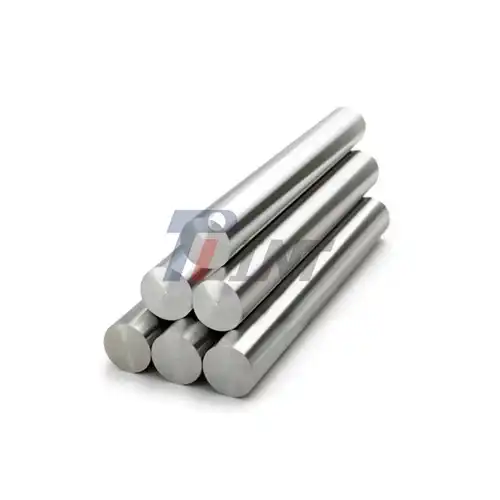
Gr3 titanium wire is safe for high-temperature medical uses within defined operational parameters. Classified under ASTM B863 as commercially pure (CP) Grade 3 titanium (UNS R50550), it maintains structural integrity and biocompatibility at temperatures up to approximately 400°C (752°F)—well above the 134°C autoclave sterilization threshold used in surgical instrument processing. Its minimum tensile strength of 450 MPa, combined with zero cytotoxicity and exceptional resistance to bodily fluids, makes it a reliable raw material choice for surgical instrument manufacturers sourcing titanium wire for demanding medical fabrication environments.
|
|
|
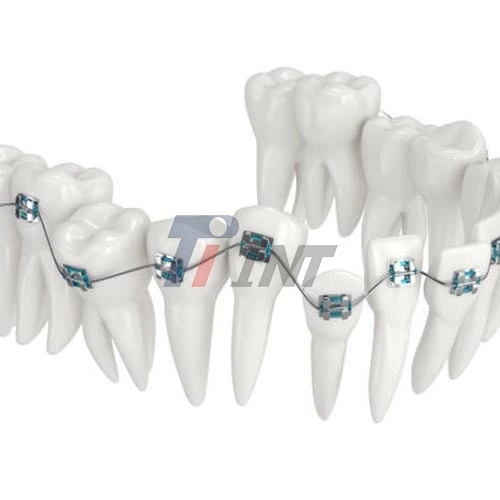
Understanding Gr3 Titanium Wire and Its Relevance in Medical Applications
What Sets Gr3 Apart in the CP Titanium Spectrum
Gr3 titanium wire is purposely placed in the family of commercially pure titanium. It has up to 0.35% more interstitial oxygen and up to 0.30% more iron, which makes it stronger than Grade 2 while keeping the single-phase alpha matrix. Because of this, it is the best middle grade when Grade 2 isn't stiff enough for pressure-bearing instrument parts and Grade 5 (Ti-6Al-4V) adds too much alloy complexity or machining cost.
This balance between strength and purity is important for companies that make surgery instruments, especially those that make forceps shafts, retractor handles, and elastic spring parts. It is well known that the wire is biocompatible: CP titanium grades always show zero ion release in normal saline, which is backed up by ISO 10993 biocompatibility testing procedures. It is better than austenitic stainless steel at resisting corrosion in most wet environments when exposed to oxidizing agents, body fluids, and sterilizing agents.
Manufacturing Standards That Matter
Making medical-grade titanium wire requires being able to track and be consistent. Manufacturers with a good reputation follow ASTM B863 for wire sizes, AWS A5.16 for welding filling uses, and ISO 13485:2016 for quality control. Each production heat lot should have a certified material test report (CMTR) with traceable heat numbers. This is a must for instrument makers who sell to OEM clients in Europe and North America, who do strict supplier audits.
High-Temperature Performance of Gr3 Titanium Wire in Medical Environments
Thermal Stability and Sterilization Resistance
One of the toughest thermal situations titanium wire has to deal with in medical manufacturing is the sterilization setting. Normal steam autoclaves work at 121°C to 134°C and 2 to 3 bar of pressure. Gr3 titanium wire can handle this without losing any of its tensile strength or surface integrity, even after hundreds of cycles—an important performance metric for surgical instruments that will be used again and again.
Up to about 400°C, CP Grade 3 titanium still has useful mechanical properties at higher temperatures. Beyond this point, oxidation rates rise sharply and creep resistance decreases. This is why titanium metals are used in uses with very high temperatures. Grade 3 wire, on the other hand, has consistent tensile strength and dimensional stability between 20°C and 400°C. This makes it a good choice for heat treatment processes like stress-relief annealing at 480°C to 595°C in controlled inert atmospheres that are used to make instruments.
Machining and Welding Considerations at Elevated Temperatures
When Grade 3 titanium is used as ERTi-3 welding filler wire, it needs to be surrounded by a strict inert gas covering, usually high-purity argon, to keep alpha-case contamination from happening above 260°C. Alpha-case creation, a thin, brittle layer of oxygen-rich material on the surface, is the main failure risk during incorrect heat processing. When the right carbide tools and cutting speeds are used, CNC machining and polishing of instruments made from Grade 3 titanium wire blanks is easy. This results in a smooth, burr-free surface finish that is good for medical polishing workflows.
Comparison: Gr3 Titanium Wire vs Other Materials for High-Temperature Medical Use
Purchasing engineers often compare medical-grade stainless steel, Grade 5 titanium alloy, and Grade 3 CP titanium. There are different pros and cons to each material that affect how it is sourced for different types of instruments.
The following is a straight comparison based on the factors that are most important to instrument makers:
- Gr3 CP Titanium Wire vs. Grade 5 (Ti-6Al-4V): Grade 5 offers higher tensile strength (minimum 895 MPa) but introduces aluminum and vanadium, which complicate biocompatibility documentation for some regulatory pathways. Gr3 remains the cleaner choice for surface-contact components where pure titanium certification is demanded by end customers. Grade 5 ELI is preferred for implant-grade applications requiring maximum fatigue resistance.
- Gr3 CP Titanium Wire vs. 316L Stainless Steel: Stainless steel is significantly heavier (density ~7.9 g/cm³ vs. titanium's ~4.5 g/cm³) and susceptible to pitting corrosion and stress corrosion cracking in chloride-rich sterilization environments. Gr3 titanium wire eliminates this risk entirely, reducing long-term instrument failure rates for manufacturers targeting premium export markets.
- Gr3 CP Titanium Wire vs. Grade 2 Titanium: Grade 2 offers superior ductility and ease of cold forming but delivers lower yield strength (minimum 275 MPa). For components requiring elastic spring behavior or higher structural load tolerance—such as retractor arms or spring-clip mechanisms—Gr3 provides the necessary rigidity without transitioning to alloyed grades.
These differences in performance have a direct effect on how things are bought. Manufacturers in Sialkot, Solingen, and other instrument-making clusters are choosing Gr3 titanium wire — Grade 3 titanium wire — more and more when their export customers want proof of material purity and measurable mechanical performance.
Procurement Considerations for Gr3 Titanium Wire in Medical Industries
Certifications and Documentation Requirements
When you buy medical titanium wire on a global B2B level, you're mostly just documenting what you're doing. As required by ASTM B863, suppliers must provide CMTRs that can be tracked by heat, are certified by ISO 13485:2016 for their quality management system, and bear EU CE marking if necessary. For companies that want to sell their goods in the US, FDA 21 CFR Part 820 compliance at the end-product level means keeping track of the raw materials used. This means that furnace-heat-numbered mill licenses must be obtained.
Supplier Selection and MOQ Flexibility
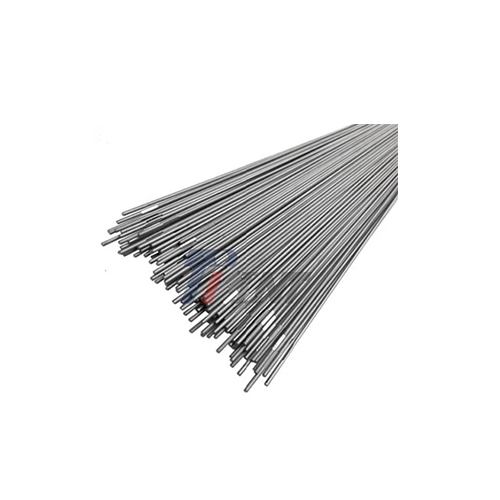
It can be hard for instrument makers to find suppliers who are willing to handle small-batch, multi-grade orders without adding to the lead times. This is especially true in the Sialkot and Solingen clusters, where orders with different specifications are common. Reliable suppliers of Gr3 titanium wire should have low minimum order quantities across diameter ranges (usually 0.1 mm to 6.0 mm), short standard lead times of 3–4 weeks, and quick technical support for sample requests before trial orders.
Best Practices for Handling, Storage, and Quality Assurance
Good material management has a direct effect on the quality of instruments that come after. To keep Gr3 titanium wire from getting contaminated by galvanic current, it should be kept in a dry, sealed area away from ferrous metals. Wearing clean nitrile gloves when handling wires stops chloride from moving to their surfaces, which can start localized corrosion during heat treatment.
Incoming inspection against the CMTR, surface inspection according to ASTM E426 eddy current testing for seams or die marks, and periodic tensile testing according to ASTM E8 should all be done to make sure the product meets the 450 MPa minimum tensile strength are all parts of quality control before it is made. These steps keep instrument makers from having to stop production because of bad raw materials, and they also help keep quality records that are ready for audits so that customers can look over the factory.
Conclusion
When bought from reputable sellers and treated according to set rules, Gr3 titanium wire has been shown to be a safe material for high-temperature medical fabrication uses. It can withstand temperatures up to 400°C, can be sterilized over and over, and fully meets ASTM B863 standards, which makes it a reliable raw material for companies that make medical instruments. Purchasing teams that care about both the quality of the material and its mechanical performance will find Grade 3 CP titanium wire to be a cost-effective, audit-ready option that helps with export compliance and keeping customers for a long time.
FAQ
Is Gr3 titanium wire biocompatible enough for permanent instrument contact?
ISO 10993 says that CP Grade 3 titanium is completely safe for living things. It doesn't release any metals ions that can be found in bodily fluids, so it can be used for devices that stay in contact with patients for a long time. It's not automatically considered an implant-grade material; that title only goes to certain alloy grades. However, its biocompatibility profile is well-known for making instruments.
How many autoclave cycles can Grade 3 titanium wire components withstand?
Studies on CP titanium surgical instruments show that the surface integrity or mechanical properties don't change at all after more than 1,000 cycles in an autoclave at 134°C. In chloride-heavy sterilization settings, this lasts a lot longer than stainless steel options.
Can Gr3 titanium wire be cold-drawn to fine diameters for suture or orthodontic wire blanks?
Yes. Cold-drawing can be used to make Grade 3 titanium wire with widths less than 0.2 mm after controlled intermediate heating. To keep the process from becoming weak, oxygen pickup must be carefully managed during annealing. However, this is what expert titanium wire makers always do.
What certifications should I request from a supplier?
Ask for ISO 13485:2016 quality system certification, EU CE certification, and ASTM B863 CMTRs with heat numbers. These papers help with both export customs clearance and factory audits for OEM clients.
Source Your Gr3 Titanium Wire from a Verified Medical Titanium Manufacturer
Baoji INT Medical Titanium Co., Ltd. has been selling medical-grade titanium materials since 2003 and is certified by both ISO 13485:2016 and EU CE. We are a reliable source for Gr3 titanium wire, and our standard lead times are 3–4 weeks, and our MOQs are flexible. To get a price or examples of our materials, email export@tiint.com or go to inttitanium.com.
References
1. ASTM International. ASTM B863: Standard Specification for Titanium and Titanium Alloy Wire. ASTM International, 2023.
2. International Organization for Standardization. ISO 10993-1: Biological Evaluation of Medical Devices. ISO, 2018.
3. International Organization for Standardization. ISO 13485: Medical Devices — Quality Management Systems. ISO, 2016.
4. Donachie, Matthew J. Titanium: A Technical Guide. ASM International, 2000.
5. Rack, H.J., and Qazi, J.I. "Titanium Alloys for Biomedical Applications." Materials Science and Engineering: C, Vol. 26, Issues 8–9, Elsevier, 2006.
6. Niinomi, Mitsuo. "Mechanical Biocompatibilities of Titanium Alloys for Biomedical Applications." Journal of the Mechanical Behavior of Biomedical Materials, Vol. 1, Issue 1, Elsevier, 2008.