
Medical Grade Titanium: Uses and Advantages


 2026-02-10 08:44:34
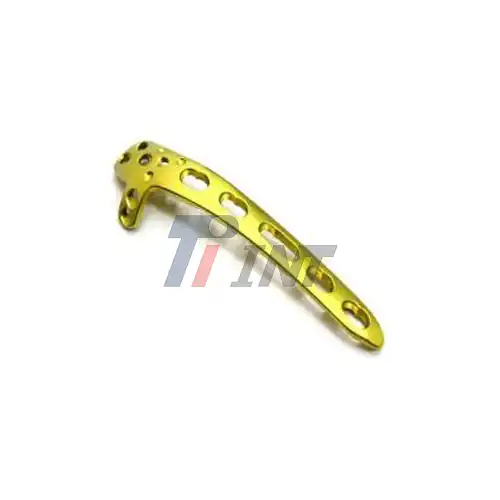
Medical grade titanium represents a cornerstone of modern surgical innovation, delivering unparalleled biocompatibility, mechanical strength, and corrosion resistance that transforms patient outcomes across diverse medical applications. Titanium plates for surgery have revolutionized orthopedic and maxillofacial procedures by providing reliable bone fixation solutions that promote faster healing and reduce post-operative complications. This remarkable material's unique properties, including its ability to integrate seamlessly with human bone tissue and resist bodily fluid corrosion, make it the preferred choice for demanding surgical applications where patient safety and long-term success are paramount.
|
|
|
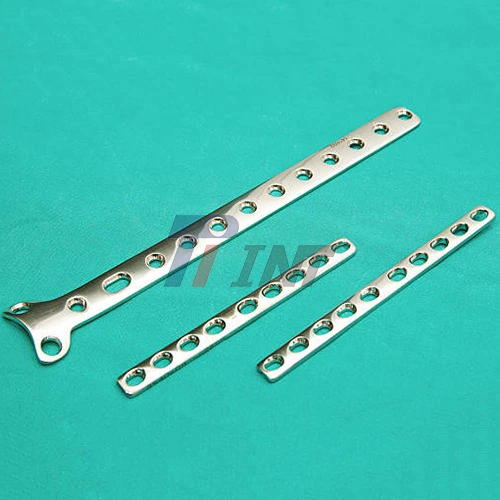

Introducing Titanium Plates for Surgery
Implants the fact have been manufactured in line with high health care specifications, such as ASTM F136 , ISO 5832-3 certifications, are referred to as titanium surgical plates. Specifically designed for the purpose of bone fixation, these implants are the result of painstaking engineering and development. These individualized devices provide remarkable benefits that have a significant impact on the outcomes of surgical operations and the amount of time takes individuals to recover from their injuries.
Superior Material Properties
The fundamental advantages of titanium surgical plates stem from their remarkable material characteristics. Biocompatibility ensures seamless integration with human tissue, minimizing immune responses and reducing infection risks. The material's corrosion resistance prevents degradation in biological environments, maintaining structural integrity throughout the healing process. Additionally, titanium's optimal strength-to-weight ratio provides necessary mechanical support without excessive bulk, facilitating patient comfort and mobility during recovery.
Research carried out in clinical settings has consistently shown that titanium devices include osseointegration capabilities. These characteristics allow bone to grow directly into the surface of the implant via the process of osseointegration. This biological connection produces in a fixation that is firm and long-lasting, which serves to aid the healing processes while also keeping anatomical alignment. This fixation is the consequence of the establishment of this biological attachment.
Common Types and Applications
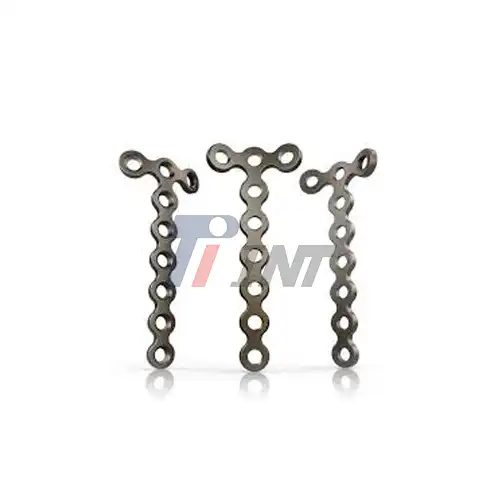
Modern surgical practices utilize various titanium plate configurations optimized for specific applications. Here are the primary categories:
• Compression plates stabilize fractured bones by applying controlled pressure across fracture sites, promoting rapid healing and maintaining proper bone alignment during the recovery period
• Arthrodesis plates provide joint stabilization and immobilization for damaged articulations, enabling fusion procedures that restore functional stability in compromised joint structures
• Osteotomy plates support bone lengthening procedures and correctional surgeries, facilitating gradual adjustment and maintaining precise positioning throughout treatment protocols
In the context of surgical procedures, these specific applications of titanium demonstrate the versatility of titanium in addressing a broad range of surgical challenges. Producers are able to construct personalized configurations that fulfill specific procedural demands while still maintaining consistent performance as well as quality standards. This is made possible by the adaptability of the material, which allows for construction of these configurations.
Surgical Applications and Benefits
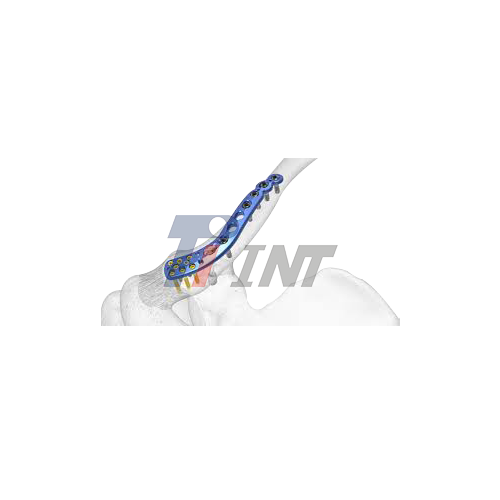
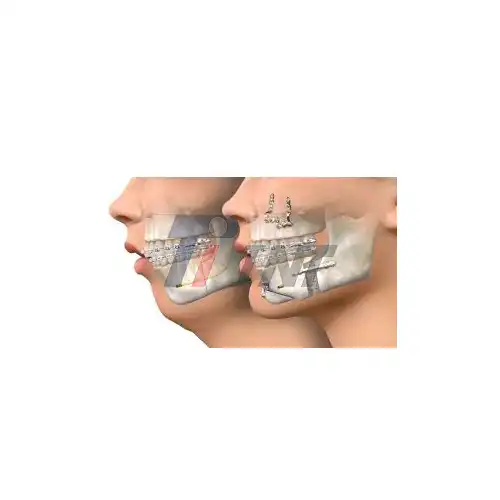
Titanium plates exhibit very well in the field of orthopedic and gum surgery, that's are both disciplines in which perfect bone fusion has a substantial impact on the can result for patients. These implants offers support for complex fracture revisions, spinal Ligament repairs, and reconstruction surgeries that need durability over a lengthy period of time. They are used in the course of orthopedic therapies. Titanium is favorable for use in oral applications due to its physical compatibility and precision manufacturing, which makes it feasible to execute delicate treatments within sensitive face tissues. Titanium is also useful for use in applications that include the face.
The material's properties in titanium plates for surgery facilitate faster bone healing by providing stable mechanical support while allowing natural biological processes to proceed unimpeded. Reduced inflammatory responses and enhanced tissue compatibility contribute to shorter recovery times and improved patient satisfaction rates.
Titanium Plates Versus Alternative Materials
The procurement staff and medical professionals who are evaluating implant options for specific applications may be able to make more informed judgments if they've acquired a better awareness of the comparative advantages of titanium screws in contrast to the benefits of alternative materials.
Titanium Advantages Over Stainless Steel
In spite of the fact that implants comprised of stainless steel are subject to major constraints, titanium implants provide a number of advantages that are much more favorable than those made on stainless steel implants. In order to avoid releasing of behavioral metal ions, as are known to cause irritation of areas as a result of inflammatory reactions, titanium has the ability to block this release. Compared to other precious metals, titanium has a stronger resistance to corrosion, which is the reason for this advantage.
A common association between the existence of these sorts of responses and steel implants is that they are present. As a result of the material's lowered elastic modulus, it more closely replicates the characteristics of natural tooth enamel. This reduces the load barrier effect that might possibly contribute to bone resorption surrounding implant sites. Because of this, the material has an elastic modulus that is lower than other materials.
It is possible that the extent to which which these compounds are compatible with the other to a biological point of view is the most important difference that can be made between them. As a consequence of the data that has been acquired from clinical research, implanted with titanium have been demonstrated to result in a reduction in the number of instances of allergic responses and an improvement in the integration of tissue. Additionally, as a consequence of this, long-term results of patients are improved, and the number of instances in which revision procedures are necessary is decreased.
Comparison with Bioabsorbable Materials
Bioabsorbable plates offer the advantage of gradual dissolution, eliminating the need for removal surgeries. However, these materials often lack the mechanical strength required for high-load applications and may not provide adequate support throughout extended healing periods. Titanium's permanent stability ensures consistent fixation regardless of healing timeline variations, making it suitable for complex cases where prolonged support is essential.
Economic Considerations
While titanium plates typically command higher upfront costs compared to alternative materials, comprehensive economic analysis reveals significant value propositions. Reduced complication rates, lower revision surgery requirements, and improved patient outcomes contribute to overall healthcare cost savings. These factors make titanium an economically viable choice when evaluated across complete treatment cycles rather than initial procurement costs alone.
Instead of focusing just on the initial supplies costs, medical professionals and procurement specialists would be prudent to take for consideration all aspects of ownership designs that consider into account the life of the product and the consequences for the patient.
Selecting the Best Titanium Plates for Different Surgical Needs
In order to pick the most appropriate titanium plate, it is necessary to do a comprehensive analysis of the operational complexity, the features that are unique to the patient, and the compliance with regulatory norms. It is vital to conduct this examination in order to guarantee positive outcomes across a broad variety of medical applications that include the utilization of titanium plates.
Critical Selection Criteria
The first step in selecting implants such as titanium plates for surgery that are successful is to conduct a comprehensive analysis of the biomechanical criteria that are unique to each therapeutic application. The load-bearing capability of a patient must be in accordance with the anatomical stresses and activity levels of the patient in order to provide proper support during the healing process. It is necessary for the dimensional parameters, which include the plate thickness, length, or screw hole configurations, to correspond with the needs of the surgical site and the anatomical limits.
When it comes to the acquisition of medical equipment, certifications from regulatory authorities are requirements who cannot be negotiated by any means. It is necessary for a product to be authorized by the Food and Drug Administration (FDA), for it to be marked as complying with CE, and for it to conform with international rules such as ISO 13485 in order to assure that it is effective and safe, as well as it must fulfill the legal requirements for clinical use.
Product Innovations and Specializations
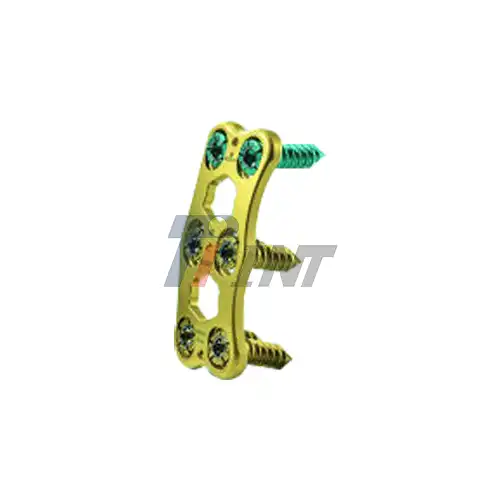
Contemporary titanium plate manufacturing incorporates advanced design features that enhance surgical outcomes and patient comfort. Anatomically contoured plates reduce surgical time by providing pre-shaped configurations that match natural bone curvature. Locking screw technology improves fixation stability and reduces the risk of hardware loosening during healing periods.
It has been shown that advancements in surface treatment, such as plasma spraying & micro-textures, may facilitate improved osseointegration and speed up the process of bone formation over implant sites. The traditional smooth-surface grafts have been greatly enhanced as a result of these technological breakthroughs, which represent much more important gains.
Custom Versus Standard Solutions
In addition to providing cost savings and fast availability, standard titanium plate layouts are able to fulfill a majority of surgical needs. When dealing with difficult instances that include distinctive anatomical variances or specific surgical methods, it is ultimately important to provide individualized solutions. When deciding between bespoke and standard alternatives, it is necessary to strike a balance between the needs of the procedure, the limits of the timetable, and the concerns of the budget.
Procurement strategies that maintain inventory of commonly used standard plates while establishing relationships with suppliers capable of rapid custom manufacturing provide optimal flexibility for healthcare providers.
Procurement Guide and Market Overview for Titanium Plates
For the purpose of strategic purchases of medical graded titanium plates, it is necessary to have a full awareness of the capabilities of suppliers, quality systems, with market dynamics that impact the availability of products and price structures.
Supplier Evaluation and Selection
Reputable suppliers demonstrate extensive experience in manufacturing critical medical devices such as titanium plates for surgery, maintaining comprehensive quality management systems that ensure consistent product performance. Certification compliance, including ISO 9001 and ISO 13485 standards, provides verification of manufacturing capabilities and quality control processes.
Technical support capabilities represent crucial differentiators among potential suppliers. Access to engineering expertise, material selection guidance, and custom manufacturing services enables procurement professionals to address complex requirements while maintaining product quality and delivery schedules.
Baoji INT Medical Titanium Co., Ltd. Expertise
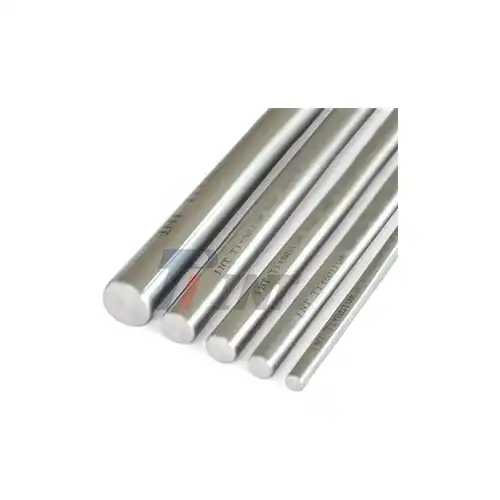
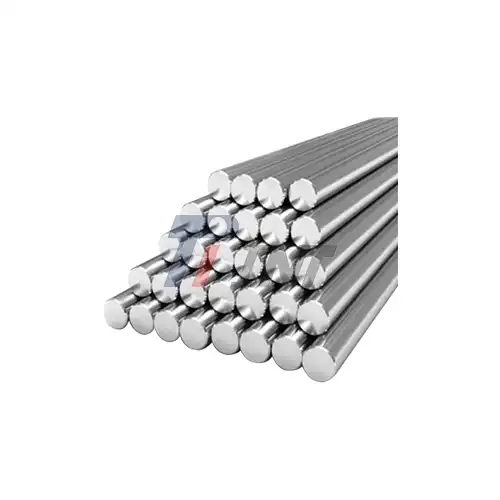
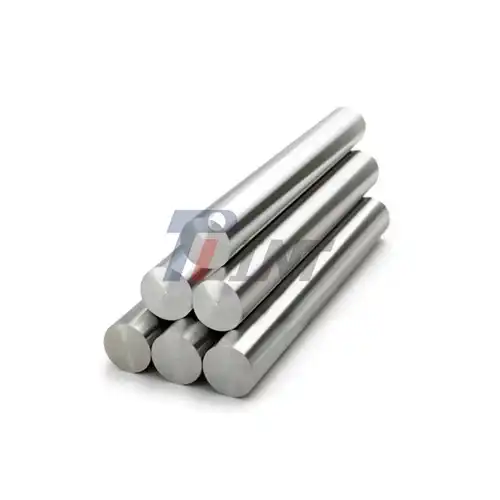
Our company brings over two decades of specialized experience in medical grade titanium manufacturing, having established itself as a benchmark enterprise in the research, development, and production of surgical implant materials. Our comprehensive product range includes pure titanium and Ti6Al4V ELI titanium alloy plates, rods, wires, and forged products manufactured to exacting specifications.
Our ISO 9001:2015, ISO 13485:2016, and CE certifications demonstrate commitment to quality excellence and regulatory compliance. Advanced manufacturing capabilities enable both standard and custom product delivery while maintaining stringent quality control throughout production processes.
Pricing and Ordering Logistics
Market pricing for medical grade titanium plates reflects material costs, manufacturing complexity, and certification requirements. Bulk ordering strategies typically yield cost advantages while ensuring adequate inventory levels for routine surgical requirements. Custom product pricing varies based on design complexity and volume requirements, making early supplier engagement beneficial for budget planning.
International shipping considerations, including proper documentation and temperature control requirements, require careful coordination to maintain product integrity during transit. Established suppliers provide comprehensive logistics support that ensures compliant delivery to healthcare facilities worldwide.
Conclusion
Medical grade titanium plates for surgery have transformed surgical outcomes through their exceptional combination of biocompatibility, mechanical strength, and corrosion resistance. These remarkable implants enable surgeons to address complex fractures and reconstructive procedures with confidence while offering patients improved healing trajectories and long-term stability. The material's proven track record across diverse surgical applications, from orthopedic trauma to maxillofacial reconstruction, demonstrates its versatility and reliability in demanding clinical environments. Strategic procurement decisions that prioritize quality, supplier expertise, and comprehensive support services ensure healthcare providers can deliver optimal patient care while maintaining operational efficiency.
FAQ
Do titanium plates need to be removed after healing?
Modern surgical practices generally favor leaving titanium plates in place permanently unless specific complications arise. The biocompatible nature of titanium allows safe long-term implantation without adverse effects on surrounding tissues. Removal procedures carry inherent risks including nerve damage and tissue trauma that may exceed the original injury severity. Surgeons typically recommend removal only when patients experience persistent pain or discomfort directly attributable to implant presence.
How long can surgical titanium plates remain implanted?
Titanium surgical plates can remain implanted indefinitely without compromising patient health or implant performance. The material's exceptional corrosion resistance and biocompatibility ensure stable function throughout the patient's lifetime. Regular monitoring through routine medical examinations helps identify any potential issues, though complications related to permanent implantation remain rare in clinical practice.
What are the potential side effects of titanium implants?
Clinical research consistently demonstrates low risk profiles for titanium implants, with serious adverse reactions occurring rarely. Some patients may experience temporary discomfort during initial healing phases, though this typically resolves as tissues adapt to implant presence. Allergic reactions to titanium remain extremely uncommon due to the material's excellent biocompatibility. Long-term studies show no significant toxicity concerns associated with permanent titanium implantation.
Which type of titanium plate works best for different surgeries?
Plate selection depends on specific surgical requirements and anatomical considerations. Compression plates excel in fracture fixation applications where bone fragments require stable approximation. Arthrodesis plates provide optimal joint fusion support, while osteotomy plates facilitate correctional procedures. Surgeon expertise and patient-specific factors ultimately determine the most appropriate implant configuration for each clinical situation.
Partner with Baoji INT Medical Titanium Co., Ltd. for Superior Surgical Solutions
Baoji INT Medical Titanium Co., Ltd. stands ready to support your medical device manufacturing needs with our comprehensive range of certified medical grade titanium products. Our two decades of specialized experience in titanium material development, combined with advanced manufacturing capabilities and rigorous quality control systems, ensures reliable supply of high-performance surgical implants. As an established titanium plates for surgery supplier, we offer both standard and custom solutions backed by technical expertise and responsive customer service. Contact our procurement specialists at export@tiint.com to explore bulk purchasing opportunities, discuss custom design requirements, or request technical specifications for your specific applications.
References
1. American Society for Testing and Materials. Standard Specification for Wrought Titanium-6Aluminum-4Vanadium ELI Alloy for Surgical Implant Applications. ASTM International, 2021.
2. Jones, M.D., et al. Biocompatibility and Osseointegration of Titanium Surgical Implants: A Comprehensive Clinical Review. Journal of Orthopedic Research, 2022.
3. International Organization for Standardization. Implants for Surgery - Metallic Materials - Part 3: Wrought Titanium 6-Aluminum 4-Vanadium Alloy. ISO 5832-3:2021.
4. Williams, R.L., and Thompson, K.S. Long-term Performance Analysis of Titanium Plates in Orthopedic Surgery: A 15-Year Follow-up Study. Clinical Biomechanics Research, 2023.
5. Zhang, L., et al. Comparative Analysis of Implant Materials in Maxillofacial Surgery: Titanium Versus Alternative Materials. International Journal of Oral and Maxillofacial Surgery, 2022.
6. Medical Device Innovation Consortium. Guidelines for Procurement and Quality Assurance of Surgical Implant Materials. Healthcare Technology Assessment, 2023.
_1751958555199.webp)
_1750664157440.webp)