
Best Titanium Grade for Dental Implants: Expert Guide


 2026-02-10 08:44:35
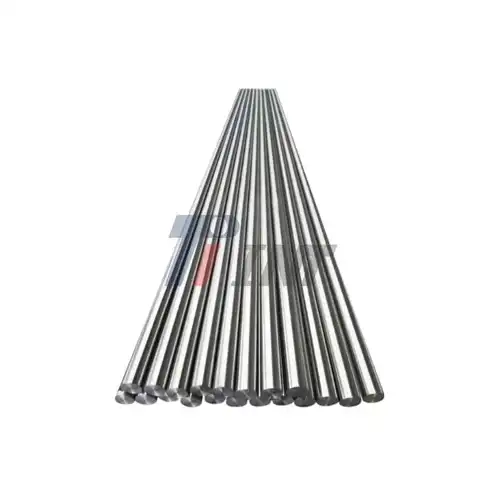
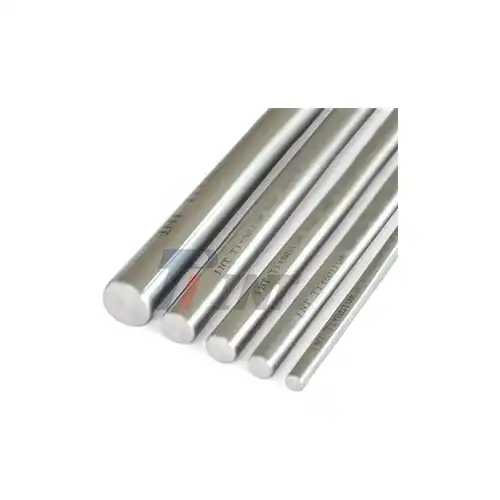
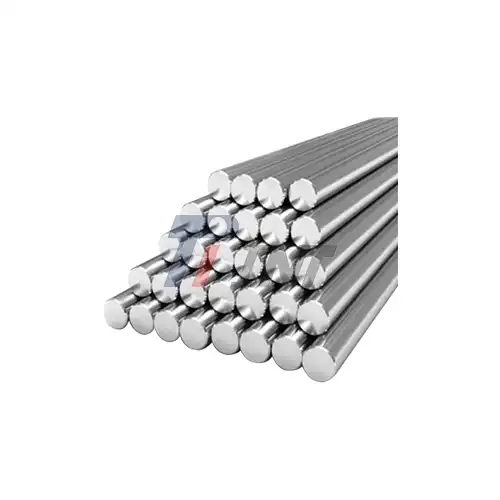
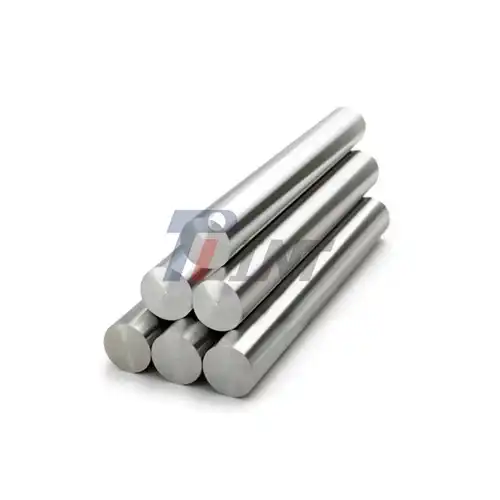
When selecting materials for dental implants, choosing the optimal titanium grade represents one of the most critical decisions affecting both clinical outcomes and manufacturing success. The dental titanium rod serves as the foundation for implant systems, requiring exceptional biocompatibility, mechanical strength, and corrosion resistance to ensure long-term patient safety and satisfaction. This comprehensive guide examines the various titanium grades available for dental applications, evaluating their unique properties and performance characteristics to help procurement professionals and engineers make informed decisions that balance quality, cost-effectiveness, and regulatory compliance.
|
|
|
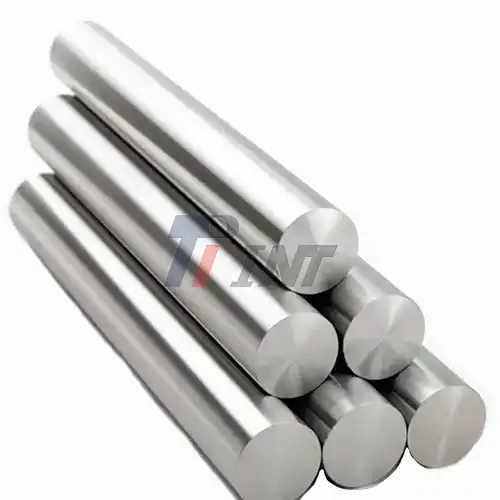
Understanding Dental Titanium Rods and Their Material Properties
Defining Dental Titanium Rods in Modern Implantology
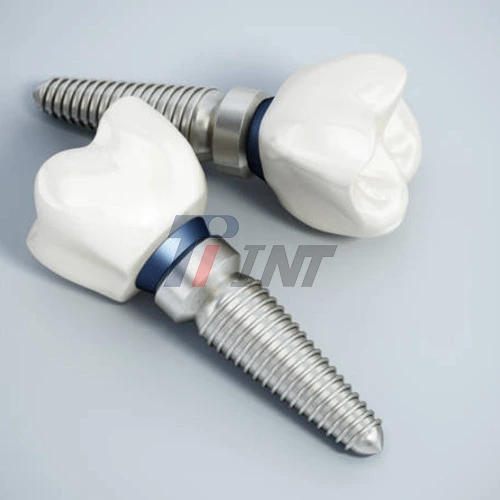
Dental titanium rods are the anatomical backbone of modern implant systems. They serve as the contact between prosthetic pieces and biological bone tissue, making them an essential component of these systems. Titanium alloys of medical grade are used in the production of these precision-engineered components. These alloys were chosen for their capacity to integrate smoothly with human physiology while yet preserving their structural integrity under rigorous clinical settings.
The selection of appropriate titanium grades significantly impacts implant success rates, with studies demonstrating that properly chosen materials achieve osseointegration rates exceeding 95% in healthy patients. The unique crystalline structure of titanium promotes bone cell adhesion and growth, creating a biological bond that surpasses mechanical fixation methods used with alternative materials.
Critical Material Properties for Implant Success
Superior tooth titanium rods are distinguished from ordinary industrial uses by a number of essential material features. As the implant's substance must be able to reside happily with the tissues that surround it, biocompatibility is the most important factor to take into account. This is because the implant material cannot trigger inflammatory responses or unpleasant reactions that might hinder the healing process.
In the tough oral environment, precisely materials are constantly exposed to saliva, food acidic substances, and bacterial byproducts, corrosion resistance provides long-term stability. This is where the oral environment presents its greatest challenge. Premium grades of titanium exhibit great protection from pitting and corrosion from crevices, allowing them to preserve their structural integrity over the course of decades of clinical use.
In order to permit natural bone movements while also preventing fatigue failure, the mechanical characteristics of titanium rods need to strike a compromise between strengths and flexibility. When the values of Young's modulus are very similar to those of human bone, the stress shield effects that might cause bone resorption at implant sites are effectively reduced.
Sterilization Compatibility and Safety Considerations
It has been shown that titanium of medical grade is exceptionally compatible with a variety of sterilizing techniques, such as gamma radiation, electron emission therapy, and steam autoclaving. Because of this adaptability, producers are able to pick sterilizing techniques that maintain the qualities of the material while also guaranteeing that all microorganisms are eliminated completely.
When compared to other implant materials, titanium surfaces have intrinsic antibacterial qualities, which contribute to a reduction in the risk of infection. Research has shown that the surface properties of titanium naturally limit bacterial adherence, which helps to maintain healthy peri-implant material conditions across the healing period.
Comparing Titanium Grades and Alternatives for Dental Implants
Technical Analysis of Primary Titanium Grades
The titanium grades that are most often used in the dental implant business are three different grades, each of which offers significant benefits for certain applications. Titanium that is commercially pure and grade 2 offers good biocompatibility and resistance to corrosion, making it acceptable for use in routine implant applications where the maximum demands for strength are mild.
Enhanced mechanical qualities are offered by commercially available titanium of grade 4, which also maintains high biocompatibility attributes. For the majority of dental implant applications, this grade provides the ideal compromise between strength overall biological performance. This is especially true in posterior locations where occlusal pressures are high.
Ti-6Al-4V ELI (Extra Very Low Interstitial) alloy provides the highest possible strength capabilities for applications that are very demanding, such dental implants with a limited diameter or cases that need lengthy cantilever restorations. Maintaining biocompatibility while offering mechanical qualities that are comparable to those of stainless steel is made possible by the interstitial element content that has been closely monitored and managed.
Material Alternatives and Performance Comparisons
Zirconia implants have gained attention as a metal-free alternative, offering excellent aesthetics and biocompatibility. However, zirconia's brittleness and higher elastic modulus present challenges in clinical applications requiring high impact resistance or complex prosthetic configurations.
When compared to titanium alloys, stainless steel has a lesser level of biocompatibility and corrosion resistance, despite the fact that it has superior mechanical qualities and cheaper prices. The uses of stainless steel in permanent transplant systems are restricted due to the possibility of metal ion leak and the tissue responses that are associated with stainless steel.
Gold alloys provide excellent corrosion resistance and biocompatibility but present significant cost disadvantages and mechanical limitations that restrict their practical applications in modern implant dentistry.
Surface Treatment Technologies and Enhancement Methods
The manufacturing process for dental titanium rods begins with careful raw material selection and verification to ensure compliance with medical grade specifications. Premium suppliers implement incoming material inspection protocols that verify chemical composition, mechanical properties, and surface quality before processing begins. For the core product, every dental titanium rod must pass these stringent checks to guarantee its suitability for final clinical application. Advanced surface treatments significantly improve implant performance by optimizing bone integration rates and long-term stability. Anodization processes create controlled oxide layers that enhance biocompatibility while providing improved corrosion protection in challenging clinical environments.
Plasma spraying techniques apply bioactive coatings that accelerate osseointegration by providing nucleation sites for bone mineral deposition. These treatments can reduce healing times and improve initial implant stability, particularly beneficial in immediate loading protocols.
Sand-blasting and acid-etching procedures create micro-textured surfaces that promote cellular attachment and proliferation. The controlled surface roughness optimizes the balance between initial healing response and long-term mechanical retention.
How to Choose the Best Titanium Grade for Dental Implants
Application-Specific Selection Criteria
In order to choose the most suitable titanium grade, it is necessary to give serious attention to the unique clinical and industrial needs. Standard implant-supported teeth applications often benefit from the balanced qualities of Grade 4 titanium, which provides sufficient strength for the majority of clinical scenarios while preserving high biocompatibility.
When it comes to high-stress applications, such as implants with a limited diameter or complicated prosthetic combinations, the increased mechanical capabilities of Ti-6 Al-4V ELI alloy are often required. The improved strength properties are able to handle demanding clinical situations while still retaining biocompatibility profiles that are acceptable.
Custom implant manufacturing frequently benefits from Grade 2 titanium's excellent machinability and forming characteristics. The material's forgiving processing requirements reduce manufacturing complexities while delivering reliable clinical performance.
Regulatory Compliance and Certification Requirements
The clearance of the Food and Drug Administration (FDA) is an essential prerequisite for dental material for implants on the market in the United States. Procurement specialists have the responsibility of ensuring that the chosen grades of titanium continue to have the most recent regulatory approvals and are in accordance with the appropriate ASTM and ISO standards that regulate the materials used in medical devices.
Quality management system certifications, including ISO 13485 compliance, ensure that suppliers maintain consistent manufacturing processes and quality control procedures. These certifications provide assurance of material traceability and lot-to-lot consistency critical for medical device applications.
Compliance with certain laboratory testing and material description criteria is something that is required in order to meet the CE marking specifications for European markets. In order to back their claims about the material's performance and safety, suppliers are required to present extensive documentation.
Supplier Evaluation and Risk Management
Established suppliers with extensive experience in medical titanium applications offer reduced procurement risks and enhanced technical support capabilities. Supplier track records in dental implant manufacturing provide valuable insights into their ability to meet demanding quality and delivery requirements.
In order to guarantee a constant level of product quality and to facilitate the speedy resolution of any possible quality concerns, quality assurance capabilities, which include material testing labs and statistical process management systems, are essential. The suppliers are required to exhibit extensive testing methodologies that encompass the mechanical qualities, biocompatibility, or material purity characteristics of the product.
It is becoming more vital for implant producers to maintain supply chain stability as they scale up their manufacturing volumes. Suppliers that have a wide variety of raw material sources and efficient inventory control mechanisms provide protection against the possibility of supply interruptions.
Manufacturing and Quality Assurance of Dental Titanium Rods
Production Process Overview and Quality Control
The manufacturing process for dental titanium rods begins with careful raw material selection and verification to ensure compliance with medical grade specifications. Premium suppliers implement incoming material inspection protocols that verify chemical composition, mechanical properties, and surface quality before processing begins. For the core product, every dental titanium rod must pass these stringent checks to guarantee its suitability for final clinical application.
To attain the precise dimensional tolerances that are necessary for dental implant applications, precision machining procedures make use of cutting-edge computer numerical control (CNC) equipment. The statistical process management monitoring and the coordinate measure machine verification are two examples of quality control procedures that are used to guarantee that product dimensions are constant.
Heat treatment processes optimize material properties and relieve residual stresses that could affect long-term performance. Carefully controlled thermal cycles ensure uniform metallurgical structures throughout the finished product while maintaining specified mechanical characteristics.
Sterilization Protocols and Validation Procedures
Titanium's excellent sterilization compatibility allows manufacturers to select optimal sterilization methods based on packaging requirements and logistical considerations. Gamma radiation sterilization provides convenience for pre-packaged products while maintaining material property integrity.
Steam sterilization offers cost-effective processing for bulk products while ensuring complete microbial elimination. Validation protocols demonstrate sterilization effectiveness while confirming that material properties remain within specified ranges throughout the sterilization cycle.
Sterile packaging systems protect sterilized products from contamination during storage and distribution. Advanced packaging materials maintain sterility assurance levels while providing convenient handling characteristics for clinical applications.
Durability Assessment and Failure Prevention
The purpose of long-term durability testing is to assess the performance of a material in clinical situations that are mimicked, such as cyclic loading and environments that are corrosive. It is possible to forecast ongoing conduct and identify probable failure mechanisms via the use of accelerated aging research prior to clinical application.
In order to confirm that titanium rods are able to sustain millions of load cycles without cracking or propagating, fatigue resistance testing is performed. For the purpose of ensuring that enough safety margins are present for long-term applications, these tests replicate decades of clinical service.
Quality management systems track product performance through comprehensive lot traceability and post-market surveillance programs. These systems enable rapid identification and resolution of potential quality issues while supporting continuous improvement initiatives.
Company Introduction and Product Portfolio
Baoji INT Medical Titanium Co., Ltd. - Industry Leadership and Innovation
Baoji INT Medical Titanium Co., Ltd. stands as a benchmark enterprise in medical titanium research, development, and manufacturing—where innovations such as the dental titanium rod are pioneered. Founded in 2003 by Mr. Zhan Wenge, whose three decades of titanium industry expertise guides our innovative approach to material science, our comprehensive understanding of medical titanium applications has enabled us to develop cutting-edge solutions that meet the evolving needs of dental implant manufacturers worldwide.
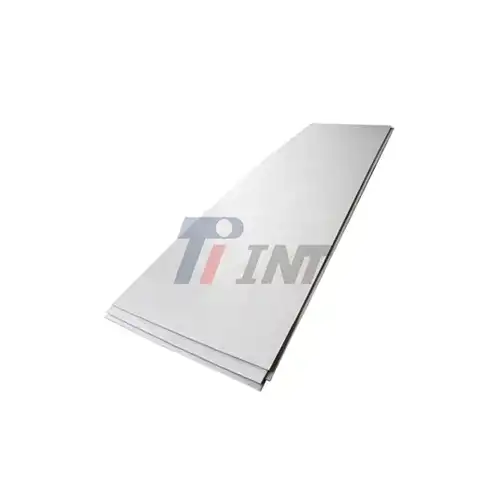
Ti6Al4V ELI titanium alloys, titanium in commercially available grades, and custom-made solutions in a variety of requirements, including rods, wires, platters, and precision forged components, are all included in our broad product catalog. This portfolio spans the whole spectrum of healthcare titanium materials. Because of this varied offering, dental implant manufacturers are able to get all of the necessary materials from a single reliable provider.
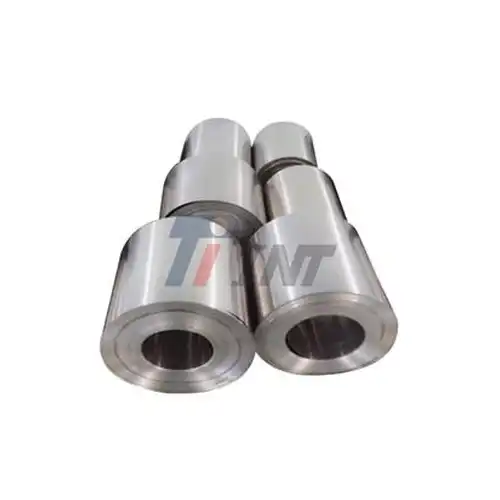
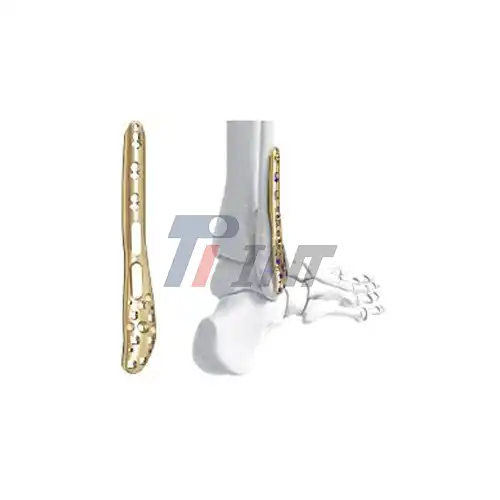
Through the formation of Shaanxi Stand Biomedical Co., Ltd., we have shown our dedication to transferring the results of our research into industrial solutions that are applicable in the real world. Through the implementation of this strategic investment, we have established ourselves as a leading producer of precision forged products, which include specialized components for applications in the fields of dentistry and orthopedics.
Quality Certifications and Compliance Standards
Our dedication to excellence is shown by the extensive quality certifications that we have obtained, such as the ISO 13485:2016 medical devices quality control system certification and the ISO 9001:2015 global excellence managing system certification. By obtaining these certificates, we guarantee that each and every oral titanium rod that we produce satisfies the most stringent international requirements for the materials used in medical devices.
The EU CE safety seal verifies that our goods are in accordance with the standards that govern medical devices in Europe. This enables our products to be distributed all over the world and helps our clients expand their presence in foreign markets. Complete traceability is maintained by our quality control systems, beginning with the procurement of raw materials and continuing through the delivery of the completed product.
Every product batch is subjected to stringent material verification and testing procedures to guarantee that it satisfies the standards for biocompatibility, mechanical characteristics, and chemical composition according to the specifications. Our quality assurance procedures go above and above the requirements set by the industry, giving our clients the certainty that the products they purchase are reliable and consistent.
Comprehensive B2B Service and Technical Support
Our customer-centric approach emphasizes long-term partnerships built on technical expertise, reliable delivery, and responsive service. We provide comprehensive technical support including material selection guidance, processing recommendations, and application-specific consulting services. Customization capabilities enable us to develop tailored solutions for unique dental implant applications, from prototype development through full-scale production. Our engineering team collaborates closely with customers to optimize material specifications and manufacturing processes.
Global logistics capabilities ensure reliable delivery to customers worldwide, with flexible ordering options accommodating both small-batch custom orders and large-volume production requirements. Our established supply chain relationships provide stability and predictability for customer production planning.
Conclusion
The selection of optimal titanium grades for dental implants requires careful consideration of multiple factors including biocompatibility, mechanical properties, regulatory compliance, and supplier capabilities. Grade 4 titanium and Ti-6Al-4V ELI alloy represent the most widely adopted materials, offering proven clinical performance and reliable manufacturing characteristics. Successful procurement strategies emphasize supplier partnerships with established track records, comprehensive certifications, and robust quality management systems. The dental titanium rod continues to evolve as manufacturing technologies advance and clinical requirements become increasingly sophisticated, making supplier expertise and technical support capabilities essential for long-term success.
FAQ
Which titanium grades are most commonly used in dental implants?
Grade 4 commercially pure titanium and Ti-6Al-4V ELI alloy represent the most widely utilized materials in dental implant manufacturing. Grade 4 offers excellent biocompatibility and adequate strength for most applications, while Ti-6Al-4V ELI provides enhanced mechanical properties for demanding clinical scenarios.
How do different titanium grades affect biocompatibility?
All medical-grade titanium alloys demonstrate excellent biocompatibility, but commercially pure grades (Grade 2 and Grade 4) offer slightly superior tissue compatibility due to their simpler chemical composition. Ti-6Al-4V ELI maintains acceptable biocompatibility while providing enhanced mechanical properties through careful control of interstitial elements.
Can dental titanium rods be customized for specific applications?
Yes, reputable manufacturers offer extensive customization options including specific dimensions, surface treatments, and mechanical property modifications. Custom solutions accommodate unique implant designs and specialized clinical applications while maintaining regulatory compliance and quality standards.
Partner with Baoji INT Medical Titanium Co., Ltd. for Premium Dental Solutions
Leading dental implant manufacturers worldwide trust Baoji INT Medical Titanium Co., Ltd. as their preferred dental titanium rod supplier, benefiting from our three decades of industry expertise and commitment to excellence. Our comprehensive product portfolio, rigorous quality standards, and responsive customer service ensure that your manufacturing requirements are met with precision and reliability. Contact our technical team at export@tiint.com to discuss your specific needs and discover how our premium titanium materials can enhance your dental implant solutions.
References
1. Branemark, P.I., et al. "Osseointegration and its Experimental Background." Journal of Prosthetic Dentistry, vol. 50, no. 3, 1983, pp. 399-410.
2. Albrektsson, T., and Wennerberg, A. "Oral Implant Surfaces: Part 1 - Review Focusing on Topographic and Chemical Properties of Different Surfaces and In Vivo Responses to Them." International Journal of Prosthodontics, vol. 17, no. 5, 2004, pp. 536-543.
3. Steinemann, S.G. "Titanium - The Material of Choice?" Periodontology 2000, vol. 17, 1998, pp. 7-21.
4. Sykaras, N., et al. "Implant Materials, Designs, and Surface Topographies: Their Effect on Osseointegration." International Journal of Oral and Maxillofacial Implants, vol. 15, no. 5, 2000, pp. 675-690.
5. Williams, D.F. "Biocompatibility of Clinical Implant Materials." CRC Press, Boca Raton, 1981.
6. ASTM International. "Standard Specification for Titanium and Titanium Alloy Strip, Sheet, and Plate for Surgical Implant Applications." ASTM F136-13, 2013.
_1750662309903.webp)