

Medical Titanium Bar Certification Requirements Explained


 2026-08-03 15:15:00
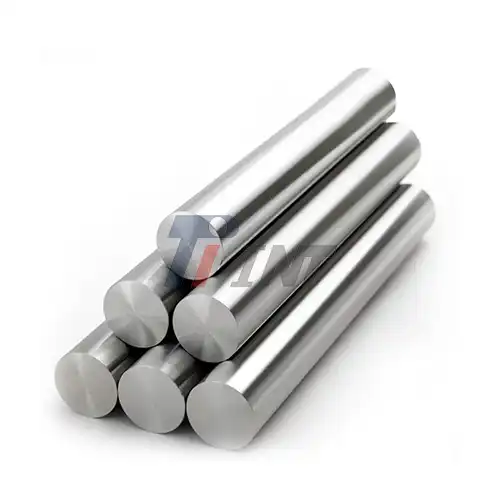
When sourcing materials for surgical implants and medical devices, understanding certification requirements is not merely a regulatory checkbox—it becomes a critical defense against product recalls, patient harm, and operational disruption. ASTM F67 Titanium Bar certification encompasses a comprehensive framework of chemical purity, mechanical integrity, and traceability standards designed specifically for unalloyed titanium destined for surgical implant applications. This specification covers four grades (Grade 1 through Grade 4) of commercially pure titanium, each defined by oxygen content and corresponding mechanical strength, ensuring manufacturers can select the appropriate material balance between ductility and load-bearing capacity for diverse implant geometries.
|
|
|
Understanding ASTM F67 Titanium Bar: Standards and Specifications
Defining the Scope of ASTM F67
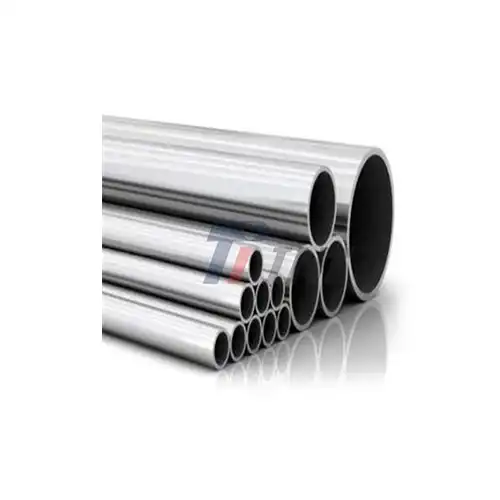
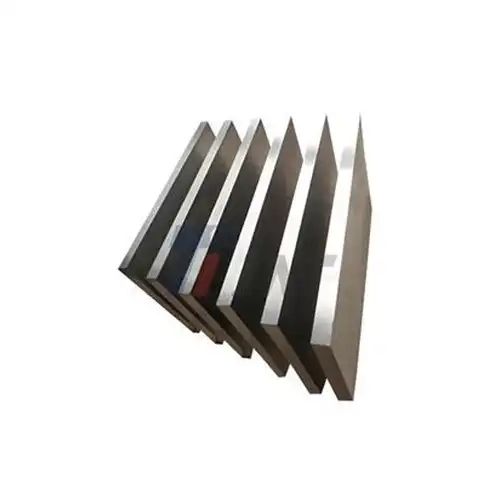
Standard ASTM F67 Titanium Bar is the only one that applies to unalloyed titanium that is used in surgical implants. In contrast to ASTM B348, which governs general industrial titanium, this standard has tighter controls on the makeup of titanium to get rid of any elements that could cause cytotoxic reactions or metallosis in human tissue.
The specification is for bar stock that is meant to be permanently implanted. Long-term clinical success depends on osseointegration, which is the biological bonding between bone and implant surface. ASTM F136, on the other hand, talks about a titanium-6aluminum-4vanadium alloy that is stronger but has alloying elements that need different biocompatibility validation protocols. From what we've seen at Baoji INT Medical Titanium, sourcing managers often get these standards mixed up, which causes expensive material changes during FDA audits.
Chemical Composition Criteria
The four types in ASTM F67 Titanium Bar are mostly different by the amount of intermediate elements they contain. Grade 1 has no more than 0.18% oxygen and is very flexible (elongation greater than 24%), making it good for shaping maxillofacial plates during surgery. Grade 4 allows up to 0.40% oxygen, which gives it a yield strength of more than 483 MPa for tooth implant fittings that hold weight. All grades must have an iron content of no more than 0.50%, and the hydrogen content must be less than 0.015% to avoid delayed breaking. Carbon and nitrogen levels are also limited to keep the passive oxide layer formation that stops ion release in body environments that are high in salt. You can't go beyond these limits; even small changes can weaken the natural TiO2 layer that protects nearby tissue from inflammatory reactions.
Mechanical Properties and Dimensional Tolerances
Tensile strength requirements go up with grade: Grade 1 needs at least 240 MPa of ultimate tensile strength, and Grade 4 needs at least 550 MPa. Inversely related to elongation, Grade 1 is the most flexible and Grade 4 is the stiffest for threaded screw uses. Bar stock usually has dimensional tolerances of 0.13 mm for diameters less than 25 mm and 0.25 mm for larger sections. These tolerances are very important for automated CNC machining processes that make surgical instruments with micrometre accuracy.
The standards for the surface finish stop stress concentration points that could cause wear cracks when the body loads and unloads it over and over again. We saw that ASTM F67 Titanium Bars that meet these mechanical standards have a modulus of elasticity of about 103 GPa, which is much lower than stainless steel's 200 GPa. This means that they don't protect against stress as well, which can lead to bone loss around orthopaedic implants.
Medical Titanium Bar Certification Requirements and Testing Procedures
Global Regulatory Frameworks
According to 21 CFR Part 820 of the FDA's rules, materials for Class II and Class III medical devices must go through a lot of testing before they can be used in production. As a way to make international standards more consistent, ISO 5832-2 lists test methods and acceptance factors that are the same as ASTM F67 Titanium Bar, but it also requires proof of traceability. For products to be sold in Europe with CE marking, they must follow the Medical Device Regulation (MDR) 2017/745, which checks the openness of the supply chain and data collected after the product has been sold. Because these systems combine, compliance is hard because one proof of conformance has to meet the needs of many places at the same time.
Essential Testing Protocols
Using inductively coupled plasma (ICP) spectroscopy for chemical research checks the composition of elements against certain limits. For trace contaminants, the detection level is below 0.001%. As per ASTM E8, mechanical testing includes tensile tests at room temperature that measure elongation, yield strength, and final tensile strength using standard specimen shapes.
Ultrasonic inspection is used in non-destructive testing to find holes or other things inside the material that might weaken its structure without damaging it. A metallographic study shows the structure of the grains and the make-up of the phases. This confirms the right heat treatment processes that make the metal more flexible without lowering its corrosion resistance. At Baoji INT Medical Titanium, we do these tests on every production lot and keep statistical process control charts that show long-term consistency that goes beyond what ISO 13485:2016 requires.
Heat Treatment Impact on Compliance
Annealing processes have a big effect on how machines work and on whether they meet approval requirements. Stress-relief annealing is usually done on Grade 2 ASTM F67 Titanium Bars at 650–750°C. This recrystallises the microstructure to get rid of any cold-work residual stresses while keeping the fine grain size that makes the bars more resistant to fatigue.
Controlling the rate of cooling is important because too fast of quenching can trap hydrogen and make brittle zones, while too slow of cooling can cause grains to get bigger, which makes the material less flexible. When bars are properly heated, their hardness levels are the same across all cross-sections. This stops the uneven machining behaviour that leads to measurement slip during turning operations. Certification bodies check heat treatment records by mapping hardness and analysing microstructure, and lots with uneven properties are thrown out.
Comparing ASTM F67 Titanium Bar with Other Medical-Grade Titanium Bars
Material Performance Benchmarking
ASTM F67 Titanium Bars are one of a kind because they are biocompatible, have good mechanical performance, and are cost-effective. Commercially pure grades of titanium alloy bars are better at resisting corrosion in chloride environments than ASTM F136 bars, but they have lower tensile strength. This is a trade-off that is acceptable for craniofacial applications that don't need to hold weight. Stainless steel alternatives like 316L are just as strong but cost less, but they can rust when mixed with metals that are not the same in modular implant systems. ASTM B348 industrial-grade titanium has a similar chemical make-up, but it doesn't have the strict process controls and batch traceability needed for surgical uses. This means it can't be used, even though it might be cheaper.
Application-Specific Material Selection
Manufacturers of dental implants like Grade 4 ASTM F67 Titanium Bar for endosseous fixings that need to be placed with a lot of torque resistance. On the other hand, craniomaxillofacial doctors like Grade 2 for orbital floor repair plates that need to be bent during surgery. Trauma fixation screws use Grade 3 as a middle ground between strength and shapeability, which works for a wide range of bone thicknesses in patients. Instead of using over-engineered solutions that raise costs without providing any clinical benefit, this grade stratification lets procurement teams find the best material specifications for each product line. Through finite element analysis and mechanical testing methods, Baoji INT Medical Titanium's technical support team helps clients match the grade they choose to biological loading scenarios.
How to Select and Procure Certified ASTM F67 Titanium Bars for Medical Applications
Supplier Qualification Criteria
To choose a trustworthy provider, you need to check more than one level of approval. The ISO 13485:2016 certification shows that the company has quality management systems that are specifically designed for making medical devices. These systems include rules for design, ways to track products, and ways to handle complaints. Every shipment needs to have a mill test certificate that shows the heat lot, chemical analysis results, and mechanical test data that can be tracked back to NIST standards.
The history of audits is important. Suppliers who have passed FDA and European Notified Body audits show that their processes are mature, which leads to consistent product quality. We suggest that you ask for references from customers in the same industry as your application, since experience with dental implants doesn't always translate to needs for spinal equipment.
Procurement Logistics and Quality Verification
Minimum order amounts for ASTM F67 Titanium Bar depend on the source and can be anywhere from 100 kg for special grades to multi-ton pledges for standard diameters. Lead times are usually between 8 and 12 weeks for standard stock sizes, but they can be up to 16 weeks for custom sizes that need dedicated mill runs. Flexible transportation solutions, like guaranteed storage and consignment inventory arrangements, help keep production going while keeping track of cash flow.
Upon delivery, incoming inspection should compare material certifications to the specifications in the purchase order, measure sample pieces to make sure they are the right size, and use optical emission spectroscopy to confirm the chemistry. For pressing needs, Baoji INT Medical Titanium offers sample testing services and keeps local stock in key markets. This cuts lead times to two to three weeks and supports regulatory filings with full traceability documentation.
Practical Applications and Benefits of ASTM F67 Titanium Bars in Medical Industry
Clinical Application Case Studies
When it comes to orthopaedic trauma fixation, ASTM F67 Titanium Bars are most often used. Grade 4 material cortical bone screws provide the mechanical strength needed to stabilise femoral shaft fractures and prevent cycle wear during the 6–12 month healing period. Because the material isn't magnetic, it can be scanned with an MRI without creating image artefacts. This lets doctors see how the healing is going without having to take out any hardware.
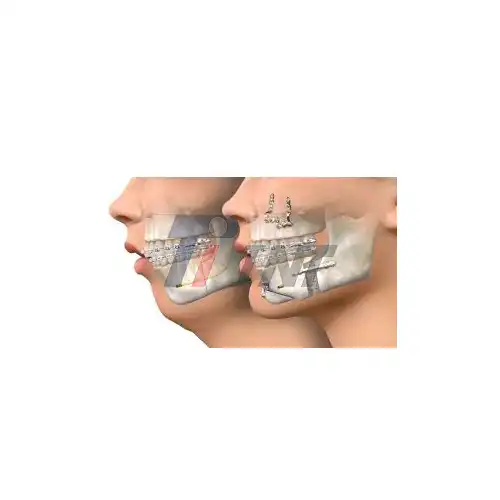
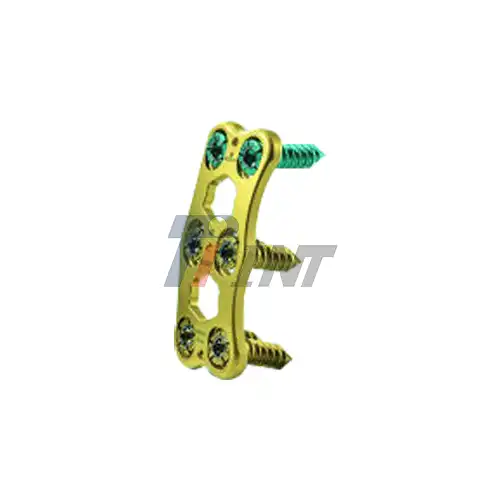
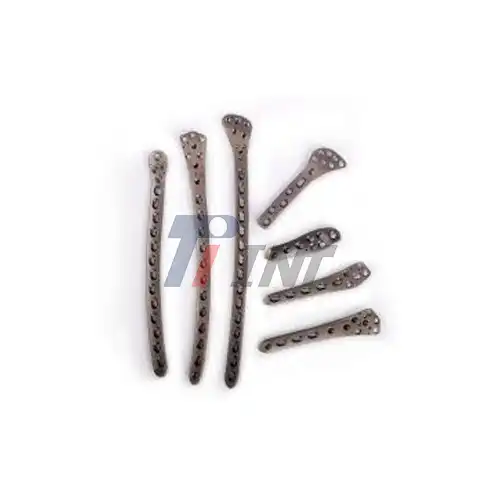
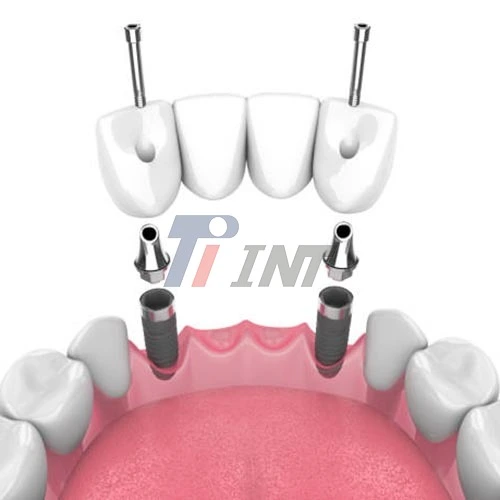
The osseoconductive surface oxide of the material is used by dental implant systems to make bone-implant contact rates higher than 70% within three months of placement. Maxillofacial reconstruction plates made from Grade 2 bars let doctors shape implants to fit the body of each patient without stress-cracking them. This cuts down on surgery time and improves the patient's appearance.
Emerging Manufacturing Trends
More and more, additive manufacturing methods use ASTM F67 Titanium Bar powder feedstock made from bar stock. This lets doctors make implants with custom shapes that work best for people with complex body defects. Surface modification techniques like acid etching and grit blasting speed up the process of osseointegration by making the surface rougher and more porous. Quality standards are always changing.
For example, new changes to ISO 5832-2 have lowered the limits on residual elements and made statistical process control paperwork mandatory. This is pushing suppliers to use more advanced process tracking systems. As a result of these changes, ASTM F67 Titanium Bar materials are now at the point where regulatory compliance and clinical innovation meet. This is because the ability to track materials and make sure they perform consistently has a direct effect on how well patients do and on how competitive manufacturers are.
Conclusion
To meet the standards for ASTM F67 Titanium Bar certification, you need professional knowledge in areas like supply chain management, legal frameworks, and metalworking. The tiered grade system in the standard makes it possible to precisely match the material's properties to clinical loading scenarios. Strict testing methods make sure that stability from batch to batch, which is important for device validation studies. Comparing ASTM F67 Titanium Bar to other materials shows that it has a good performance profile, with better biocompatibility and corrosion protection than stainless steel and lower costs than titanium alloys. For procurement to go well, suppliers must be qualified, arriving goods must be carefully inspected, and traceability paperwork must be kept up to date to support regulatory entries in multiple countries.
FAQ
Q1: What distinguishes ASTM F67 from ASTM F136 titanium bars?
A: ASTM F67 Titanium Bar describes four grades of commercially pure unalloyed titanium based on the amount of oxygen they contain. ASTM F136 describes an extra-low interstitial (ELI) alloy made of titanium, aluminium, and vanadium. The alloy is about 50% stronger, but it contains aluminium and vanadium, which means it needs to be tested for biocompatibility more often. CP titanium is more resistant to rust and has a lower modulus that matches the flexibility of bone.
Q2: How do I verify authentic certification documentation?
A: Real mill test certificates have specific test results instead of general "pass/fail" statements, accredited laboratory stamps with ISO 17025 accreditation numbers, and unique heat lot numbers that can be tracked back to production records. Ask for certificates directly from the mill instead of going through middlemen, and use national accreditation body records to make sure the lab is accredited. Compare the science results to the ASTM F67 Titanium Bar standard tables to find data that has been changed.
Q3: What lead times should I expect for certified material?
A: ASTM F67 Titanium Bars (6–50 mm) from qualified suppliers usually take 8–12 weeks to arrive after the order is placed. This time includes mill production, testing, and shipping internationally. It could take up to 16 weeks for custom sizes or grades. Lead times can be cut to two to three weeks if suppliers keep goods in their own regions, but they may only have a few sizes available. Rush sales cost more and may limit your choices for batch selection.
Partner with a Certified ASTM F67 Titanium Bar Supplier
Baoji INT Medical Titanium Co., Ltd. has been helping medical device makers around the world since 2003. They have over 30 years of experience in the titanium business and are fully certified by both ISO 13485:2016 and CE. With full traceability documents to support FDA and MDR filings, our full production line produces certified ASTM F67 Titanium Bar in all four grades. We have strict quality controls that include ultrasonic screening of every part and statistical process tracking. This makes sure that all of our production lots have the same mechanical properties.
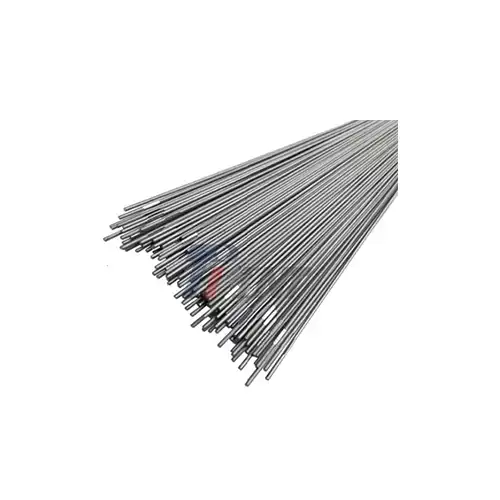
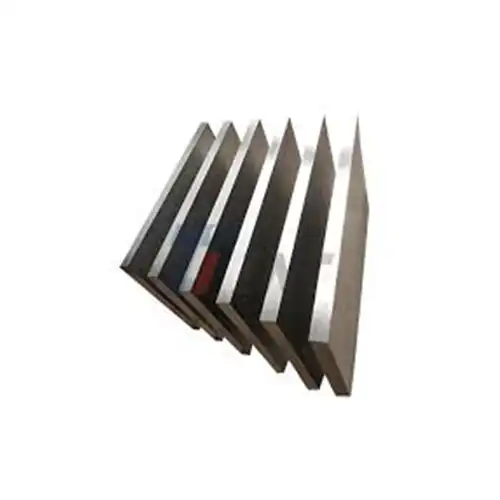
As a full-service supplier of bar, wire, plate, and precision die-forged parts, we offer technical support throughout the entire product development cycle, from choosing the right materials to making sure the manufacturing process works best. Email our technical team at export@tiint.com to talk about your unique needs, get sample materials, or set up a tour of our production sites. Find out why some of the biggest names in orthopaedic and dental implants choose Baoji INT Medical Titanium as their long-term partner in material science.
References
1. American Society for Testing and Materials. (2017). ASTM F67-13: Standard Specification for Unalloyed Titanium, for Surgical Implant Applications. West Conshohocken, PA: ASTM International.
2. International Organization for Standardization. (2016). ISO 5832-2: Implants for Surgery — Metallic Materials — Part 2: Unalloyed Titanium. Geneva: ISO.
3. U.S. Food and Drug Administration. (2020). Guidance for Industry and FDA Staff: Class II Special Controls Guidance Document: Root-Form Endosseous Dental Implants. Rockville, MD: FDA Center for Devices and Radiological Health.
4. Brunette, D.M., Tengvall, P., Textor, M., & Thomsen, P. (2012). Titanium in Medicine: Material Science, Surface Science, Engineering, Biological Responses and Medical Applications. Berlin: Springer-Verlag.
5. European Commission. (2017). Regulation (EU) 2017/745 of the European Parliament and of the Council on Medical Devices. Official Journal of the European Union, L117/1-175.
6. Ratner, B.D., Hoffman, A.S., Schoen, F.J., & Lemons, J.E. (2013). Biomaterials Science: An Introduction to Materials in Medicine (3rd ed.). Oxford: Academic Press.
_1751955824855.webp)
_1751620280646.webp)