


Medical Titanium Bar Guide: Grades, Standards, and Applications


 2026-08-03 16:36:17
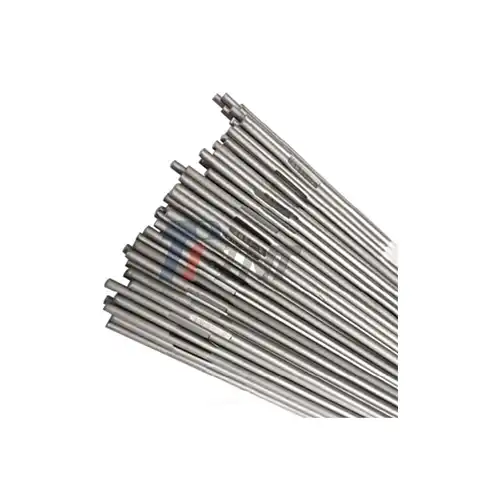
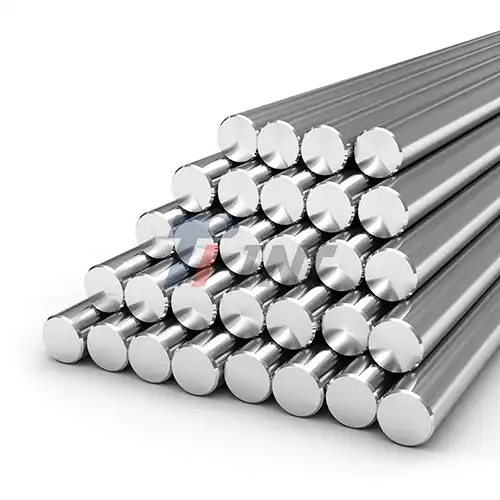
Selecting the right medical titanium material can determine whether your implant survives decades in the human body or fails prematurely. Among the various options available, Gr2 Medical Titanium Bar has emerged as the preferred choice for medical device manufacturers worldwide due to its exceptional balance of biocompatibility, corrosion resistance, and machinability. This guide walks you through the critical grades, international standards, and practical sourcing considerations to help you make informed decisions that meet both regulatory requirements and production demands. Whether you're a purchasing manager evaluating suppliers or an R&D engineer specifying materials, understanding these fundamentals will streamline your procurement process and elevate product quality.
|
|
|
Understanding Medical Titanium Bars: Grades and Standards
What Qualifies as Medical-Grade Titanium?
The term "medical-grade" isn't just a marketing term. It refers to titanium materials that meet strict international standards meant to keep patients safe and make sure devices last a long time. The International Organization for Standardization (ISO) and the American Society for Testing and Materials (ASTM) both put out rules about chemical composition, mechanical qualities, and how to handle materials. In the US, medical titanium bars must also meet FDA requirements, and in Europe, they must meet CE marking criteria. This proves that they are safe for human implantation and surgical use.
Common Titanium Grades for Medical Applications
There are different grades of commercially pure (CP) titanium in the titanium industry based on how much oxygen, iron, and nitrogen they contain. Different grades have different chemical and material properties that are used for different medical reasons.
Grade 1 (Gr1) has the fewest intermediate parts, which means it is the most flexible and easy to shape. This makes it perfect for tasks that need to be deep drawn or shaped in a complicated way, but because it's not very strong, it can't be used in devices that hold weight. Grade 2 (Gr2) medical titanium is the workhorse of the family. It has slightly higher amounts of oxygen and iron than Gr1, so it has about 20–30% higher tensile strength while still being very resistant to rust and biocompatible. This grade is the best of both worlds because it meets most surgery and implant needs without the higher cost of titanium metals.
Highest strength among CP titanium grades is Grade 4 (Gr4), which is made possible by adding more oxygen. But this extra strength comes at the cost of being less flexible and harder to machine, so it isn't used as much in regular medical device production. Ti-6Al-4V, or Grade 5 (Gr5), is a titanium metal that has 6% aluminum and 4% vanadium in it. Even though it has better mechanical strength and can be used for high-stress orthopedic implants like hip stems, the alloying elements make me worry about how well it will work with my body in the long run. To reduce the risks associated with impurities, the medical field often requires Ti-6Al-4V ELI (Extra Low Interstitial) for implants.
Chemical Composition and Mechanical Properties of Gr2
Gr2 Medical Titanium Bars meet the standards set by ASTM B348 and ASTM F67 for use in medicine. The chemical composition limits make sure that the performance is always the same: no more than 0.25% oxygen, 0.30% iron, 0.03% nitrogen, 0.015% hydrogen, and 0.10% carbon; the rest is made up of titanium. These managed amounts of impurities have a direct effect on how the material works mechanically and biologically.
Gr2 has a minimum tensile strength of 345 MPa and a minimum yield strength of 275 MPa. It can also stretch more than 20%. This mix gives the structure enough strength for surgical instruments and many implant uses while still letting the material bend easily enough for cold forming and fabrication processes. Although the material is stable at a lot of different temperatures, it is usually only used at 315°C in medical settings to keep the alpha case layers from becoming rigid through oxygen diffusion.
Biocompatibility and Corrosion Resistance
The main reason Gr2 works so well in medical settings is that it is very biocompatible. Titanium forms a stable, passive layer of titanium dioxide (TiO₂) on its surface when it comes into contact with bodily fluids. This oxide film stops ions from getting into the tissues around it, so it doesn't cause the swelling and allergic reactions that other metals do. Long-term studies on implants show that Gr2 titanium helps osseointegration, which is the direct structural link between bone and implant surface. This is important for both orthopedic and dental devices.
In physiological settings, it is more resistant to corrosion than stainless steel and cobalt-chromium alloys. If the passive oxide layer gets scratched or damaged, it heals itself right away, protecting against chloride-rich bodily fluids all the time. This feature makes implants last longer and lowers the chance of failure due to rust, especially in load-bearing situations that experience cycle stress and fretting wear.
Medical Applications and Benefits of Gr2 Titanium Bars
Surgical Instruments and Tools
High-performance surgery tools like forceps, knives, retractors, and bone saws are made from Gr2 Medical Titanium Bars, which are the raw material. Titanium is very light, which keeps surgeons from getting tired during long treatments. It's also not magnetic, so it doesn't interact with MRIs and other diagnostic tools. Stainless steel instruments may rust after being sterilized many times, but Gr2 titanium instruments keep their surface structure after hundreds of autoclave treatments. This means that instruments last longer and cost less to replace.
Orthopedic Implants and Components
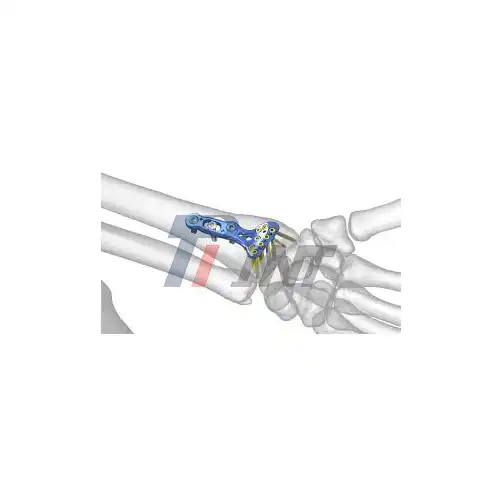
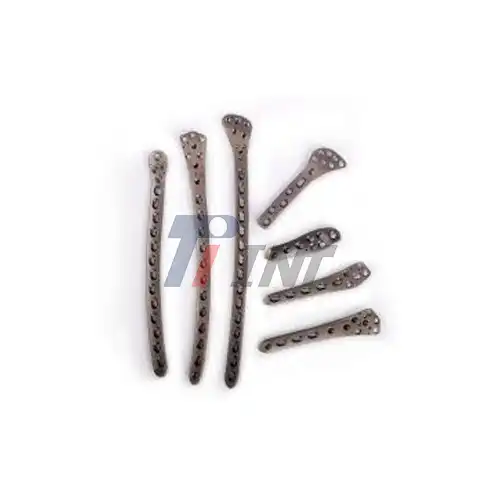
A lot of trauma plates, spine fusion cages, intramedullary nails, and small bone pins are made from Gr2 titanium bars in the orthopedic industry. The measure of flexibility of the material is about 110 GPa, which is closer to that of natural bone than stainless steel's is 200 GPa. This means that there are fewer stress shielding effects, which can cause bone to break down around implants. Long-term integration and patient outcomes are better when the mechanical parts work well together.
To make orthopedic parts out of Gr2 bars, precise CNC cutting processes are needed. From our experience at Baoji INT Medical Titanium, we know that keeping tight control over the cutting settings and tool choice stops work hardening and keeps the material's original qualities. By using the right techniques for cutting, you can make sure that the finished implants are the right size and don't have any surface contamination that could make them less biocompatible.
Dental Implants and Prosthetic Frameworks
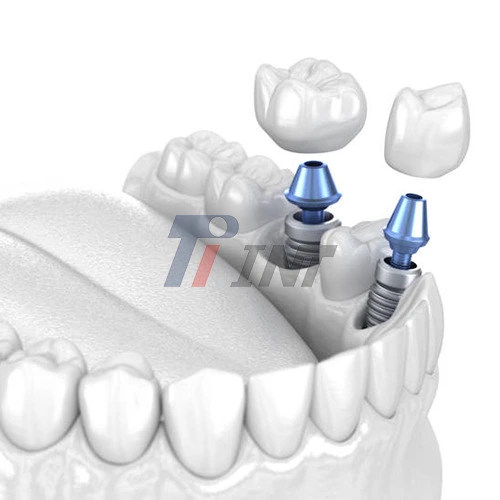
A lot of dental businesses use Gr2 titanium bars to make implant posts, abutments, and frameworks for prosthetics. Because the material has been shown to osseointegrate, dental implants can form direct bonds with jawbone tissue. This makes crowns and bridges stable. Gr2 is also very easy to machine, which lets custom abutments with exact emergence profiles be made that support the best soft tissue looks around restorations.
Cardiovascular and Specialized Devices
Gr2 titanium bars are used in more than just structural implants. They are also used in heart valve parts, pacemaker housings, and vascular clips. Because the material is thromboresistance and hemocompatibility, blood doesn't clot on device surfaces. This means that long-term anticoagulation treatment isn't needed as often. Specialized medical devices like neurosurgical instruments and endoscope tool shafts also work better with Gr2 because it is strong, doesn't rust, and lasts a long time after being sterilized.
Performance Advantages in Device Manufacturing
Several manufacturing and performance benefits can be seen when Gr2 is compared to other materials. Compared to 316L stainless steel, which is the most common medical metal, Gr2 is better at resisting rust in chloride settings. It is also about half as dense (4.5 g/cm³ vs. 8.0 g/cm³), and it can be used with any MRI machine. Because of these features, devices are smaller, implants last longer, and there are fewer problems after surgery.
Compared to higher-grade titanium metals like Gr5, Gr2 is easier to machine, can be shaped better in cold weather, and costs less. It is true that Gr5 is stronger for high-load applications like hip stems, but Gr2 is strong enough for most medical devices and is easier to work with when it comes to processing and welding. Because of this useful mix, Gr2 is the most cost-effective choice for mass production without losing quality or safety.
Comparing Gr2 Titanium Bar with Other Materials and Grades
Gr2 Versus Gr4 and Gr5: Technical Comparison
Knowing the differences between titanium grades helps you make choices about specifications that meet the needs of the gadget. Gr4 titanium has up to 0.40 percent more oxygen than Gr2 titanium, which has a maximum of 0.25% oxygen. This gives Gr4 titanium about 40% more tensile strength. But this extra strength makes the material less flexible and makes bending and shaping more difficult. As a result of its high cost and difficulty in fabrication, Gr4 should only be specified by purchasing managers when the extra power is really needed for the purpose.
Gr5 (Ti-6Al-4V) is very different from commercially pure grades because it is made up of a combination. The addition of aluminum and vanadium gives it tensile strengths above 900 MPa, which is almost three times as high as Gr2 Medical Titanium Bar. This makes it suitable for high-stress orthopedic uses like stems for total hip replacements. However, Gr5's higher hardness speeds up tool wear during machining, calls for more complex welding methods with inert gas protection, and raises theoretical worries about the release of vanadium ions during long-term implantation. Ti-6Al-4V ELI, the medical variant, answers worries about impurities, but it is still a lot more expensive than Gr2.
Gr2 Titanium Versus Stainless Steel in Medical Devices
Medical device makers are still debating whether to use titanium or stainless steel. Choosing a material often means balancing performance needs with cost considerations. The strength-to-weight ratio of Gr2 titanium is about 30% higher than that of 316L stainless steel. This lets devices get smaller without sacrificing their structural integrity. This weight advantage is especially helpful for portable surgery tools and implants, where less mass makes the patient more comfortable and helps the bone heal.
The most important change in effectiveness might be the resistance to corrosion. Even though 316L stainless steel works well in many physiological settings, it can still split and crack when exposed to chloride-rich body fluids, especially when it is under mechanical stress. The inactive oxide layer on Gr2 titanium offers better security, almost completely preventing breakdowns caused by corrosion. This makes the device last longer and lowers the chance of having to have a second surgery, which leads to better patient results and lower healthcare costs over the implant's lifetime.
Biocompatibility factors are becoming more and more important in the design of modern medical devices. Even though there isn't much nickel in medical types of stainless steel, it can cause allergic reactions in people who are sensitive. Because Gr2 titanium is completely biocompatible, these worries go away, making it the safer choice for long-term implantation in a wide range of patient groups.
Cost Analysis and Supply Chain Considerations
The cost of materials is a real issue when making medical devices, especially for markets that care a lot about price. Gr2 titanium bars usually cost three to five times as much as stock made of the same grade of stainless steel. When you add up all the costs of making the product, though, this initial price difference gets smaller. Titanium is easier to machine than sharpened stainless steel, which cuts down on the number of times cutting tools need to be replaced and cycle times. Because the material doesn't rust, protected coats aren't needed. This makes production easier and cuts down on the number of steps needed.
Strategies for buying in bulk can have a big effect on material economics. Suppliers like Baoji INT Medical Titanium offer volume-based pricing, which means that when you buy a lot of something, the price per unit goes down. Purchasing managers should look at how much is used each year and discuss basic deals that get good prices and make sure there is a steady supply. Lead times for Gr2 medical titanium bars vary from 4 to 8 weeks, based on the specs and the market. To keep production schedules, it is important to predict demand and keep track of supplies.
How to Choose and Source Reliable Gr2 Medical Titanium Bars?
Essential Supplier Certifications and Qualifications
To get medical-grade titanium, suppliers must go through a strict review process that focuses on quality systems and following the rules. The most important requirement is ISO 13485 certification, which shows that the supplier has a quality management system designed specifically for making medical devices. This approval makes sure that there are written methods in place for tracking materials, keeping an eye on the process, and taking corrective actions that are in line with international rules for medical devices.
Getting registered with the FDA gives sellers that sell to the US market even more peace of mind. Not all titanium bar suppliers need official FDA approval, but those who are listed with the agency show they are committed to Good Manufacturing Practices (GMP) and following the rules. European providers should have the CE marking, which shows that they meet the standards of the Medical Device Regulation (MDR) for medical materials.
In addition to these basic approvals, reliable providers also provide material certificates that show they meet ASTM B348 and ASTM F67 standards. These certificates should have chemical analysis results that are specific to heat and mechanical test data that can be linked to the lot of material you receive. At Baoji INT Medical Titanium, we keep full documentation chains from the time we receive the raw materials until the time we ship the finished product. This way, clients can meet their own legal requirements and answer any quality questions that come up during the product's lifecycle.
Quality Control and Material Testing Requirements
Complete quality control keeps your production safe from problems with the materials that could affect how well the device works or how safe the patients are. Follow the three levels of critical inspection set by ASTM B348 and ASME SB348 for purchasing managers. Chemical testing with Optical Emission Spectroscopy (OES) and Inert Gas Fusion (IGF) shows that the amounts of intermediate elements stay within the allowed range. It is very important that the hydrogen level is less than 0.015%, because too much hydrogen weakens materials and makes their mechanical behavior uncertain. Strength and flexibility are directly affected by oxygen levels, so accurate measurements are needed to make sure that working properties stay the same.
For mechanical integrity testing, tensile tests are used to confirm the minimum strength and elongation values, and guided bend tests are used to show that the material can be bent without cracking. These tests show that the Gr2 Medical Titanium Bars will behave as expected during cold forming, machining, and welding, which are all steps in the fabrication process. Batch testing gives you statistical trust that the material will be the same in all output lots.
Non-destructive testing (NDT) is needed for bars with a larger diameter or for important applications. Ultrasonic testing (UT) according to AMS 2631 Class A1 finds internal flaws like spots or laminations that could turn into cracks over time. A close look at the surface is needed to make sure that the acid-pickled finish is free of iron particles that could weaken its resistance to rust or cause discoloration in certain areas.
Practical Procurement Process and Best Practices
To successfully buy medical titanium, you must first clearly define your material needs, such as the grade, size, limits, surface finish, and certification standards. Specifications that are clear avoid confusion and make sure that quotes truly reflect your needs. Give suppliers an idea of how much you consume each year so they can offer you competitive pricing based on that. Before placing a big order, ask for samples of the material, especially when checking out new sellers. Sample testing makes sure that the supplier's material fits your unique needs for the application and the processing settings you have set. Keep track of your test results and set minimum standards for acceptance so that you can keep an eye on the quality of your stock.
Talk to your provider about delivery times that work with your production plans, and keep in mind their lead times and minimum order amounts. Keeping a small amount of safety stock on hand protects against supply problems without tying up too much capital in inventory. Set up clear ways for people to communicate about order confirmations, tracking shipments, and delivery of documents to make sure everything goes smoothly.
Conclusion
Due to its excellent biocompatibility, corrosion resistance, and good mechanical qualities, Gr2 Medical Titanium Bar is the best material for most medical device uses. Procurement managers and engineers can safely define materials when they know the differences between titanium grades, are familiar with relevant international standards, and have strict processes in place to qualify suppliers. The material has been used successfully in surgical instruments, orthopedic implants, dental devices, and other specialized medical equipment, showing that it can be used in a wide range of clinical settings. Even though it costs more than stainless steel at first, high-quality medical-grade titanium from certified suppliers is always the better choice when it comes to processing efficiency, device longevity, and patient safety.
FAQ
Q1: Why are Gr2 titanium bars particularly suited for medical implants?
A: Gr2 Medical Titanium Bars work great for implants because the chemicals in them help a steady layer of titanium dioxide form quickly on the surface, which then blends directly with bone tissue. This osseointegration makes the bone more stable without causing an immune response or inflammation. The material's modulus of elasticity is very similar to that of real bone. This means that it doesn't damage nearby skeletal systems by acting as a stress cushion. When combined with better corrosion resistance in physiological environments, these features make implants last longer and lower the risks of having to have surgery again.
Q2: How does Gr2 titanium compare to stainless steel in surgical applications?
A: In medical settings, Gr2 titanium is better than 316L stainless steel in a number of ways. Because of its high strength-to-weight ratio, it makes lighter tools that keep surgeons from getting tired during long treatments. Nickel allergies are no longer a problem with stainless steel because it is completely biocompatible. The device stays in good shape through hundreds of sterilization processes because it is highly resistant to corrosion. MRI interference is stopped by properties that are not magnetic. Even though stainless steel is cheaper at first, titanium's long life and better performance often make it worth the extra cost for important surgical uses.
Q3: What certifications should I verify when sourcing Gr2 titanium bars for medical use?
A: Make sure that suppliers keep their ISO 13485 certification for quality management systems in medical devices. Use approved mill test results to make sure the material meets the requirements of ASTM B348 and ASTM F67. Check for FDA approval if you're selling to people in the US or CE marking authorization if you're selling to people in Europe. Ask for proof that the product can be tracked from the raw material to the finished product. This should include chemical analyses that are specific to heat and mechanical test results that show the product meets medical-grade standards.
Partner with a Proven Gr2 Medical Titanium Bar Manufacturer
Baoji INT Medical Titanium Co., Ltd. has been working with medical-grade titanium products for more than 30 years and can help you with the production of your devices. Our production facilities are ISO 13485 and CE-certified, and they make Gr2 Medical Titanium Bar that meets a wide range of needs, from precision-ground surgical tool stock to large-diameter implant blanks. All of our products come with strict quality documentation and full material tracking. We know how important your purchasing decisions are and offer dedicated technical support throughout the entire sourcing process, from choosing the first materials to continuously improving supply.
Because we are dedicated to stable quality, low prices, and dependable global delivery, we have worked with top medical device makers around the world for ten years. Email our engineering team at export@tiint.com to talk about your unique needs, get certified samples of the material, or get full quotes for the amount of work you need to do. Let us show you why procurement managers choose Baoji INT Medical Titanium as their reliable supplier of Gr2 Medical Titanium Bars.
References
1. American Society for Testing and Materials. (2020). ASTM F67-13: Standard Specification for Unalloyed Titanium for Surgical Implant Applications. ASTM International.
2. Brunette, D.M., Tengvall, P., Textor, M., & Thomsen, P. (2012). Titanium in Medicine: Material Science, Surface Science, Engineering, Biological Responses and Medical Applications. Springer-Verlag Berlin Heidelberg.
3. Geetha, M., Singh, A.K., Asokamani, R., & Gogia, A.K. (2009). Ti-Based Biomaterials, the Ultimate Choice for Orthopaedic Implants: A Review. Progress in Materials Science, 54(3), 397-425.
4. International Organization for Standardization. (2016). ISO 5832-2: Implants for Surgery — Metallic Materials — Part 2: Unalloyed Titanium. ISO Standards.
5. Long, M., & Rack, H.J. (1998). Titanium Alloys in Total Joint Replacement: A Materials Science Perspective. Biomaterials, 19(18), 1621-1639.
6. Niinomi, M. (2008). Mechanical Biocompatibilities of Titanium Alloys for Biomedical Applications. Journal of the Mechanical Behavior of Biomedical Materials, 1(1), 30-42.
_1752462890412.webp)
_1751958555199.webp)
_1750923514395.webp)
_1750663253486.webp)
_1749191401740.webp)