

Best Titanium Material Supplier for Medical Industries - INT


 2026-08-03 15:14:51
When you're sourcing implant-grade materials for orthopedic devices, dental systems, or surgical instruments, the question isn't just where to buy—it's who you can trust. Among the many options available today, Baoji INT Medical Titanium Co., Ltd. has emerged as a leading specialist in providing medical titanium bar products and comprehensive titanium mill materials tailored for the medical device sector. Since our founding in 2003, we've built our reputation on precision manufacturing, regulatory compliance, and unwavering support for R&D engineers, purchasing managers, and production teams worldwide. Our medical titanium bar offerings—spanning pure titanium, Ti6Al4V, and Ti6Al4V ELI grades—are designed to meet the exacting demands of implant manufacturers who refuse to compromise on biocompatibility, mechanical performance, or supply chain reliability.
|
|
|
Understanding Medical Titanium Bars and Their Significance
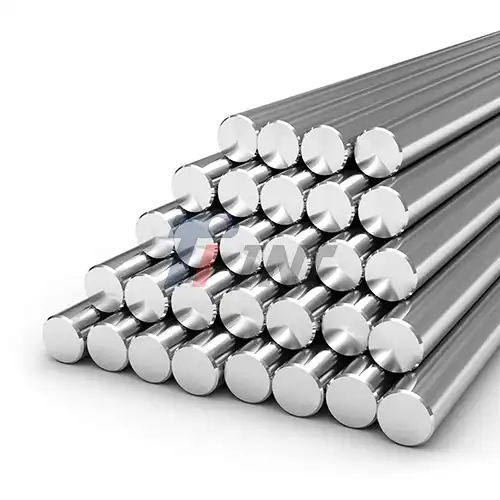
Medical titanium bars are the main material used to make many implants and surgical tools that save lives. Unlike regular commercial titanium, these bars are made using strict vacuum-melting or triple-melting methods that get rid of any impurities or spots that could cause bad biological reactions. This creates a substance that fuses perfectly with human tissue, a process called osseointegration, and is also resistant to the damaging affects of body fluids.
Why Titanium Outperforms Traditional Metals in Medical Settings?
Titanium has a mass of only 4.51 g/cm³, which is about half that of stainless steel. However, its tensile strength is the same as or higher than that of stainless steel. It has a strength-to-density ratio of 76 kN·m/kg, which is more than 20% higher than stainless steel. Titanium is unique because its elastic modulus is about 110 GPa, which is much closer to human bone than the modulus of stainless steel or cobalt-chrome alloys. This alignment lowers stress shielding, a common problem that happens when implants are too rigid and don't let the natural bone bear weight. This lets the bone break down and eventually the implant comes loose.
Key Applications Across Medical Device Categories
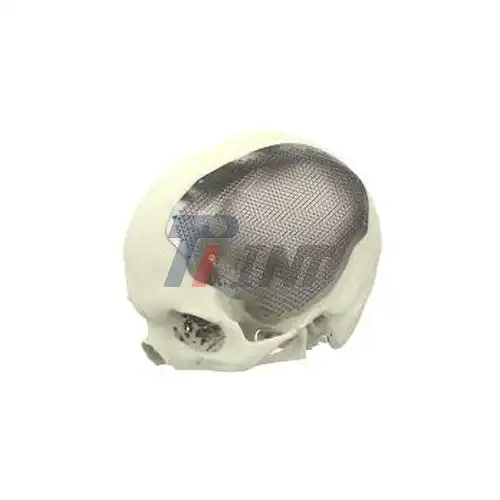
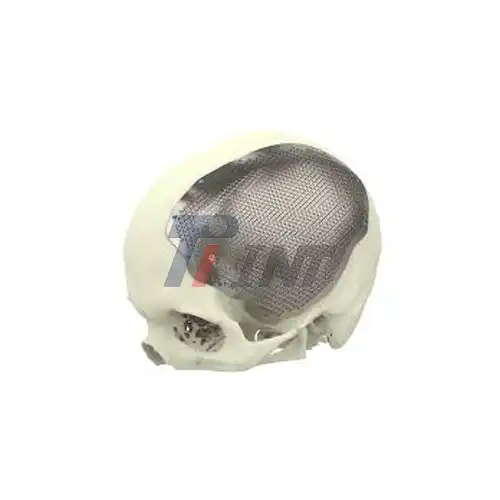
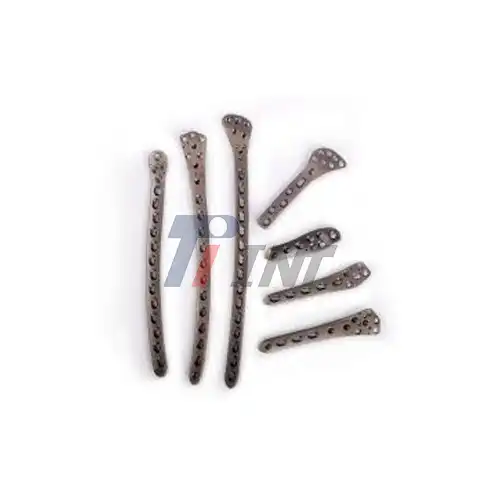
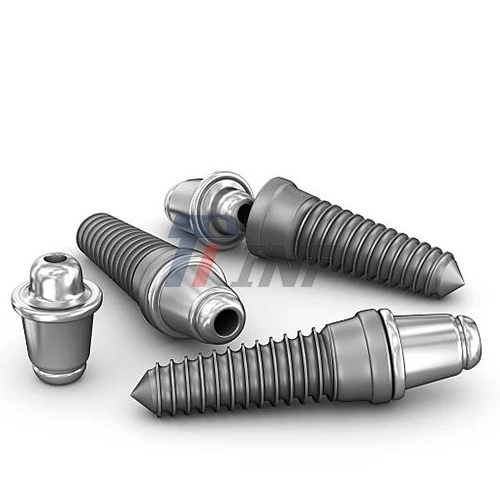
Medical-grade titanium bars are cut into locking compression plates for fixing injuries, dynamic hip screws for fixing bones, and dental implant screws that hold false teeth in place in the jawbone. Craniomaxillofacial doctors use shape-adjustable titanium plates to rebuild skulls, and companies that make active implantable medical devices use precision-milled titanium cases to keep pacemaker electronics dry. Each application needs controlled surface finishes, zero-defect porosity, and full traceability. These are the requirements that set qualified suppliers apart from commodity vendors.
Comparing Medical Titanium Bars with Alternative Materials
The choice of material affects every aspect of an implant's performance, from the time it is surgically placed to the years it is used inside the body. Medical titanium bars are often compared to stainless steel, cobalt-chrome alloys, and other types of titanium by procurement teams. Each has its own pros and cons when it comes to cost, strength, and biocompatibility.
Titanium Versus Stainless Steel: Beyond Corrosion Resistance
Because they are cheaper and easier to work with, stainless steel implants are still often used as temporary support devices. Even so, stainless steel can't be used for permanent implants because it corrodes easily in salty environments. Titanium's inactive oxide layer heals itself when it gets scratched, protecting it from rust all the time. Another worry is allergic reactions to nickel, which is a common alloying element in stainless steel. On the other hand, titanium's bio-inert nature lowers the risk of hypersensitivity. When it comes to long-term implants like hip stems or spine fusion cages, titanium's higher initial cost is usually more than made up for by its durability and lower lifetime costs.
Titanium Alloys: Balancing Purity and Performance
Pure titanium (Grades 1–4) is biocompatible and resistant to corrosion to the highest degree, but it is also weaker. This makes it good for low-load applications like plates and screws. Ti6Al4V (Grade 5) adds aluminum and vanadium to raise the tensile strength above 895 MPa, making it perfect for hip and knee implants that hold weight. Ti6Al4V ELI (Extra Low Interstitial, Grade 23) improves this alloy even more by lowering the amounts of oxygen, nitrogen, and iron in it. This makes it more flexible and resistant to fatigue, which is useful for things like fracture fixation plates that are loaded and unloaded many times. The grade you choose will depend on the technical needs, cost, and government approvals of the places you're trying to reach.
How to Choose the Best Medical Titanium Bar Supplier?
There is a lot more to choosing a partner for medical-grade titanium than just looking at price lists. Patient safety, governmental audits, and work schedules are all at stake, so there needs to be thorough testing in many areas.
Certifications and Compliance: Non-Negotiable Foundations
Your supplier of medical titanium bar must have ISO 13485:2016 certification, which shows that they have a quality control system for medical products. ISO 9001:2015 covers a wider range of production quality standards, while EU CE marking and FDA material certifications show that the product meets the rules in that area. The ASTM F67 standard for pure titanium and the ASTM F136 standard for Ti6Al4V ELI control the chemical make-up, mechanical qualities, and substructure of materials to make sure they meet the standards for implant-grade materials. Ask for mill test reports that show the tensile strength, elongation, and trace element content for each lot, as well as certificates of conformance.
Manufacturing Capabilities and Customization Services
Medical gadget projects don't usually fit normal catalogue sizes. Check to see if your provider can offer unique diameters (6 mm to 150 mm), lengths (1000 mm to 3000 mm), and surface finishes, such as polished for better tissue contact or sandblasted for better bone integration. Precision turning, grinding, and casting make it possible to make complicated shapes like implant bodies with threads or plate profiles with contours. OEM and ODM services let you work with the supplier to co-develop products. The supplier can help you improve your product designs by using their metallurgical knowledge and process optimisation.
Supply Chain Reliability and Technical Support
On-time delivery keeps your production plans safe, but vows alone aren't enough to make a supply chain resilient. Check out how you handle your supplies, how clear your lead times are, and your backup plans for when you run out of raw materials. Technical support should include more than just fulfilling orders. It should also include help with choosing materials, suggestions for processing, and proof of tracking that meets the requirements of regulatory checks. Long-term partnerships often lead to working together to solve problems, like when suppliers suggest changes to the design that will make it easier to make or lower the cost, which goes beyond just doing business.
INT's Medical Titanium Bar Solutions: Quality, Certification & Customization
We've spent more than twenty years improving how we make medical-grade titanium at Baoji INT Medical Titanium Co., Ltd. When Mr. Zhan Wenge started INT in 2003, he brought with him more than 30 years of experience in the titanium industry. He built the company on a base of metallurgical knowledge and customer-centred service that still guides our business today.
Comprehensive Product Portfolio Tailored to Medical Applications
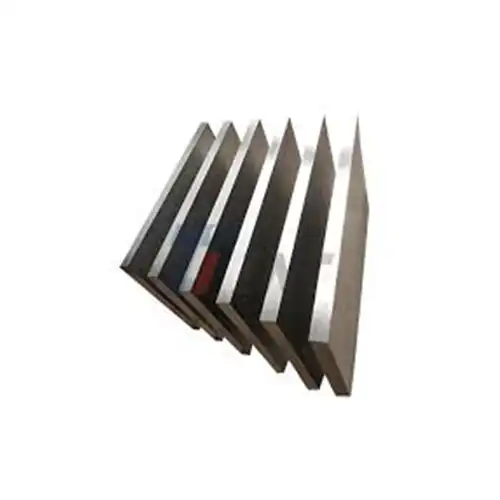
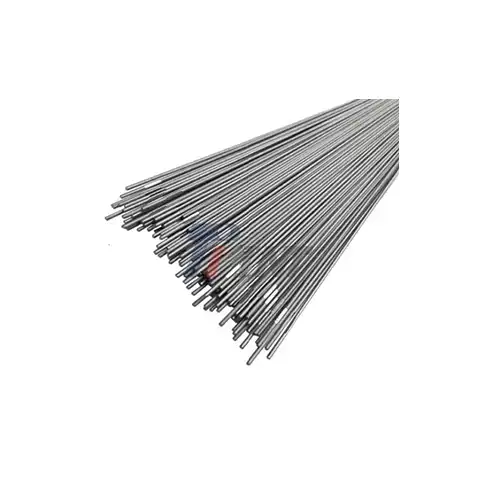
We make all kinds of titanium mill goods, like bars, wires, plates, and precision die-forged parts, in pure titanium, Ti6Al4V, and Ti6Al4V ELI grades. Our stock of medical titanium bars has widths ranging from 6 mm to 150 mm and lengths reaching 3000 mm, so we can use them for both small-scale prototypes and large-scale production runs. For surgical instruments, polished finishes are used, and for implants that need bone to grow into them, sandblasted textures are used. Each batch of products goes through strict tests to make sure that the tensile strength is at least 895 MPa, the elongation is at least 10%, and the chemical makeup is within ASTM limits.
Certifications That Open Global Markets
Every item that leaves our factory has been certified by ISO 9001:2015 and ISO 13485:2016, and it also has an EU CE mark to show that it is a medical device. These certificates show that we are dedicated to quality management systems that track where our raw materials come from, keep an eye on the parameters of our processes, and use documented checks to confirm the performance of our finished products. Our compliance infrastructure makes it easier for you to pass regulatory audits by giving you the test results and traceability paperwork you need for FDA 510(k) submissions, EU Medical Device Regulation (MDR) requirements, or other regional clearances.
Real-World Success in Complex Implant Manufacturing
We work with orthopaedic device makers to provide titanium bars for modular hip stem systems. Accurate measurements and consistent materials have a direct effect on how well surgery goes. Dental instrument makers depend on our wire and plate products for surgical guides and implant abutments because we can keep our tolerances tight across thousands of units. One important project we worked on together was making custom-forged titanium blanks for dynamic hip screws. Our knowledge of metals helped improve the grain structure so the screws would be more resistant to fatigue under repeated loading. These case studies show that we are more than just a provider; we are also a creative partner who cares about the success of your product.
Technical Specifications and Standards for Medical Titanium Bars
Knowing the technical terms for the different grades of medical titanium helps you make better buying choices and communicate better with sellers and regulatory bodies. Standards for medical titanium bars ensure safety and performance in clinical environments.
Material Grades and Their Mechanical Profiles
There are four types of pure titanium (ASTM F67) based on the amount of oxygen in them. The amount of oxygen affects how strong and flexible the titanium is. Grade 1, which has the least oxygen, is best for making complicated forms, while Grade 4 is better for making structure implants stronger. Ti6Al4V (ASTM F136 for surgery implants) has tensile strengths of about 895 MPa and is made up of 6% aluminum for strength and 4% vanadium for heat treatment response. Ti6Al4V ELI (Grade 23) limits interstitial elements—oxygen below 0.13%, nitrogen below 0.05%, and iron below 0.25%—to make the material tougher and less likely to crack, which is important for implants that will be used for millions of cycles.
Surface Treatments and Sterilization Compatibility
Polished surfaces are better for tools and temporary devices because they reduce friction and the growth of germs. Textures that are sandblasted or acid-etched make the surface rougher, which helps bone cells attach and speeds up the osseointegration process for permanent implants like dental screws. Sterilisation methods like autoclaving at 134°C, ethylene oxide gas, or gamma radiation must not damage the oxide layer or add contaminants to the surface treatments. Checking for suitability when choosing materials keeps expensive mistakes from happening after the fact.
Dimensional Tolerances and Quality Verification
For medical uses, precise measurements are needed, with diameters often being within ±0.1 mm, straightness within 0.5 mm/meter, and a surface finish of less than Ra 1.6 μm for polished bars. Ultrasonic testing finds holes inside things, and spectroscopy confirms their chemical make-up. Lot uniformity is confirmed by mechanical tests (tensile, yield, and stretch) on sample batches. Before putting materials into production, procurement teams should set acceptance criteria that are in line with the design specs and do inbound checks or third-party audits to make sure that what suppliers say is true.
Conclusion
When you choose the right medical titanium supplier, you can turn raw materials into long-term partnerships that protect both patients and your business. Baoji INT Medical Titanium Co., Ltd. has been making medical titanium products for 20 years and has many certifications, the ability to customise products very well, and a customer-first attitude based on working together for a long time. Medical device makers rely on our medical titanium bars because they are biocompatible, strong, and reliable in the supply chain. They are made to strict ASTM and ISO standards. We're ready to support your vision with materials and skills that meet the highest standards of quality and compliance, whether you're making more orthopaedic implants or coming up with the next generation of surgery tools.
FAQ
Q1: What grades of medical titanium bars does INT supply?
A: We make and keep in stock pure titanium (ASTM F67 Grades 1–4), Ti6Al4V (Grade 5), and Ti6Al4V ELI (ASTM F136 Grade 23). Each grade is best for a different use: pure titanium is best for low-load implants because it doesn't corrode, Ti6Al4V is best for load-bearing devices because it's strong, and Ti6Al4V ELI is best for dynamic implant settings because it doesn't wear as easily. Our expert team can help you choose the best grade based on your mechanical needs, biocompatibility goals, and government rules.
Q2: How does INT ensure consistent quality across production batches?
A: Chemical analysis using spectroscopy, mechanical tests for tensile and yield strength, ultrasound inspection for internal flaws, and checking the dimensions against customer requirements are all done on every production lot. Our quality management system is ISO 13485:2016-certified, and it controls the whole process, from receiving the raw materials to packaging them. Each finished bar can be tracked back to its source ingot and the production parameters that went into making it. Every shipment comes with mill test reports and certificates of conformance for the customer. This helps with regulatory audits and quality assurance protocols.
Q3: Can INT provide customized dimensions and surface finishes?
A: Of course. We offer precision machining services that let you make bars with diameters (6–150 mm), lengths (1000–3000 mm), and tolerances that are exactly what your design calls for. For surgical instruments, surface treatments include polished finishes (Ra ≤1.6 μm) and sandblasted textures for implants that need to fuse with bone. Our OEM/ODM services include making custom shapes like threaded rods or contoured profiles, working with your engineering team to make sure the best performance and ease of manufacture.
Partner with Baoji INT Medical Titanium Co., Ltd. for Reliable Medical Titanium Bar Supply
Baoji INT Medical Titanium Co., Ltd. is ready to become your go-to medical titanium bar maker. They can give you materials that go above and beyond industry standards and help you keep your promise to keep patients safe. Our wide range of products, including pure titanium, Ti6Al4V, and Ti6Al4V ELI grades, meets the exact needs of medical, dental, and orthopaedic devices. We make the buying process easier for you by offering ISO 13485:2016 and EU CE certifications, decades of experience in the metals industry, and open customisation options. We also guarantee consistent quality and on-time delivery. Email our team at export@tiint.com to talk about the needs of your project, get examples of materials, or set up a technical meeting. Let's work together to make medical innovation better by focusing on quality, dependability, and our shared success.
References
1. American Society for Testing and Materials. Standard Specification for Unalloyed Titanium for Surgical Implant Applications (ASTM F67). ASTM International, 2013.
2. American Society for Testing and Materials. Standard Specification for Wrought Titanium-6Aluminum-4Vanadium ELI Alloy for Surgical Implant Applications (ASTM F136). ASTM International, 2013.
3. International Organization for Standardization. Medical Devices—Quality Management Systems—Requirements for Regulatory Purposes (ISO 13485:2016). ISO, 2016.
4. Niinomi, Mitsuo. "Mechanical Properties of Biomedical Titanium Alloys." Materials Science and Engineering: A, vol. 243, 1998, pp. 231–236.
5. Steinemann, Samuel G. "Titanium—The Material of Choice?" Periodontology 2000, vol. 17, 1998, pp. 7–21.
6. Long, Marc, and H. J. Rack. "Titanium Alloys in Total Joint Replacement—A Materials Science Perspective." Biomaterials, vol. 19, 1998, pp. 1621–1639.
_1753926358324.jpg)
_1753427753918.webp)
_1751957234428.webp)
_1750210463958.webp)
_1750209732185.webp)