
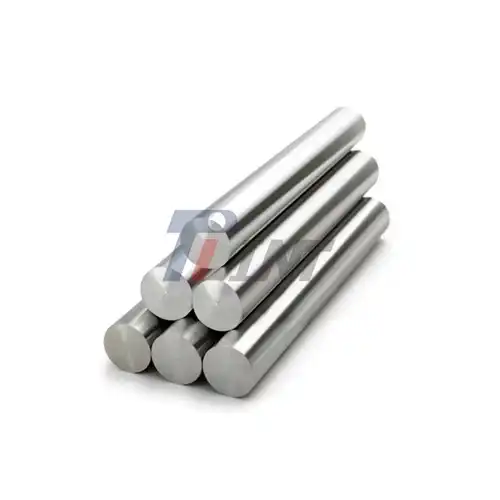
Medical Titanium Manufacturing Trends for OEM Buyers


 2026-11-06 14:48:23
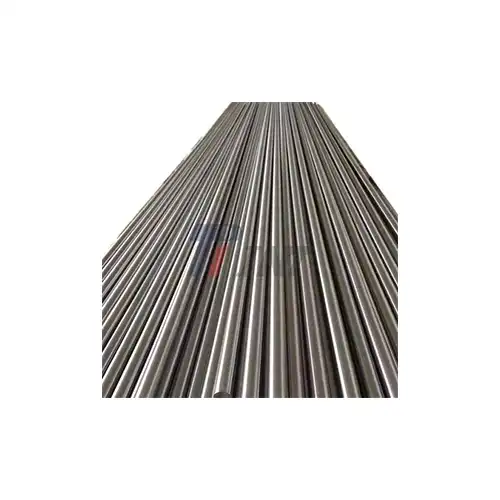
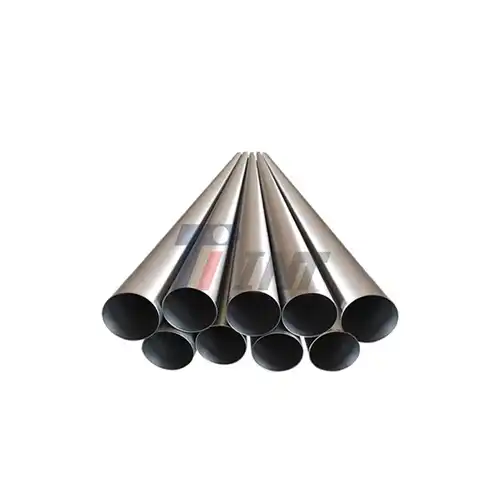
There’s a rising need for custom size, small-batch prototypes, comprehensive traceability and digital documentation in medical titanium production. "Now the OEM customers evaluate all four when picking vendors. Because of this change there is Gr1 medical titanium bar, a commercially pure titanium grade 1 that is biologically compatible for implantation and tools. US customers want mill certificates with heat numbers, uniform quality within each batch, and the ability to fulfill orders in flexible lot sizes. Use this guide to help you decide what to purchase next.
|
|
|


Why Gr1 Medical Titanium Bar Is Gaining Attention Among OEM Buyers
Why Grade 1 Titanium Suits Medical Use
Gr1 is the softest, most pliable grade of pure titanium available in the markets. ASTM F67 restricts oxygen to 0.18 percent, iron to 0.20 percent, carbon to 0.08 percent, nitrogen to 0.03 percent and hydrogen to 0.015 percent. The narrow interstitial boundaries allow to form the metal. It has a minimum output strength of 170 MPa, a tensile strength that of 240 MPa and a lengthening of at least 24 %.
This metal is substantially less dense than stainless steel with an density of only 4.51 g/cm³. It has no magnetic field as well. Made from pure titanium bar for bone screws, trauma repair parts, implanted dental parts and surgical equipment. Peak strength is less significant than stability in bodily fluids and ability to resist corrosion in these applications.
Why OEM Buyers Look Beyond the Grade Name
Buyers don't learn much from grade names. Mechanical results, surface condition, traceability, and export experience impact cost and supply risk. Some bars fulfil the requirement on paper but vary by heat. This may increase scrap and require CNC teams to modify tool settings. US buyers know that incomplete regulatory papers might take longer to process. Buyers increasingly want constant batch quality, comprehensive certifications, bespoke sizes, and long-term supply plans before asking for a price. Many examine another mill as a backup in case of a supply shortfall.
Core Product Advantages of Our Gr1 Medical Titanium Bar
You can use our Gr1 medical titanium bar to make medical devices better in these ways.
- Biocompatibility and corrosion immunity: Grade 1 titanium builds a stable oxide coating that resists bodily fluids for long-term usage. Solid biocompatibility makes it popular for orthopaedic, spinal, and dental components. Because material data cannot substitute device testing, your team must analyse the final product.
- Lightweight and durable: Grade 1 titanium has a strong strength-to-weight ratio and weighs less than steel at 4.51 g/cm³. Engineers should verify load scenarios before adopting Gr1 over Ti-6Al-4V ELI because to its fatigue performance for moderate-load systems.
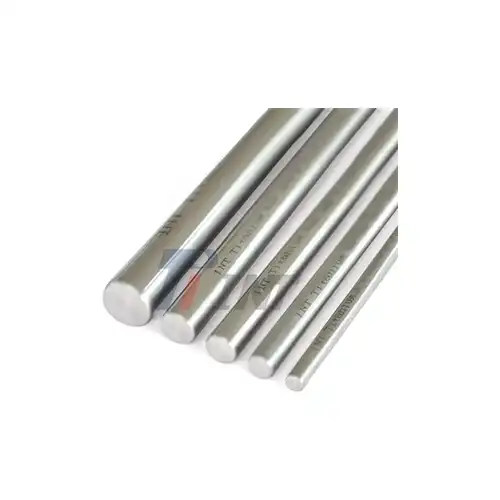
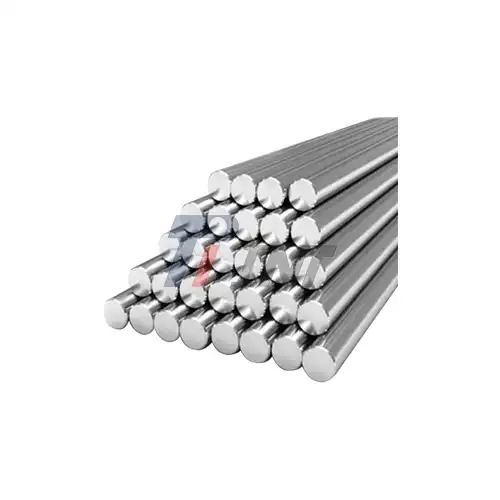
- Customisation and certification: We provide vacuum annealed diameters up to 100 mm, bespoke lengths, polished, sandblasted or machined surfaces. 100% ultrasonic fault detection per bar. We have ISO 9001:2015, ISO 13485: 2016 and EU CE safety certifications.
These benefits solve common production issues like waste from uneven bars, delays caused by missing paperwork, and wasted machining time.
How Medical Titanium Manufacturing Is Changing for OEM Supply Chains
Custom Sizes and Small-Batch Prototyping
Medical titanium manufacturing is shifting from ordinary stock to customised. OEMs demand bars with regulated straightness, specified surface finishes, and unique diameters. Many desire a modest prototype lot before creating a lot since a novel implant's design might alter after the initial evaluation. Suppliers must review designs, verify tolerances, and plan production around tiny initial batches. We can create Gr1 medical titanium bar in any size or form, and our OEM free sample program enables engineering teams test the surface and machining before buying more.
Traceability and Digital Documentation
Tracking heat levels is becoming commonplace. Buyers anticipate inspection documents, chemical analyses, mechanical test findings, and heat or batch-numbered packing materials. EN 10204 describes inspection documentation. Many medical customers want a 3.1 certificate, supplied by the manufacturer and verified by a certified inspector outside of manufacturing. Digital certifications and online access to groups of documents speed up audits and reduce wasted paperwork. A quality engineer can rapidly match a certificate to a heat number to speed up a supplier audit and keep a registration file on schedule.
Where Medical Titanium Sourcing Is Heading
Suppliers are no longer just vendors of materials; they are becoming more and more like partners in manufacturing. OEMs expect technical advice, help with inspections, coordination of logistics, and quick production in small quantities. I think that mixed-size orders, cut-to-length service, custom packaging, and shorter quote cycles will all become more popular.
Sourcing is also affected by sustainability, as planned cutting and near-net-size bars cut down on waste from machining, and consolidated shipments cut down on freight and packaging. Statistical process control and automated document matching might make approvals go faster, but each buyer needs to check with their supplier to see what they already use. It makes sense to have a risk-based qualification plan for each material source since these are trends and not fixed facts.
Gr1 Medical Titanium Bar Standards, Certification, and Compliance
ASTM F67 and ISO 5832-2 Explained
Buyers utilise ASTM F67 and ISO 5832-2 to discover Gr1 titanium surgical implants. View the grade, product form, test procedures, and acceptance limitations after determining which one your design or registration file relates to. General "medical grade" claims are meaningless without such verification. People should not compare Gr1 bars to Astm F136, which only mentions Ti-6Al-4V ELI, not pure titanium. We create Gr1 bars to ASTM F67 and ISO 5832-2 standards and make sure every customer understands what they need before we start.
Reading a Mill Test Certificate
Comprehensive mill test certificates approve lots with all the necessary information. Include the product description, heat or batch number, dimensions, chemical analysis, mechanical results, delivery conditions, and approval authority. Check ASTM F67 minimums for oxygen, iron, carbon, nitrogen, and hydrogen. Check minimum yield, tensile, and elongation. OEM quality teams send samples to a lab for chemistry, mechanics, and metallography testing. Usually two to four weeks. Retesting and answering heat number enquiries makes a supplier trustworthy.
Product Compliance Versus Quality System Approval
Different individuals manage each compliance layer. Material criteria define the Gr1 medical titanium bar. ISO 9001:2015 and ISO 13485:2016 supplier certifications support the quality system. The implant or instrument manufacturer is responsible for finished-device approval and biocompatibility testing. They all passed ISO 9001:2015, ISO 13485:2016, and EU CE safety testing. For US-bound projects, the FDA Quality Management System Regulation references ISO 13485:2016. A supplier quality system based on this standard is compliant with existing rules as of February 2, 2026.
Manufacturing Processes, Surface Finish, and Grade Selection for Gr1 Titanium Bar
Hot Rolled and Cold Drawn Routes
Production route affects tolerance, surface quality, mechanical consistency, cost, and machining. bigger hot-rolled bar is cheaper and may be utilised to produce pieces from bigger material. Cold drawn bar is best for finer tolerances and uniform diameters. We employ hot rolling and forging to provide vacuum-annealed steel in diameters up to 100 mm and custom lengths. Pure titanium is soft enough to cold shape after annealing. This aids firms that bend or stamp items before machining. Ask each supplier which route manufactured your lot. The route impacts store floor appearance.
Surface Finish and Inspection
The condition of the surface affects how clean it is, how it looks, and how it is processed later on. The roughness and look of surfaces that have been ground, peeled, polished, sandblasted, and machined vary, so include measurable limits in your specification for things like diameter, straightness, roundness, end condition, and allowable surface defects. We have finishes that are polished, sandblasted, and machined.
Visual checks, measuring dimensions, testing for roughness, chemical and mechanical analysis, and non-destructive testing are all types of inspection. We use ultrasonic flaw detection on every bar, which finds holes inside that the human eye can't see. It's also better for automatic bar feeders to feed a smoother, cleaner bar, and it can help keep tools from wearing out during precision turning.
Comparing Gr1, Gr2, Ti-6Al-4V, and Stainless Steel
Grade choice strikes a balance between cost, performance, manufacturability, and compliance. With a minimum yield of 170 MPa, Gr1 is the most flexible and easy to shape among commercially pure grades. The minimum yield strength goes up to 275 MPa and the minimum tensile strength goes up to 345 MPa under ASTM F67. This makes it better for parts that need to be stronger.
ASTM F136 covers Ti-6Al-4V ELI. It is used for high-load parts like many spinal and joint parts, but it is harder to shape. Some instruments can still be made out of stainless steel, but titanium weighs about 4.51 g/cm³, while common stainless grades weigh about 8 g/cm³. If you care more about how it shapes and how well it resists corrosion than how strong it is, choose Gr1.
How OEM Buyers Can Evaluate a Gr1 Medical Titanium Bar Supplier
Supplier Qualification Checks
Qualification should exceed catalogues and unit pricing. Determine the bar's standards, if heat numbers are connected to certifications, production routes, and tolerances, and how the supplier handles non-standard concerns. Remotely or on-site, buyers check international manufacturers' ownership, equipment, inspection facilities, quality people, and references. Zhan Wenge, a 30-year titanium industry veteran, created Baoji INT Medical Titanium Co., Ltd. Sample testing and audits are welcome. OEM projects with many uses need continuous traceability and clear replies.
Writing a Clear RFQ and Judging Total Cost
Every quote for Gr1 medical titanium bar goes faster when the RFQ is technically clear. Include the grade, standard, length, width, thickness, straightness, mechanical requirements, needed paperwork, packaging, quantity, where the goods are going, and when they need to be delivered. Prices vary based on the markets for raw materials, the diameter, the production route, testing, finishing, cutting, volume, freight, and business terms.
It is better to compare the total landed cost rather than just the unit price. Share your annual plans for demand and delivery as well. This will help the supplier plan their capacity and come up with prices for the annual agreement. A flexible supplier can handle prototypes, small-batch testing, and large orders with the same paperwork and results every time.
A Simple Decision Process Before You Order
First, make sure that Gr1 can handle the load, deformation, wear, corrosion, sterilization, and contact with tissue. Next, choose the shape: hot-rolled, ground, polished, cut to length, or made to order. Then, make a list of the documents that will be sent, such as certificates, chemical and mechanical results, dimensional reports, and records of where the materials came from.
Rating each supplier based on how well they follow the rules, how consistent the batches are, their capacity, lead time, total cost, communication, and their ability to export. Before you place a bulk or repeat order, you should order representative samples and inspect the first item. We've seen implant makers take three to six months to decide on a first order, and two to four weeks to decide on a reorder.
Conclusion
OEMs now focus on custom sizes, small-batch trials, heat-level traceability, and clear documentation when they need to get medical titanium. The Gr1 medical titanium bar is very flexible, doesn't rust, and is very good with living things. It meets ASTM F67 standards for low oxygen levels and has minimum strengths of 170 MPa yield and 240 MPa tensile. Different levels of compliance are covered by material standards, mill certificates, and supplier certifications.
Testing of the finished device is the responsibility of the person who made it. The machining performance of Gr1 medical titanium bar depends on the production route and surface finish. You can choose between Gr1, Gr2, and Ti-6Al-4V ELI based on how easy it is to shape versus how strong it is. A good sourcing choice includes verified chemistry, consistent batches, a written specification, the total landed cost, and approval of samples before placing large orders.
FAQ
Does Gr1 medical titanium bar meet ASTM F136?
ASTM F136 does not cover Ti-6Al-4V ELI. As per ASTM F67 and ISO 5832-2, Gr1 is not an alloy, so make sure the right standard is shown on your drawing.
What sizes and finishes do you offer?
We offer diameters up to 100 mm and lengths that are made to order. Bars are shipped in a state called vacuum-annealed, but surfaces can be polished, sandblasted, or machined. Send us your drawing, and we'll let you know if it's possible.
Can I test a sample before ordering?
Yes. We give OEM free samples so that your team can do metallographic, mechanical, and chemistry tests with a third party. Engineers can also check the surface condition and how easy it is to machine with samples.
How do I know a bar belongs to a specific heat?
A mill test certificate is sent with every order and is linked to a heat or batch number. Let us know if your quality team needs any extra documents, and we'll make sure they are there before production.
Request a Gr1 Medical Titanium Bar Quotation from Baoji INT Medical Titanium Co., Ltd.
Baoji INT Medical Titanium Co., Ltd. makes Gr1 medical titanium bars and has been making titanium products for more than 30 years. They are certified by ISO 9001:2015, ISO 13485:2016, and the EU CE, and they offer free OEM samples. Send your drawings, grade, standard, size, quantity, and finish to export@tiint.com. Our team will get back to you with a quote and technical advice. For more information, go to inttitanium.com.
References
1. ASTM F67 Standard Specification for Unalloyed Titanium for Surgical Implant Applications, 2013
2. ISO 5832-2 Implants for Surgery: Metallic Materials, Part 2: Unalloyed Titanium, 2018
3. ISO 13485 Medical Devices: Quality Management Systems, 2016
4. FDA Quality Management System Regulation Final Rule, Federal Register, 2024
5. EN 10204 Metallic Products: Types of Inspection Documents, 2004
6. Titanium Alloys in Total Joint Replacement: A Materials Science Perspective, Biomaterials, 1998