
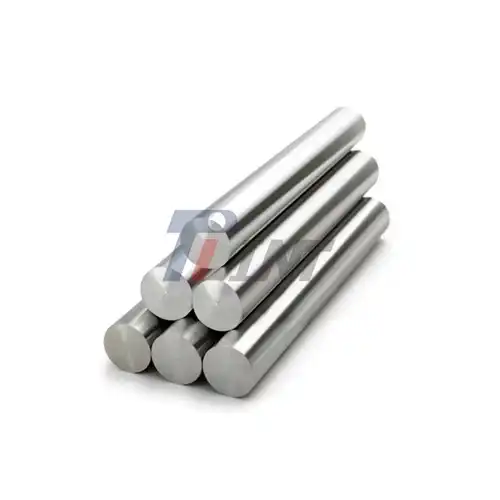
ASTM F136 Titanium Round Bar vs Gr5 Titanium Bar: Key Differences


 2026-11-06 14:48:09
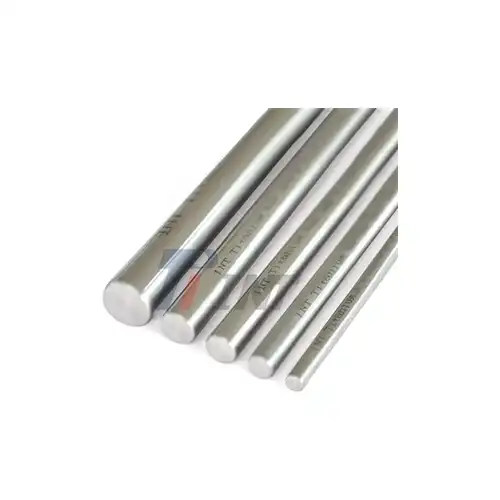
ASTM F136 titanium round bar along with Gr5 titanium bar correspond to Ti-6Al-4V, although they are not interchangeable. ASTM F136 includes Grade 23 (extra low interstitial) version. For surgical implantation . It limits oxygen to.13% and iron to .25% making the metal more malleable and robust. Gr5 is in accordance with ASTM B348 and can include up to 0.2% oxygen and 0.40% iron. It is often used in industrial, marine and aerospace components. I would suggest you make your selection based on regulatory standards and documentation, not tensile strength.
|
|
|


ASTM F136 Titanium Round Bar: Definition, Specification, and Material Identity
What ASTM F136 Covers
ASTM F136 is the specification of wrought Ti-6Al-4V ELI alloy used for manufacturing surgical implants. UNS Number R56401 The document restricts the chemical composition, microstructure and mechanical qualities of the product. These restrictions are applicable to the many kinds of goods, e.g., bar, wire and sheet. The nominal composition is around 6 % aluminium, 4 % vanadium and the balance titanium.
Maximum interstitial elements (mostly oxygen, nitrogen, carbon and hydrogen) are limited to lower levels than in the conventional grades. This is what the ELI label signifies. This is essential because oxygen helps make titanium stronger, but rigid and less able to absorb damage. The ELI approach is safer for implants that is going to be within the body for decades, and will be carrying loads back and forth.
Terms Buyers See on Drawings and Certificates
Drawings and certifications may use different designations for the same material specifications, such as ASTM F136, a Grade 23, Ti-6 Al-4V ELI, UNS R56401 and ISO 5832-3. Some purchasers wish to see that the material satisfies both of these requirements . ISO 5832-3 is the worldwide standard for wrought Titanium-6 aluminum-4 implant material . ASTM F67 is a distinct kind of substance since it contains pure titanium for commercial use that does not have been alloyed.
Grade 23 is also included in the basic bar standard, ASTM B348. This means that a Grade 23 bar built solely to B348 is not effortlessly an F136 bar since F136 includes standards that are specified for surgical implantation. See which paper your registration file points to, then ask the certificate to cite it by number and revision.
Supply Conditions and Why Heat-Specific Reports Matter
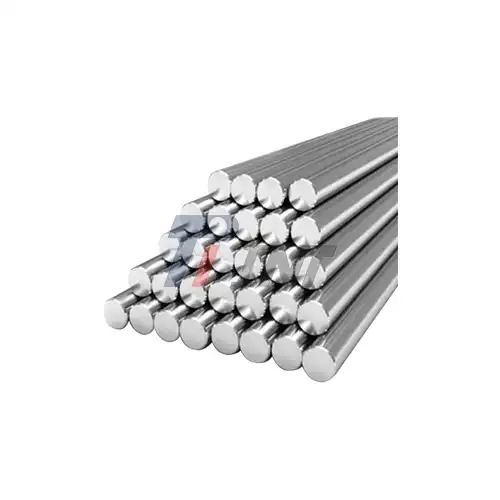
An ASTM F136 titanium round bar can be delivered annealed, hot rolled, forged, peeled, polished, or ground without a center. Every path is best for a different step further downstream. For CNC lathes and bar feeders, ground bar gives you more control over the diameter, while annealed bar works more reliably. The heat-specific material test report shows that the requirements are met no matter what the conditions are.
The certificate for ASTM F136 titanium round bar tells you the physical, chemical, and heat number of the exact bar you receive. Websites with generic datasheets list common values but can't back up a regulatory filing. I suggest that the heat number on the bar marking, the certificate, and the packing list all match before the material goes into the machine shop.
ASTM F136 vs Grade 5 Titanium Bar: Key Differences
Chemistry Limits: Where the ELI Grade Is Tighter
The aluminum and vanadium ranges look a lot alike because both grades use Ti-6Al-4V. O2, iron, and hydrogen make up the gap. Iron is limited to 0.25% and oxygen to 0.13% by ASTM F136. ASTM B348 says that oxygen can be up to 0.20% and iron can be up to 0.40% in Gr5. The highest amount of hydrogen that can be present is 0.012% in F136 and 0.015% in B348 Gr5 bar.
The highest amounts of nitrogen and carbon are both 0.05% and 0.08%. The way the alloy acts changes because of these small decimals. Because it has less iron and oxygen, the ELI grade can change shape more easily before breaking. This is why surgical implant standards choose it.
Mechanical Properties Side by Side
The minimum values for annealed bar from the two published specifications are shown below in a table.
| Property | ASTM F136 (Grade 23) | ASTM B348 Gr5 |
|---|---|---|
| Oxygen, max | 0.13% | 0.20% |
| Iron, max | 0.25% | 0.40% |
| Tensile strength, min | 860 MPa | 895 MPa |
| Yield strength, min | 795 MPa | 825 MPa |
| Elongation, min | 10% | 10% |
| Reduction of area, min | 25% | 25% |
Gr5 has a slightly higher minimum strength than F136, but F136 gives up a little strength in exchange for better resistance to cracking and damage. This pattern for ELI material is found in books like the ASM Materials Properties Handbook for titanium alloys.
Why Similar Strength Does Not Mean Equivalence
Despite a Gr5 certificate stating 950 MPa tensile strength, the bar is not implantable. Equivalence is based on the whole specification, not simply matching figures. A generic industrial certificate may not address F136's chemistry, microstructure, and testing restrictions. Suppliers record and maintain raw material grade for US-based companies. Changing F136 to Gr5 after design approval normally requires change control, which might compromise regulatory submission. That's why I examine the certificate's specification number before pricing or lead time.
Performance Comparison: Strength, Machining, Heat Treatment, and Surface Finish
Strength, Fatigue, and Stiffness
Ti-6Al-4V ASTM F136 titanium round bar has a density of about 4.43 g/cm³, delivering high strength at a low weight. Its elastic modulus is around 110 to 114 GPa, which is lower than that of stainless steel and cobalt-chrome alloys. A lower modulus reduces the stiffness mismatch between the implant and bone, the core consideration for stress shielding in orthopedic design.
Also, the alloy is not magnetic. The grade name doesn't have as much of an effect on fatigue life as the microstructure, surface condition, and defect control do. An ASTM F136 titanium round bar with a clean, fine alpha-beta structure and a smooth machined surface gives designers a better idea of how the bar will wear over time than a bar with flaps or other imperfections.
Machining Behavior
Titanium doesn't move heat very well; its thermal conductivity is about 6.7 W/m·K, which means that heat stays where it is. Also, it tends to work harden and get rough when tools are used on it. Shops can control this by using strong clamps, steady feed rates, sharp carbide tools, and lots of coolant. As much as the grade, batch consistency is more important.
When the heat changes, the cutting parameters that worked last month may not work anymore, and the amount of scrap goes up. With the Gr5 and F136, shops don't need to learn a new process for either one. It needs a stable bar from one heat to the next, which is why buyers should look at certificates from different lots side by side.
Heat Treatment and Surface Finish
Most Ti-6Al-4V bar is sold after it has been annealed, which makes it strong, flexible, and easy to work with. The grain flow and machining allowance of forged, rolled, and cold-finished goods can be different, so the supply condition should match the part geometry. It's also important to be clear about the surface finish. Ground bar gives diameters that are tight and stable.
Peeled bar gets rid of flaws and top layers. Parts that need to be cleaned easily and have low friction should use polished bar. If your line does anodizing, a smooth surface will help the colors stay the same. Writing down the agreed upon tolerance class, straightness, and roughness limits in the purchase order is important.
Applications: When to Choose ASTM F136 and When Grade 5 May Be Enough
Where ASTM F136 Belongs
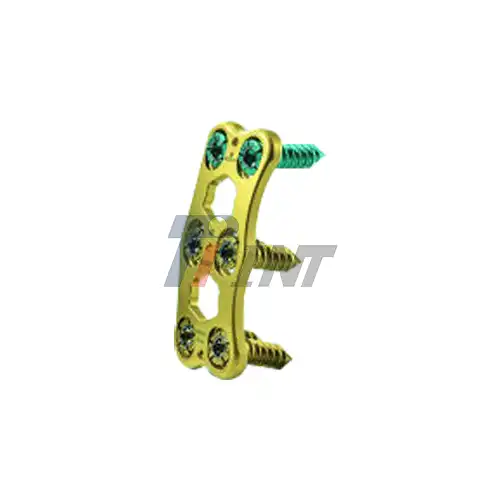
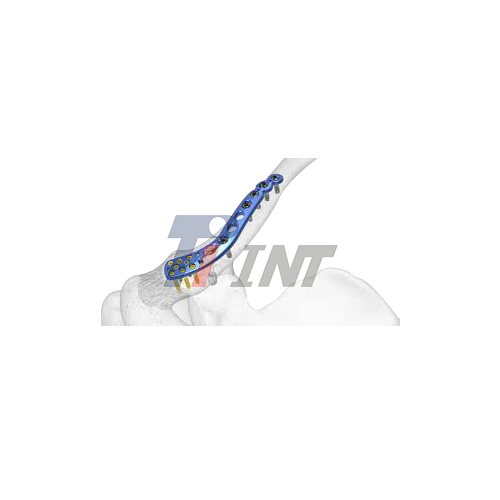
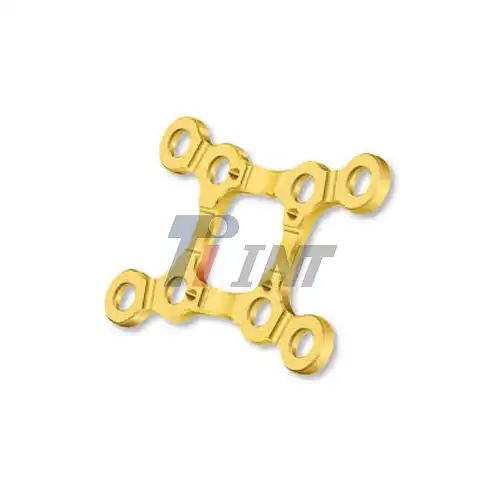
ASTM F136 titanium round bar is used for trauma screws, plates, spinal rods, pedicle screws, craniomaxillofacial parts and dental implants. These objects are made by connecting each bar to a heat source and using an implant-grade alloy stated on the design or client specifications. The ELI grade helps surgeons bend plates and rods because it is flexible. This bar is used in surgical instruments and speciality parts for corrosion resistance and weight reduction. Raw-material certification is one part. The final gadget requires controls for testing, cleaning, and germ killing.
Where Gr5 Fits
Non-medical titanium is predominantly Gr5. Aerospace fasteners, brackets, and fittings, naval hardware, chemical processing equipment, pumps, valves, and motorsports parts are made using it. The consumer wants affordability, strength, and corrosion resistance, not surgical implant paperwork. With a somewhat greater minimum strength, it may be utilised for a lightly loaded structural section. If your drawing requires ASTM B348 Gr5 and there are no medical demands, ELI chemistry and implant testing are wasteful. Instead of choosing premium, adapt the grade to the work.
Deciding by the Governing Document
Team discussions about ASTM F136 titanium round bar versus standard Grade 5 frequently result in written answers. First the drawing, next the customer needs, then the regulatory paperwork. Questions are addressed if they indicate ASTM F136, ISO 5832-3, or Grade 23 for implants. If none do, consider the working environment and fatigue constraints before choosing. Doing the opposite won't work either, since purchasing F136 for a part that just requires Gr5 costs more and doesn't add anything. Finally, get engineering and quality to concur and document the decision.
How to Choose the Correct ASTM F136 Titanium Round Bar and Supplier
Define Your Requirements Before Requesting Quotes
Quotes that are good begin with a clear question. Write down the standard and revision, as well as the diameter, length, tolerance, straightness, surface finish, supply condition, and supply condition. When you're developing, be sure to include the expected annual volume and the number of sizes you need. This will help the supplier plan production.
Tell the supplier about steps that come after, like centerless grinding, CNC turning, or anodizing, so they can suggest a good condition. For orders from other countries, ask for the landed cost on a clear Incoterm. This should include testing, cutting, packaging, freight, and duties. If you include these details in your request, you can avoid price changes and speed up the process of sending out a sample.
Documents and Checks to Request
Request the mill certificate, material test report with heat number, chemical, mechanical, and measurement data from each potential supplier. Buyers often request EN 10204 3.1 certificates and metallographic reports. A sample should be sent to a different lab for chemical, tensile, and microstructure testing to ensure qualification. Examine the lab report and supplier certificate. Avoid claims like "medical titanium," certifications that don't match the batch, missing heat numbers, confusing pricing, and F136, F67, and Gr5 confusion. Any of these should halt approval.
What Baoji INT Medical Titanium Co., Ltd. Supplies
After 30 years in the titanium industry, Mr. Zhan Wenge founded Baoji INT Medical Titanium Co., Ltd. We specialise in medical titanium materials including Ti6Al4V ELI rods, wires, plates, and sheets in various sizes and requirements. Our items have ISO 9001:2015 quality certification. ISO 13485:2016 certifies medical device quality management. EU CE safety certification is present. We sell just titanium. Our experts can answer technical enquiries concerning conditions, specs, and documentation for your engineers and quality teams to review before ordering.
Conclusion
Both ASTM F136 titanium round bar and Gr5 titanium bar are based on Ti-6Al-4V, but the specification that governs them is different. As compared to standard Gr5 (0.20% oxygen and 0.40% iron), F136 has stricter limits: only 0.13% oxygen and 0.25% iron. In exchange for better fatigue resistance, it has a slightly lower minimum strength. Machining behavior, heat treatment conditions, and surface finish are similar for both grades.
For implant work, however, batch consistency and heat-specific certificates are the most important things. Parts for spacecraft, ships, and factories can be made from Gr5, and surgical implant materials must meet a certain standard can be made from F136. Strength by itself can't make the decision. It depends on the drawing, the registration file, and the certified test data. If the grade changes after approval, there is usually a formal review.
FAQ
Is ASTM F136 the same as Gr5 titanium?
No, they are both Ti-6Al-4V, but F136 needs ELI chemistry with less oxygen and iron because it is used for surgical implants. Gr5 is made to general standards like ASTM B348.
How does ASTM F136 differ from ASTM F67?
F67 includes commercially pure titanium that hasn't been alloyed, which makes it weaker. The Ti-6Al-4V ELI alloy is covered by F136. It is used when extra strength is needed.
Can ASTM F136 bar be used in aerospace parts?
It can work mechanically, but the drawing has to let it. Aerospace programs often come up with their own names for requirements, so make sure you have the right document first.
Which document proves the grade of a delivered bar?
The report on the heat-specific material test. It gives the heat number, the chemistry results, and the mechanical results. It should also give the standard and revision.
Request an ASTM F136 Titanium Round Bar Quote from Baoji INT Medical Titanium Co., Ltd.
Baoji INT Medical Titanium Co., Ltd. has been around since 2003, and all of our products have ISO 13485:2016 certification. To find a supplier of ASTM F136 titanium round bars, email export@tiint.com with your diameter, length, quantity, and the standard you need. The technical details will be sent back by our team. Go to inttitanium.com to look at our plates, wires, and rods made of Ti6Al4V.
References
1. ASTM F136, Standard Specification for Wrought Titanium-6Aluminum-4Vanadium ELI (Extra Low Interstitial) Alloy for Surgical Implant Applications (UNS R56401), ASTM International, 2021
2. ASTM B348/B348M, Standard Specification for Titanium and Titanium Alloy Bars and Billets, ASTM International, 2019
3. ISO 5832-3, Implants for Surgery – Metallic Materials – Part 3: Wrought Titanium 6-Aluminium 4-Vanadium Alloy, International Organization for Standardization, 2021
4. Materials Properties Handbook: Titanium Alloys, ASM International, 1994
5. Titanium: A Technical Guide, 2nd Edition, ASM International, 2000
6. Titanium in Medicine: Material Science, Surface Science, Engineering, Biological Responses and Medical Applications, Springer, 2001