Milled Titanium Bar Dental Applications: Complete Guide


 2026-09-08 10:00:20
When dental implant manufacturers search for precision materials that deliver both clinical excellence and production efficiency, milled titanium bar dental solutions stand out as the gold standard. These precision-engineered components, crafted through advanced CAD/CAM milling processes from medical-grade titanium blanks, eliminate the porosity and distortion issues inherent in traditional casting methods.
By choosing milled dental titanium bars, procurement teams gain access to materials offering passive fit accuracy, homogeneous metallurgical integrity, and the design freedom necessary for complex implant-supported restorations—addressing the core challenges faced by dental implant system manufacturers worldwide.
|
|
|
Understanding Milled Titanium Bars in Dentistry
What Makes Milled Titanium Bars Different
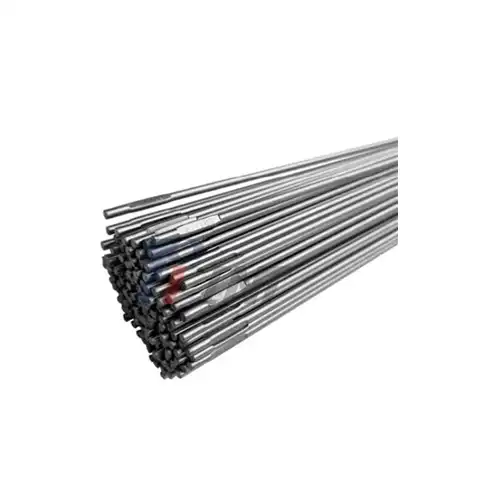
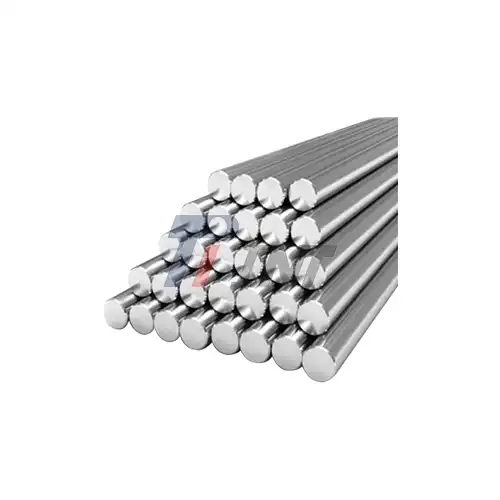
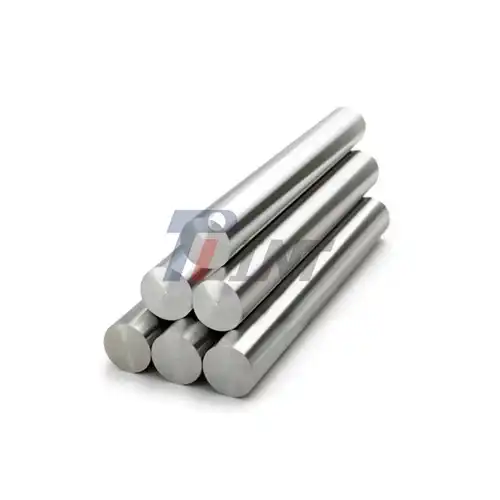
Precision titanium bars are cut from solid, pre-made titanium plates using subtractive CNC production. This is different from regular cast dental bars, which have flaws like shrinkage and inclusion contamination. This method makes dental implant bars with consistent mechanical properties and exact measurements that casting just can't match. The process starts with certified medical-grade titanium that meets ISO 5832-2/3 and ASTM F136 standards. This makes sure that the quality of each batch is the same, which is an important part of quality assurance protocols.
Manufacturing Process and Precision Engineering
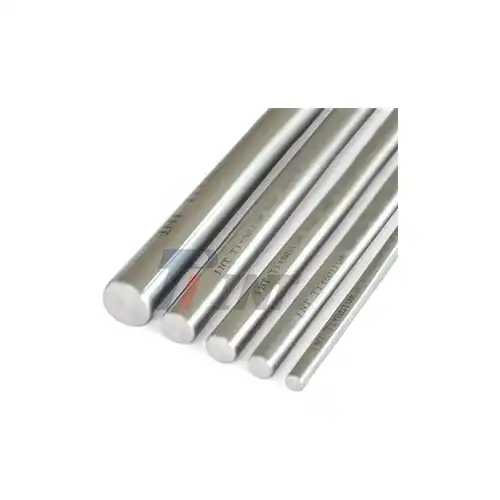
Modern five-axis CNC milling centers take material from solid titanium rods by moving cutting tools in a coordinated way. They can achieve diameter tolerances of h6 or h7, which are necessary for dental CAD/CAM processes. The subtractive method keeps the parent material's grain structure intact, making it more resistant to fatigue than the casting or additive methods. Without additional cleaning, surface finishes reach Ra values below 0.8 micrometres, which helps osseointegration the most when they are used as implant abutment frames.
Material Grades and Compliance Standards
Grade 5 titanium alloy (Ti-6Al-4V) or Grade 23 titanium alloy (Ti-6Al-4V ELI—Extra Low Interstitial) is usually used in dental-grade titanium bars. These grades were chosen because they have great strength-to-weight ratios and are compatible with tissue. Grade 23 reduces the amount of oxygen and iron in the material, which lowers the risk of inflammatory reactions during long-term implant situations.
Every production batch comes with compliance paperwork like material certificates, ultrasonic inspection reports, and data for verifying the dimensions. These are requirements that dental device makers working under FDA and CE regulatory frameworks can't skip.
Benefits and Advantages of Milled Titanium Bars for Dental Use
Biomechanical Performance and Durability
When cut correctly, Ti-6Al-4V has a tensile yield strength of about 860 MPa. This gives it the stiffness needed to splint multiple implants in full-arch rehabilitation cases without sacrificing flexibility. This mechanical balance stops stress buffering effects that can cause bone loss around the implant. The modulus of elasticity is about 110 GPa, which is very similar to the properties of cortical bone.
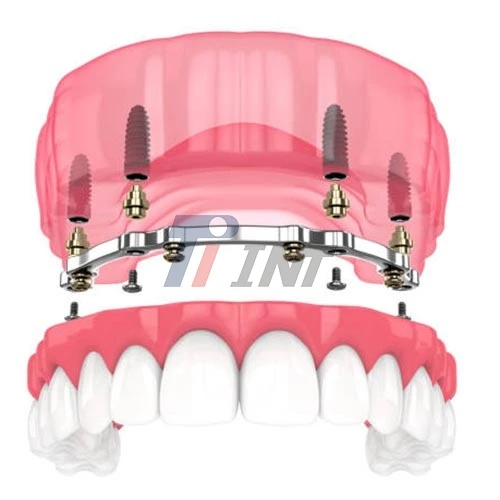
This means that it distributes occlusal loads more naturally than rigid zirconia alternatives. These traits are especially useful in All-on-4 and All-on-6 immediate loading protocols, where the survival of the implant depends on how well the load is distributed.
Biocompatibility and Long-Term Stability
Titanium naturally forms a stable titanium dioxide (TiO₂) passivation layer that forms an inert interface with oral tissues. This layer stops galvanic reactions from happening even when different metals in the restoration complex touch it, milled titanium bar dental being a prime example of a component that relies on this passive film for long-term biocompatibility.
Studies that followed implant-supported bars for 10 years showed that they had survival rates of over 95% when the right cutting methods were used to keep the surface intact. Because the material is non-toxic, there are no worries about the ion release that can happen with some cobalt-chromium alloys. This is especially important for people who are sensitive to metals.
Manufacturing Efficiency and Cost Advantages
When compared to casting, milling technology lowers material loss to about 30–40%, which has a direct effect on the cost of materials per unit. Production cycle times get a lot shorter. With modern CNC equipment, complex dental bar geometries that take 3–4 days to make with investment casting can be finished in 8–12 hours.
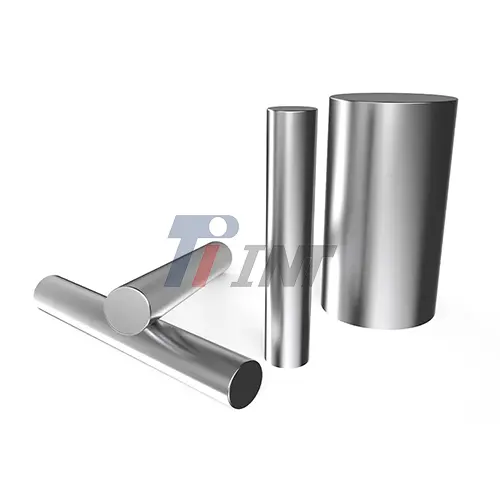
These savings mean that dentistry labs have a lower total cost of ownership, especially when they buy from specialised companies that keep stock in common diameter ranges (Ø3mm to Ø6mm) and have flexible minimum order amounts. It is said that when purchasing managers switch from European sellers to qualified Asian makers without lowering quality standards, costs drop by 20 to 40 percent.
Comparison & Decision-Making: Choosing the Right Dental Bar Material
Milled Titanium Versus Cast Titanium Bars
Even though cast titanium bars are cheaper at first, they add factors that lower the yield rates of machining. Porosity from trapped gases makes weak spots that can crack when the load is changed over and over. Cooling shrinkage causes changes in dimensions that need extra room for machining, which cancels out any cost savings that might be seen. Milled bars get rid of these doubts. The uniform structure from cast titanium stock makes tool wear patterns predictable and thread-tapping performance consistent when adding connection systems.
Comparing Titanium to Zirconia and Ceramic Solutions
Because they are clear, zirconia dental frames look better than titanium ones, but they don't absorb shock as well. Ceramics are brittle, so they can break very easily in people who grind their teeth, but titanium bars break in a more graceful way, with visible deformation before they break. When compared to titanium machining, zirconia milling needs more expensive diamond tools and makes trash that can't be recycled, which raises running costs by 30 to 50 percent.
Stainless Steel and Cobalt-Chrome Alternatives
Surgical-grade stainless steel is strong enough and costs less than titanium, but it doesn't fight rust as well in the chloride-rich environment of the mouth. Long-term clinical data shows that steel components are more likely to cause peri-implantitis. Cobalt-chromium alloys are as strong as titanium, but they weigh about 60% more, which can be uncomfortable for patients in maxillary applications. When a full arch is restored, the density disadvantage is more noticeable because the extra weight directly affects the support of soft tissues and the sound quality.
Procurement Guide for Milled Titanium Dental Bars
Evaluating Supplier Credentials and Certifications
Not just general ISO 9001 quality systems are enough for qualified titanium bar suppliers; they must also show ISO 13485:2016 certification. This standard for medical device quality management makes sure that everything can be tracked from the melting of the raw materials to the final inspection.
Ask for audit proof that you are following Good Manufacturing Practices, such as sterile rules for final packing, and ensure that milled titanium bar dental materials are fully traceable. Suppliers should give Material Test Reports (MTRs) that are approved to EN 10204 3.1 standards. These MTRs should show the chemical makeup of each production lot using optical emission spectroscopy and its mechanical qualities by testing it destructively.
Technical Specifications and Quality Assurance
Dimensional inspection reports need to have data on straightness deviation, surface roughness profiles, and diameter measurements taken at several points along the length of the bar. Ultrasonic testing papers show that the inside is sound; the acceptance standards should say that there are no flaws bigger than a 0.8 mm flat-bottom hole width.
A 10x magnifying glass is used to check the surface quality and make sure there are no scratches, laps or rust discolourations that could affect the performance of the machine. These rules about paperwork keep purchasing teams from having to deal with batch rejections, which can stop production lines and hurt relationships with customers.
Customization Capabilities and Lead Time Management
Most of the time, companies that make dental implants need multiple diameter specifications in small enough quantities that standard mill runs can't handle. Look for providers that can make custom sizes and have acceptable minimum order numbers.
For most businesses, 500 to 1,000 pieces per specification is a good range. Lead times should stay the same, at 3–5 weeks from order to shipment. This way, forecasts can be made every three months without having to keep too much safety stock. Bar ends must be protected from damage during international shipping; individual plastic caps with foam-cushioned cartons stop surface flaws that lead to failures in later processing.
Pricing Structures and Contract Negotiation
Transparent pricing models split the costs of materials, labour, and certification, so you can compare prices between sellers in a good way. savings for volume usually start at yearly commitments of 500 kg, and as volume rises, tiered price offers 8–12% savings. When it comes to dental manufacturing, Net 30-60 days are a good payment term. Setting up frame agreements with approved suppliers makes it easier to place repeat orders. This is because specs and prices are already agreed upon, so there aren't any 6–8 week quote processes that slow down the launch of new products.
Top Brands and Trusted Suppliers of Milled Titanium Dental Bars
Identifying Reputable Manufacturers
Leading suppliers set themselves apart not by marketing claims but by long-term quality performance. For critical raw materials such as milled titanium bar dental, this performance becomes even more essential. Check out customer examples from well-known dental implant companies and ask specific questions about the number of defects, how reliable the delivery is, and how quickly technical support responds.
Manufacturers who go to big industry shows like IDS Cologne and CDS Chicago show they are committed to the market. Their desire to show off their production skills and talk about technical problems shows they are confident in their operations. Audit reports from third-party inspection agencies give a neutral check of how well quality systems work and how well manufacturing capabilities are met.
Building Strategic Supply Relationships
Long-term relationships have perks that go beyond lowering the cost of doing business. Preferred suppliers take the time to learn about your unique machining needs and can suggest process changes that cut down on tool wear or cycle times. Through non-disclosure agreements, collaborative partnerships protect intellectual property while allowing the development of specialised bar geometries for private implant systems. Dedicated account management makes sure that priorities are set during titanium market shortages, which is a huge help when production schedules are thrown off.
The specialised manufacturing skills that dental implant makers need can be seen in Baoji INT Medical Titanium Co., Ltd. Since our founding in 2003, we've been in the titanium business for over 30 years and have a lot of experience with medical-grade materials and the exacting standards that dental applications need. Our factories keep their ISO 13485:2016 and EU CE certifications up to date, which makes sure that every titanium rod, wire, and plate meets the rules for medical devices around the world.
The company's focus on tight diameter tolerances and surface quality control solves the main issues that purchasing managers have when they are looking for new sources. These features are available across the full specification range that dental makers use, from Ø3mm bars for narrow-diameter implants to Ø6mm stock for multi-unit abutments. Customisation is also possible to meet special design needs.
Conclusion
To choose the right milled titanium bar dental material, you have to find a balance between technical performance, regulatory compliance, and the reliability of the supply chain. CAD/CAM-milled titanium bars are the best choice for demanding dental implant applications because they have better mechanical properties, are biocompatible, and are made with great accuracy.
Purchasing managers who put source certifications, accurate measurements, and batch tracking at the top of their list of priorities protect their companies from quality problems that hurt patients and hurt the brand's image. Strategic partnerships with specialised medical titanium manufacturers give dental device companies the consistency and technical support they need to stay ahead in the market as it changes.
FAQ
What diameter tolerances can milled titanium bars achieve?
Titanium bars with h6 or h7 diameter tolerances are made with high-precision CNC milling. These tolerances are usually within ±0.005mm to ±0.010mm, depending on the diameter size. Because of these close tolerances, most dental implant machining jobs don't need secondary grinding, which cuts down on costs and cycle times. Due to the physical limitations of micro-machining processes, bars with smaller diameters (Ø3–4mm) keep their relative ranges closer than bars with larger diameters.
How do I verify material certifications for medical-grade titanium?
Ask for Material Test Reports (MTRs) that are approved to EN 10204 3.1 standards. These include chemical makeup and mechanical property checks by a separate lab. To make sure that the material can be tracked, compare the heat number on the MTR with marks on the real thing. Ultrasonic testing certificates and measurement inspection reports are standard paperwork that legitimate sources give out for free.
Can milled titanium bars be customized for proprietary implant designs?
Medical titanium manufacturers that specialise in custom diameter milling have reasonable minimum order quantities, which range from 500 to 1,000 pieces depending on the complexity of the specifications. Custom lengths, surface treatments, and packing arrangements can be made to fit the needs of any design. Collaborative development agreements help keep intellectual property safe and let suppliers improve the properties of materials for certain medical uses.
Partner with a Trusted Milled Titanium Bar Dental Manufacturer
If you need to make dental implants, Baoji INT Medical Titanium Co., Ltd. can help you with precision-milled titanium materials that are designed to be the best. Our strict quality control systems make sure that every titanium bar meets the requirements of ASTM F136 and ISO 5832. This is backed up by certifications for material traceability and ultrasonic inspection. Our technical team works with your engineering department to make sure that the best material is chosen for your implant designs, whether you need Grade 5 or Grade 23 titanium in standard widths or unique sizes.
Get in touch with our export team at export@tiint.com to talk about your titanium bar needs, ask for material certifications, or set up an evaluation of a sample. Visit inttitanium.com to see our full line of medical-grade titanium products and find out why major dental device makers around the world trust our materials for their most important jobs.
References
1. Journal of Prosthetic Dentistry. (2019). "Biomechanical behavior of titanium frameworks for implant-supported full-arch rehabilitations."
2. Clinical Oral Implants Research. (2020). "Long-term survival rates of milled titanium implant frameworks: A 10-year retrospective study."
3. International Journal of Oral & Maxillofacial Implants. (2018). "Comparative analysis of peri-implantitis incidence with different framework materials."
4. ASTM International. (2021). "ASTM F136: Standard Specification for Wrought Titanium-6Aluminum-4Vanadium ELI Alloy for Surgical Implant Applications."
5. International Organization for Standardization. (2016). "ISO 5832-3: Implants for surgery — Metallic materials — Part 3: Wrought titanium 6-aluminum 4-vanadium alloy."
6. Dental Materials Journal. (2021). "Surface characteristics of milled versus cast titanium dental frameworks and their impact on osseointegration."
_1752643437358.webp)
_1752462620877.webp)
_1751956094730.webp)