
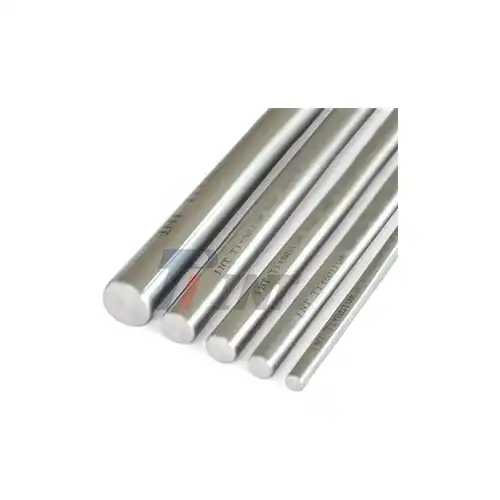
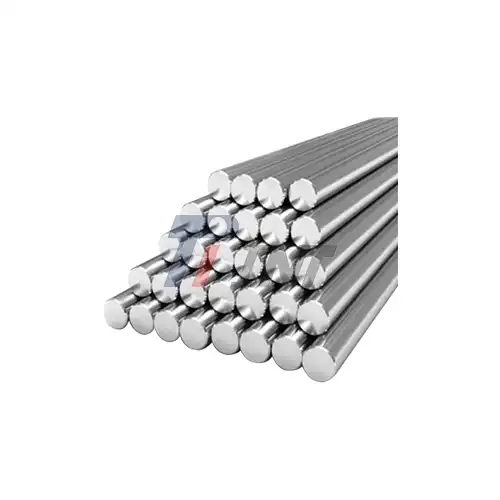
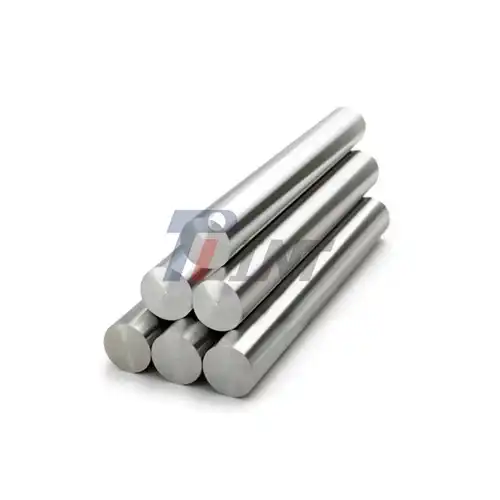
Ti6Al4V ELI Titanium Bar Guide for Orthopedic Implants


 2026-08-20 15:02:58
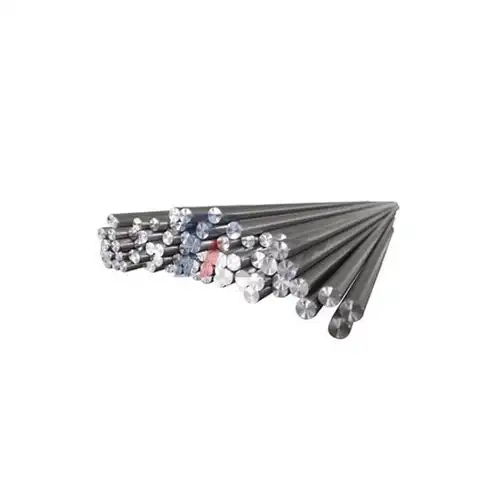
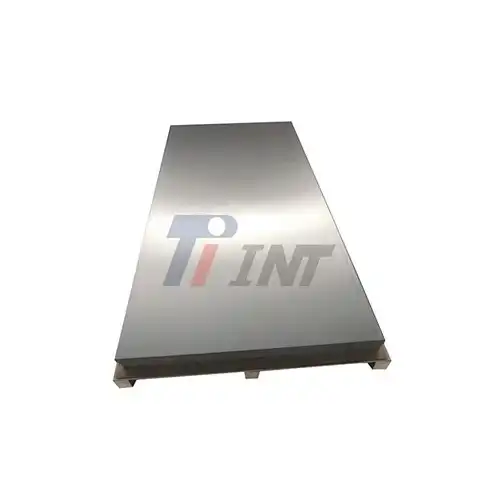
When sourcing materials for orthopedic implants, choosing the right titanium alloy bar can determine product success. Ti6Al4V ELI (Extra Low Interstitial) titanium bars represent the gold standard in medical device manufacturing, particularly the 10mm diameter specification widely used in hip stems, spinal rods, and bone fixation hardware. This guide explains why Ti6Al4V ELI titanium bar 10mm dimensions deliver exceptional performance, how they compare to alternative materials, and what procurement managers should know when selecting a qualified supplier for their medical device production needs.
|
|
|
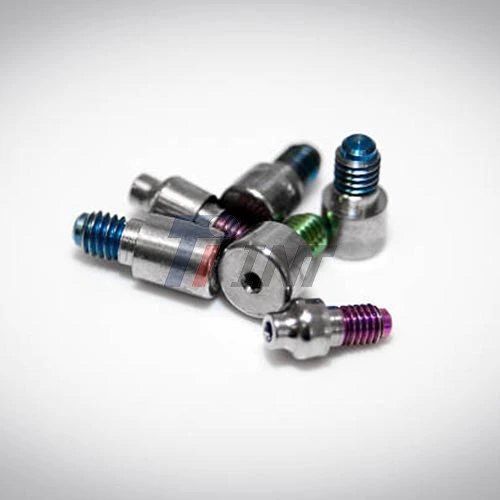
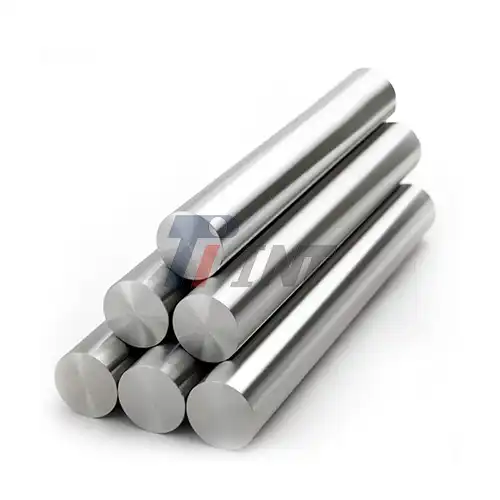
Understanding Ti6Al4V ELI Titanium Bar for Orthopedic Implants
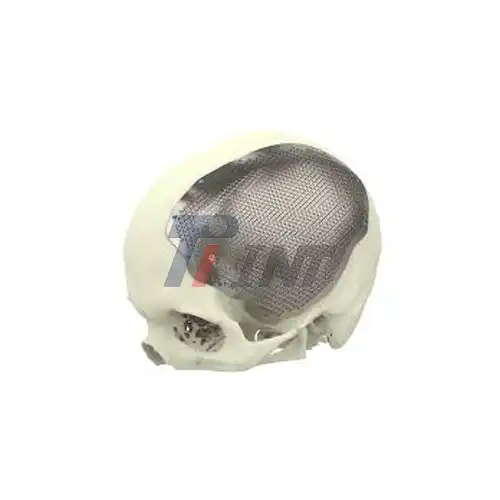
The Ti6Al4V ELI titanium bar is the most reliable material for load-bearing orthopedic implants. It meets strict international medical standards and has better biological and mechanical performance.
Chemical Composition and Medical Standards Compliance
Ti6Al4V ELI, which is also called Grade 23 titanium, has strict rules about its chemical make-up that make it different from regular Grade 5 titanium. The metal is made up of about 6% aluminum, 4% vanadium, and the rest titanium. What makes it unique, though, are its extra-low intermediate elements. Oxygen levels are still below 0.13%, iron levels are still below 0.25%, and carbon levels are still below 0.08%. These levels are much lower than what is required for Grade 5. These lower interstitial levels directly lead to better ductility and fatigue resistance, which are very important for implants that have to withstand millions of loading cycles inside the body.
Our Ti6Al4V ELI titanium bars are made to meet the exacting standards set by ASTM F136, ASTM B348 Grade 23, and ISO 5832-3. This makes sure that the material is real and can be tracked. These certifications make sure that every bar that leaves our facility meets FDA standards for surgical implant materials. They also give procurement managers the proof they need for quality checks and regulatory reports.
Mechanical Properties for Implant Applications
The mechanical properties of Ti6Al4V ELI titanium bars solve three major problems in the design of orthopedic implants. The material's minimum tensile strength is 860 MPa and its minimum yield strength is 795 MPa. It can hold the same amount of weight as medical stainless steel but is about 45% lighter. This strength-to-weight benefit makes implants lighter without losing their structural integrity. This is especially important for uses like intramedullary nails and joint stems, where patients want to carry as little weight as possible.
The fact that elongation values are usually higher than 10% shows that ELI processing makes materials more flexible. This flexibility is very important when cold heading is used to make bone pins and when bending is used to make plates that fit the body's shape. The material keeps these qualities even when heated and cooled many times during sterilization processes. This makes sure that the product's dimensions stay the same over its entire life.
When looking at materials for cyclic loading applications, fatigue resistance is something that needs extra attention. Ti6Al4V ELI is better at stopping fatigue cracks from growing than regular Ti6Al4V because it has less interstitial content, which gets rid of microstructural flaws that can cause cracks to start. According to ASTM E466 testing, properly processed bars can withstand more than 10 million cycles at physiological stress levels. This directly meets the durability requirements for hip and knee implants that are meant to work for decades in patients.
Corrosion Resistance and Biocompatibility
When a solid titanium dioxide (TiO₂) passive film forms on Ti6Al4V ELI surfaces on its own, it makes them very resistant to weathering in physiological settings. Stainless steel implants can release nickel or chromium ions in some situations. Titanium bars, on the other hand, stay chemically neutral in blood, interstitial fluids, and even when the body is inflamed. During the implant's service life, this inactive layer heals itself instantly if it gets broken, protecting against pitting and crevice corrosion.
According to ISO 10993 guidelines, biocompatibility testing shows that Ti6Al4V ELI does not cause any cytotoxic, genotoxic, or immunogenic effects. The material helps osseointegration, which is when living bone and the implant surface form a direct structural link. This lets the implant stay in place without fibrous tissue covering it. More than 40 years of clinical data show that titanium alloy implants have long-term success rates of more than 95% in total joint arthroplasty uses. This shows that the material is safe for patients and works well.
Advantages and Uses of Ti6Al4V ELI Titanium Bar 10mm in Orthopedics
Ti6Al4V ELI titanium bars are the best starting material for making complex orthopedic devices in many surgery specialties because of their unique benefits.
Superior Machinability and Manufacturing Precision
Ti6Al4V ELI Titanium Bar 10mm has predictable machinability properties that make it possible to make complex implant geometries with great accuracy. The 10mm width is the best compromise between how well material is removed and the final size of the component. When hip stem parts are being machined, centerless grinding can be used to get surface finishing below Ra 0.8 μm. This meets the strict quality standards for surfaces that help bone fusion while reducing the production of wear particles.
Both standard and advanced cutting methods work well with the metal. CNC turning makes bone screw blanks with thread pitch tolerances of less than 0.05 mm, and multi-axis milling makes spinal cage structures that fit the body's shape with wall thicknesses as precise as 0.5 mm. Electrical discharge machining (EDM) makes it possible to make complex hollow structures that help biological fixing without damaging the material around them with heat. These manufacturing features let design engineers improve the performance of implants while keeping production processes as cost-effective as possible.
The material's performance range is improved even more by heat treatment methods. Solution treating at 955°C and then ageing at 540°C raises the tensile strength to around 1000 MPa while keeping the flexibility needed for medical uses. Because of this, manufacturers can change the mechanical properties of implants to meet specific needs, such as making small-diameter bone screws as strong as possible or making cold-formed fixation plates as flexible as possible.
Clinical Applications Across Orthopedic Specialties
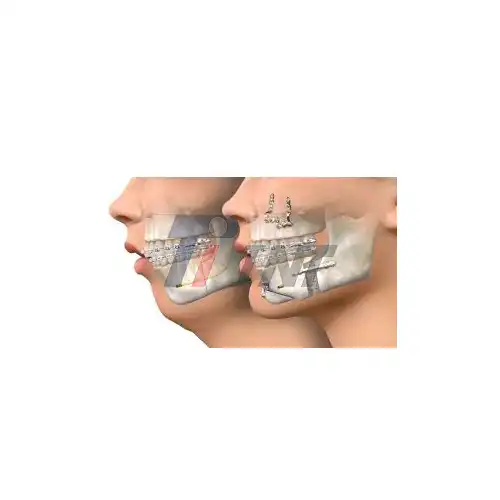
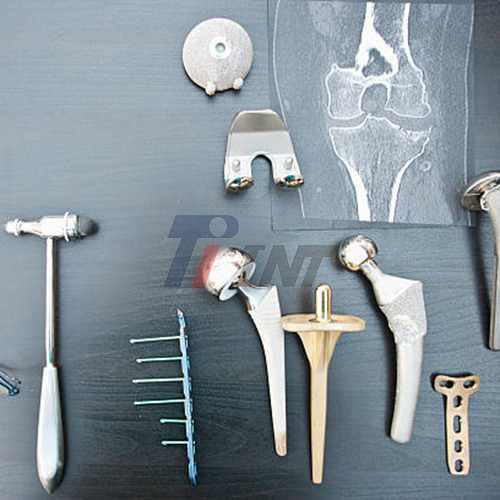
It is possible to make different types of orthopedic implants from Ti6Al4V ELI titanium bars with a width of 10 mm. In trauma surgery, the material is used to make intramedullary nails that hold long bone fractures together. The 10mm cross-section gives the nails enough bending stiffness to not bend when they are loaded with weight, while also allowing for slightly invasive placement through small medullary tubes. Spine surgeons use pedicle screws made from these bars to hold instrumentation systems in place. The fatigue resistance of the material makes sure that the structure stays stable during the months-long fusion process.
A lot of Ti6Al4V ELI bar stock is used for joint replacement uses. Hip stem parts are often made from bars with a diameter of 10 mm that are machined in a lot of different ways to make tapered shapes with smooth surfaces. Bar stock of the same size is used to make knee implant tibial stems, shoulder surgery humeral components and ankle replacement talus devices. The mechanical traits stay the same across all bar cross-sections. This means that final implants meet specifications no matter where they are in the original bar length.
Dental implantology is another application area that is growing. Dental implant posts made from medical-grade titanium bars hold crowns and bridges in place. Surface treatments put on the bar material help it fuse with the bone more quickly. Ti6Al4V ELI is biocompatible and doesn't rust, which makes it especially useful in the mouth, where implants are constantly exposed to bacterial biofilms, changes in pH, and mechanical loads from biting and chewing.
Comparing Ti6Al4V ELI Titanium Bar 10mm with Other Materials
Knowing the different options for important materials helps procurement managers make smart choices that balance the need for performance with budget concerns and the regulatory process.
Ti6Al4V ELI Versus Standard Grade 5 Titanium
The main difference between ELI titanium and regular Grade 5 titanium is the amount of intermediate elements, especially oxygen. ELI standards say that oxygen levels can't be higher than 0.13%, but standard Ti6Al4V lets them be up to 0.20%. This change in composition, which may not seem important, has measured effects on performance. Standard Grade 5 has a slightly higher tensile strength (at least 895 MPa), but it is less flexible and easier to break. Standard Grade 5 is strong enough for aerospace fasteners and auto parts that need to be as strong as possible. For medical implants, however, fatigue resistance and damage tolerance are more important, so the Ti6Al4V ELI Titanium Bar 10mm is the best choice, even though it has a slightly lower final strength.
ELI material is also better for medical uses because it is easier to make. The better flexibility makes cold forming easier, which lowers the amount of waste during header processes for bone screw production. When working with ELI bar stock instead of normal Grade 5 material, thread rolling methods make thread profiles that are sharper and more uniform. Because ELI production has tighter compositional tolerances, mechanical features are more uniform from lot to lot. This makes quality control easier to plan.
Titanium Alloy Versus Stainless Steel Alternatives
In the past, stainless steel, especially 316L, was used instead of titanium in orthopedic uses. Although stainless steel is cheaper as a material—about 30–40% less expensive per kilogram than Ti6Al4V ELI—the total cost changes when you look at design optimization and clinical results. Titanium is stronger than steel, so it can hold the same amount of weight while having a smaller cross-section. This could make surgery less painful and make patients more comfortable. The weight savings are especially big in spinal instrumentation, where switching from stainless steel rods to titanium ones cuts the mass of the structure by almost half.
When implants are used for a long time, differences in corrosion protection become clinically important. Stainless steel relies on chromium oxide passive films that can break down in places with little oxygen or when they are under constant mechanical stress. This can cause fretting corrosion at modular junctions. Titanium's oxide layer is very stable and stays intact even in biologically challenging conditions. This edge over corrosion means fewer revision surgeries, which is a key factor when figuring out how much implanted devices cost over their entire lives.
Biocompatibility worries are making titanium more popular than stainless steel. About 10 to 15 percent of people are sensitive to nickel. 316L stainless steel has the least amount of nickel compared to other grades, but even small amounts can cause hypersensitivity reactions in people who are susceptible. Ti6Al4V ELI doesn't have nickel in it, so this group of risks is gone. This means that more people can be implanted without having to go through extra allergy tests.
Dimensional Considerations: 10mm Versus Alternative Bar Diameters
To choose the right bar diameter, you have to balance the yield of the material, the cost of machining, and the requirements for the finished part. The 10mm diameter is a good middle ground that works with a wide range of implant types without wasting too much material. Hip stem blanks usually need bars with a diameter of 12 to 16 mm to provide enough stock for taper cutting. On the other hand, 8 to 10 mm bars work well for making bone screws, based on the final screw diameter and head style.
Manufacturers of smaller parts, like 3.5mm cortical screws, might want to look at 8mm bar stock to cut down on the amount of material that needs to be removed and the cost per unit. On the other hand, 10–12 mm bars are a better way to make large-diameter spine pedicle screws (final diameter of 7.0–8.5 mm). When design engineers are coming up with new implant ideas, the 10mm specification is the best place to start because it lets them change the diameter during development cycles without having to buy a lot of different bar sizes.
Needs for material tracking also affect the choice of width. When the width of the bar is smaller, there are more pieces in each production lot. If more than one bar contributes material to the same implant batch, it could be harder to keep track of all the materials. Larger bars cut down on the number of pieces needed, but they also raise the cost of the material per piece and may make lead times longer if custom sizes need special mill runs. When making supply chain plans, these logistics factors should be looked at along with technical success standards.
Procurement Guide for Ti6Al4V ELI Titanium Bar 10mm
Getting medical-grade Ti6Al4V ELI titanium bars requires paying close attention to certification needs, source qualifications, and supply chain processes that are very different from getting titanium for industry use.
Certification and Traceability Requirements
Medical device laws require that all materials like Ti6Al4V ELI Titanium Bar 10mm be fully traceable from the mill to the final implant. Every Ti6Al4V ELI bar needs to have mill test reports (MTRs) that show the chemical make-up through spectrographic analysis, the mechanical properties through tensile testing according to ASTM E8, and any heat treatment records that are needed. These MTRs are saved as part of the device master record and must be available for as long as the implant is used, which could be decades in order to meet archive standards.
In addition to basic MTRs, procurement managers should check that suppliers keep their ISO 13485 certification, which shows that their quality management system meets the needs of medical device manufacturing. This certification makes sure that providers have strong ways of dealing with non-conforming material, keeping test tools calibrated, and doing internal checks. Suppliers who offer full traceability to original ingot numbers give customers more peace of mind and allow for root cause analysis if material anomalies occur during production or after the product has been sold.
It's very important to note the difference between approved medical-grade titanium and industrial-grade titanium. Industrial Ti6Al4V might meet the chemical requirements of ASTM B348 Grade 5, but it doesn't have the extra tests, paperwork, and process controls that are needed for medical uses. Using non-certified materials to make implants puts companies at risk of breaking the law, having to return products, and being sued, all of which cost a lot more than the initial savings. As part of responsible buying, licenses for materials must be checked before bars can be put into production.
Supplier Selection Criteria and Lead Time Expectations
To find qualified titanium bar providers, you need to look at both their professional skills and how reliable their business is. Manufacturers should give preference to suppliers that have a history of working with medical device companies. This is because these companies know what the government expects and keep up with quality systems. References from well-known implant makers can tell you a lot about how well a source does at meeting deadlines, making sure materials are consistent, and responding to technical questions.
Lead times and supply security are affected by how much can be made and how material is managed. Some suppliers keep standard bar sizes in medical-grade material in stock, so standard sizes like 10mm diameter bars can be shipped within two to four weeks. Lead times can go up to 12 to 16 weeks for custom sizes or specs that need special mill runs. This means that you need to plan ahead and predict demand. Building relationships with companies that can do both stock production and custom production gives you the freedom to handle regular orders quickly while also meeting unique needs as your product lines change.
Medical-grade titanium bars usually cost more than industrial-grade titanium bars because they have to go through more testing and licensing. If you order more than 100 kilograms, you can get volume pricing, which could save you 10-15% compared to small-lot pricing. Long-term supply agreements may offer more stable prices, protecting against changes in the market prices of titanium raw materials and securing dedicated production capacity during times of high demand in the industry.
Custom Processing and Value-Added Services
A lot of specialized providers offer services like custom cutting, centerless grinding, and surface treatment that cut down on the work that needs to be done in-house and increase the output of the material. When you order precision-cut bars in the exact length you need, you don't have to use a saw or lose material. This is especially helpful when working with expensive medical-grade metals. Centerless grinding services can provide bars with diameter tolerances of ±0.025mm and surface finishes below Ra 0.4 μm. This means that initial machining passes may not be needed, and cycle times for finished parts are shortened.
Surface cleaning processes that are done before delivery improve how the product is processed or how well it works after delivery. Passivation gets rid of surface dirt from cutting and handling, making sure that the titanium oxide layer forms evenly. Light chemical milling gets rid of flaws on the surface to a depth of 0.05-0.10 mm, which gets rid of places where cracks could start and hurt the fatigue performance. These value-added services move the costs of processing upstream to suppliers with specialized skills. This often leads to better results at a lower total cost than when implant manufacturers do the processing themselves, focusing on their main skills of machining and finishing.
Quality assurance services include more than just certifying materials. They also check dimensions, look at the surface, and even provide documents for biocompatibility testing. For companies that ship to more than one market, it's easier to follow the rules when their suppliers offer complete test kits that are in line with international regulations. This combination of testing and certification services makes it easier to manage and speeds up the time it takes to get new products on the market.
Conclusion
Ti6Al4V ELI Titanium Bar 10mm, especially the flexible 10mm diameter size, have the perfect mix of mechanical strength, corrosion resistance, and biocompatibility that is needed to make reliable orthopedic implants. The material is the standard for load-bearing medical equipment because it is very resistant to wear and has a history of good clinical performance. Purchasing managers need to make sure that certified medical-grade materials come from qualified sellers who have strong quality systems and lots of paperwork for tracking. Medical device makers can make safe, effective implants that help patients while staying in compliance with regulations and increasing manufacturing efficiency if they know about the properties of materials, can spot performance advantages over alternatives, and build strategic relationships with suppliers.
FAQ
Q1: What makes Ti6Al4V ELI titanium suitable for orthopedic implants?
A: Because of three important features, Ti6Al4V ELI is especially well suited for orthopedic uses. The extra low interstitial composition lowers the amounts of oxygen, nitrogen, and carbon below what is considered normal for Grade 5. This makes the material more flexible and harder to break without lowering its strength. This higher ductility directly leads to higher wear resistance under repeated physiological loading. This means that implants can survive millions of stress cycles over decades of use. The alloy is biocompatible because it has a stable titanium dioxide passive film that stops ions from leaking into nearby tissues. This encourages osseointegration instead of fibrous encapsulation. These features of the material work together to meet the basic needs of load-bearing implants: they need to be strong, biocompatible, and chemically stable in the body for a long time.
Q2: How do machining processes affect Ti6Al4V ELI bar quality?
A: The natural qualities of Ti6Al4V ELI bars are kept while parts are being made with the right machining method preservation. Titanium doesn't transfer heat well, so heat builds up at the cutting edges. If conditions aren't managed, this could lead to the formation of an alpha case or changes in the microstructure. Cutting tools that are sharp, enough coolant flow, and slow feed rates all work together to keep heat damage to a minimum while still getting the desired surface finishes. When centerless grinding, it's important not to make too much heat, because that could cause leftover tensile stresses that hurt wear performance. Passivation after grinding gets rid of surface contamination and restores the protected oxide layer, which keeps the metal's corrosion resistance. These process controls turn raw bar stock into precise implant parts without degrading the certified material properties documented in mill test reports.
Q3: Which certifications should buyers verify when sourcing medical titanium bars?
A: To get medical-grade titanium bars, you have to go through a number of testing steps that make sure the material is real and that it meets all the rules. Material certification must show that the material meets the requirements of ASTM F136 or ISO 5832-3. This can be done by showing chemical composition, mechanical properties, and heat treatment records in mill test reports. Supplier quality system certifications, such as ISO 13485, show that a company can consistently make medical-grade materials using controlled methods. Regional government clearances, like FDA registration for U.S. markets or CE marking for European sales, show that the seller meets the rules in that area. Full paperwork that connects finished bars to their original ingot numbers makes it possible to track lots during production and after they've been sold. These approval requirements are stricter than those for industrial materials, which shows how important medical implants are for patient safety.
Partner with a Trusted Ti6Al4V ELI Titanium Bar 10mm Supplier
Since 2003, Baoji INT Medical Titanium Co., Ltd. has been making medical-grade titanium products. They have over 20 years of experience making high-purity Ti6Al4V ELI titanium bars that meet strict international standards. Our complete quality management systems are certified by ISO 9001:2015, ISO 13485:2016, and CE. This means that every 10mm diameter titanium bar we ship comes with full traceability paperwork and mill test reports. We keep an inventory of standard sizes and offer custom cutting, precision grinding, and other processing services that make your manufacturing processes run more smoothly.
Our expert team can help you with your R&D and production goals from making a prototype to mass production by giving you advice on choosing the right materials, setting the right conditions for machining, and following quality control rules. Our global export skills and helpful customer service make sure that medical device makers all over the world get their orders on time, whether they need small amounts for validation testing or large amounts for established production lines. Get in touch with our export@tiint.com team to talk about your unique needs for approved medical-grade titanium bars and find out how our experience can help you make orthopedic implants.
References
1. American Society for Testing and Materials. (2020). ASTM F136-13: Standard Specification for Wrought Titanium-6Aluminum-4Vanadium ELI Alloy for Surgical Implant Applications. West Conshohocken, PA: ASTM International.
2. International Organization for Standardization. (2016). ISO 5832-3: Implants for Surgery — Metallic Materials — Part 3: Wrought Titanium 6-Aluminum 4-Vanadium Alloy. Geneva: ISO.
3. Niinomi, M., & Nakai, M. (2011). Titanium-Based Biomaterials for Preventing Stress Shielding Between Implant Devices and Bone. International Journal of Biomaterials, Article ID 836587.
4. Long, M., & Rack, H.J. (1998). Titanium Alloys in Total Joint Replacement—A Materials Science Perspective. Biomaterials, 19(18), 1621-1639.
5. Disegi, J.A., & Eschbach, L. (2000). Stainless Steel in Bone Surgery. Injury, International Journal of the Care of the Injured, 31(Supplement 4), D2-D6.
6. Boyer, R., Welsch, G., & Collings, E.W. (1994). Materials Properties Handbook: Titanium Alloys. Materials Park, OH: ASM International.
_1753429726760.webp)
_1752819172472.webp)
_1752462199458.webp)