
Recovery Tips After Chest Surgery with a Titanium Plate


 2025-12-17 08:34:18
Undergoing chest surgery that includes the addition of a titanium plate can be a critical restorative strategy. Whether you've had this surgery due to injury, inherent chest divider distortions, or other restorative conditions, the recuperation prepare is significant for your overall wellbeing and well-being. This comprehensive guide will give you important bits of knowledge and commonsense tips to help you explore your recovery journey after chest surgery with a titanium plate in chest.
|
|
|
Understanding the Role of Titanium Plates in Chest Surgery
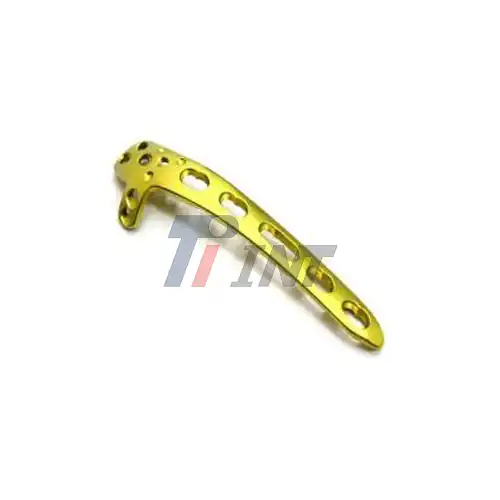
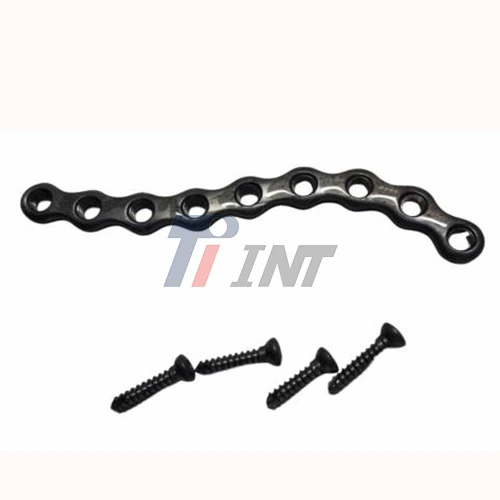
Before diving into recuperation tips, it's fundamental to understand why titanium plates are used in chest surgeries. Titanium is a biocompatible fabric that's broadly utilized in therapeutic inserts due to its strength, durability, and resistance to erosion. When utilized in chest surgeries, titanium plates serve a few purposes:
- Stabilization of fractured ribs or sternum
- Correction of chest wall deformities
- Support for chest wall reconstruction after tumor removal
- Enhancement of respiratory function in certain conditions
The incorporation of a titanium plate in your chest gives vital support and structure, permitting legitimate recuperating and moving forward usefulness. In any case, it's critical to note that the presence of this embed requires particular contemplations amid your recuperation period.
Immediate Post-Surgery Care and Pain Management
The initial days following your chest surgery with a titanium plate in chest are critical for setting the foundation of your recovery. Here are some key aspects to focus on:
Pain Management
Managing pain effectively is paramount for your comfort and overall recovery. Your healthcare team will likely prescribe a combination of pain medications, which may include:
- Opioids for severe pain (used sparingly and under strict medical supervision)
- Non-steroidal anti-inflammatory drugs (NSAIDs) for moderate pain and inflammation
- Acetaminophen for mild to moderate pain
It's crucial to follow your doctor's instructions regarding pain medication dosage and frequency. Don't hesitate to communicate with your healthcare provider if you're experiencing unmanageable pain or side effects from the medications.
Wound Care
Proper care of your surgical site is essential for preventing infections and promoting healing. Your medical team will provide specific instructions, but general guidelines include:
- Keeping the incision area clean and dry
- Changing dressings as directed by your healthcare provider
- Avoiding submersion in water (baths, swimming pools) until your wound has fully healed
- Monitoring for signs of infection, such as increased redness, swelling, or discharge
Breathing Exercises
After chest surgery, it's common to have shallow breathing due to torment or distress. However, deep breathing is vital for avoiding respiratory complications. Your restorative group may give you an incentive spirometer, a gadget that helps you practice profound breathing. Aim to utilize this gadget as habitually as prescribed, regularly each hour while alert.
Long-Term Recovery and Lifestyle Adjustments
As you progress in your recovery journey, you'll need to make certain lifestyle adjustments to accommodate the presence of the titanium plate in chest and ensure optimal healing.
Physical Activity and Exercise
Gradually reintroducing physical activity is crucial for your overall recovery and well-being. However, it's important to proceed with caution:
- Start with gentle walks as soon as your doctor approves
- Avoid lifting heavy objects or engaging in strenuous activities for at least 6-8 weeks post-surgery
- Incorporate chest and shoulder stretches as recommended by your physical therapist
- Gradually increase your activity level under the guidance of your healthcare team
Remember, the titanium plate in your chest is designed to provide stability, but it's still important to avoid excessive strain on the area during the healing process.
Nutrition for Optimal Healing
A balanced diet rich in nutrients can significantly contribute to your recovery. Focus on incorporating:
- Protein-rich foods to support tissue repair
- Vitamin C-rich fruits and vegetables to aid in collagen production
- Zinc-rich foods to promote wound healing
- Adequate hydration to support overall health and healing
Consult with a nutritionist if you need personalized dietary advice to support your recovery process.
Mental Health and Emotional Well-being
Recovering from chest surgery with a titanium plate can be emotionally challenging. It's normal to experience a range of emotions, including anxiety, frustration, or even depression. Consider the following strategies to support your mental health:
- Join support groups for individuals who have undergone similar procedures
- Practice relaxation techniques such as meditation or deep breathing exercises
- Communicate openly with your loved ones about your feelings and needs
- Seek professional counseling if you're struggling to cope with the emotional aspects of recovery
Long-Term Considerations
As you adjust to life with a titanium plate in chest, keep these long-term considerations in mind:
- Inform healthcare providers about your implant before any medical procedures or imaging tests
- Be aware that you may experience some sensitivity to temperature changes or pressure in the chest area
- Attend all follow-up appointments to ensure proper healing and function of the titanium plate
- Discuss any concerns or unusual symptoms with your healthcare provider promptly
Remember, while the titanium plate is designed to be a permanent implant, in rare cases, removal may be necessary. Your healthcare team will monitor your progress and address any issues that may arise.
Conclusion
Recuperating from chest surgery with a titanium plate is a journey that requires persistence, devotion, and a proactive approach to your well-being. By following these recuperation tips and keeping up open communication with your healthcare group, you can optimize your recuperating prepare and slowly return to your daily exercises.
If you have any questions about titanium medical implants or are interested in learning more about high-quality medical titanium materials, don't hesitate to reach out to the experts at Baoji INT Medical Titanium Co., Ltd. Their team of professionals can provide valuable insights and information about titanium plate in chest used in medical applications. Contact them at export@tiint.com for more information.
References
1. Marasco, S. F., Davies, A. R., Cooper, J., Varma, D., Bennett, V., Nevill, R., ... & Fitzgerald, M. (2013). Prospective randomized controlled trial of operative rib fixation in traumatic flail chest. Journal of the American College of Surgeons, 216(5), 924-932.
2. Nuss, D., Obermeyer, R. J., & Kelly, R. E. (2016). Nuss bar procedure: past, present and future. Annals of cardiothoracic surgery, 5(5), 422.
3. Sing, D. C., & Lazar, D. A. (2018). Chest wall reconstruction: Titanium plate fixation of the chest wall. Seminars in plastic surgery, 32(1), 39-44.
4. Granetzny, A., Abd El-Aal, M., Emam, E., Shalaby, A., & Boseila, A. (2005). Surgical versus conservative treatment of flail chest. Evaluation of the pulmonary status. Interactive cardiovascular and thoracic surgery, 4(6), 583-587.
5. Zhu, Y., Liu, Y., Zhang, M., & Han, X. (2020). Nutrition support in patients after chest wall surgery: A narrative review. Annals of Palliative Medicine, 9(5), 3774-3782.
_1755062427525.png)
_1753926673602.jpg)
_1752462620877.webp)
_1750664157440.webp)