


 2025-12-25 09:13:24

Understanding Titanium Plate Heart Surgery
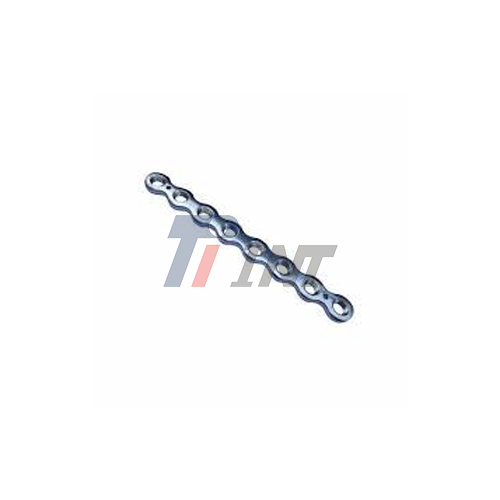
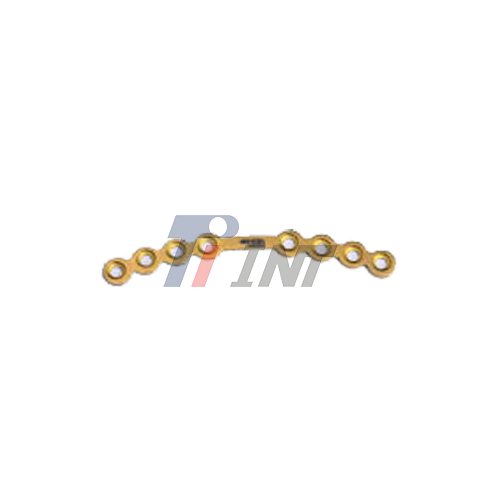
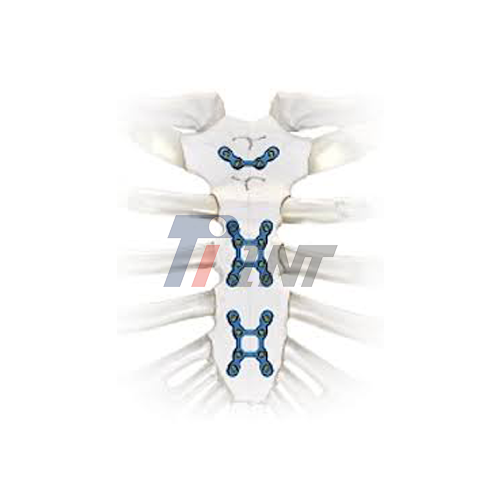
Titanium plate heart surgery is an advanced medical procedure used to address various cardiac conditions. This technique involves the use of high-quality titanium plates to repair or stabilize the heart's structure. Titanium is chosen for its exceptional biocompatibility, strength, and durability, making it an ideal material for cardiac implants.
The procedure typically involves opening the chest cavity to access the heart. Surgeons then carefully place the titanium plate in the required position to support the heart's structure or repair damaged areas. This can include reinforcing weakened heart walls, closing congenital defects, or providing support following other cardiac procedures.
It's vital to note that recuperation from titanium plate heart surgery is a slow process that requires tolerance, commitment, and adherence to therapeutic exhortation. The following areas will dive into particular angles of the recuperation journey, giving direction on physical recovery, emotional well-being, and long-term care.
Physical Recovery and Rehabilitation
The physical recovery process following titanium plate heart surgery is multifaceted and requires a structured approach. Patients should be prepared for a period of reduced activity immediately after the procedure, gradually increasing their physical engagement as healing progresses.
In the initial days post-surgery, the focus is on rest and basic mobility. Patients are usually encouraged to perform simple exercises like deep breathing and coughing to prevent lung complications. Gradually, under the guidance of healthcare professionals, patients begin to increase their activity levels.
A crucial aspect of physical recovery is cardiac rehabilitation. This comprehensive program is designed to help patients regain strength, improve cardiovascular health, and adapt to necessary lifestyle changes. Cardiac rehabilitation typically includes:
- Supervised exercise programs tailored to individual needs and capabilities
- Education on heart-healthy living, including nutrition and stress management
- Counseling to address emotional challenges associated with recovery
- Monitoring of vital signs and overall progress
It's vital to take after the restoration arrangement constantly, as it plays a critical part in long-term recuperation and wellbeing results. Patients ought to communicate transparently with their healthcare group about any distress, concerns, or questions that emerge amid this prepare.
Pain management is another crucial aspect of physical recovery. While some discomfort is expected, proper pain management ensures that patients can engage effectively in rehabilitation activities. This may involve a combination of prescribed medications and non-pharmacological approaches such as relaxation techniques or cold/heat therapy.
Entry point care is too a crucial portion of the recuperation handle. Patients ought to take after their surgeon's enlightening fastidiously with respect to wound care to anticipate disease and advance legitimate recuperating. This regularly incorporates keeping the cut clean and dry, maintaining a strategic distance from submerging it in water, and announcing any signs of disease such as expanded redness, swelling, or release.
Nutrition plays a significant role in physical recovery. A heart-healthy diet rich in lean proteins, fruits, vegetables, and whole grains can support healing and overall cardiovascular health. Patients may need to work with a dietitian to develop a nutrition plan that supports their recovery while managing any dietary restrictions related to their heart condition.
Emotional Well-being and Lifestyle Adjustments
The emotional impact of titanium plate heart surgery should not be underestimated. Many patients experience a range of emotions during their recovery, including anxiety, depression, and fear. It's important to recognize that these feelings are normal and to seek support when needed.
One viable technique for overseeing enthusiastic well-being is to connect a bolster bunch. These bunches give a stage for patients to interface with others who have experienced comparative encounters, share concerns, and learn adapting methodologies. Numerous healing centers and cardiac recovery programs offer such bunches, or they can be found through online stages.
Mindfulness and unwinding methods can be priceless devices for overseeing push and uneasiness amid recuperation. Hones such as reflection, profound breathing works out, or tender yoga (as endorsed by your healthcare supplier) can offer assistance calm the intellect and decrease push levels.
It's too pivotal to keep up open communication with family and companions. Sharing your encounters and concerns can offer assistance, reduce enthusiastic burden, and fortify your bolster organization. Do not delay to inquire for assistance when required, whether it's help with everyday errands or essentially somebody to talk to.
Lifestyle adjustments are often necessary following titanium plate heart surgery. These may include:
- Quitting smoking: If you're a smoker, now is the time to quit. Smoking can significantly impede recovery and increase the risk of complications.
- Dietary changes: Adopting a heart-healthy diet is crucial for long-term health and recovery.
- Stress management: Developing effective stress management techniques is essential for heart health and overall well-being.
- Regular exercise: Once cleared by your healthcare provider, engaging in regular, appropriate exercise is vital for heart health.
- Medication management: Adhering to prescribed medication regimens is crucial for recovery and preventing complications.
Returning to work and normal activities is often a significant milestone in recovery. However, it's important to do so gradually and under the guidance of your healthcare team. Be prepared to make adjustments to your work environment or schedule if necessary, and communicate openly with your employer about any needs or limitations during your recovery period.
Long-term Care and Follow-up
Long-term care following titanium plate heart surgery is crucial for maintaining the benefits of the procedure and ensuring overall heart health. This involves regular follow-up appointments with your cardiac care team, ongoing monitoring, and adherence to prescribed treatments and lifestyle recommendations.
Follow-up appointments typically include:
- Physical examinations to assess overall health and recovery progress
- Diagnostic tests such as echocardiograms or stress tests to evaluate heart function
- Blood tests to monitor factors like cholesterol levels and medication effectiveness
- Discussions about any symptoms or concerns
- Adjustments to medications or treatment plans as needed
It's important to attend all scheduled follow-up appointments, even if you're feeling well. These check-ups allow your healthcare team to detect any potential issues early and make necessary adjustments to your care plan.
Monitoring for potential complications is an ongoing process. While titanium plate heart surgery is generally safe and effective, patients should be aware of signs that may indicate a problem. These can include:
- Chest pain or discomfort
- Shortness of breath
- Irregular heartbeat or palpitations
- Swelling in the legs or ankles
- Fever or signs of infection at the incision site
- Unusual fatigue or weakness
Medication management is a critical aspect of long-term care. Many patients require ongoing medication to manage their heart condition or prevent complications. It's crucial to take all medications as prescribed and to discuss any side effects or concerns with your healthcare provider. Never stop or change medications without consulting your doctor first.
Regular exercise remains important for long-term heart health. As your recovery progresses, you may be able to increase the intensity and duration of your physical activities. However, it's important to continue following guidelines provided by your healthcare team and to listen to your body, avoiding overexertion.
Conclusion
Recovery from titanium plate heart surgery is a comprehensive process that encompasses physical healing, emotional well-being, and lifestyle adjustments. By following medical advice, engaging actively in rehabilitation, and maintaining a positive outlook, patients can achieve optimal recovery outcomes and improve their overall quality of life.
If you have any questions about titanium medical products used in cardiac procedures or other medical applications, please don't hesitate to contact us at export@tiint.com. Our team at Baoji INT Medical Titanium Co., Ltd. is committed to providing high-quality titanium materials that contribute to advancements in medical care and improved patient outcomes.
_1753427753918.webp)
_1751956867796.webp)
_1751955824855.webp)
_1750663525879.webp)